Can Dogs Eat Spinach? Yes - With Important Caveats
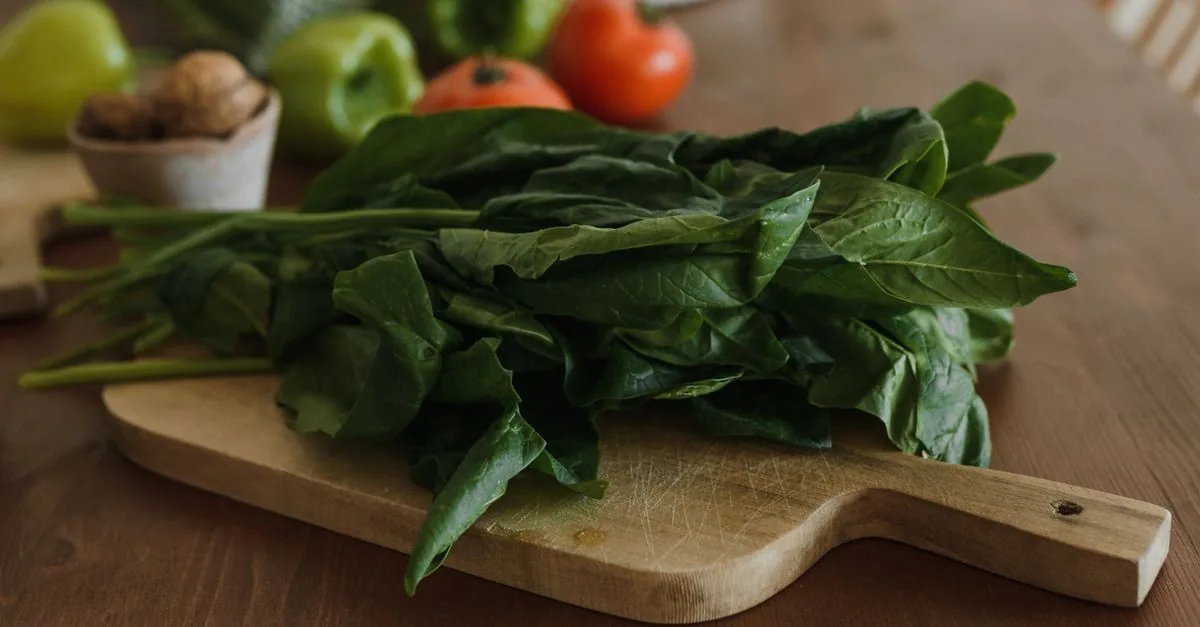
Yes, dogs can eat spinach in small amounts. Spinach is not toxic to dogs, but it is one of the highest-oxalate vegetables there is, and VCA lists it among the foods that should not be fed to dogs diagnosed with calcium oxalate stones. Dogs with kidney disease or a history of such stones should avoid spinach entirely. For healthy dogs, serve it steamed, plain, and finely chopped - only occasionally and in small portions.
Spinach has a reputation as a nutritional powerhouse - and for good reason. But what is genuinely healthy for you is not always straightforwardly healthy for your dog. Spinach sits in an interesting middle ground: not toxic, genuinely nutritious, but worth treating with more care than, say, a plain carrot or a slice of apple.
What makes spinach good for dogs?
The AKC and PetMD both confirm that spinach contains a solid range of beneficial nutrients for dogs:
- vitamin A - supports skin, eye, and immune system health
- vitamin C - antioxidant that supports immune function
- vitamin K - important for blood clotting and bone health
- B vitamins - contribute to energy metabolism
- iron and beta-carotene - support red blood cell production
- fibre - aids digestion and gut motility
That is a genuinely impressive list. The issue is not the vitamins - it is one specific compound.
Oxalates - why spinach deserves caution
Spinach is one of the highest-oxalate vegetables there is, and that is the one reason veterinary sources name it. VCA lists spinach - alongside nuts, rhubarb, beets and green beans - among the high-oxalate foods that should not be fed to dogs diagnosed with calcium oxalate stones. That is guidance for dogs that already have the condition, aimed at preventing a recurrence.
Keep the distinction in view: when VCA explains where calcium oxalate stones actually come from, it points to urine composition, genetic factors and the profile of the main diet - not to oxalate from vegetables. So there is no reason to alarm the guardian of a healthy dog over a spinach leaf. There is every reason to keep portions small and occasional - and to skip spinach entirely if your dog has a history of stones or kidney disease.
Which dogs should avoid spinach entirely?
Some dogs should skip spinach altogether:
- dogs with kidney disease - every addition to the diet is the treating vet's call
- dogs with a history of calcium oxalate stones - VCA names spinach outright among the foods such dogs should not be fed
- dogs on a vet-prescribed kidney diet - any addition to the diet should go through the vet first
If your dog falls into any of these groups, consult your vet before offering spinach - or simply skip it and choose safer vegetables.
Safe portions - what counts as a little?
| Dog size | Approximate weight | Safe spinach portion |
|---|---|---|
| Extra-small | up to 10 kg | 1/4 teaspoon |
| Small | 10-15 kg | 1/2 teaspoon |
| Medium | 15-25 kg | 1 teaspoon |
| Large | 25-40 kg | 1/2 tablespoon |
| Extra-large | over 40 kg | 1 tablespoon |
These are occasional serving suggestions - not daily amounts. As with all treats and food additions, keep it within 10% of your dog's daily calorie intake.
How to prepare spinach for your dog
Preparation makes a real difference here:
- Use fresh or plain frozen spinach - no sauces, salt, or seasonings
- Steam it - the preferred method; steaming reduces oxalate content and aids digestion without stripping vitamins the way boiling does
- Skip boiling - it washes out water-soluble vitamins
- Chop finely - dogs do not digest plant matter as efficiently as humans; smaller pieces help
- Add nothing - no butter, oil, salt, garlic, or onion (garlic and onion are toxic to dogs)
What to avoid entirely:
- canned or jarred spinach (too much sodium)
- spinach dip or cream-based dishes
- spinach sauteed with garlic or onion - warning: garlic and onion are toxic to dogs
Spinach vs other vegetables - is it worth it?
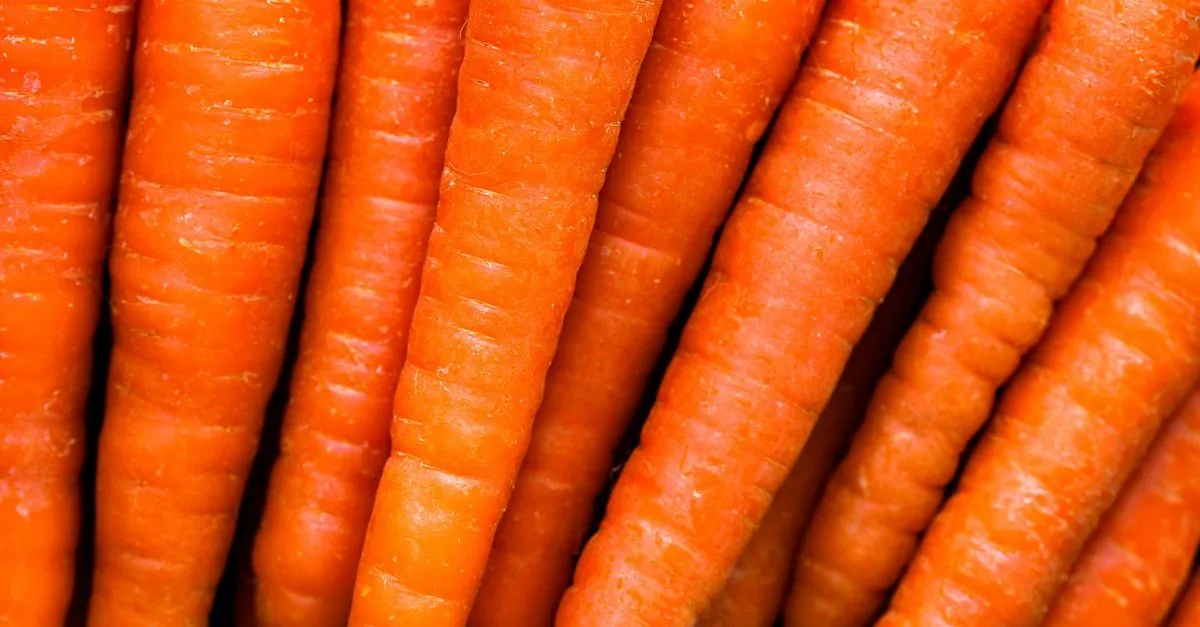
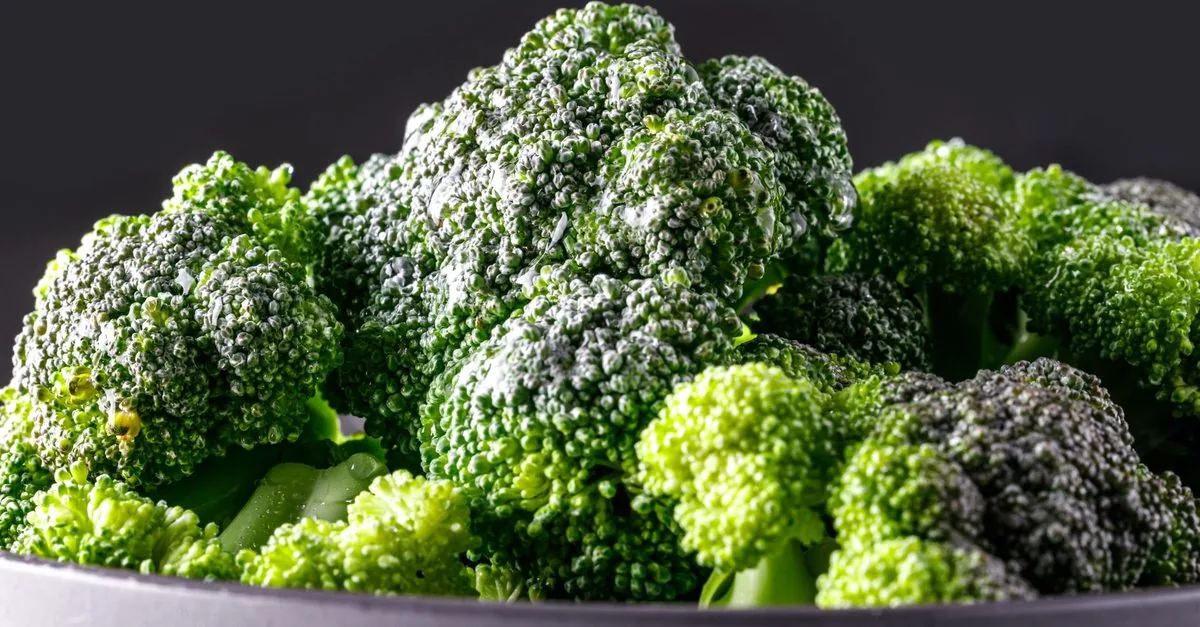
Spinach is nutritious but requires more care than many other vegetables. If you want something easier to prepare and equally healthy, take a look at the carrots article - carrots are safe for almost any dog, no steaming required - or the broccoli guide. For a full picture of what your dog can and cannot eat, the complete food guide is the place to start.
Spinach sorted, now get out there. Open DOGOUT to find dog parks, off-leash areas, and trails near you - the pack does not stay home.
Sources
Frequently asked questions
- Is spinach toxic to dogs?
- No, spinach is not toxic to dogs. It is, however, one of the highest-oxalate vegetables there is, and VCA lists it among the foods that should not be fed to dogs diagnosed with calcium oxalate stones. For healthy dogs, small occasional portions are safe.
- How much spinach can I give my dog?
- PetMD recommends very small amounts: extra-small dogs get 1/4 teaspoon, small dogs 1/2 teaspoon, medium dogs 1 teaspoon, and large dogs 1/2 tablespoon. Spinach should be a rare treat, not a regular part of the diet.
- Can a dog with kidney disease eat spinach?
- No. Dogs with kidney disease, a history of calcium oxalate stones, or those on a prescription kidney diet should avoid spinach completely. Check with your vet if you are unsure.
- How should I prepare spinach for my dog?
- Steam it plain with no added salt, butter, garlic, onion, or seasoning. Steaming makes spinach softer and easier to digest. Chop it finely before serving.
- Can dogs eat raw spinach?
- Technically yes, but raw spinach is harder to digest. Lightly steamed and finely chopped is gentler on the gut - go with that.
- Can I give my dog tinned or canned spinach?
- No - canned spinach typically contains high levels of sodium and preservatives that are harmful to dogs. Always choose fresh or plain frozen spinach with no added ingredients.