Vegetables Dogs Can Eat - The Full List
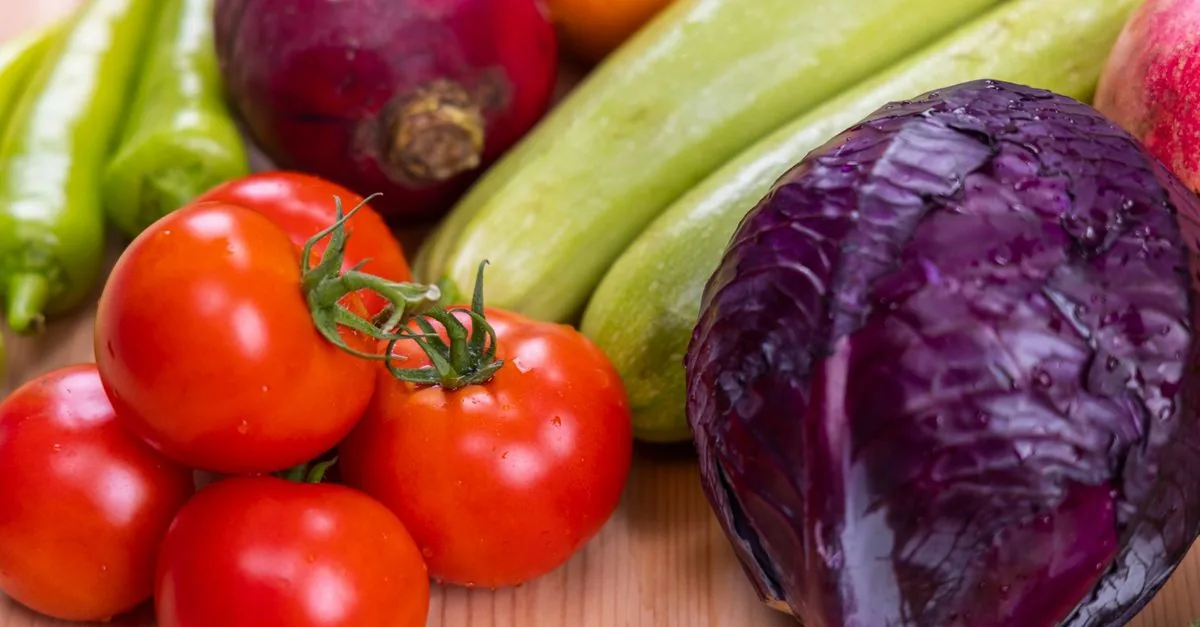
Dogs can eat most vegetables found in a typical kitchen - carrots, cucumber, pumpkin, broccoli, beets, and sweet potato - as long as they're cooked or cut into small pieces, served plain with no salt or seasoning, and kept to a reasonable amount. Vegetables should make up no more than about 10 percent of a dog's daily diet. Always avoid onion, garlic, leeks, and chives - these are toxic to dogs in any form.
If you've ever chopped a salad and felt a hopeful stare from under the table, you've probably wondered which vegetables dogs can eat. The good news - most common vegetables are safe for dogs and can be a genuinely useful addition to their diet. The catch - a handful are seriously dangerous, and the line between "safe" and "forbidden" isn't always obvious.
Vegetables dogs can eat without worry
Here's a list of vegetables most dogs tolerate well, as long as portions stay reasonable and they're prepared properly.
| Vegetable | How to serve | Notes |
|---|---|---|
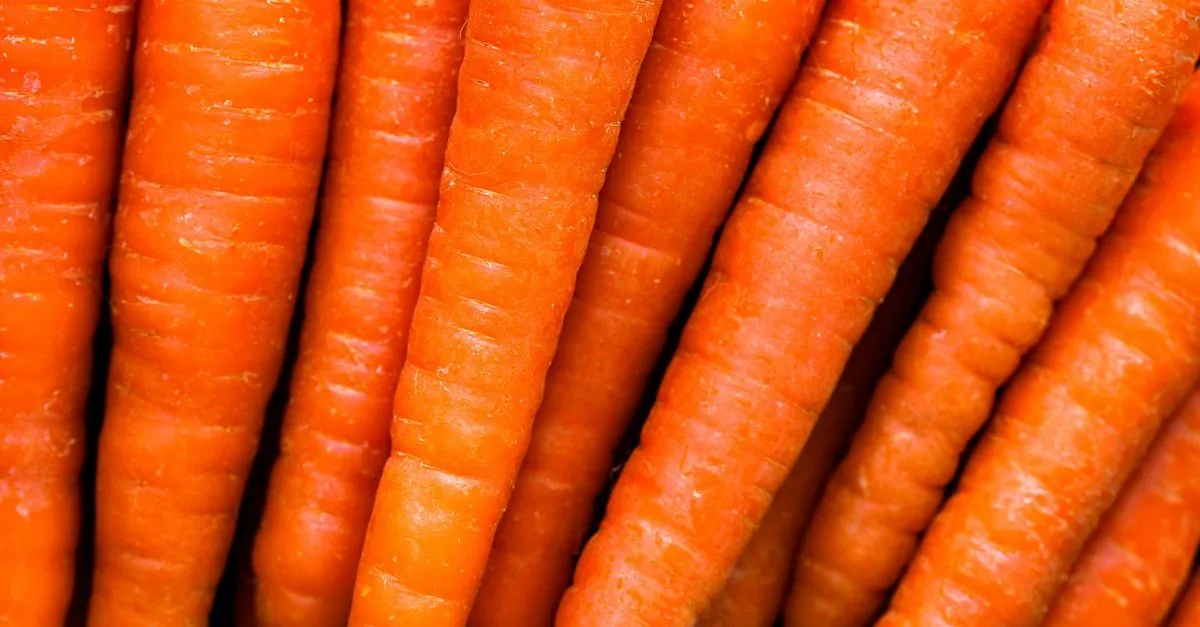
| Carrot | raw or cooked, chopped | crunchy, low-calorie snack |
| Cucumber | raw, sliced | low-calorie, great in hot weather |
| Pumpkin | cooked, pureed | supports digestion, helps with loose stool |
| Zucchini | cooked or raw, chopped | gentle on the stomach |
| Broccoli | cooked, small amounts | too much can cause stomach upset |
| Cauliflower | cooked, small amounts | same caution as broccoli - moderation |
| Sweet potato | always cooked | never serve raw |
| Beets | cooked | can tint urine slightly - that's normal |
| Green beans | cooked or raw | good low-calorie treat |
| Peas | cooked | in moderation, high in fiber |
| Bell pepper (red, yellow) | raw, seeds removed | green pepper can be harder to digest |
Cut every vegetable into pieces sized for your dog - it lowers choking risk, especially for small breeds. If you're specifically wondering about carrots, we have a dedicated article on whether dogs can eat carrots with more detail on amounts and prep. Pumpkin gets its own deep dive too - check out can dogs eat pumpkin, especially useful if you're looking for something gentle after an upset stomach.
Vegetables dogs should never eat
There's no gray area here - these vegetables are toxic to dogs and shouldn't end up in the bowl in any form.
- Onion - raw, cooked, fried, or powdered - every form is dangerous. It damages a dog's red blood cells and can cause hemolytic anemia.
- Garlic - works like onion, only stronger. Even small amounts fed regularly can build up and cause harm over time.
- Leek - same family as onion and garlic, equally dangerous.
- Chives and shallots - carry the same risks, just less obviously "onion-shaped" to most owners.
- Raw potatoes and raw green potato skin - contain solanine, which is toxic. Cooked, peeled potatoes with no green spots are fine in small amounts.
- Raw eggplant - can irritate the digestive tract in some dogs, particularly those sensitive to nightshade vegetables.
If your dog eats something from that first group - especially a larger amount - call your vet or a pet poison line the same day, even if your dog seems completely fine. This matters because allium damage to the red blood cells is delayed - signs like weakness, rapid breathing, pale gums, or vomiting often show up only 1-5 days later, and dark, red-brown urine is a hallmark of ongoing hemolysis. Waiting for symptoms means missing the window when your vet can act most effectively. In small dogs even modest amounts can be dangerous, so with a little dog, act right away. For the full list of dangerous foods, see our guide on what dogs can and can't eat.
Raw or cooked - which is better?
It depends on the vegetable. Starchy vegetables like potato, sweet potato, and pumpkin should always be cooked - raw, they're harder to digest and can be tough on the stomach. Crunchy, watery vegetables like cucumber, carrot, and bell pepper can go either way, raw or cooked - it comes down to what your dog's digestion handles best.
Whichever way you serve them, stick to a few basics:
- No salt, seasoning, onion, or garlic - nothing from the human-kitchen spice rack.
- Small pieces - sized to your dog, to avoid choking.
- Introduce one new vegetable at a time - watch for a reaction over a day or two before adding another.
- Vegetables are a topper, not a base - keep them to roughly 10 percent of the daily diet.
How many vegetables can a dog eat?
Even the safest vegetable can cause loose stool or gas in excess - too much fiber at once is a common mistake when owners try to "add something healthy" to the bowl. Start small, watch how your dog responds, and treat vegetables as variety rather than the main event. If you're unsure what amount is right for your dog's weight, age, or any existing health condition, check with your vet.
Puppies need even more caution. Their digestive system is still developing, so serve vegetables cooked, chopped small, in tiny portions, and always one at a time - never introduce several new foods at once.
Vegetables are a good excuse to get outside too
A healthy diet is half the picture - a well-fed dog who never moves still isn't a happy dog. While you're thinking about what's good for your dog to eat, think about movement too - check the DOGOUT map for spots near you where your dog can run off-leash safely, and see who else is walking nearby right now. Sometimes the best addition to any diet is simply a longer walk and some company.
Vegetables can add real variety, vitamins, and fiber to a dog's diet, but common sense matters most - stick to the safe list, skip the allium family without exception, and check with your vet before making any new food a regular habit.
Sources
Frequently asked questions
- What vegetables can dogs eat every day?
- Carrots, cucumber, pumpkin, zucchini, small amounts of broccoli, and sweet potato are vegetables most dogs tolerate well and can have regularly as a meal topper or healthy snack. The key is moderation - vegetables are a supplement to a dog's diet, not its foundation.
- What vegetables can dogs not eat?
- Onion, garlic, leek, chives, and shallots are strictly off-limits - all members of the allium family damage a dog's red blood cells whether raw, cooked, powdered, or dehydrated. Raw potatoes and raw eggplant also call for caution.
- Can dogs eat raw vegetables?
- Some, yes - carrots, cucumber, and bell peppers can be given raw, cut into pieces sized for your dog to avoid choking. Starchy vegetables like potatoes and sweet potato should always be cooked - raw, they're harder to digest and can upset the stomach.
- How many vegetables can a dog eat per day?
- A common rule of thumb caps vegetables and fruit combined at about 10 percent of daily calories. For most medium-sized dogs that means a few small pieces a day, not a full bowl. Too many vegetables at once can cause loose stool or gas.
- What vegetables are good for puppies?
- Puppies do best with cooked, mashed, or finely chopped vegetables - carrot, pumpkin, or zucchini - in very small amounts, starting with a single spoonful and watching for any digestive reaction. Introduce one new vegetable at a time and wait a day or two before adding another.
- Can vegetables replace a dog's regular food?
- No. Vegetables are a supplement, not a substitute - they don't provide the protein, fat, and micronutrient balance a dog needs for proper development. A diet built mainly around vegetables is a feeding mistake worth discussing with a vet.