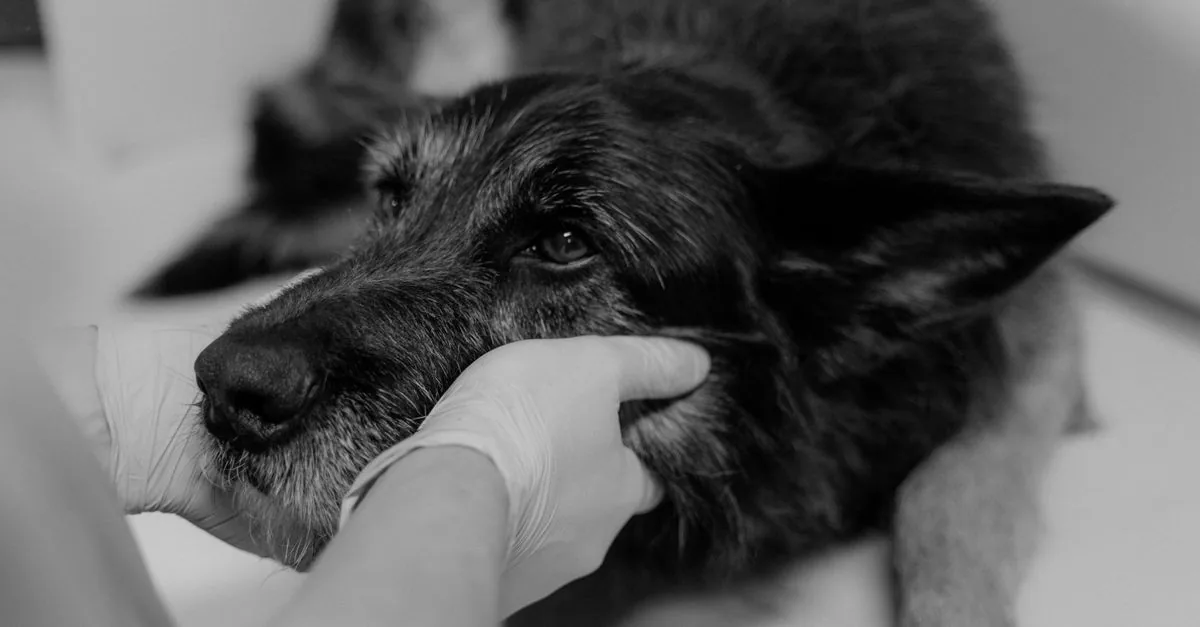
Dog Paw Burns from Hot Pavement - Signs, First Aid, and Prevention
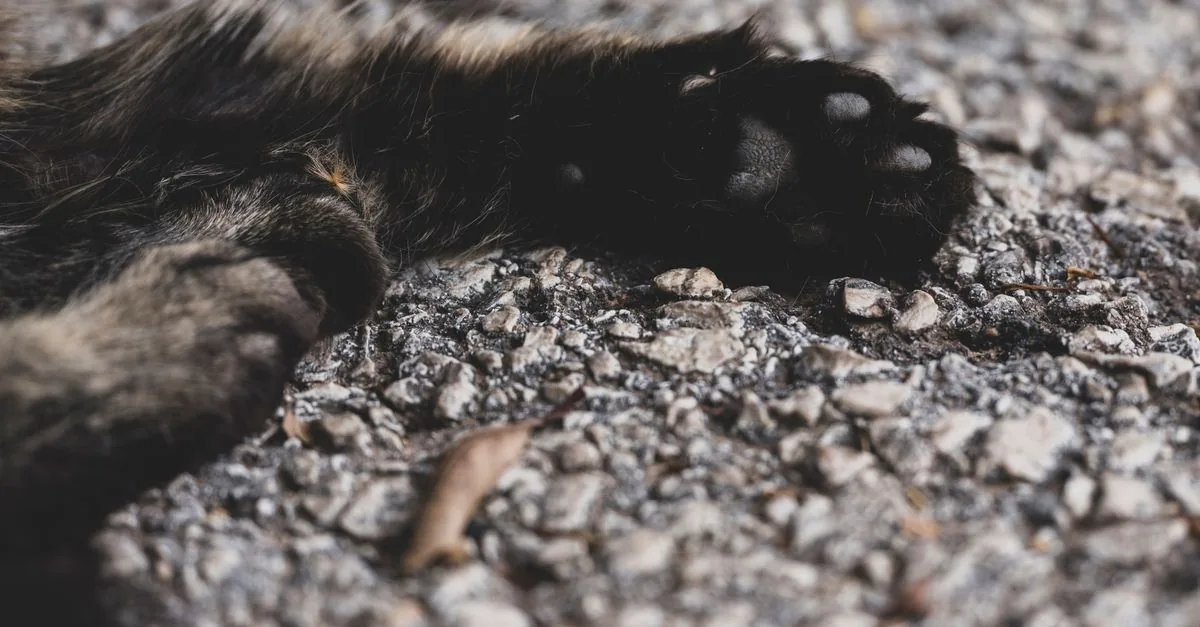
Asphalt in full sun can reach around 65°C, far hotter than the air - enough to burn a dog's paws in seconds. If it happens: move off the hot surface immediately, cool the pads with cool (not ice-cold) water for 10-15 minutes, and call your vet. Do not use ice or human creams.
Asphalt looks harmless. On a sunny afternoon it can be hotter than a frying pan. Dogs walk where you lead them - and they trust you to check whether it's safe. That job falls to you.
Why does asphalt get so hot?
Dark surfaces soak up solar radiation, turn it into heat and then hold it. The effect is dramatic: US EPA data put midday asphalt surface temperatures at around 65°C. The ground can therefore be far hotter than the air - and you will not see or feel it walking in shoes.
Concrete heats up in the same way, though slightly more slowly. Beach sand can be equally hot. Paving stones in full sun are no different.
A dog's paw pads are tougher than human skin - they have a thicker outer layer and act as natural shock absorbers. But they are also packed with nerve endings, and they are not immune to heat that exceeds their threshold. A few seconds of contact with a very hot surface can start causing real damage.
The 10-second test - check before you go
Before heading out on a warm day, pause at the door. Press the back of your hand against the pavement and count to 10 - that is the version Cornell's Riney Canine Health Center gives. If you can't hold it there, the surface is too hot for your dog's paws. Go back inside, wait until evening, or reroute to a grassy area.
No cost, no app. Ten seconds.
Signs of burned paws - what to look for
Your dog won't tell you it hurts. Watch the behaviour:
| Sign | What it means |
|---|---|
| Limping or sudden stopping | Pain with every step |
| Refusing to walk, sitting or crouching | Pavement is burning during the walk |
| Licking or chewing the paws intensely | Reaction to pain and irritation |
| Whimpering when you touch the pads | Tenderness after burning |
| Redness on the pads | Inflammation - first-degree burn |
| Blisters or peeling skin | Deeper damage - see a vet urgently |
| Raw or bleeding areas | Serious burn - go now |
The first two signals - stopping and refusing to walk - often appear during the walk itself, before any visible skin changes. Treat them as a red flag.
First aid - step by step
1. Get off the hot surface immediately
Move your dog to grass, into shade, or carry them. Every second on hot asphalt deepens the injury. Do not keep walking "just to reach the park".
2. Cool the pads with cool water for 10-15 minutes
Use cool (not ice-cold) water - from a bottle, a garden tap, a water fountain. Cooling limits how deep the thermal damage goes and gives relief. Avoid ice - a sudden temperature shock can cause additional tissue damage.
3. Do not apply home remedies
Butter, oil, alcohol, human antiseptic creams - none of these are safe. Some active ingredients (such as lidocaine in numbing gels) are toxic to dogs. After cooling: clean cool water only, then go to the vet.
4. See your vet
Even if the burn looks superficial, call your vet or head to the clinic. Paw pads are in constant contact with the ground and are highly exposed to infection. Your vet will assess the depth of the injury and prescribe the right dressing, antiseptic and pain relief if needed.
Go to an emergency vet immediately if you see blisters, bleeding, or your dog cannot or will not walk.
Prevention - how to walk safely in summer
Summer is not a reason to stay home. It is a reason to walk smart.
Timing your walks
The safest windows are early morning (before 9 am) and evening (after 8 pm). In the middle of the day - especially between 11 am and 5 pm - asphalt in full sun is genuinely dangerous. Even in the evening, do the hand test if it has been sunny all day.
Grass over asphalt
Grass heats up far more slowly and never reaches temperatures comparable to asphalt. If there is a park or a field nearby, that is a better route than the pavement beside a road. Use the DOGOUT map to find green spaces near you.
Boots or paw protectors
Purpose-made dog boots with reflective or non-slip soles effectively insulate the pads from hot surfaces. The important thing: get your dog used to wearing them before the season starts, not in the middle of the hottest week of the year. The first few sessions always take more patience than you expect.
Water on the go
Heat plus hot pavement is a double risk - paw burns and overheating. Always bring water. We go into more detail about summer walking in our guide to walking your dog in heat.
What about hardened pads?
Dogs that walk regularly on varied surfaces do develop tougher pads over time. But "toughened" pads are not the answer to 65°C asphalt - no paw can withstand that. There is a real difference between natural pad thickness and physical heat damage.
When must you see a vet?
Any time you suspect a burn. But go urgently or find an emergency clinic if you see:
- blisters or peeling on the pads
- bleeding
- your dog is unable or unwilling to walk
- clear tenderness when you touch the pads after cooling
- pads that look worse 1-2 days later - redder, swollen, or weeping
Paw burns heal more slowly than you might think, because the pads are in constant contact with the ground. Don't wait and see. For broader guidance on emergencies, read our dog first aid guide.
The best summer walks start early - when the asphalt is still cool and the city is just waking up. Open the DOGOUT map, find a park with a grassy path, and get out there before the heat takes hold.
Sources
Frequently asked questions
- How do I check if pavement is too hot for my dog?
- Press the back of your hand against the pavement and hold it there for 10 seconds - the version Cornell's Riney Canine Health Center gives. If you can't last the full ten seconds because it burns, it's too hot for your dog's paws. No equipment needed - just your hand.
- What are the signs of burned dog paws?
- Limping, refusing to walk, sitting down mid-walk, licking or chewing the paws more than usual, and whimpering when you touch the pads. Visually you may see redness, blisters, peeling or raw skin. Any of these signs means a vet visit.
- What should I do if my dog's paws get burned on hot asphalt?
- Move your dog off the hot surface immediately - carry them if needed. Cool the pads with cool (not icy) water for 10-15 minutes. Do not apply ice, butter, or human creams. Contact your vet as soon as possible, even if the burn looks minor.
- What time of day is safest for summer walks?
- Early morning before 9 am and evening after 8 pm, when surfaces have had time to cool. Avoid going out between 11 am and 5 pm, especially in direct sunlight.
- Do dog boots protect against hot pavement?
- Yes - boots or paw protectors designed for dogs work well. The key is to introduce them before summer, not on the hottest day of the year. Dogs need time to get used to wearing them.
- Can I put antiseptic cream on burned dog paws?
- Do not apply human first-aid creams without vet advice. Some active ingredients, like lidocaine, are toxic to dogs. After cooling the paws with water, go straight to your vet for the right treatment.