How to Cool Down a Dog in Hot Weather - What to Do, What to Avoid and When to See a Vet
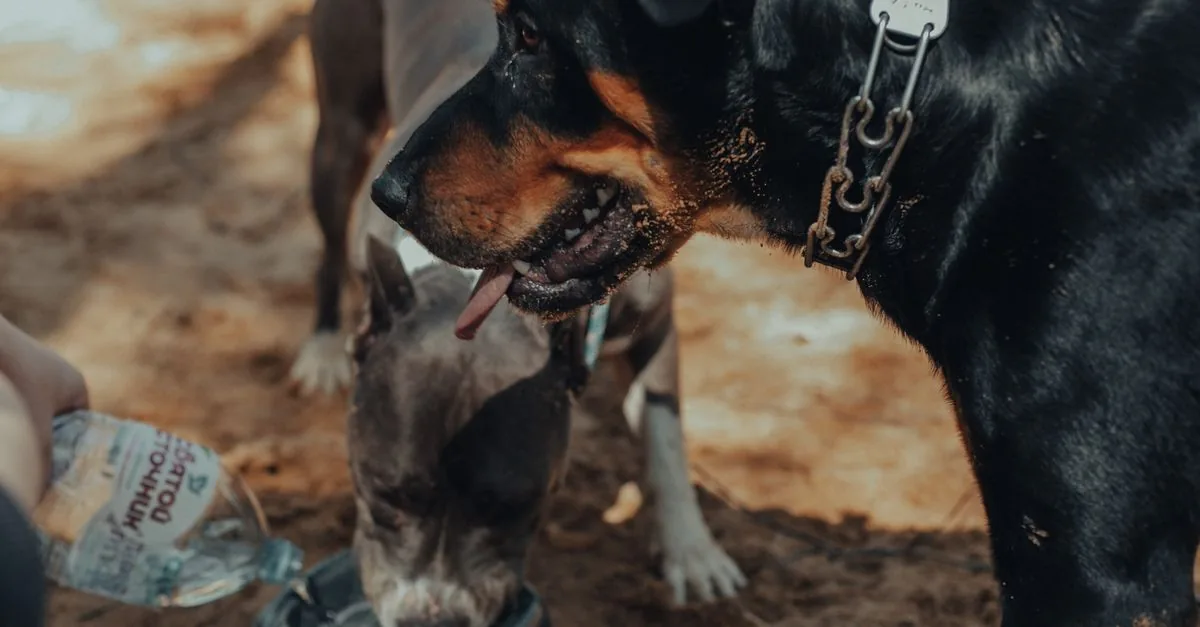
Dogs cool themselves almost entirely by panting, which makes them far more vulnerable to overheating than humans. If your dog shows signs of heatstroke, the key rule is 'cool first, transport second': move them to shade and pour cold water over the whole body (for young, healthy dogs, immersion in a cold bath is even more effective), with a fan to aid evaporation. Arrange the vet trip at the same time. Only avoid ice and ice-cold water for older or frail dogs - for them, pour over any water that is cooler than the dog.
Heat is not just uncomfortable for dogs - it is a genuine health risk that can turn serious in minutes. Dogs do not sweat through their skin the way people do. Almost all their heat dissipation happens through panting, and that mechanism has limits, especially on hot humid days. Understanding those limits - and knowing exactly what to do when a dog starts to overheat - is the difference between a scary afternoon and a tragedy.
Why dogs struggle with heat more than we do
A dog has sweat glands only in the paw pads - a tiny surface area for cooling. Everything else relies on panting: breathing in through the nose, out through the mouth, evaporating moisture from the tongue and airways. It works, but it is far less efficient than human sweating, and when the air itself is hot and humid, it becomes even less effective.
A healthy dog's body temperature sits between about 38 and 39 degrees C (100.5-102.5 F). At 40-41 degrees C the dog is overheating. Above 41-42 degrees C, we are in heatstroke territory - a state that can cause kidney failure, liver damage and brain injury within minutes. That is why speed of response matters more than anything else.
Which dogs are at highest risk?
Some dogs face a steeper hill when the temperature climbs:
| Group | Why the risk is higher |
|---|---|
| Brachycephalic breeds (Bulldog, Pug, French Bulldog) | Shortened airways make panting less efficient |
| Thick double-coated breeds (Chow Chow, Golden Retriever) | Dense coat traps heat |
| Older, overweight or unfit dogs | Reduced cardiovascular and respiratory capacity |
| Puppies | Immature thermoregulation |
| Dogs with heart or lung disease | Limited ability to increase heat dissipation |
Research from the Royal Veterinary College found that Chow Chows face up to 17 times the average risk of heatstroke, while Bulldogs face up to 14 times. If your dog is in one of these groups, talk to your vet before summer activity ramps up.
Signs of overheating and heatstroke
It helps to know the two stages:
Overheating - early warning:
- heavier panting than usual, louder and more laboured
- excessive drooling
- bright red gums and tongue
- reluctance to move, lethargy
- skin hot to the touch
Heatstroke - emergency:
- confusion, disorientation, stumbling
- vomiting or diarrhoea
- muscle tremors or seizures
- pale, white or blue-tinged gums
- collapse or loss of consciousness
Any sign of heatstroke means vet, now - not in an hour, not after you see if it passes.
First aid for an overheating dog - step by step
If you see signs of heat distress, stay calm and act fast.
The single most important rule, stressed by the Royal Veterinary College, is cool first, transport second. Do not lose precious minutes driving to the vet without cooling - start bringing the body temperature down right away, and arrange transport in parallel.
- Move the dog immediately to a cool shaded spot. Indoors with a fan or air conditioning is ideal - moving air speeds cooling significantly.
- Pour cold water over the whole body - this works faster than wetting the paws alone. For a young, healthy dog, briefly immersing them in a cold bath is effective. Focus on the neck, chest, belly and groin, where blood vessels run close to the skin.
- For older, frail dogs or those with heart conditions, avoid ice and ice-cold water. For them, pour over any water that is cooler than the dog and use a fan for evaporative cooling rather than sudden immersion. Never submerge the head of an unconscious dog.
- Offer small sips of cool water to drink. Do not force it. If the dog is confused, vomiting or unresponsive, skip this step and focus on cooling and getting to the vet.
- A wet towel is a last resort, not a first choice. Pouring and immersion cool far more effectively than a towel. If you do use one, replace it often - a warm soggy towel left draped over the back traps heat instead of drawing it away. In the car, drape a cool damp towel lightly and keep air moving.
- Get to a vet even if the dog seems to improve. Heatstroke can cause internal damage - kidney injury, clotting disorders - that is not visible from outside. 'Looks better' is not the same as 'is safe'.
For broader guidance on canine first aid beyond summer emergencies, see our full guide to dog first aid.
How to prevent overheating - the daily basics
Prevention saves everyone a lot of stress.
Time your walks right
In summer, the safe windows are before 9 am and after 7-8 pm. At midday, asphalt in full sun can reach around 65 degrees C - more than enough to cause painful burns to paw pads in a matter of minutes. The simple test: press the back of your hand flat on the pavement for ten seconds. If you cannot keep it there that long, it is too hot for your dog's paws.
We go into detail on choosing routes, timing and surfaces in our guide to walking your dog in hot weather.
Never leave your dog in a parked car
A closed car in sunlight heats fast: in published measurements the interior rose by more than 20 degrees C above the outside temperature, with 80% of that rise happening in the first 30 minutes and the peak reached at around an hour. On a 25 degree C day that is close to 50 degrees C inside, even with windows cracked. This is one of the most common causes of fatal heatstroke in dogs. There is no 'just five minutes' version that is safe.
Keep fresh water available at all times
On any walk over 20-30 minutes in warm weather, bring a collapsible bowl and water. At home, check the bowl regularly - dogs drink more than usual in the heat and a half-empty bowl gets warm fast.
Cooling options for hot days at home
A few things genuinely help:
- Cooling mats (gel-filled or pressure-activated) give the dog a cool surface to choose
- A shallow paddling pool in the garden lets the dog self-regulate
- Tiled or stone floors - far better than carpet at dissipating heat, and dogs know it
When to go to the vet immediately
Go straight to the vet if:
- the dog collapses, loses consciousness or is unresponsive
- there is confusion, stumbling, tremors or seizures
- gums are pale, white, blue or very dark red
- vomiting or diarrhoea does not stop
- there is no improvement after 10-15 minutes of cooling
Do not wait to see if it passes. Even a dog that looks recovered after cooling should be seen by a vet the same day - the internal damage from heatstroke can develop quietly and show up hours later.
Summer is the best season for adventures with your dog - early mornings in the park, evening walks in the city, a splash in a stream. The DOGOUT map has dog-friendly spots flagged by other owners: shaded parks, water points, off-leash meadows. Find the cool corners near you and head out when it matters most.
Sources
- The RVC urges owners of hot dogs to “cool first, transport second” - Royal Veterinary College
- Heat Stroke in Dogs - VCA Animal Hospitals
- Heat Stress From Enclosed Vehicles: Moderate Ambient Temperatures Cause Significant Temperature Rise in Enclosed Vehicles - Pediatrics
- Summer Heat Safety Tips for Dogs - Cornell Riney Canine Health Center
Frequently asked questions
- How do I cool down a dog quickly at home?
- Move the dog to the coolest spot in the house - ideally tiled or stone flooring, away from sunny windows. Run a fan to boost air circulation. Apply cool damp towels to the paws, belly and groin, replacing them regularly. A towel draped over the back can actually trap heat, so keep it light or avoid it. Always make sure fresh cool water is available to drink.
- What are the first signs of a dog overheating?
- Early signs include heavier panting than usual, excessive drooling, fast breathing and a raised heart rate, and reluctance to move. The gums and tongue may look bright red. If you see confusion, vomiting, muscle tremors, pale or bluish gums or collapse - these are emergency signs that need a vet immediately.
- What water temperature should I use to cool a dog with heatstroke?
- Contrary to older 'use tepid water only' advice, current veterinary research (including the Royal Veterinary College) shows that rapid cooling with cold water saves lives and works better. For young, healthy dogs, pouring cold water over the body or briefly immersing them in a cold bath is effective, ideally with a fan to boost evaporation. For older, frail dogs or those with heart conditions, avoid ice and ice-cold water - pour over any water that is cooler than the dog instead. For drinking, offer cool water in small sips and never force it.
- Which dogs are most at risk of heatstroke?
- Brachycephalic breeds with flat faces - Bulldogs, Pugs, French Bulldogs - are at highest risk because their shortened airways make panting less efficient. Dogs with thick double coats, older dogs, overweight dogs, puppies and those with heart or lung conditions are also particularly vulnerable.
- What time of day should I walk my dog in summer?
- Early morning before 9 am and evening after 7-8 pm are the safest windows. At midday, asphalt in full sun can reach around 65 degrees C - hot enough to burn paw pads. Use the ten-second rule: press the back of your hand on the pavement. If you cannot hold it there for ten seconds, it is too hot for your dog.
- When is dog heatstroke a life-threatening emergency?
- Any loss of consciousness, confusion, seizures, pale or blue gums, or vomiting that does not stop is a veterinary emergency. Even if your dog seems to recover quickly after cooling, see a vet the same day - heatstroke can cause delayed kidney damage or clotting problems that are not visible from the outside.