

Dog Shedding in Autumn - When It's Normal and When It Isn't
Autumn coat blow in double-coated dogs (like Shepherds, Huskies, Labradors) is a normal process - the undercoat is replaced with a denser, winter one. The skin underneath stays healthy, and the remaining coat, despite heavy shedding, still looks thick and glossy. What should raise concern is visible thinning, bald patches, irritated skin, or shedding that drags on for months without improving - that's no longer a coat blow, it's a signal to see your vet.
Tumbleweeds of hair on the carpet, fur on your clothes, more work with the brush than usual - autumn coat blow can catch even experienced owners of thick-coated dogs off guard. In most cases, though, it's a perfectly normal seasonal process, not a reason to worry.
Why dogs shed in autumn
Dogs with a double coat - a dense undercoat that insulates against cold plus a topcoat - have a built-in seasonal fur-swap mechanism. In autumn, the lighter summer undercoat gives way to a denser, warmer one that prepares the dog for winter. Breeds most prone to visible, heavy shedding include German Shepherds, Siberian Huskies, Samoyeds, Labrador Retrievers, and Saint Bernards, among others.
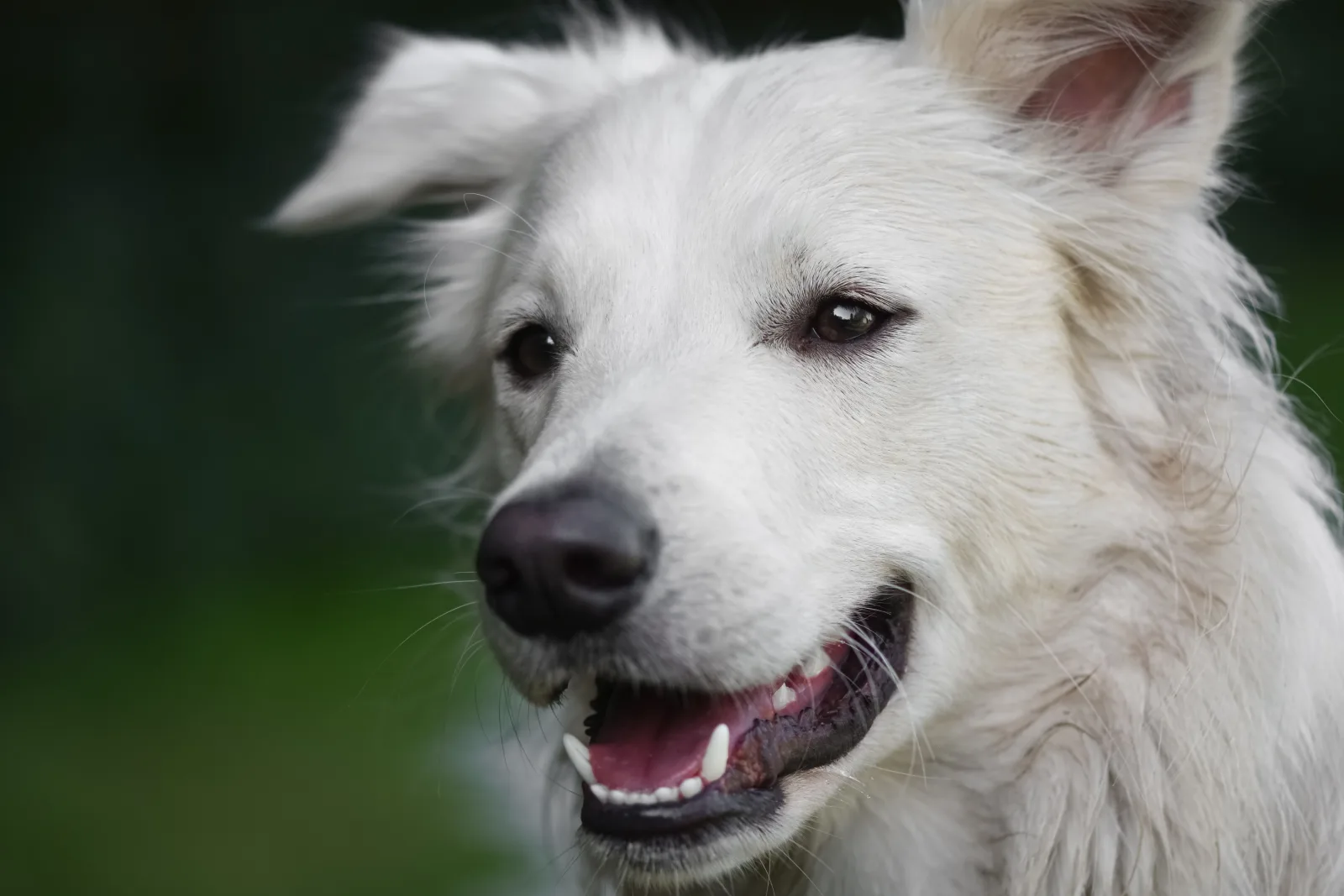
The coat blow itself doesn't hurt and isn't an illness - it's a natural hair growth cycle. What's characteristic is that despite the large amount of hair coming out, what remains still looks thick, healthy and glossy, and the skin underneath is clean, without irritation.
How to tell a normal coat blow from something more
| Feature | Normal coat blow | Warning sign |
|---|---|---|
| Amount of hair shedding | Heavy, but even across the whole body | Concentrated in one area, forms bald patches |
| Look of the remaining coat | Thick, glossy | Thinning, dull |
| Skin underneath | Healthy, no irritation | Reddened, flaky, with lesions |
| Itching | None or minimal | Noticeable, dog scratches or chews at the coat |
| Duration | A few weeks, then back to normal | Drags on for months with no improvement |
If your dog fits the left-hand column, they're most likely just going through a seasonal coat blow. If you're recognizing signs from the right-hand column, it's worth talking to your vet.
How to help your dog through the coat blow
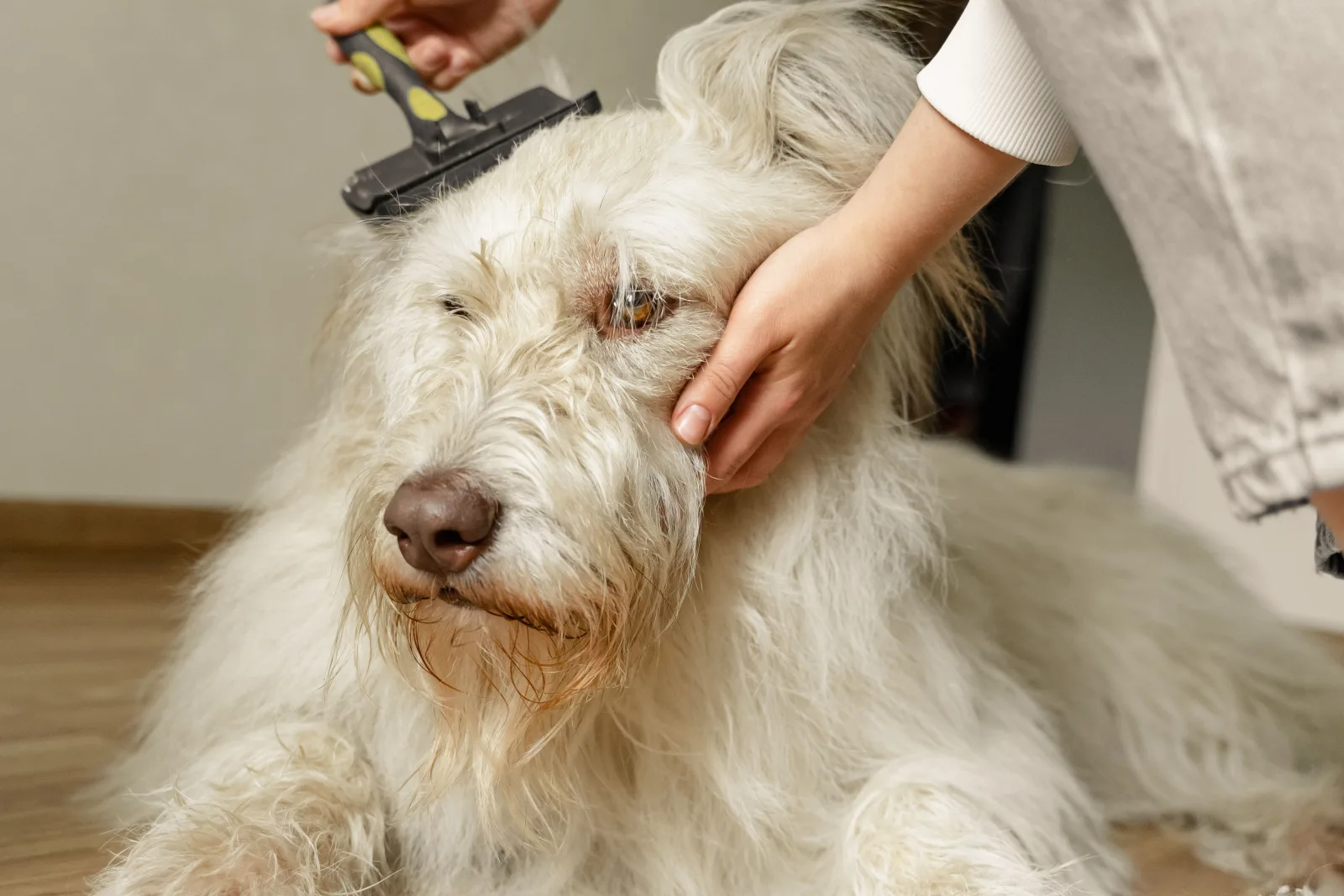
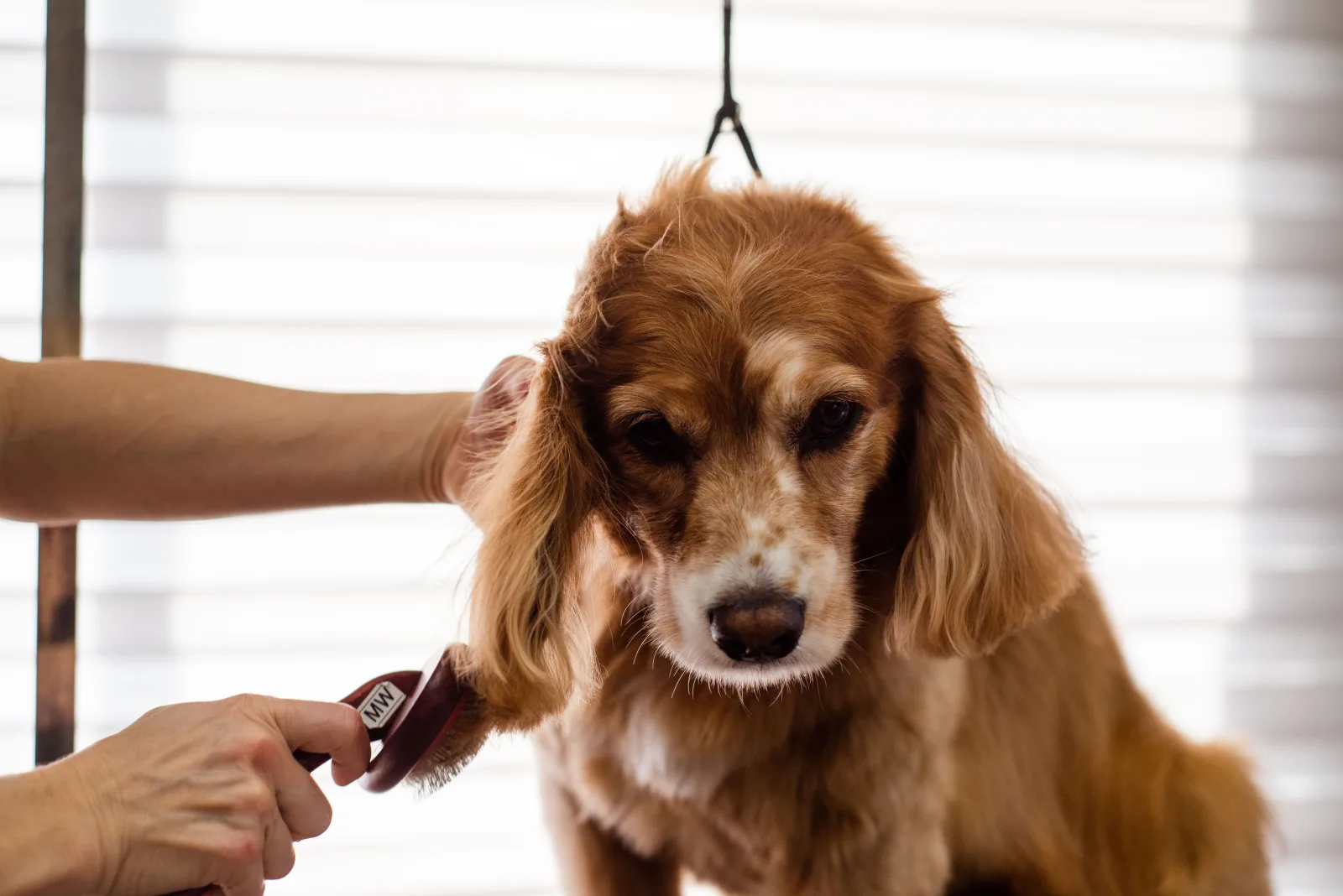
- Brush more than usual. At the peak of the blow, even daily brushing makes sense - you remove dead undercoat before it ends up on the carpet, and stimulate the skin at the same time. An undercoat rake or comb handles this best for thick-coated breeds.
- Don't shave the coat "for convenience." Shaving a double-coated dog doesn't speed up shedding, and can disrupt the natural temperature regulation and the coat's protection against sun and cold.
- Look after the diet. A healthy coat also depends on getting enough fatty acids in the food - if the coat looks dull despite regular brushing, read more in our article on dry skin in dogs.
- Bathe in moderation. One bath with the right shampoo can loosen dead undercoat, but bathing too often dries out the skin and can make things worse.
When it's no longer just a coat blow
Book a vet visit if you notice:
- visible, uneven thinning or bald patches instead of even shedding,
- irritated, reddened or flaky skin under the coat (more on this in our article on dandruff in dogs),
- noticeable itching alongside the shedding,
- no improvement after a few weeks - an autumn coat blow should ease off, not drag on indefinitely.
These signs can point to allergies, skin parasites, a hormonal condition (like hypothyroidism), or nutritional gaps - none of which brushing alone will fix.
It's also worth remembering that a coat blow can overlap with other, season-unrelated skin issues - if you're noticing dandruff or discoloration in the coat at the same time, check out our articles on dandruff in dogs and dog coat discoloration to work out whether these are separate issues or one bigger problem.
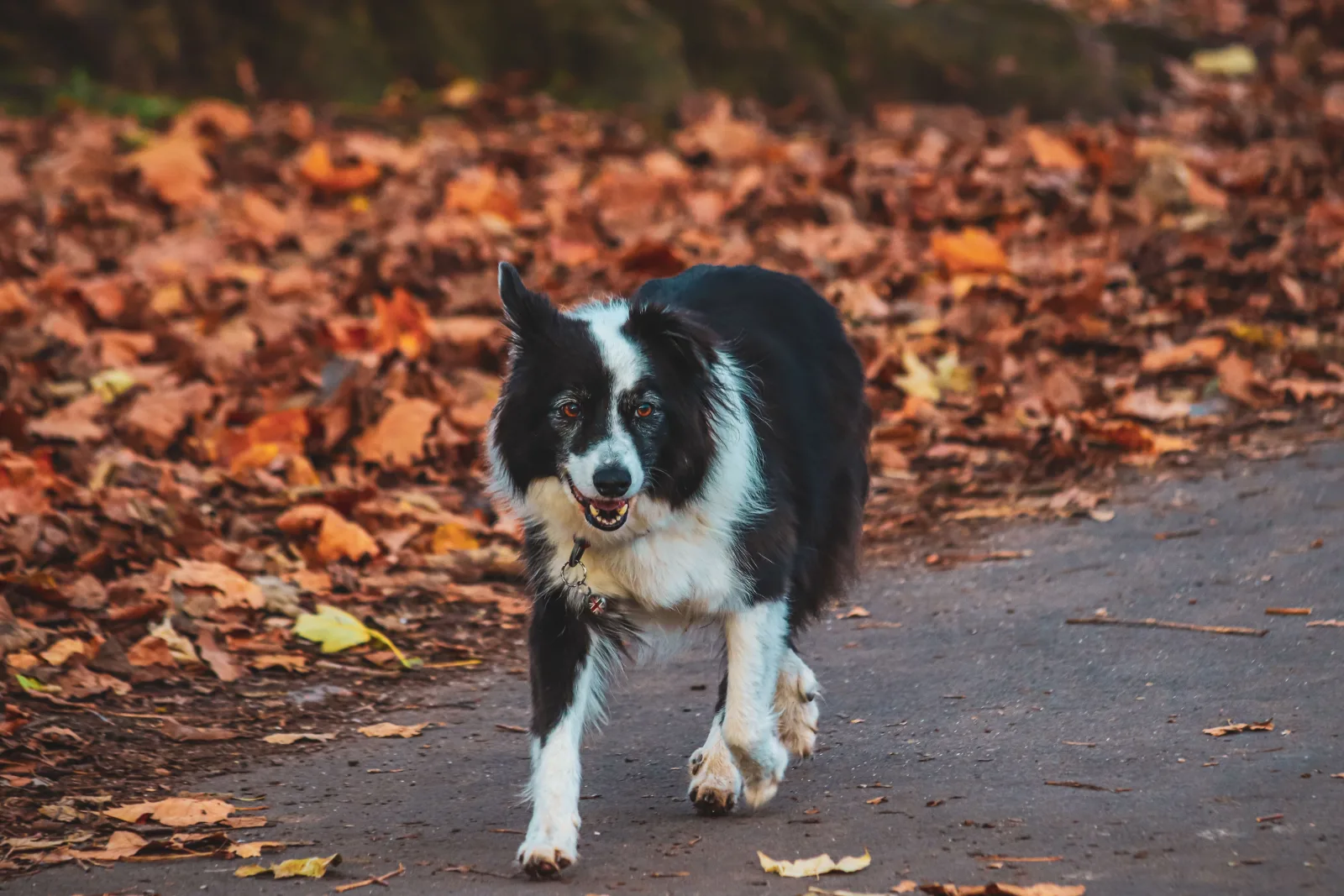
A thick, healthy coat means better insulation on chillier walks. Find autumn routes near you on the DOGOUT map and plan an outing with the pack before the leaves disappear under the first snow.
Sources
Frequently asked questions
- Why does my dog shed so much in autumn?
- It's a natural seasonal coat blow - it mainly affects double-coated dogs (a dense undercoat plus a topcoat), such as German Shepherds, Huskies, Samoyeds, Labrador Retrievers or Saint Bernards. The lighter summer undercoat is replaced with a denser, warmer winter one, which shows up as a large amount of loose hair over several weeks.
- How do I tell a normal coat blow apart from excessive shedding?
- In a normal coat blow, a lot of hair comes out, but the skin underneath stays healthy and the remaining coat still looks thick and glossy despite the shedding. What's concerning is visible thinning, bald patches, irritated or reddened skin, and shedding that doesn't ease off after a few weeks.
- How can I help my dog through the autumn coat blow?
- The most effective thing is brushing more often than usual - it removes dead undercoat before it ends up on the carpet or sofa and improves circulation in the skin. Double-coated breeds are worth brushing every few days at the peak of the blow, ideally with an undercoat comb or rake.
- Does bathing help during a coat blow?
- In moderation - one bath with the right shampoo can help loosen dead undercoat, but bathing too often dries out the skin and can make coat condition worse. Regular brushing is the better everyday option compared to frequent baths.
- When does dog shedding need a vet visit?
- When you see bald patches, uneven thinning, irritated or reddened skin under the coat, itching alongside the shedding, or the coat doesn't return to its normal thickness once the shedding season ends. These can be signs of allergies, parasites, a hormonal condition, or dietary gaps.