Heart Disease in Dogs - Symptoms, Causes and What You Can Do

Heart disease in dogs often develops over years before it shows clear signs. The most common signals are coughing (especially at night and after exercise), tiring quickly, breathlessness, reduced appetite, and in advanced cases fainting and a swollen belly. The most frequent conditions are mitral valve disease in small breeds and dilated cardiomyopathy in large ones. A vet makes the diagnosis based on listening to the heart, an echocardiogram and further tests - and early detection genuinely extends and improves a dog's life.
A dog's heart works without pause for its entire life, and when it starts to fail it usually does so quietly - slowly and without drama. That's exactly why heart disease in dogs is often caught late, when an owner mistakes the first signs for simple ageing. Below we explain what to watch for, where heart problems come from, and when you need to act immediately.
How a dog's heart works and what goes wrong
A dog's heart, like ours, is a pump pushing blood around the whole body. Heart conditions fall broadly into congenital (present from birth) and acquired (developing with age). The vast majority of cases in adult dogs are acquired.
The two dominant groups are:
- Mitral valve disease - the valve between the left chambers of the heart stops sealing properly, so some blood flows backwards. This is the most common heart condition in small breeds.
- Dilated cardiomyopathy (DCM) - the heart muscle weakens and stretches, so the heart pumps less efficiently. It mainly affects large and giant breeds.
When the heart can't keep up, failure sets in - fluid begins to build in the lungs or abdomen and visible symptoms appear.
Symptoms of heart disease in dogs
Symptoms build gradually and are easy to miss. The table below helps link a signal to its possible meaning.
| Symptom | What it may mean |
|---|---|
| Coughing, especially at night and after exercise | Fluid in the lungs, an enlarged heart pressing on the windpipe |
| Tiring quickly, stopping on walks | Falling heart efficiency |
| Breathlessness, raised breathing rate at rest | An early sign of failure, needs urgent checking |
| Fainting, collapse | Rhythm disturbance, insufficient blood flow |
| Loss of appetite, weight loss | Advanced failure |
| Enlarged, "sagging" belly | Fluid building in the abdomen |
| Pale or bluish gums | Serious lack of oxygen - an emergency |
Important: your dog's resting breathing rate (ideally while asleep) is a simple home indicator. A healthy dog takes 15 to 30 breaths per minute while resting or asleep. Anything consistently above 30 is considered abnormal - and what matters most is the rise against your own dog's baseline, so it is worth logging the number regularly.
When to see a vet urgently
Some signs mean there's no time to wait. Get to a vet immediately if your dog:
- has clear breathing difficulty, laboured breathing with an open mouth, and can't settle,
- has pale, bluish or grey gums,
- has fainted or collapsed for no reason,
- coughs up frothy or pink fluid,
- has a suddenly raised resting breathing rate - consistently above 30 per minute and climbing.
These are potentially life-threatening states. In such cases it's better to go to an emergency clinic than to wait until morning. This article doesn't replace an examination - it's here so you know when to react.
Causes and risk factors
Heart disease usually comes from several overlapping factors:
- Age - most acquired conditions affect older dogs.
- Breed and genetics - clear predispositions exist, for example in the Cavalier King Charles Spaniel (valve) and the Doberman and Great Dane (DCM).
- Excess weight - extra kilos put a strain on the heart. There's more in our guide to obesity in dogs.
- Concurrent illness - tick-borne diseases or high blood pressure, for instance, can strain the heart secondarily.
- Diet - in some cases DCM has been linked to nutrient deficiencies, so it's worth discussing feeding with your vet.
Diagnosis - what the vet does
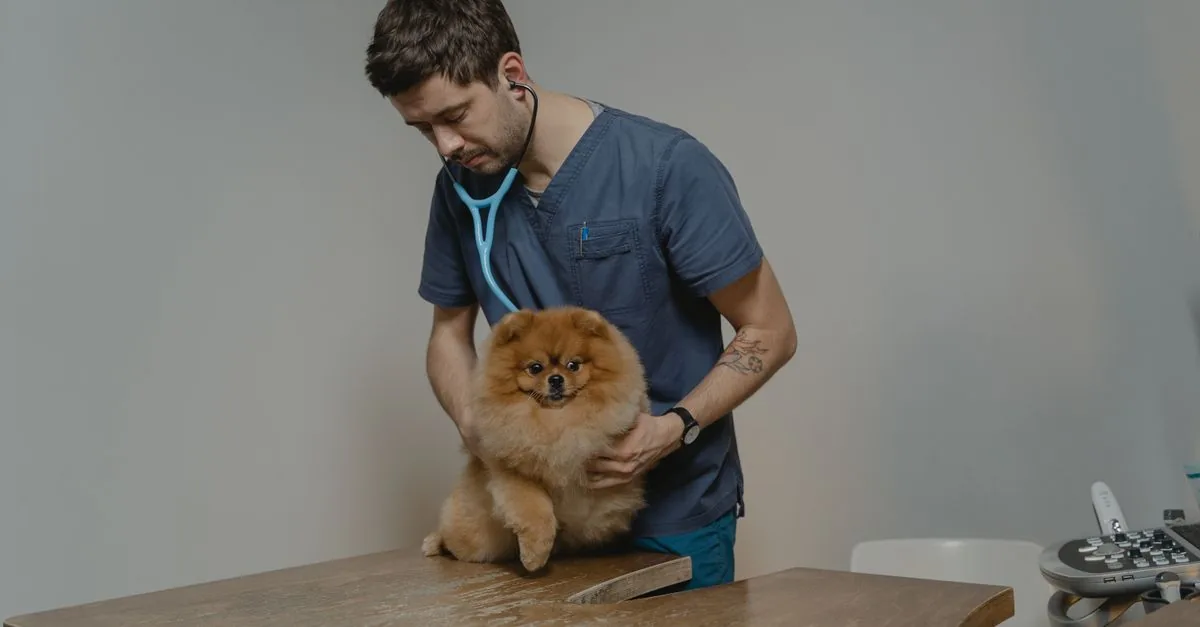
Diagnosis starts with a careful history and listening to the heart. A heart murmur heard through a stethoscope is a common first signal, but on its own it doesn't tell the whole story. To assess the heart, a vet may order:
- Echocardiogram (ultrasound) - the key test, showing the structure and function of the heart and valves.
- Chest X-ray - to assess heart size and fluid in the lungs.
- ECG - to detect rhythm disturbances.
- Blood pressure and blood tests - including markers of heart strain.
Based on the results, the vet stages the disease and tailors treatment. It's worth asking for a referral to a veterinary cardiologist if the picture is complex.
Treatment and daily care
Most chronic heart conditions can't be reversed, but modern treatment can significantly extend and improve a dog's life. Therapy relies on medication prescribed by a vet (never use any on your own or change doses), and beyond that on daily habits:
- Weight control - a lean dog is less of a burden on the heart.
- Moderate, regular exercise - matched to the dog's condition, without sudden bursts or overheating.
- Monitoring resting breathing - a simple home indicator of decline.
- Regular check-ups - heart disease progresses, so the plan needs updating over time.
- Avoiding stress and heat - warmth further strains the circulation.
Living with a dog with heart disease
A heart diagnosis sounds frightening, but for many dogs it means more good years with the right management. The most important thing is to stick to the vet's plan, watch your dog and respond to changes rather than dismissing them. Note the resting breathing rate, keep an eye on weight and don't drop exercise - just adjust its intensity.
Calm, regular walks are better for such a dog than occasional, strenuous outings. In the DOGOUT app you can find shorter, quiet routes and shaded spots nearby, so you can match activity to your dog's heart. And if you want to understand how age affects health, see our guide on how long dogs live.
Sources
Frequently asked questions
- What are the first signs of heart disease in a dog?
- The earliest signals are usually a drop in fitness: the dog tires faster, stops on walks, plays less. Later comes coughing (often at night or after exercise), breathlessness and a raised breathing rate at rest. These signs are easily mistaken for ageing, which is why they're worth discussing with a vet.
- Does coughing in a dog always mean heart disease?
- No. A cough can come from a respiratory infection, kennel cough, allergies or a collapsing trachea. A heart cough is distinctive, though - it often worsens at night and after exercise and comes with breathlessness. Telling them apart needs a veterinary exam, including listening to the chest and a chest X-ray.
- How long can a dog live with heart disease?
- It depends on the condition, its stage and when it's diagnosed. Many dogs with early-detected valve disease live for years more with the right treatment and monitoring. Regular cardiac check-ups and giving the medication your vet prescribes consistently are key.
- Can heart disease in dogs be cured?
- Most chronic heart conditions can't be reversed, but they can be effectively managed and their progression slowed. Treatment aims to ease the load on the heart, control the symptoms and maintain good quality of life. The plan is always set by a vet, often working with a cardiologist.
- Which breeds are most at risk of heart disease?
- Mitral valve disease more often affects small breeds such as the Cavalier King Charles Spaniel, dachshund and poodle. Dilated cardiomyopathy mainly affects large and giant breeds like the Great Dane, Doberman and Boxer. A breed predisposition is a reason to check the heart regularly.
- Can a dog with heart disease still exercise?
- Yes, gentle, moderate exercise is usually recommended, but the level of activity must be set by a vet depending on the stage of the disease. Sudden exertion, overheating and overload are avoided. Regular, shorter walks are usually better than rare, strenuous outings.