

Cavalier King Charles Spaniel - Temperament, Needs and Health
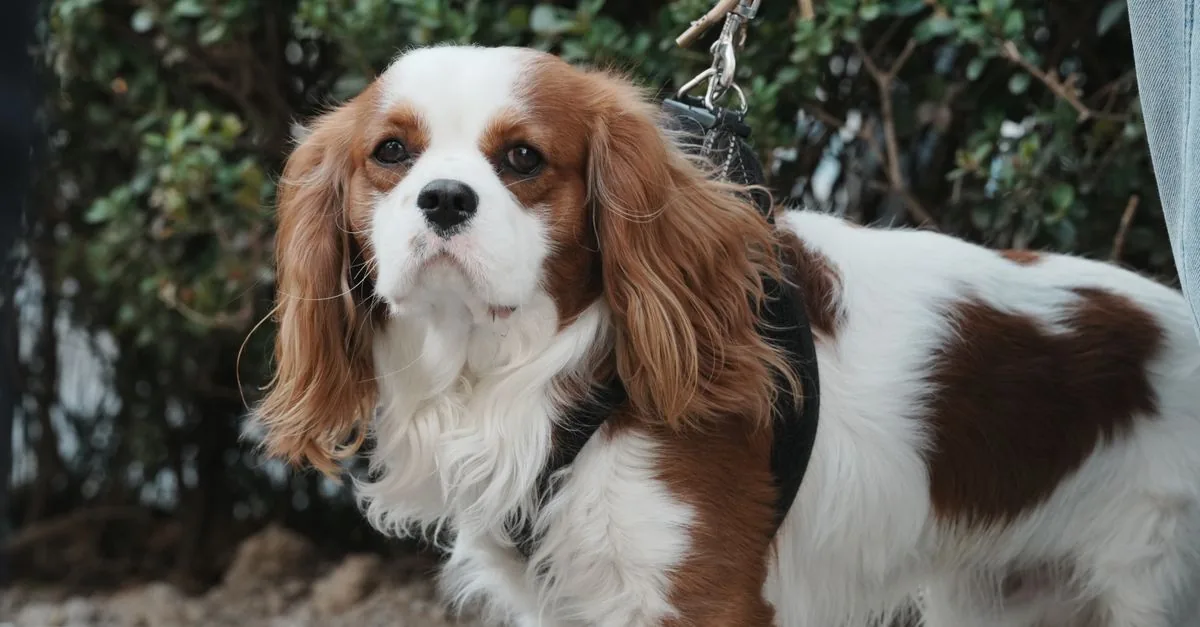
The Cavalier King Charles Spaniel is a gentle, friendly, deeply people-oriented family dog. It's sociable with people, children, and other animals, easy-going and eager to please. It needs moderate exercise but above all closeness - it copes badly with long spells alone. It's a breed burdened with serious health problems, especially of the heart, so choosing a responsible breeder and keeping up regular veterinary care are essential.
Large, warm eyes, a silky coat, and a temperament that melts hearts - the Cavalier King Charles Spaniel is one of the best-loved companion dogs in the world. It's a dog built for one thing: being close to people. But before you're won over by its charm, you need to know not only its wonderful character but also the hard truth about the breed's health.
Where the Cavalier King Charles Spaniel comes from
The breed descends from the small court spaniels beloved by European aristocracy, familiar from portraits centuries old. The name references King Charles II, a great enthusiast of these dogs. The modern Cavalier King Charles Spaniel was recreated in the 20th century as a slightly larger, sportier version with a longer muzzle.
That heritage explains its nature. The Cavalier was never a working dog bred for independent tasks - it was bred as a companion whose only job was to keep people company. Hence its deep need for closeness and its dislike of being alone.
Key personality traits
Gentleness is the breed's signature. A Cavalier is rarely aggressive or nervous - it's a soft, friendly dog that approaches the world with trust.
A huge attachment to people makes it a devoted companion, but it can also underpin separation anxiety. A Cavalier wants to be where you are - at the desk, on the sofa, in bed.
Sociability extends to people, children, and other animals. Cavaliers usually get on well with other dogs and often accept cats.
Willingness to cooperate makes them easy to train, especially with reward-based methods. This is a dog that wants to please.
| Trait | Description |
|---|---|
| Friendliness to people | Very high - gentle, trusting, rarely aggressive |
| Friendliness to other dogs | High - usually conflict-free |
| Energy level | Moderate - enjoys movement but also company on the sofa |
| Trainability | High - eager to cooperate, sensitive to tone |
| Tolerance of being alone | Low - strong attachment, risk of separation anxiety |
| Tendency to bark | Low to moderate - generally quiet |
| Health monitoring | Very important - a genetically burdened breed |
How much exercise does a Cavalier need?
The Cavalier has moderate exercise needs - around an hour of activity a day, split between walks and play, is usually enough. It happily explores, sniffs, and runs, but can just as easily spend the evening curled up beside its owner.
That flexibility comes with one important condition, though: the state of the heart. In dogs with diagnosed heart disease, or in older Cavaliers, exercise intensity should follow the vet's advice. The point isn't to deprive the dog of movement but to avoid overloading a weakened heart. A healthy young Cavalier can be surprisingly energetic and will happily join a longer hike.
Health - the hardest truth about the breed
Here we have to be honest, because this is the most important part of any conversation about Cavaliers. It's a beautiful dog with a wonderful character, but also one of the breeds most burdened with health problems. The most common include:
- degenerative mitral valve disease (MVD) - the breed's most serious problem; a progressive heart condition that affects a very large proportion of Cavaliers, often by middle age,
- syringomyelia - a neurological condition linked to skull shape, causing pain and hypersensitivity,
- eye problems, including cataracts and dry eye,
- slipping kneecap and joint problems,
- ear problems typical of drop-eared breeds.
For more on the signs and course of heart problems, see our guide to heart disease in dogs. This matters: the list above isn't a tool for self-diagnosis but a reason to choose a responsible breeder (one who screens the parents' hearts and other conditions) and keep up regular vet checks. Discuss any worrying sign - a cough, tiring easily, fainting, scratching at the head and neck - with a vet without delay.
Who a Cavalier suits, and who it doesn't
At DOGOUT we value mixed breeds and pedigrees alike - no breed is better, each is different. The Cavalier has a clear profile.
A Cavalier suits you if:
- you want a gentle, friendly companion dog close to the family,
- you have time for the dog to be with you most of the day,
- you accept moderate exercise and regular coat care,
- you're ready for a responsible breeder choice and attention to health.
A Cavalier may be a poor choice if:
- you're out all day and the dog would often be left alone,
- you want a guard dog or a very hardy sporting dog,
- you're not ready for the potential cost of treating breed diseases,
- you want a fully independent dog that "looks after itself".
Raising and everyday life
In terms of temperament, the Cavalier is a forgiving breed - gentle, willing, and sensitive to tone of voice, so it responds well to calm, reward-based training. Raising your voice or using harsh methods is genuinely counterproductive, because this is an emotionally sensitive dog.
The most important work is around getting used to being alone. Given its strong attachment, it's worth teaching a Cavalier from puppyhood to stay calmly on its own for short, then longer, spells - otherwise separation anxiety is easy to trigger. The Cavalier is also a dog that thrives in the company of other dogs; regular, calm meetings do it good. In the DOGOUT app you'll find dog-friendly spots nearby and other owners, so your Cavalier can build positive relationships at a safe pace.
The Cavalier King Charles Spaniel offers unconditional closeness and warmth like few other breeds. In return it asks for your time, your presence, and conscious attention to its health. Approach that with open eyes and you'll gain one of the most affectionate companions imaginable.
Frequently asked questions
- Is the Cavalier King Charles Spaniel good with children?
- Yes, it's one of the gentler and more patient companion breeds and gets on well with children. As always, supervision and teaching children to respect the dog are needed. Cavaliers are delicately built, though, so rough play isn't advisable.
- How much exercise does a Cavalier need?
- A Cavalier needs moderate exercise - usually around an hour of activity a day, split between walks and play. They enjoy moving but can also be couch companions. Because of the breed's tendency to heart problems, exercise intensity in older or affected dogs should follow the vet's advice.
- Can a Cavalier be left home alone?
- Reluctantly. This is a breed that bonds intensely with people and copes badly with long spells alone - Cavaliers often develop separation anxiety. They can be taught to stay alone for a few hours, but it takes gradual training, and this isn't a dog for someone out all day.
- What health problems do Cavalier King Charles Spaniels have?
- Sadly, the breed carries a heavy genetic burden. The most serious problem is degenerative mitral valve heart disease; syringomyelia (a neurological condition), eye problems, and kneecap issues are also common. Choosing a breeder who screens the parents and keeping up regular vet checks are crucial.
- Do Cavaliers bark a lot?
- Cavaliers are among the quieter breeds and aren't habitual barkers. They may bark at the doorbell or a stranger, but rarely without a reason. Excessive barking in a Cavalier usually stems from boredom or separation anxiety rather than the breed's nature.
- Is a Cavalier a good dog for a first-time owner?
- Yes, in terms of temperament the Cavalier is gentle, cooperative, and forgiving of mistakes, so it suits beginners well. The challenge here isn't training but health - a prospective owner must understand the disease risks and be ready for regular, sometimes costly, veterinary care.