Chihuahua Temperament - Personality, Traits and What the Breed Actually Needs
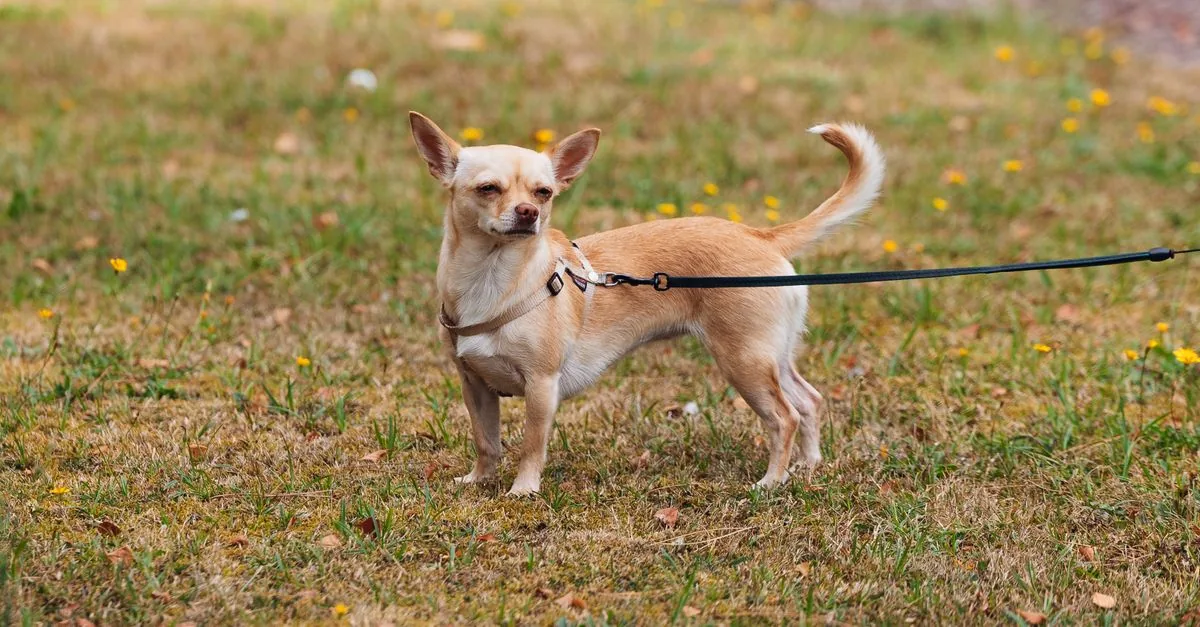
Chihuahuas are tiny dogs with enormous personalities - confident, fearless, and deeply bonded to their owner. They typically weigh up to 3 kg and live 14-16 years, making them one of the longest-lived breeds. Despite their small size, they need daily exercise, consistent training, and early socialization. Without these, they can become yappy, territorial, and wary of strangers.
You cannot ignore a Chihuahua - even one that weighs under a kilogram. Confident, vocal, and attached to their person like a shadow, this breed packs a remarkable amount of personality into a remarkably small body. Before you decide to bring one home, here is what you actually need to know.
Where does the Chihuahua come from?
The Chihuahua is the world's smallest dog breed and one of the oldest recognized by the American Kennel Club (AKC). Its roots trace back to ancient Mexico, where it is believed to descend from the Techichi - a small dog bred by the Toltec people as early as the 9th century CE. The Aztecs later kept the breed and attributed spiritual and ritual significance to it. The modern Chihuahua was rediscovered by Western travellers in the 19th century in the Mexican state of Chihuahua, which gave the breed its name.
Key personality traits
The Chihuahua is one of the most distinctive canine personalities you will ever meet - all the more striking given its tiny frame.
| Trait | How it shows up |
|---|---|
| Boldness | No sense of its own size - will stand its ground against much larger dogs |
| Loyalty | Forms an intense bond with one person or a small group; classic "one-person dog" |
| Alertness | An excellent watchdog - barks at every unfamiliar sound or person |
| Intelligence | Learns quickly but has a strong will - responds to motivation, not force |
| Sensitivity | Reacts strongly to stress, change, and the owner's mood |
| Need for company | Dislikes being alone - needs closeness and human contact to feel secure |
This dog is not a decorative accessory. A Chihuahua wants to be involved in everything you do - and usually manages to be.
Small dog syndrome - myth or reality?
Many of the behavioural problems seen in Chihuahuas stem not from the breed itself but from how small dogs are often treated. Owners tend to be more indulgent with tiny dogs - letting things slide that would not be tolerated in a large breed, carrying them instead of letting them walk, and skipping consistent training.
The result is a dog without clear rules: one that barks, nips, or lunges on the lead - and has no idea why that is suddenly a problem. A Chihuahua needs the same consistency as any large breed. Small size does not excuse the dog or the owner from basic structure.
The good news is that Chihuahuas are intelligent and learn quickly. Positive reinforcement, short training sessions, and early socialization make an enormous difference.
Chihuahuas with other dogs and people
Without early socialization, a Chihuahua can be wary of strangers - both human and canine - reacting with barking, flight, or anxious over-excitement. This is typical of breeds that bond strongly to their inner circle and treat the wider world as a potential threat.
What actually helps:
- Start socialization early. The puppy socialization window closes around 14 weeks of age. Calm, positive encounters with different people and dogs during this period build the foundation for a well-adjusted adult.
- Let the dog walk, not be carried. Ground-level exploration is where natural, neutral dog-to-dog communication happens. A dog permanently held in arms misses this entirely.
- Supervise first meetings with large dogs. A Chihuahua has no fear - but a large dog can accidentally injure one during boisterous play.
If your Chihuahua shows strong fear or aggression toward strangers or other dogs, consulting a certified behaviourist is the right step. The earlier, the better.
How much exercise does a Chihuahua need?
Many owners assume a small dog needs very little exercise. That is a mistake. An adult Chihuahua needs 30-60 minutes of activity per day, ideally across two walks. They enjoy walking, sniffing, and exploring - and they need the opportunity to do so.
Too little exercise leads to boredom, excessive barking, and general restlessness. A Chihuahua cooped up in a flat without outings becomes anxious - and loud.
Practical tips for walks:
- Let it walk. Carrying a Chihuahua robs it of the sniffing and exploration that are essential for mental stimulation.
- Walks are not just toilet trips. Give your dog time to stop, sniff, and take in the environment.
- Adjust for cold weather. Chihuahuas - especially the smooth-coated variety - are sensitive to low temperatures due to their small body mass. A dog coat in winter is a practical necessity, not an affectation.
Chihuahuas in a flat - a genuinely good match
The Chihuahua is one of the best breeds for flat living. It does not need a garden, and the square meterage of a home matters far less than the quality of daily walks and time spent with its owner.
One thing to watch: Chihuahuas dislike being left alone. Several hours in an empty flat causes real stress - expressed as barking, destructive behaviour, or separation anxiety. If you spend long hours away from home, make sure your Chihuahua is not left alone for extended periods without human contact.
How long does a Chihuahua live?
The Chihuahua is one of the longest-lived dog breeds. The average lifespan is 14-16 years, and some individuals reach 20 years with proper care. For a broader look at what influences a dog's lifespan, see how long dogs live.
Is a Chihuahua the right dog for you?
A Chihuahua is a great match for someone who wants a genuine companion - a dog that is truly present and involved in daily life, not just a fixture. It takes time, consistency, and patience, particularly in the first months. What you get back is a level of loyalty and attachment that few breeds can match.
Ready to take your Chihuahua out and find dog-friendly spots nearby? The DOGOUT map shows off-lead areas, parks, and places tagged by other owners in your city. You can also see who else is walking in your area and set up a walk with a dog that matches your Chihuahua's energy.
Frequently asked questions
- Are Chihuahuas aggressive?
- Chihuahuas are not naturally aggressive. They can be territorial and protective of their owner, and without proper socialization they may react to strangers with barking or anxiety. Aggression in Chihuahuas is almost always a result of poor upbringing, not a breed-specific trait.
- Are Chihuahuas good with children?
- Chihuahuas can live well with children, but supervision is essential. Their small, fragile frame and strong personality make them better suited to families with older, calmer children who know how to handle a small dog with care and respect.
- How much exercise does a Chihuahua need?
- An adult Chihuahua needs 30-60 minutes of activity per day, ideally split into two walks. Despite their size, they enjoy walking and exploring. Too little exercise leads to boredom, excessive barking, and restlessness.
- Can a Chihuahua live in a flat?
- Yes - Chihuahuas are one of the breeds best suited to flat living. They don't need a garden, and the size of the home matters less than daily walks and quality time with their owner. Left alone for long hours, they become noisy and anxious.
- Why do Chihuahuas bark so much?
- Chihuahuas are naturally alert and territorial - barking is their primary way of communicating and guarding. Small dog syndrome (being over-indulged without clear rules) makes this worse. Consistent training and early socialization significantly reduce excessive barking.
- How long do Chihuahuas live?
- Chihuahuas typically live 14-16 years, with some individuals reaching 20 years with good care. They are among the longest-lived dog breeds in the world.