Dachshund Temperament - What Makes Doxies Tick
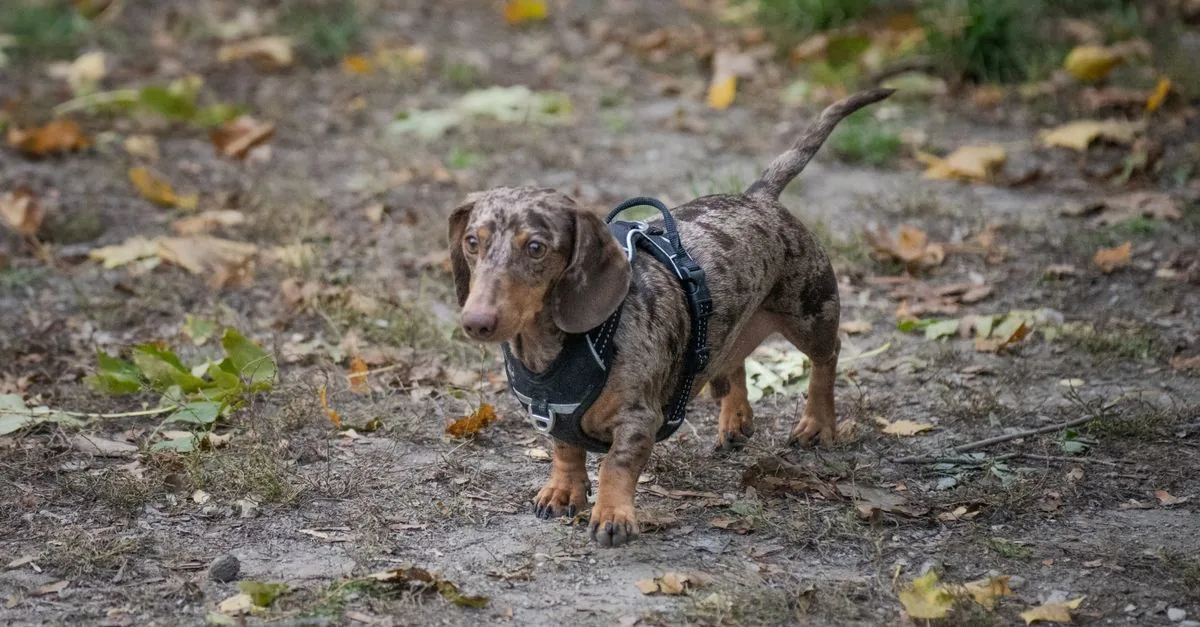
Dachshunds are brave, loyal, and famously stubborn - traits that come directly from their hunting history. Bred to track and flush animals from burrows independently, they think for themselves and rarely give up on a goal. They are deeply devoted to their owners, bark frequently, and carry a strong prey drive. A dachshund is a big personality in a small body and needs consistent handling from day one.
The dachshund looks like a breed invented for a punchline - but behind that disproportionate silhouette is courage, determination, and a personality that puts many larger dogs to shame. Understanding where that character comes from will save you a lot of surprises.
Where does the dachshund temperament come from?
The dachshund - "Dachs" meaning badger, "Hund" meaning dog - was developed in Germany for one very specific purpose: entering burrows and flushing out prey, primarily badgers, foxes, and rabbits. That job demanded fearlessness bordering on recklessness, relentless persistence, and the ability to make independent decisions without waiting for instructions from above ground. Those instincts are not going anywhere - they are the core of what makes a dachshund a dachshund.
Core dachshund personality traits
Dachshunds are often described by the UK Breed Standard as "faithful, versatile, and good-tempered" as well as "intelligent, lively, courageous to the point of rashness, obedient." In practice, those traits show up like this:
| Trait | How it shows up |
|---|---|
| Stubbornness | Once a dachshund sets a goal, it rarely backs down |
| Loyalty | Deep bond with their owner - often especially close with one person |
| Courage | Will confidently challenge dogs many times their size |
| Hunting instinct | Strong drive to track, dig, and chase moving objects |
| Intelligence | Learns rules quickly - and quickly looks for workarounds |
| Vocality | Loud, frequent barking in response to any stimulus |
Dachshunds are not people-pleasers in the way a Labrador might be. They have opinions and they express them. If a training session feels pointless or dull, a dachshund will simply walk off - with full dignity.
Do coat types affect temperament?
Dachshunds come in three coat varieties - smooth, long-haired, and wire-haired - across three sizes: standard, miniature, and rabbit. Breeders and owners widely observe that coat type correlates with some temperament differences:
- Smooth-haired - the most "classic" dachshund: most independent, stubborn, and prey-driven. Hunting instincts at their strongest.
- Long-haired - calmer and gentler, likely due to spaniel influence in the breed's history. More open to strangers and new dogs.
- Wire-haired - the most energetic and clown-like of the three, with a terrier streak that makes them mischievous and full of comic energy.
These are tendencies, not rules. Individual variation always outweighs coat-type averages.
Dachshunds with other dogs and people
A well-socialised dachshund is sociable and affectionate. Without early socialisation, they can become wary of strangers or overly territorial. With their own family they are devoted and physically affectionate - many owners describe them as "velcro dogs." With strangers they tend to be reserved at first, and with other dogs they generally manage well given positive early experience. The prey drive means cats and small pets may become targets - worth considering before adoption.
Barking - the honest truth
Dachshunds bark. A lot. Their voice is disproportionately loud for their size, which is exactly what centuries of hunting work selected for.
Common barking triggers include:
- strangers at the door
- passing cyclists or cars
- other dogs, especially larger ones
- sounds from outside
- boredom and the need for attention
Barking can be managed with consistent training from puppyhood, good socialisation, and sufficient daily exercise. A well-exercised dachshund with enough mental stimulation has far less need to fill the day with noise. A bored one does not.
Early socialisation is the single best tool for reducing reactive barking in the long run.
The spine - something you cannot ignore
The dachshund's long spine and short legs create a structural vulnerability that every owner must understand. The breed is one of the most susceptible to Intervertebral Disc Disease (IVDD) - a condition where spinal discs degenerate, bulge, or rupture, pressing on the spinal cord. Estimates suggest that up to 1 in 4 dachshunds will experience a disc episode during their lifetime.
IVDD ranges from painful stiffness to paralysis in severe cases.
Practical prevention:
- Keep your dachshund at a healthy weight - excess weight puts direct strain on the spine
- Use a harness rather than a collar - collars put pressure on the neck and upper spine when the dog pulls
- Provide ramps or steps to sofas and beds - repeated jumping down is one of the most common triggers
- Stick to moderate, steady exercise - avoid activities with sudden bursts of speed and hard landings
Regular walks that build back muscle strength are actually protective, not risky. The danger is in the impact, not the movement.
How much exercise does a dachshund need?
Despite their small size, dachshunds have genuine exercise needs. A standard adult needs around one hour of activity per day across two walks. A miniature dachshund does well on 30-45 minutes.
What dachshunds love:
- walks with plenty of sniffing time
- scent games (hiding treats to search for)
- exploring new routes and environments
- socialising with familiar dogs
Too little exercise leads to weight gain - which directly increases spinal risk - and to boredom-driven behaviour problems. The right amount makes the dachshund a calmer, more manageable companion indoors.
For ideas on how to get more out of your daily walks, take a look at how to make dog walks better.
Training a dachshund - keep it short and rewarding
Dachshunds are smart. The problem is they use that intelligence on their own terms. Traditional repetition-and-pressure approaches produce nothing but a dachshund lying down and refusing to engage. What works is positive reinforcement - high-value treats, play, praise - delivered in short five-to-ten-minute sessions with full consistency from everyone in the household. The dachshund almost certainly understood the command. It is just deciding whether compliance is worth its while.
Is a dachshund right for you?
A dachshund is a good fit for someone who can combine genuine warmth with calm consistency - someone who finds the stubbornness amusing rather than infuriating, and who is committed to daily exercise and time together. It is not a low-maintenance choice.
Given the right environment, a dachshund is one of the most entertaining, loyal, and characterful dogs you can share your life with. Outside - on a walk, exploring a new park, nose buried in the undergrowth - it is completely in its element.
Ready to find dog-friendly spots where your dachshund can sniff to its heart's content? Open the DOGOUT map to discover parks, off-lead areas, and places tagged by local dog owners. You might even find a walking buddy with a similarly spirited dog nearby.
Frequently asked questions
- Are dachshunds stubborn?
- Yes - stubbornness is one of the most defining dachshund traits. They were bred to work underground without direct human commands, making independent decisions on their own. That self-reliant mindset is very much alive today. Dachshunds are not untrainable - they just need short sessions, clear consistency, and high-value motivation like food rewards.
- Do dachshunds bark a lot?
- Yes, dachshunds are known for frequent barking. As hunting dogs they were bred to loudly signal prey to the hunter, and that instinct is still strong. They bark at strangers, sounds, passing cyclists, and other dogs. Early socialisation and consistent training can bring barking to a manageable level, but it will never disappear entirely.
- Are dachshunds good apartment dogs?
- Yes, dachshunds can thrive in an apartment as long as they get enough exercise and mental stimulation. Miniature dachshunds need at least 30 minutes of activity a day; standards need closer to an hour. Without enough outlets for their energy, boredom leads to furniture chewing and excessive barking.
- Are dachshunds good with children?
- Dachshunds can be great family dogs when well socialised. However, their long spines are vulnerable to accidental drops or rough handling, so interactions with small children should always be supervised. Teach children to handle the dog gently and never pick it up unsupported.
- How much exercise does a dachshund need?
- A standard adult dachshund needs around one hour of exercise daily across two walks. A miniature dachshund needs at least 30-45 minutes. Regular moderate exercise strengthens the back muscles, helps maintain a healthy weight, and reduces the risk of spinal problems.
- Are dachshunds prone to back problems?
- Yes. Dachshunds are among the breeds most susceptible to Intervertebral Disc Disease (IVDD). Estimates suggest up to 1 in 4 dachshunds will experience a disc episode during their lifetime. Prevention includes keeping the dog at a healthy weight, using a harness instead of a collar, providing ramps to furniture, and avoiding high-impact jumping.