Dog Afraid of Storms - How to Help and Reduce the Fear
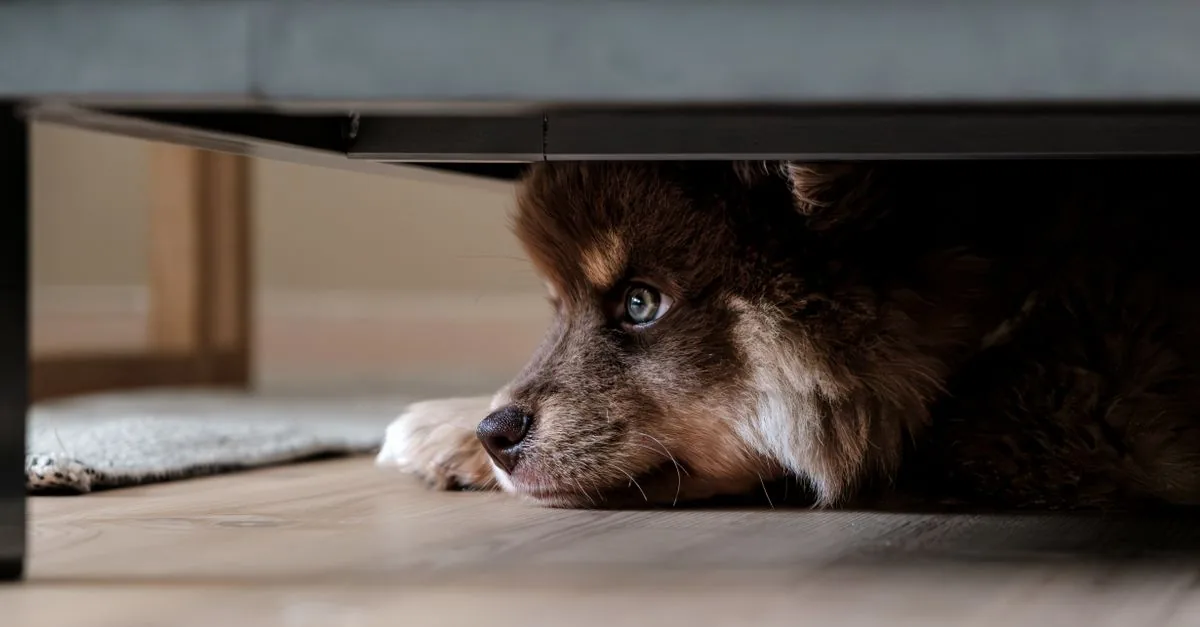
Fear of storms is one of the most common fears in dogs, driven by thunder, lightning, pressure changes, and static electricity. During a storm, help your dog by creating a safe, quiet den, staying calm, and never punishing the fear. Long term, gradual desensitisation with storm recordings and building positive associations both help. For severe fear, panic, or self-injury, consult a vet and a behaviourist - sometimes medication support is needed.
The first rumble of thunder and your dog turns into a trembling ball under the table, panting, drooling, or pacing and whining. Fear of storms is one of the most common and most difficult fears in dogs because, unlike fireworks, a storm cannot be pencilled into the calendar. The good news is that you can genuinely help - both during the storm itself and long term, by building your dog's sense that nothing can harm it at home.
Why is my dog afraid of storms?
A storm is not one trigger but a whole barrage of them, and an unpredictable one. The fear is made up of:
- thunder - loud, sudden, and varying in intensity,
- lightning - bright flashes that startle the dog,
- a drop in air pressure, which many dogs sense,
- static charges building up in the coat, giving an unpleasant sensation,
- changes in the smell of the air before rain, which a dog picks up long before we do.
That is exactly why dogs often show unease before we even hear the first thunderclap. The fear can also be learned (one bad episode can build a strong association) and tends to grow with age if we do not start working on it.
How to tell your dog is frightened
Not every dog hides under the bed. Signs of fear can be subtle, and it pays to know them:
| Sign | What it means |
|---|---|
| Panting, drooling | High stress, even when it is not warm |
| Trembling, cowering | A classic fear signal |
| Pacing, restlessness | The dog cannot settle |
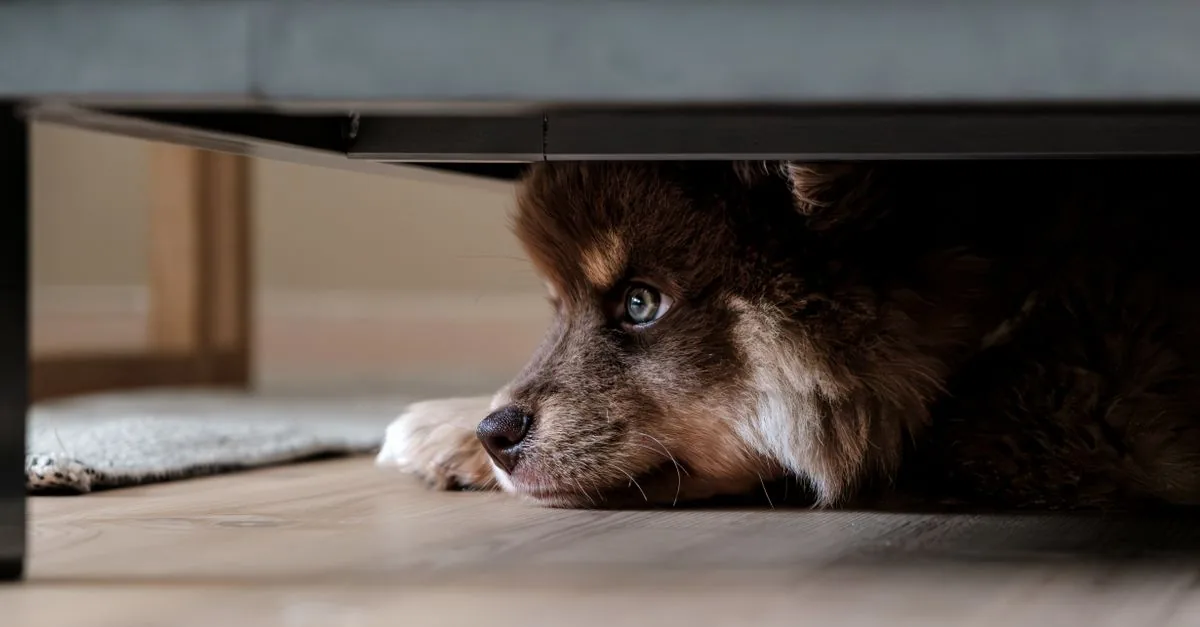
| Hiding (bathroom, under furniture) | Seeking a safe den |
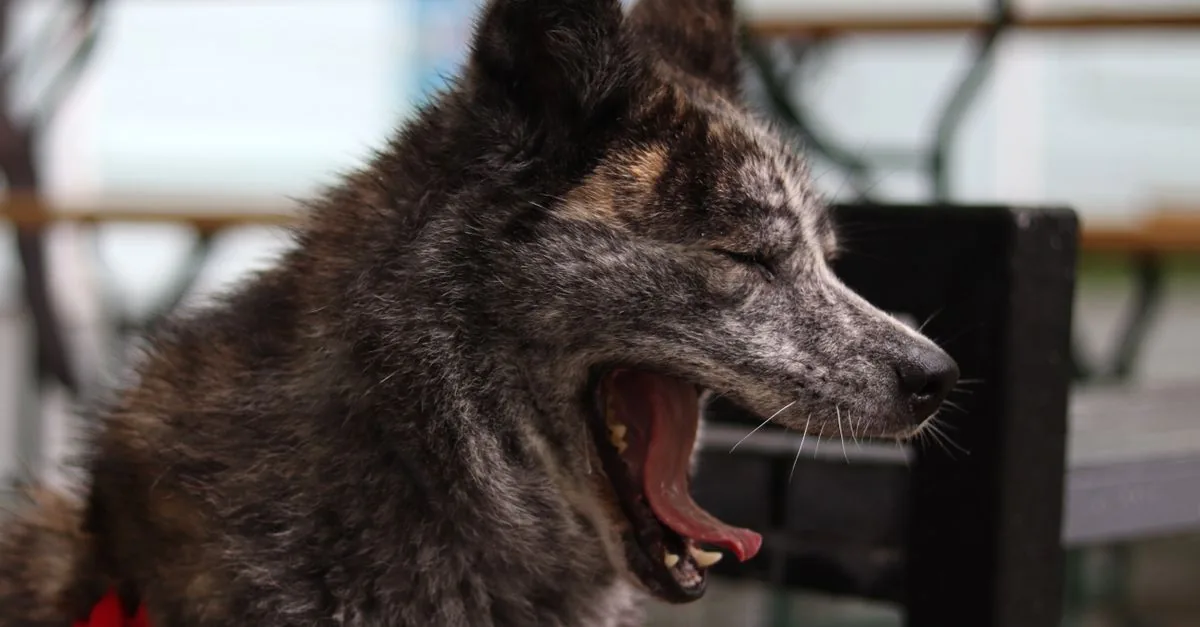
| Yawning, lip-licking | Calming signals, early stress |
| Clinging to the owner | Seeking support |
| Destruction, escape, urinating | Panic - the most severe level of fear |
The sooner you spot rising unease, the more effectively you can help - it is easier to prevent panic than to pull a dog out of it. For more on reading signs of tension, see our guide to stress signals in dogs.
What to do during a storm - help right now
During a storm your job is to lower the level of stimulation and give the dog a sense of safety:
- Create a safe den. A darkened, quiet room without windows (a bathroom or walk-in wardrobe is often chosen), with a favourite bed and blanket. Many dogs are helped by a spot they chose themselves - do not drag the dog out of its hiding place.
- Mask the sounds. A fan's hum, soft music, white noise, or even a running washing machine can dampen the thunder and reduce the element of surprise.
- Block the flashes. Draw the blinds and curtains to limit the sudden bursts of light.
- Stay calm. The dog reads your emotions. Do not panic or make an event of the storm - normal, calm behaviour is reassuring.
- You can stay close and comfort. It is a myth that cuddling reinforces fear. If your presence and calm touch help, be there. But do not force contact when the dog prefers to be alone.
- Do not punish or force. Punishing fear only deepens it and damages your trust.
- Offer mental engagement - if the dog will take it. A snuffle mat, treats scattered to sniff out, a slowly licked frozen snack. Sniffing genuinely lowers stress, but only in a dog that is not in full panic.
How to reduce storm fear long term
Immediate help eases the symptoms, but real change requires systematic work outside storm season:
Desensitisation with recordings. Play a storm recording at a very low volume - quiet enough that the dog hears it but is not afraid. During this, something good happens: feeding, a favourite game, treats. Gradually, over many sessions, raise the volume. If the dog starts to show unease, that is a sign you went too fast - step back.
Building the den in advance. Teach the dog that its hiding spot is the best place in the world, while the weather is good - feed it there, give chews, build positive associations. Then during a storm the den soothes on its own.
Pressure wrap. In some dogs gentle, constant pressure (a "thundershirt"-type wrap or vest) reduces tension. It is worth trying as one element, not a miracle cure.
Sniffing and exercise before a storm. If you know a storm is coming, a dog tired out by a walk and scent work settles more easily.
The mechanism behind storm and firework fear is similar, so if your dog also reacts to bangs, the techniques in our guide to what to do when your dog is scared of fireworks largely overlap.
When you need help from a vet and behaviourist
Not every fear can be worked through at home. Seek professional help when:
- the dog goes into genuine panic: destroys things, tries to escape, injures itself, tries to break a window,
- the fear grows with each storm despite your work,
- there is excessive drooling, vomiting, or stress-related urinating,
- storm fear is combined with other problems, such as separation anxiety.
A vet will first rule out health causes and, for severe fear, together with a behaviourist, can suggest a plan and sometimes medication support that lets the dog learn effectively. That is not "taking the easy way out", it is real help for a suffering dog. Never give your dog sedatives on your own.
Summary
A dog that fears storms is not "spoiled" or "stubborn" - it is genuinely suffering, because to it a storm is an unpredictable attack of stimuli. You can help on two levels: immediately, by creating a quiet den and staying calm, and long term, by building positive associations and working on desensitisation outside storm season. For severe fear, do not stay alone with the problem - a vet and behaviourist genuinely change the quality of such a dog's life.
Frequently asked questions
- Why is my dog afraid of storms?
- Storm fear is made up of several triggers at once: loud thunder, sudden flashes, a drop in air pressure, and even static charges the dog feels in its coat. For a dog it is an unpredictable, overwhelming experience. The fear often worsens with age if the dog does not learn that home is safe.
- Can I comfort my dog during a storm?
- Yes - it is a myth that comforting reinforces fear. If your presence and calm touch help the dog, you can stay close and stroke it. What matters is that you stay calm yourself and do not turn the storm into a drama. Do not force contact, though, if the dog prefers to hide alone.
- How do I calm my dog during a storm?
- Create a safe den: a darkened, quiet room, a favourite bed, maybe a fan's hum or soft music masking the thunder. Behave normally and calmly. You can offer a sniffing game or a snuffle mat to occupy the dog's mind, but do not force activity if it is too scared.
- Do pressure wraps help dogs during storms?
- In some dogs a snug wrap or vest (working like gentle, constant pressure) really does ease tension; in others it makes no difference. It is worth trying, but do not treat it as the only solution. It works best combined with fear work and, if needed, behaviourist support.
- Can a dog be trained out of storm fear?
- Fully removing the fear can be difficult, but in most dogs it can be significantly reduced. Gradual desensitisation with low-volume storm recordings paired with something pleasant, plus consistently building a safe den, both help. It is work over weeks and months, not a single evening.
- When should I see a vet about storm fear?
- When the dog panics, destroys things, injures itself, drools excessively, tries to escape, or the fear grows with each storm. A vet will rule out health problems and, together with a behaviourist, can suggest a plan and, in tougher cases, medication support. Do not leave severe fear to sort itself out.