Stress Signals in Dogs - Signs You Shouldn't Miss
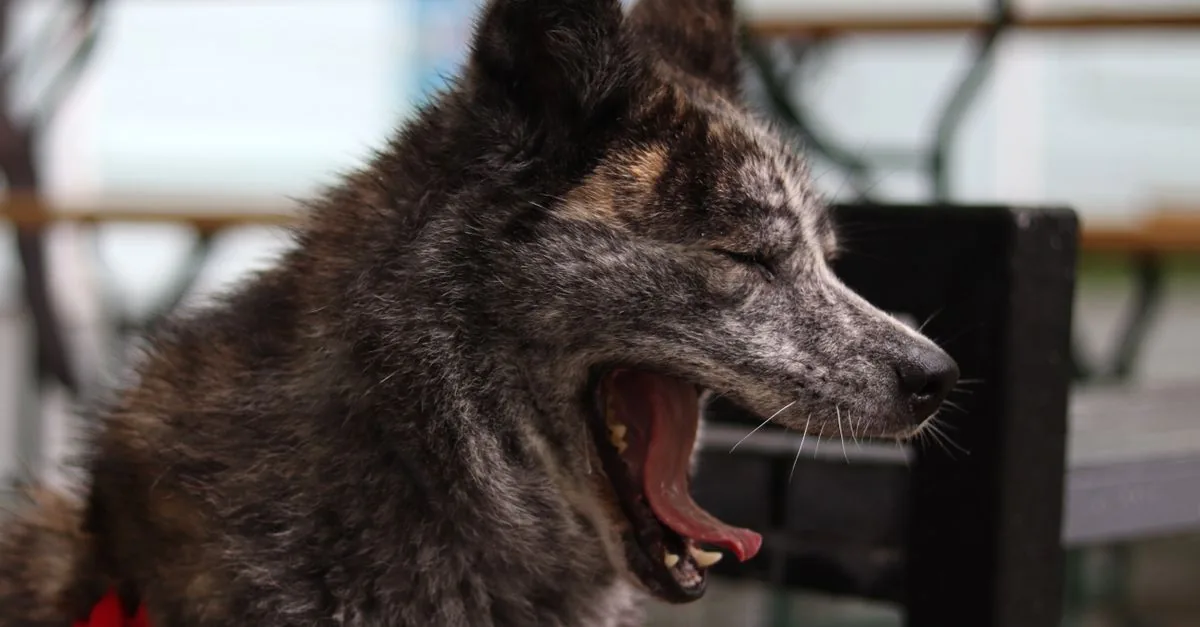
Stress in dogs shows up in many ways: yawning outside a tiredness context, lip-licking, panting without exertion, trembling, tucking the tail, drooling, or refusing food. A dog rarely shows stress directly - it usually sends subtle calming signals before it reacts more strongly. The key is learning to read your dog's body language and reducing the triggers that overload it. For chronic or severe stress, consult a behaviourist, and for a sudden change in behaviour, see a vet too.
Dogs can't say "I'm having a rough day", but they say it with their whole body - we just often fail to notice. A yawn, a lick of the nose, a lowered tail: to many owners these are trivial, but to the dog they're a real message. Understanding the signs of stress in dogs is one of the most valuable skills you can develop, because it lets you respond before tension turns into a bigger problem.
What stress looks like in a dog
Stress is the body's natural response to something the dog perceives as difficult or threatening. It isn't bad in itself - short-lived tension mobilises the dog and passes without a trace. The problem begins when stress is too strong, too frequent, or chronic.
A dog usually doesn't show stress obviously. Before it starts growling, fleeing, or barking, it sends a series of subtle signals that are easy to miss. Learning to read them is the foundation of a good relationship with a dog - a topic we cover in more depth in our article on dog body language.
Signs of stress in dogs - what to watch for
Below are the most common signs of tension. A single signal need not mean anything - what counts is the context and how many appear at once.
| Sign | What it may mean |
|---|---|
| Yawning outside a tiredness context | A calming signal, an attempt to release tension |
| Lip-licking | Discomfort, uncertainty in the moment |
| Panting without exertion or heat | Raised arousal and tension |
| Trembling, cowering | Strong fear or sensory overload |
| Tucking the tail and ears | Fear, a wish to shrink and withdraw |
| Excessive drooling | The nervous system reacting to stress |
| Refusing food or treats | Tension high enough to block appetite |
| Excessive paw-licking, scratching | Tension release, seen in chronically stressed dogs |
It helps to distinguish acute from chronic stress. Acute stress appears suddenly, in response to a specific trigger - a storm, a vet visit, an encounter with a mouthy dog - and passes when the trigger goes. Chronic stress lingers, often without a single clear trigger, and it's this that weighs most heavily on a dog's health.
Where stress in dogs comes from
There are many causes, and every dog has a different sensitivity threshold. The most common include:
- Loud sounds - storms, fireworks, bangs, building work next door.
- Changes in surroundings and routine - a house move, a new household member, a change in walk times.
- Being alone - for dogs with separation anxiety, simply being left home is a source of strong tension.
- Sensory overload - crowded places, a long day full of impressions, no rest.
- Conflicts with other dogs or difficult encounters on a walk.
- Pain and illness - a very common and often overlooked cause of a sudden change in behaviour.
That last point is crucial. If a dog suddenly starts showing stress for no clear reason, the first step should be a vet visit to rule out pain or illness. Only then do you look for behavioural causes.
How to help a stressed dog
The right response depends on the situation, but a few principles work almost every time:
- Increase distance from the trigger. If the dog is stressed by the sight of something, move away instead of forcing it to stay put.
- Provide a safe retreat. A bed in a quiet corner where the dog can withdraw and no one disturbs it is a simple but very effective tool.
- Don't punish signs of fear. Punishing trembling, hiding, or growling only deepens the problem and teaches the dog that warning isn't worth it.
- Stay calm. Your tension transfers to the dog. A calm voice and predictable movements have a settling effect.
- Redirect attention. A simple, well-known cue or some sniffing helps the dog "come back to itself" and lower its arousal.
- Prioritise rest. An over-tired, over-stimulated dog is more prone to stress - sometimes the best help is a quieter day. If your dog seems permanently wired, see our article on the hyperactive dog.
What to avoid
A few common mistakes can make things worse:
- Forcing confrontation with what frightens the dog ("let it get used to it") - this usually intensifies fear instead of curing it.
- Ignoring calming signals and pushing past the dog's limits until it reacts more strongly.
- Too many triggers at once - trying to "socialise" a stressed dog by force in a crowd.
- A lack of predictability - a chaotic daily rhythm makes it harder for the dog to settle.
When you need a specialist
If stress is chronic, escalating, or preventing the dog from functioning normally - eating, sleeping, walking calmly - that's a signal to reach for support. A certified behaviourist will help find the source of the tension and build a plan tailored to the individual dog. When the change in behaviour appeared suddenly, start with a vet, because pain or illness can be behind the stress.
Learning to read stress in a dog changes the everyday relationship. Instead of reacting only to a growl or a bolt, you start to notice the moment things get hard for your dog - and you can genuinely help then. If you want to plan walks at quieter times and in less crowded places, check the map in the DOGOUT app to see where other owners nearby find quiet routes.
Frequently asked questions
- How do I recognise stress in a dog?
- Watch for yawning outside a tiredness context, lip-licking, panting without physical effort, trembling, tucking the tail and ears, and avoiding contact. These are so-called calming signals the dog uses to release tension. On their own they're normal, but when they appear often and together, they mean the dog is uncomfortable.
- What stresses dogs most often?
- The most common causes are loud sounds (storms, fireworks), changes in surroundings and routine, being left alone, sensory overload, conflict with another dog, and pain. Every dog has a different tolerance threshold, so what leaves one unbothered can overwhelm another. It's about observing the individual dog, not general rules.
- Can stress harm a dog's health?
- Yes. Brief stress is natural and harmless, but chronic tension takes a toll: it can cause digestive problems, itching, lowered immunity, and behaviour changes. That's why long-term stress shouldn't be brushed off, and it's worth finding its source together with a behaviourist or vet.
- How do I quickly calm a stressed dog?
- First, increase the distance from whatever is stressing the dog and give it a safe place to retreat to. Speak calmly, don't force contact, and don't tell it off for signs of fear. Redirecting attention to something familiar, such as a simple, well-known cue or some sniffing, also helps.
- Does punishing a dog for signs of stress help?
- No, quite the opposite. Punishing a dog that's sending stress or fear signals only teaches it that warning isn't worth it, while the tension stays. That can make the problem worse and lead to more sudden reactions. Instead of punishing, reduce triggers and build positive associations.
- When should I see a specialist about a stressed dog?
- A behaviourist is worth seeing when stress is chronic, escalating, or stopping the dog from functioning normally. If the change in behaviour appeared suddenly, see a vet first, because sudden stress can be driven by pain or illness. The earlier you start, the easier the work is.