Why Does My Dog Eat Grass? Causes and When to Worry
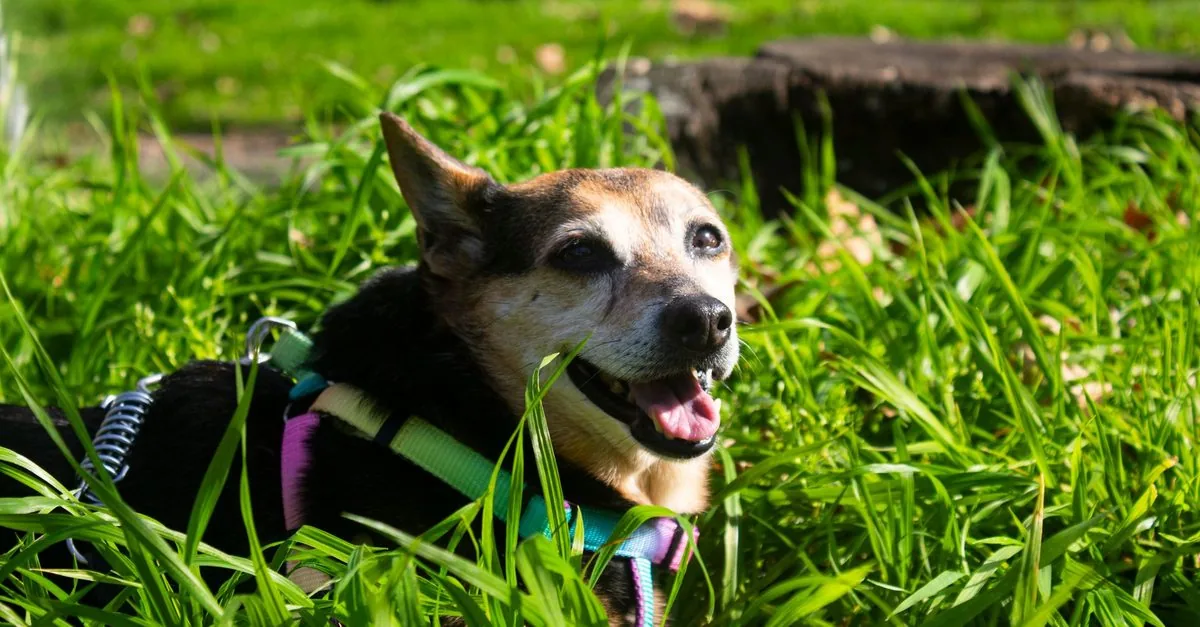
Eating grass is a very common and, in most cases, normal dog behaviour. There are several reasons: the taste and texture of grass, boredom, instinct, a need for fibre and, sometimes, an upset stomach. Contrary to popular belief, most dogs don't vomit after eating grass, so it isn't mainly a way to 'purge'. The behaviour becomes concerning when it appears suddenly, is frantic and persistent, or comes with vomiting, diarrhoea, lethargy or a drop in appetite - then it's worth checking with a vet. Also take care that your dog doesn't eat grass treated with chemicals.
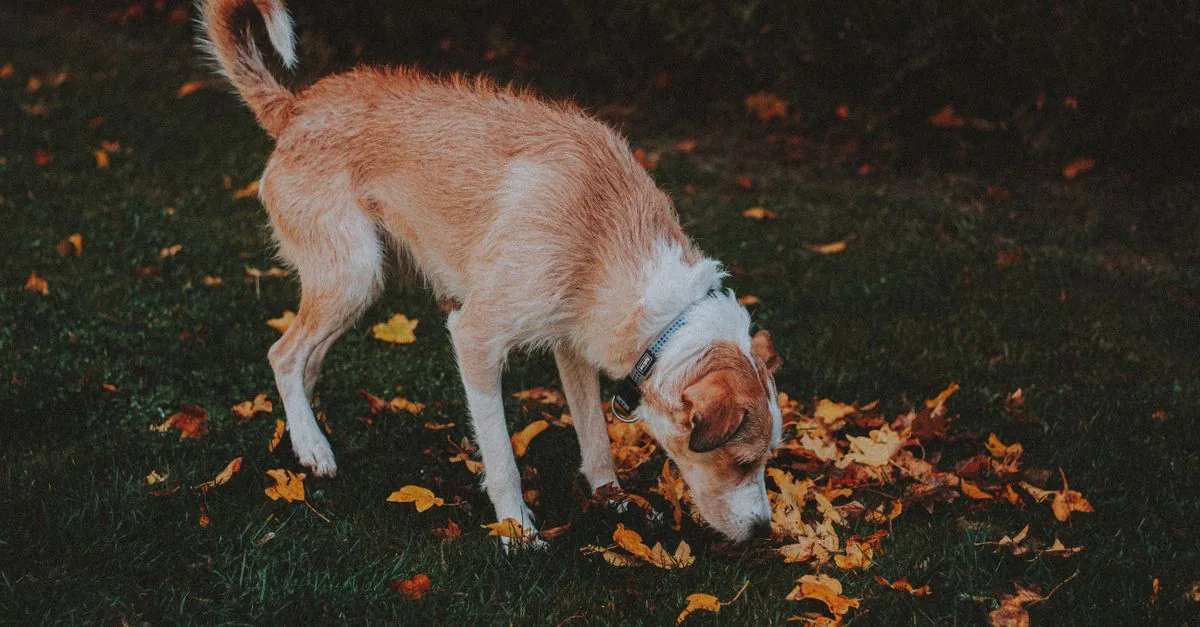
You know it from every walk: your dog suddenly stops by a patch of lawn, sniffs it and starts nibbling the greenery like a small cow. Many owners immediately wonder whether it's normal or whether the dog might be feeling unwell. The good news is that eating grass is one of the most common and usually quite natural dog behaviours. Still, it's worth knowing where it comes from and when it should genuinely raise a red flag.
Is eating grass normal behaviour?
In most cases, yes. Grass grazing is seen in dogs of every age, breed and level of health. It's so widespread that it's hard to call it a deviation from the norm. Many dogs do it regularly throughout their lives with no ill effects.
Importantly, research into this behaviour undermines the most popular myth - that dogs eat grass purely to make themselves sick. It turns out most dogs show no signs of nausea before grazing and don't vomit afterwards at all. Vomiting happens only in a small proportion of animals. For the rest, grass is simply... something to eat.
Why does my dog eat grass? The most common reasons
There's no single answer - different dogs have different motivations behind the same behaviour. Here are the most common ones:
| Reason | What it involves |
|---|---|
| Taste and texture | Fresh, moist grass may simply be pleasant to taste and chew |
| Boredom | A dog short on stimulation finds something to do, and grass is right there |
| Instinct | Dogs' ancestors ate plant matter along with their prey |
| Need for fibre | Grass provides roughage that supports gut movement |
| Stomach discomfort | Some dogs graze when their belly feels off |
| Attention seeking | If the owner reacts emotionally, the dog may repeat the behaviour |
So eating grass isn't an illness in itself - it's a behaviour that can have either trivial or more significant roots. Context is everything.
When is eating grass a warning sign?
Although grazing is usually harmless, there are situations worth a closer look. Pay attention to the behaviour when:
- it appears suddenly in a dog that never did it before,
- it's frantic and desperate - the dog wolfs down grass as if searching for something,
- it's accompanied by other signs - repeated vomiting, diarrhoea, loss of appetite, lethargy, drooling,
- the dog tries to eat grass despite nausea or vomits straight afterwards.
That kind of change in the behaviour pattern is a far more important signal than the grazing itself. If grass eating comes with vomiting, it helps to see the bigger picture - our guide to dog vomiting covers it. Eating grass is also sometimes confused with another behaviour, coprophagia (eating faeces), which has completely different roots - we cover it in our piece on dogs eating poop.
The real risk - not the grass, but what's on it
Paradoxically, the biggest problem isn't the grass itself but what it may be contaminated with. Before you let your dog graze, think about:
- chemicals - lawns sprayed with herbicides, fertilisers or weed killer can be toxic,
- parasites and slugs - plant matter can carry parasite eggs,
- foreign objects - sticks, bits of plastic or glass hide in the grass,
- tall, tough blades - they can irritate the throat or lodge in the airways.
That's why it's safer when your dog grazes in places you know aren't chemically treated. Watch for signs warning of spraying and avoid freshly mown or fertilised lawns.
How to reduce grass eating, if you want to
If your dog's grazing is occasional and comes with no symptoms, there's usually no need to fight it. But if the dog does it excessively or in places that worry you, a few things can help:
- More exercise and stimulation - a bored dog is more likely to find something to do in the grass. Varied walks, sniffing and play reduce the urge.
- Teaching the "leave it" cue - useful in many situations, not just around grass.
- Choosing routes - walk where grass isn't chemically treated and avoid freshly sprayed areas.
- Reviewing the diet - if you suspect the dog is seeking fibre, discuss the diet with your vet rather than experimenting on your own.
Good, clean areas to walk - meadows and parks away from sprayed lawns - are easier to find when a community of other owners points them out. On the DOGOUT app you can check places flagged by people in your area and choose a route where your dog can sniff safely.
In summary
Eating grass is, in most cases, normal, harmless behaviour that needs no intervention. It isn't mainly a way to vomit - it's more a mix of taste, instinct, boredom and sometimes a need for fibre. The key is context: as long as your dog grazes calmly and feels well, there's usually nothing to worry about.
Act when the behaviour appears suddenly, turns frantic, or comes with vomiting, diarrhoea or lethargy - then contact your vet, as it may signal a gastrointestinal problem. And remember the most important thing: make sure the grass your dog nibbles isn't chemically treated. That's usually a bigger risk than the grazing itself.
Frequently asked questions
- Is it normal for a dog to eat grass?
- Yes, it's one of the most common dog behaviours and, in most cases, completely normal. Many healthy dogs nibble grass regularly with no ill effects. It only becomes concerning when the eating is frantic, sudden and paired with other signs such as vomiting or lethargy.
- Do dogs eat grass to make themselves sick?
- This is a popular myth. Research suggests most dogs show no signs of nausea before eating grass and don't vomit afterwards. Only a small proportion do it when they feel stomach discomfort. For most dogs, grass is simply a tasty extra, not a way to induce vomiting.
- Is eating grass bad for dogs?
- Grass itself is usually harmless, but the risk lies elsewhere. Grass sprayed with chemicals, fertilisers or weed killer can be toxic, and tall blades may irritate the throat. Watch out for parasites and slugs on plants too. It's safer when your dog nibbles grass on ground you know isn't chemically treated.
- What should I do if my dog eats grass frantically and vomits?
- A one-off episode usually isn't serious, but if your dog eats grass very frantically, as if desperately searching for something, and also vomits, has diarrhoea or seems lethargic, contact your vet. That kind of sudden, intense behaviour can signal a gastrointestinal problem that shouldn't be ignored.
- Do dietary deficiencies make a dog eat grass?
- Sometimes a dog seeks fibre or other components in grass, but a balanced, good-quality diet usually covers its needs. If a dog eats grass in large amounts and persistently, discuss with your vet whether the diet is right. Don't change food or add supplements on your own without advice.
- When does grass eating need a vet visit?
- See a vet when grass eating starts suddenly and becomes obsessive, or comes with repeated vomiting, diarrhoea, loss of appetite, lethargy or drooling. A sudden change in behaviour is a more important signal than the grazing itself. If you suspect the grass was chemically treated or a foreign object was swallowed, act immediately.