Dog Etiquette - How to Behave in Public Places
Good dog etiquette starts with one habit: always ask before letting dogs greet each other, and always check in with your own dog before they approach someone else's. Add to that cleaning up without exception, being mindful of lead length in crowded places, and being able to read when your own dog doesn't want contact - avoidance, a stiff body, turning the head away. These aren't rules for perfect dogs - they're habits that protect everyone, including your own.
Dog etiquette isn't a list of rules for perfect dogs - it's a set of simple habits that make a walk, a cafe visit or a park outing pleasant for everyone, not just you and your dog. Since DOGOUT is built around real, offline community rather than anonymous encounters with no ground rules, a few things make a real difference.
Rule number one - always ask
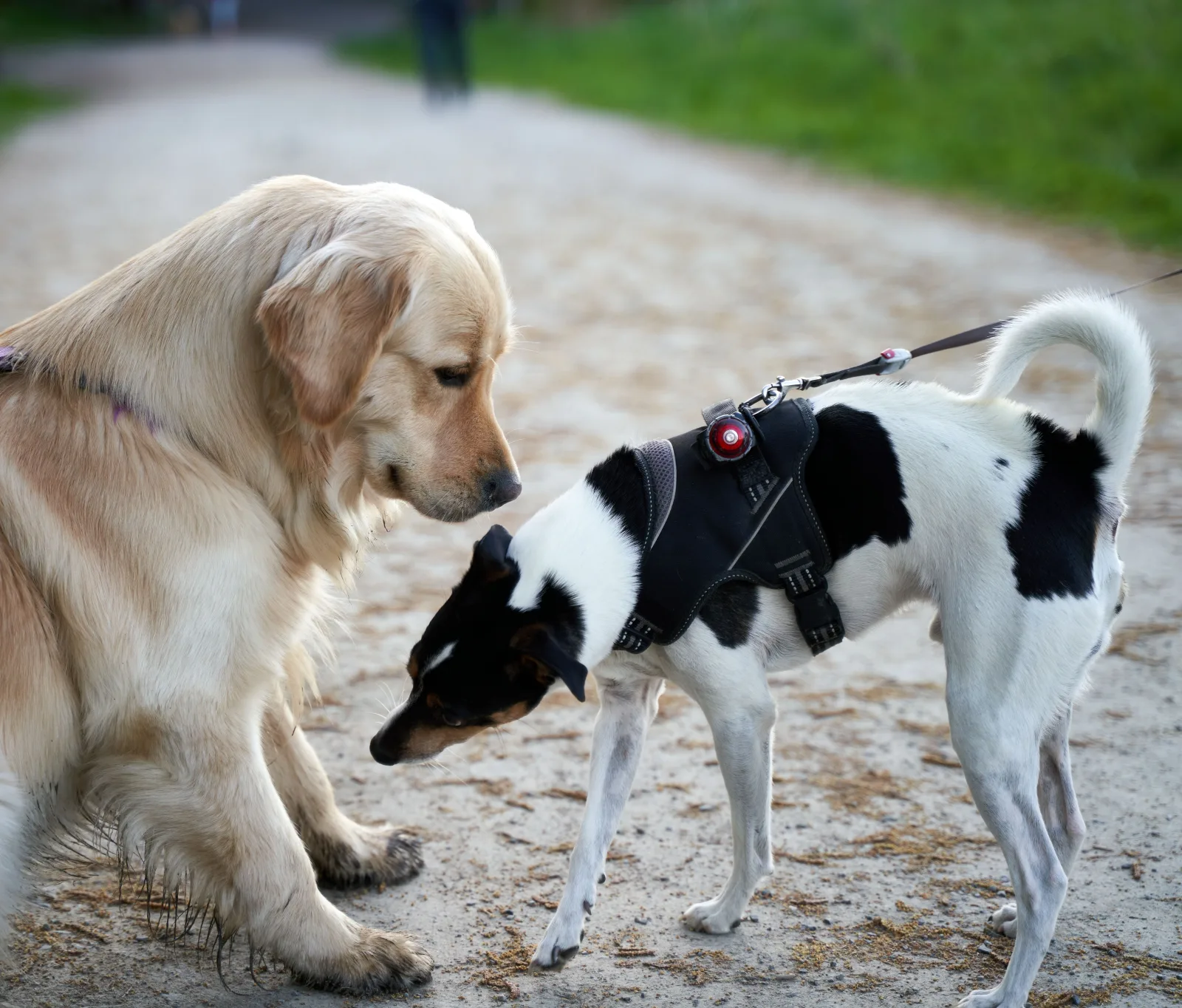
The single most important habit in dog etiquette is simple: before dogs greet each other, ask. That applies both ways:
- Before letting your dog approach another dog, ask the owner: "Can they say hello?"
- Before letting a strange dog approach yours, make sure your own dog is ready for it - and that you have the other owner's consent too.
Why does this matter so much? Not every dog wants contact with strange dogs on lead - some are reactive, some simply prefer the company of dogs they already know, some have had a bad experience. A forced greeting "because all dogs love each other, right?" is one of the most common ways unnecessary tension flares up on a walk.
Read your own dog's body language
Before judging the other dog, learn to read your own. A dog who doesn't want contact usually shows it clearly, once you know what to watch for:
- a stiff body, freezing in place,
- turning the head away (a classic calming signal),
- hiding behind you or trying to move away,
- ears pinned back, tail low or tucked,
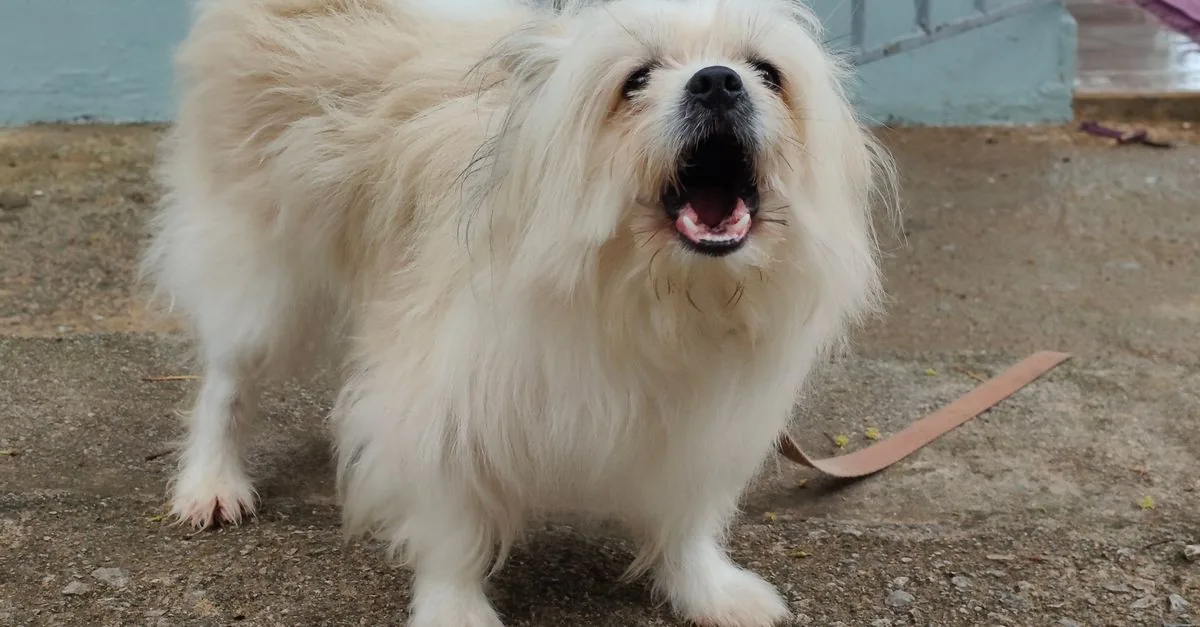
- growling - not a "bad dog" moment, a message that needs respecting, not punishing.
Trusting these signals and pulling your dog out of the situation, instead of forcing an interaction, builds a more confident, calmer dog over time. A dog who repeatedly experiences their owner responding to discomfort learns to trust that they won't be forced into something they're not up for.
Leash length - matched to the place
A 3-5 metre long line is great on an empty field or a forest path, but in a crowded space - a sidewalk, a shop entrance, a cafe patio - it's a risk, not a convenience. The more people and dogs around, the shorter the lead should be, keeping the dog close and preventing a sudden move that startles someone or a tangle underfoot.
It's also worth watching out for cyclists and runners - a long, slack lead stretched across a path is a common, easily avoided cause of accidents, so keep the dog shorter-leashed in busy spots.
Cleaning up - no exceptions
This is the most obvious rule and, at the same time, the easiest to skip "because nobody's watching" or "it's just grass." Always carry bags, even on a short walk near home - one lapse can sour opinions of dog owners in the whole neighbourhood, not just of you.
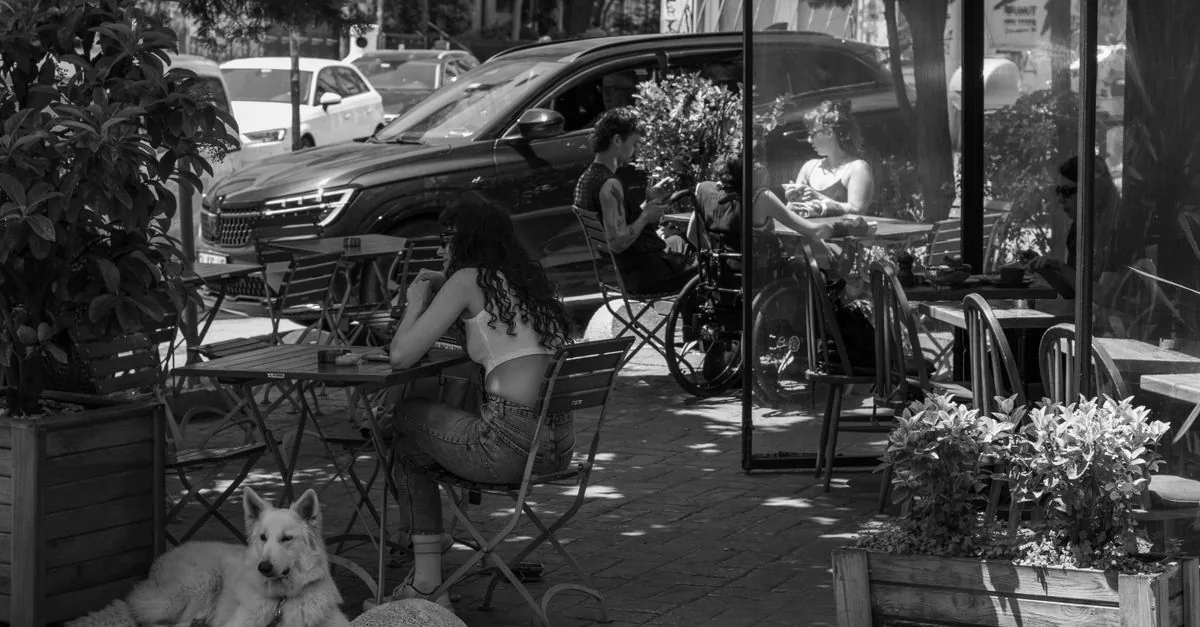
Cafes, restaurants and other indoor spaces
More and more venues in Poland welcome dogs - but that's a privilege worth protecting, not a given. A few habits that genuinely help:
- The dog lies under the table or beside it, on their own mat, not on a chair or at the table.
- Keep the dog close - in narrow gaps between tables, a loose lead risks tripping a server carrying a tray.
- Bring something to keep the dog occupied, if the visit runs long - a chew or a snuffle mat helps them wait calmly.
- Watch how the dog handles the noise and crowd - if they're visibly stressed, a shorter visit or stepping outside is a better call than pushing through the whole meal.
We've put together a guide to dog-friendly cafes and restaurants worth checking out.
What to do when someone else doesn't follow the rules
Not everyone knows or applies these habits - and it's fine to be assertive when the situation calls for it:
- If someone's dog runs up without asking, you can firmly request they call it back before contact happens.
- If your dog is mid-training (say, working on leash reactivity), you have every right to ask others for distance - a lead or vest marked "in training" can help here.
- You don't owe anyone an explanation - "I'd rather they didn't meet" is a complete and sufficient answer.
More on working with a dog who reacts nervously to other dogs on lead is in our leash reactivity guide.
Kids and dogs - a shared responsibility
Kids often run up to strange dogs without asking, out of pure enthusiasm, not bad intent - and it's on the adults, both the child's parent and the dog's owner, to make sure that doesn't happen uncontrolled. A few habits that work both ways:
- As the dog's owner - if you see a child running toward your dog, you can politely but firmly interrupt: "Ask your parent first if my dog likes being petted," or if the dog isn't ready, simply "My dog doesn't want to say hi right now, sorry."
- As a parent - it helps to teach a child to always ask before approaching a dog, and to pet calmly rather than immediately hugging or pulling at the fur. Even the most patient dog has limits.
- Watch for signals specifically around kids - some dogs react differently to a child's sudden, loud movements than to a calm adult, even if they're generally fine with people.
Dog parks - one option among several
Fenced dog parks can be useful when a dog needs off-lead time and there's no legal terrain nearby for it. Worth remembering, though: it's a concentrated space with many unfamiliar dogs at once, which itself raises the odds of a misunderstanding - the same etiquette rules (ask, watch body language, respond to signals) apply there just as much, if not more, than on a regular walk. If you're after real terrain to explore instead of a fenced square of grass, the DOGOUT map shows forests, beaches and trails vetted by other owners in your area.
Etiquette isn't about perfection
No dog behaves flawlessly every single time, and that's not the point of dog etiquette. The goal is to consciously reduce situations where your dog (or someone else's) feels overwhelmed, threatened or provoked - while building a community habit of asking, observing and respecting boundaries, for dogs and people alike.
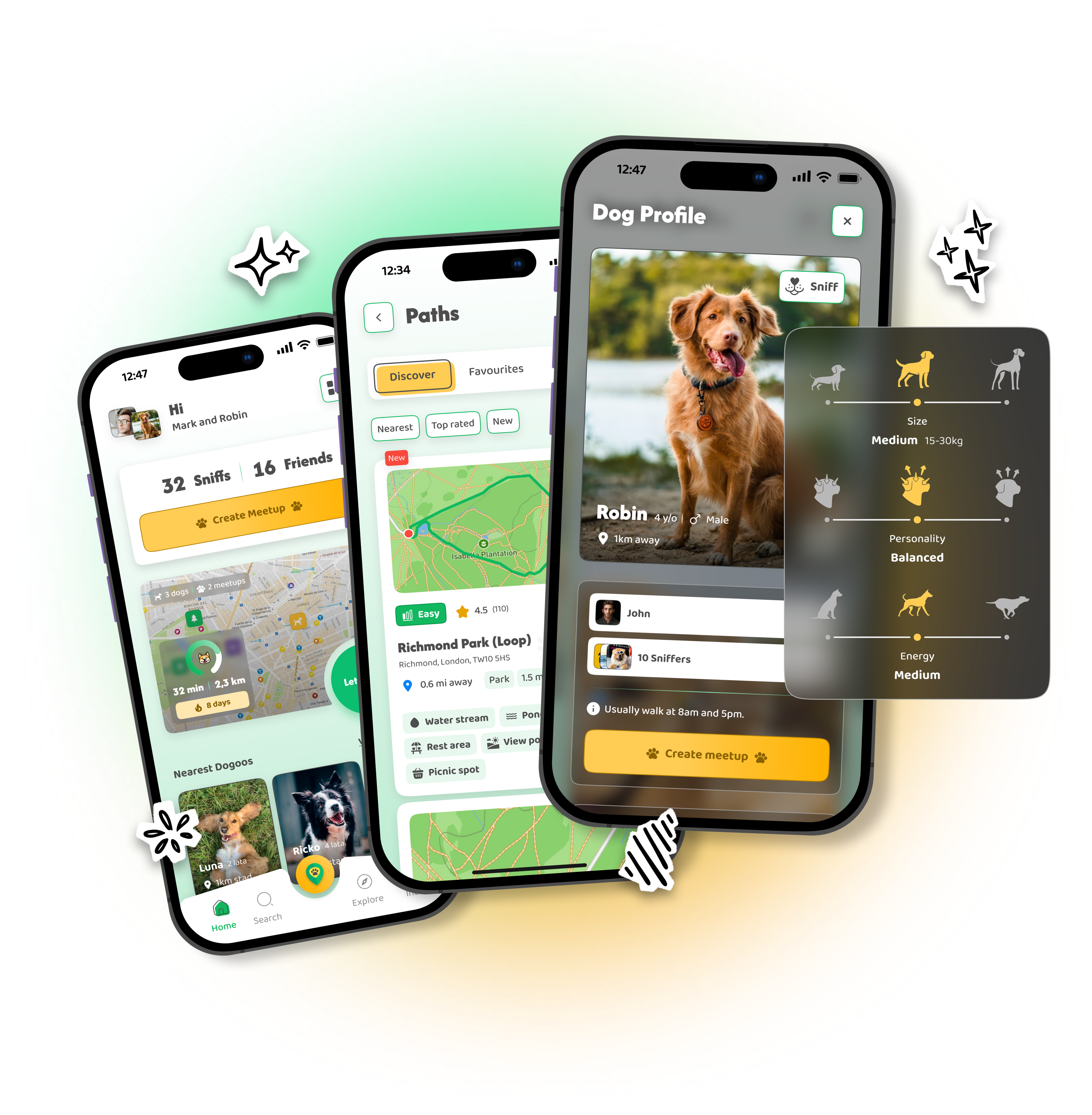
That's exactly the spirit DOGOUT is built on - real meetups, not anonymous collisions on the sidewalk. The DOGOUT map shows who's walking nearby, so you can arrange a meetup knowing how both dogs behave, instead of leaving it to chance on a street corner.
Frequently asked questions
- Should I always ask before letting dogs say hello?
- Yes, always - both to get the other owner's consent and to check your own dog is actually up for it. Not every dog wants contact with strange dogs on lead, and a forced greeting can end in conflict or build negative associations with meeting other dogs while leashed.
- How do I tell my dog doesn't want to greet another dog?
- Signs include a stiff body, turning the head away, hiding behind you, growling, freezing in place, ears pinned back, or a low tail. Trust these signals and don't force interaction, even if the other dog looks friendly.
- Should a dog sit on a chair or lie under the table in a cafe?
- Definitely under the table or beside it, on their own mat or bed - a dog sitting on a chair or at the table isn't accepted in most venues and can come across as inconsiderate to other guests, no matter how clean the dog is.
- How long should the leash be in a crowded place?
- The more people and dogs around, the shorter the lead should be - in crowded spots (a sidewalk, a shop entrance, a cafe), the lead should keep the dog close to you, not give them several metres of slack where they could startle someone or get tangled underfoot.
- What should I do if someone else's dog runs up to mine without asking?
- You can firmly ask the owner to call their dog back before contact happens, especially if your dog isn't ready for a greeting. It's fine to be assertive here - protecting your own dog's comfort matters more than politeness toward a stranger's pet.