Leash Reactivity in Dogs - Why They Bark and How to Help
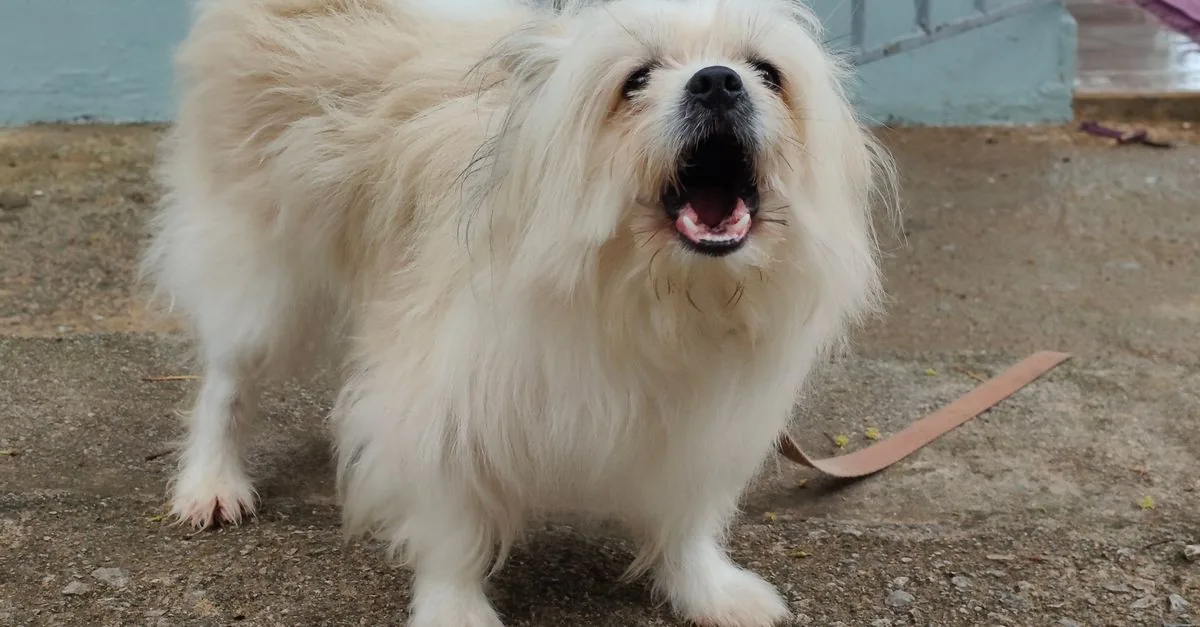
Leash reactivity is a dog's over-the-top reaction (barking, lunging, straining toward the trigger) at the sight of another dog, a person or a bike while on a lead. It's most often frustration or fear, not aggression - the dog can't do what its instinct is urging, so it boils over. The foundation of the work is keeping a distance at which the dog is still calm and building positive associations with the trigger. Punishing the reaction usually makes things worse, because it adds tension.
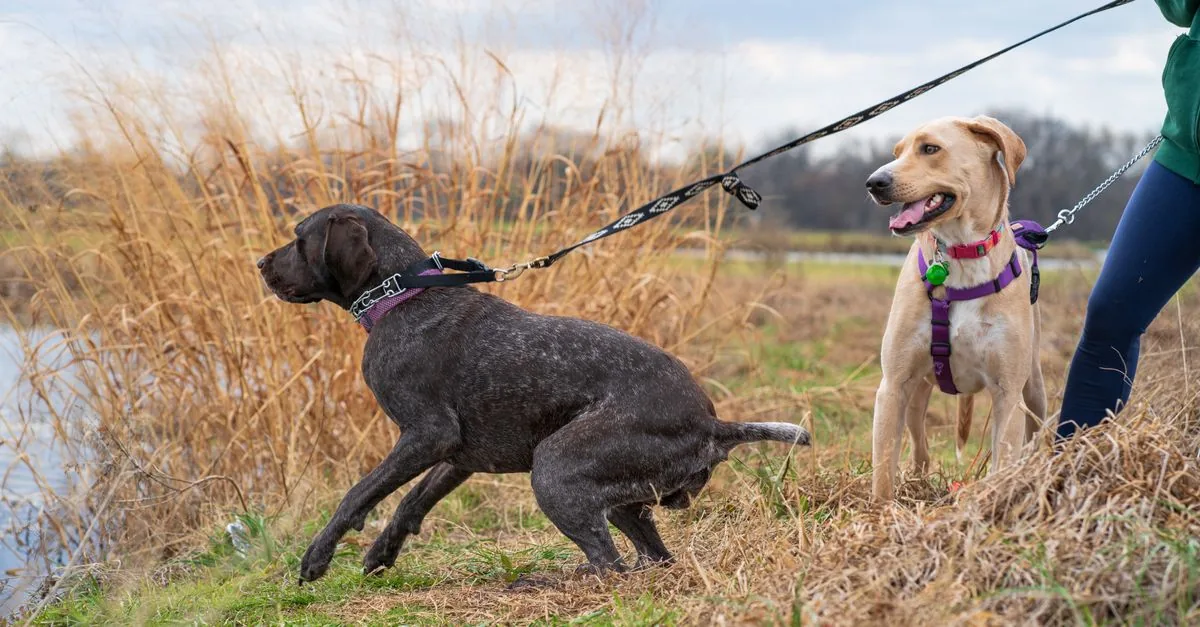
A peaceful walk turns into a struggle in a second: another dog appears round the corner and your companion rears up, barks and pulls with all its might. Leash reactivity is one of the most common and most frustrating problems owners face. The good news: it's a behaviour you can understand and genuinely change - as long as we set the myths aside and start working with the dog's emotions rather than against them.
What leash reactivity is
Reactivity is an over-the-top reaction to a specific trigger - most often another dog, but also a person, a bike, a scooter or a car. The key word is "over-the-top": the dog reacts out of proportion to the situation and is hard to bring back from that state.
A crucial distinction: reactivity is not the same as aggression. Many reactive dogs adore other dogs and play beautifully with them off-lead. The problem only shows up on the lead, when the dog can't act freely. It's an emotional behaviour, not a matter of "bad character".
Where reactivity comes from
Leash reactivity usually rests on one of two emotions: frustration or fear. Sometimes both at once.
| Type of reactivity | What the dog feels | Typical signs |
|---|---|---|
| Frustration-based | Wants to run over and greet, but the lead won't allow it | Jumping, whining, barking with a wagging tail, pulling forward |
| Fear-based | Afraid of the trigger and wants more distance | Stiffening, barking while backing away, growling, hiding behind the owner |
| Mixed | Tension and uncertainty | Variable, hard-to-predict reactions |
On top of this come aggravating factors: a tight lead (which passes the owner's stress to the dog), poor socialisation, bad past experiences and plain over-stimulation. There's more on building healthy relationships with other dogs in our guide to dog socialization.
The arousal threshold - the key to everything
The most important concept in reactivity work is the arousal threshold. It's the line - set mainly by distance from the trigger - below which the dog can still think, eat treats and respond to its owner. Above the threshold the dog "erupts" and takes nothing in.
All effective work happens under threshold. If your dog reacts to another dog at five metres, work from ten or fifteen, where it's still calm. That isn't avoiding the problem - it's the only place where the dog can learn instead of panicking.
What actually helps
Reactivity changes not by suppressing the reaction, but by changing what the dog feels at the sight of the trigger. Here's a proven approach:
- Distance first. Find the distance at which the dog notices the trigger but is still calm. That's your working zone.
- Counter-conditioning. The moment the dog notices another dog, you start feeding high-value treats. The trigger begins to predict something good rather than tension.
- The "look and return" pattern. Teach the dog that glancing at the trigger and then back at you is a rewarded sequence. Over time the dog starts checking in with you instead of reacting.
- A loose lead. A tight lead winds the reaction up. Practise calm walking - our guide on how to stop a dog pulling on the lead will help.
- Managing the environment. Choose quieter times and routes, change direction when a trigger beyond your dog's ability is approaching. That's not failure, it's sense.
Consistency matters more than intensity. Short, successful sessions under threshold do more than one heroic walk that leaves both dog and owner drained.
What to avoid
- Punishing the reaction. A leash jerk, a shout or a prong collar add stress and can make the sight of a dog start to predict something unpleasant. That deepens the problem.
- Flooding with triggers. Throwing a dog into a crowd of dogs "so it gets used to it" usually cements the reaction.
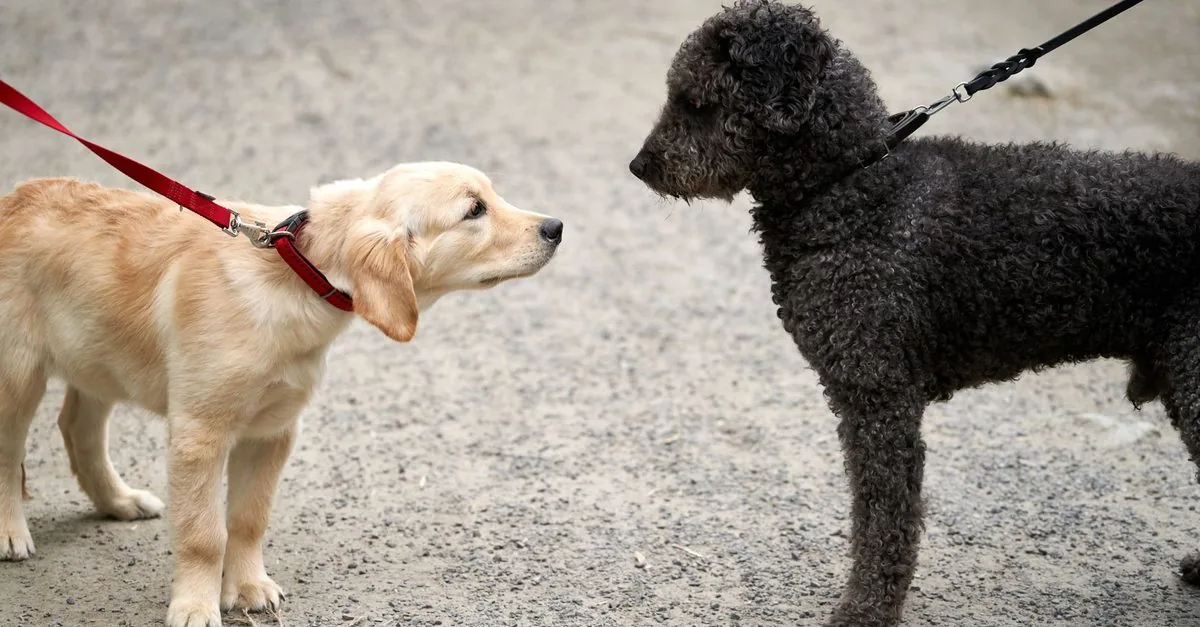
- Forcing greetings. Don't make a reactive dog greet every dog it meets on the lead. A good greeting is short, voluntary and on a loose lead.
- A tight lead from nerves. When an owner tenses at the sight of another dog, the dog senses it. Breathe and relax your hand.
When to get professional help
Plenty of reactivity cases can be improved on your own, with patient work under threshold. But it's worth calling in a certified behaviourist when: reactions are very strong, real aggression and a bite risk appear, the dog lunges so hard it's difficult to hold safely, or working on your own has produced no change for weeks. If you suspect pain or illness underlies it (a sudden change in behaviour), start with a vet visit - physical discomfort can lower the tolerance threshold.
Leash reactivity isn't a life sentence and it's not a sign you have a "bad dog". It's an emotional response you can work through with calm, distance and good associations. Start on a quiet route where your dog can win small battles. In the DOGOUT app you can check quieter spots and times flagged by other owners, so you can pick a walk where reactivity work has a chance to succeed. For more on the pulling-toward-dogs side of it, see our guide to a dog lunging on the leash.
Frequently asked questions
- What's the difference between reactivity and aggression?
- Reactivity is an over-the-top emotional response to a trigger, usually driven by frustration or fear. Aggression is behaviour intended to increase distance or cause harm. Many reactive dogs play happily with other dogs off-lead - the problem only appears on the lead, when they can't act freely.
- Why does my dog only bark at other dogs on the lead?
- On a lead the dog can't carry out the natural greeting sequence or move away when scared. That builds frustration or tension, which it releases through barking and lunging. The same dog off-lead often behaves completely differently, because it can freely choose distance and pace.
- Can leash reactivity be cured?
- In most dogs it can be significantly reduced and managed, though it doesn't always disappear entirely. The goal is a dog that can pass a trigger calmly, even if it isn't thrilled about it. That takes systematic work under the arousal threshold, and for tougher cases the support of a behaviourist.
- Does punishing barking on the lead help?
- No, it usually harms. A leash jerk or a shout adds stress and can make the sight of another dog start to predict something unpleasant. What works is changing the emotion: the trigger starts to predict something good rather than a punishment.
- What is a dog's arousal threshold?
- It's the distance and intensity of a trigger at which the dog can still think and respond calmly. Below threshold you can work and teach; above it the dog tips into a reaction and takes nothing in. All effective reactivity work happens under threshold, and the distance is closed gradually.
- Will more contact with dogs help a reactive dog?
- Not by force, and not by throwing it at triggers. Flooding a dog with encounters usually cements the reaction. What helps is controlled, gradual exposure at a safe distance, plus carefully chosen meetings with calm, balanced dogs.