How to Stop a Dog Pulling on the Leash
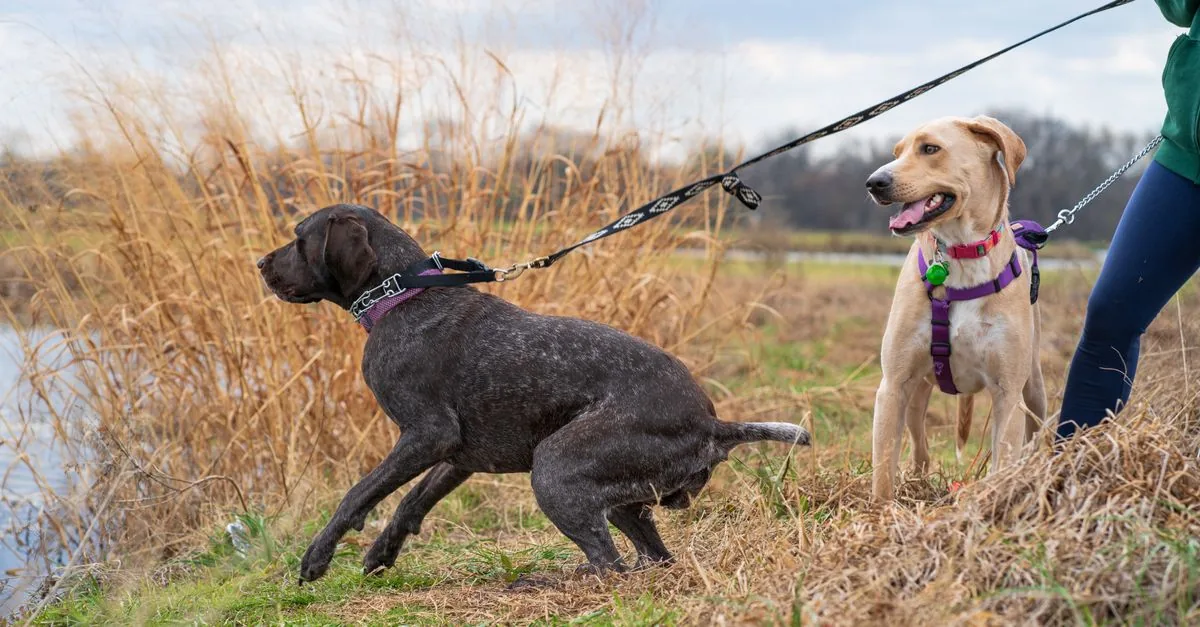
To stop a dog pulling on the leash, stop walking the instant the leash goes tight, and only move forward again once your dog returns to a loose leash. This stop-and-reward method teaches the dog that a tight leash never gets him anywhere, while a loose leash does. Most dogs show real improvement within 2-4 weeks of short, regular training walks, ideally paired with a front-clip harness instead of a collar.
To stop a dog pulling on the leash, the simplest rule works best: a tight leash means a full stop, a loose leash means the walk continues. Your dog quickly connects the dots - they're the one deciding whether the walk keeps going or freezes in place. Here's the method step by step, plus the gear that actually speeds up training.
Why does my dog pull on the leash?
Pulling isn't stubbornness or a "bad breed thing" - it's simply a strategy that has worked for your dog before. If a tight leash ever got them to an interesting smell, another dog, or the street corner faster, their brain filed it away: pulling works. On top of that, most dogs naturally walk faster than humans, and puppies or high-energy dogs have extra drive to check out everything around them right away.
How to stop a dog pulling on the leash, step by step
The table below shows the "stop-and-reward" method most trainers recommend in practice:
| Step | What you do | Why it works |
|---|---|---|
| 1. Stop | The moment the leash tightens, freeze like a post | The dog learns a tight leash never leads forward |
| 2. Wait | Don't pull, don't speak, just stand still | The dog has to figure it out - usually turns back or sits |
| 3. Walk on a loose leash | Once the leash slackens, keep moving | A loose leash becomes the reward itself |
| 4. Reward position at your side | Praise or treat when the dog walks beside you | Reinforces the position that keeps the leash loose |
| 5. Start with short, calm routes | Train somewhere quiet at first | Fewer distractions means more early wins, less frustration |
Consistency is everything - if you occasionally keep walking despite a tight leash (because you're in a rush or tired), your dog learns pulling sometimes still works, and training drags on for weeks longer. Start sessions somewhere quiet, without other dogs or strong smells nearby; once your dog gets the rule, gradually move training into busier, more distracting environments. For more concrete drills, see our guide on loose leash walking.
What gear actually helps with a dog that pulls?
Gear won't replace training, but the right equipment genuinely makes it easier:
- Front-clip harness - the best choice for a puller. A taut leash gently turns the dog back toward you, with no pressure on the throat.
- Back-clip harness - comfortable, but for dogs that have already stopped pulling or are just starting out - it doesn't discourage pulling as effectively as a front clip.
- Flat collar - fine for ID tags and everyday wear, but under real pulling force it puts strain on the neck and windpipe.
- Choke chains or prong collars - not recommended. They suppress the symptom through pain or discomfort, don't teach anything long-term, and can injure your dog.
- Fixed-length leash (4-6 ft) - a retractable leash makes training harder, since the dog constantly feels tension and gets rewarded with extra length for pulling.
What to avoid while training
Jerking the leash and raising your voice don't teach a dog anything useful - at best they produce a momentary effect, at worst they build fear or trigger an opposition reflex, meaning even harder pulling in the other direction. If your dog mostly pulls at the sight of other dogs, it's worth checking our article on why dogs pull toward other dogs - sometimes the leash isn't the real issue, the emotion underneath it is. Similarly, if your dog tunes out commands on walks in general, see what to do when your dog won't listen on walks.
How long does training take, and when should you call in a professional?
With regular short sessions - a few times a day, 10-15 minutes each - you'll usually see the first improvement within a week, and a clear change within 2-4 weeks. Dogs that have pulled on a tight leash for years need more time and patience than a puppy learning the habit from their very first walk. If your dog still lunges hard despite consistent training, especially toward people or other dogs, it's worth talking to a professional trainer or behaviorist - that can be a sign of something bigger than a habit.
A walk without pulling is a walk you can actually enjoy - instead of fighting for every step, you get to notice your dog and your surroundings. On the DOGOUT map you'll find spots nearby where other owners take calm, longer walks - a great place to test your newly trained loose leash and maybe meet a few members of the local pack along the way.
Frequently asked questions
- How do I stop my dog from pulling on the leash?
- Stop walking the moment the leash goes tight, and only continue once your dog loosens it again on their own. Reward a loose leash with praise or a treat. Train in short sessions, starting in a quiet, low-distraction area before moving to busier streets and parks.
- Why does my dog pull on the leash?
- Mostly because it works - if a tight leash has ever gotten your dog to a smell, another dog, or the corner faster, they've learned that pulling pays off. Dogs also naturally walk faster than people, and puppies or high-energy dogs have extra drive to explore everything right now.
- What's the best harness or collar for a dog that pulls?
- A front-clip harness works best - when the leash tightens, it gently turns the dog back toward you instead of pressuring the throat. Choke chains and prong collars don't teach anything long-term and can injure your dog; training beats gear that just suppresses the symptom.
- How long does it take to stop a dog pulling on the leash?
- With regular short sessions - 10-15 minutes, a few times a day - most owners see the first improvement within a week, and a clear change within 2-4 weeks. Dogs that have pulled for years need more patience and repetition than a puppy learning from their very first walks.
- Does jerking the leash stop a dog from pulling?
- No - jerking or yelling teaches fear or triggers an opposition reflex, making the dog pull even harder the other way. Stopping and waiting for the leash to go slack is slower but far more effective and far safer for your dog's neck.
- Can an older dog still be trained to stop pulling?
- Yes, at any age. Older dogs learn more slowly than puppies because the habit is more ingrained, but the stop-and-reward method works regardless of age - it just takes more repetitions and consistency from you.