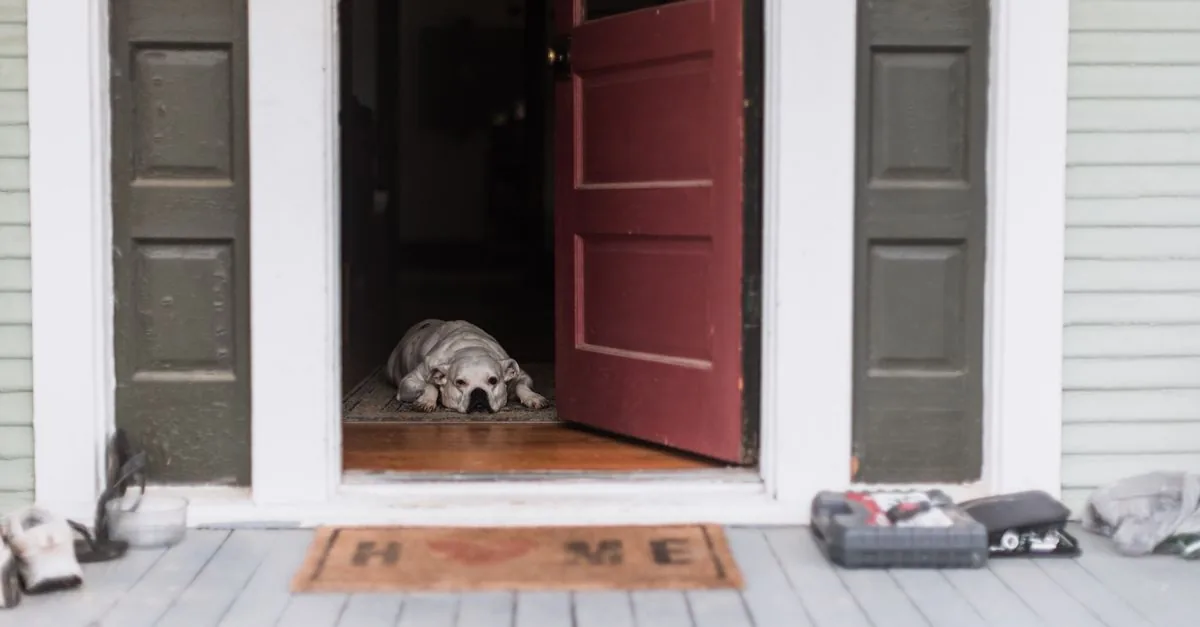
Dog in an Apartment - What Polish Law Actually Says, and What's a Myth

Neither a housing cooperative nor a homeowners' association in Poland can impose a blanket ban on keeping a dog in your own flat - that would violate protected property rights. What they can regulate is behaviour in shared spaces: leads and muzzles in lifts and hallways, cleaning up after your dog, and quiet hours. Renting is different - a landlord can legally include a no-pets clause in a lease if it is clearly worded. Persistent rule-breaking has real consequences either way.
You have a dog, or you're planning to get one, and you live in a block of flats. Good news: nobody can ban that outright, as long as the flat is yours. Bad news: that doesn't mean anything goes - and the rules for owned flats, rentals and shared spaces differ more than most owners assume. Here's what Polish law actually says, versus what's repeated as fact on expat forums.
Owned flats - what a housing cooperative cannot do
Start with the biggest myth: a housing cooperative or homeowners' association cannot impose a general ban on keeping a dog in a flat you own. This follows directly from property rights protected under the Polish Constitution and Civil Code - your flat is yours, and how you use it (within the law and rules of social coexistence) is your call. No internal house rules can override that, no matter what gets said at a residents' meeting.
What a cooperative or association can regulate is behaviour in shared spaces - stairwells, lifts, courtyards. Typical clauses in a building's house rules include:
- keeping the dog on a lead in the lift and stairwell,
- requiring a muzzle for larger dogs in shared spaces (less common, but it happens),
- cleaning up after the dog on the property grounds,
- restricting a large dog from entering a lift with other residents without their consent, if the rules say so.
Check the specific building's house rules, since these clauses vary between associations - there's no single national standard beyond the general principle of social coexistence.
When it gets serious - persistently disruptive behaviour
The law protects your right to keep a dog, but it doesn't protect you from consequences if you regularly make life difficult for neighbours. If an owner persistently breaches order in the building - the dog constantly disturbs others, damages shared property, or endangers other residents - the homeowners' association can, in extreme cases, take the matter to court to force the sale of the flat. This is a last resort, rarely used, but it's real - and it shows that "it's my flat, I can do anything" isn't the full picture.
Before it gets there, the usual escalation path looks like this:
- A conversation with the neighbour - usually the fastest and most effective step.
- A report to the cooperative's or association's management board.
- Calling municipal police or the police, if the noise genuinely disturbs public order.
- A civil court complaint in a long-running conflict.
Noise and barking - what actually happens
Polish law has no dedicated statute punishing barking specifically. In practice, the relevant basis is Article 51 §1 of the Code of Petty Offences, which penalises disturbing the peace, public order or night rest "by shouting, noise, alarm or other disorderly conduct." If a dog barks persistently, especially at night (conventionally 10pm-6am, though there's no strict statutory definition), and someone reports it, municipal police or the police can issue a fine.
In practice, fines are rare and usually only follow several interventions - a report first has to be verified as a genuine disturbance, not a single bark. If your dog barks when left alone, treat it as a sign to work on the underlying cause (boredom, separation anxiety) rather than only a legal problem - more on that in our separation anxiety guide.
Renting - a different story from ownership
This is where most confusion starts. Many owners have heard that "a landlord can't ban pets" - and that's not true for rentals. Unlike a housing cooperative, which cannot ban you from keeping a dog you already own in your flat, a landlord can legally include a no-pets clause in a lease - a result of freedom of contract, one of the basic principles of Polish civil law.
For such a clause to be enforceable, it needs to be:
- clearly and precisely worded in a document signed by both parties,
- in practice, usually justified by protecting the property's furnishings, technical condition, or other residents' interests.
Breaking such a clause can be grounds for terminating the lease under the law protecting tenants' rights. In other words: before signing a lease with a dog already in tow, or with plans to get one, read the pet clauses carefully - that's one of the most important things to negotiate before signing, not after.
Table - owned flat versus rental
| Owned flat (cooperative/association) | Rental | |
|---|---|---|
| General ban on keeping a dog | Not possible - violates property rights | Possible, if clearly stated in the lease |
| Rules in lifts/stairwells | Can be regulated in house rules | Usually not applicable - it's the building's matter |
| Consequences of breaking the rules | Fine for noise, in extreme cases forced sale of the flat | Lease termination |
| What to check before moving in | The building's house rules | Pet clauses in the lease |
Breeds requiring a permit - a separate matter
Regardless of building rules, Poland has an official list of dog breeds classified as dangerous, set by a Ministry of the Interior regulation of 28 April 2003 - including the American Pit Bull Terrier, Rottweiler, Dogo Argentino, Tosa Inu, American Bulldog, Presa Canario, Caucasian Shepherd, Akbash Dog and a few others. Keeping or breeding a dog of one of these breeds requires a permit from the local mayor's office, applied for before you get the dog. This rule is independent of whether you live in a block of flats, a townhouse or a detached home - worth knowing before you commit to a dog from this list.
Checklist - getting ready for apartment life with a dog
Before bringing a dog into a flat in a block (or moving with one already), check:
- The building's house rules - clauses on leads, muzzles, cleanup, breed restrictions.
- The lease (if renting) - whether there's a pet clause and how it's worded.
- Lift and stairwell traffic patterns - so you can plan walk times that avoid the busiest hours.
- Noise levels in the flat - thin walls plus a vocal dog is a combination that needs training ahead of time, not a shouting match with neighbours after the fact.
- A permit for a dangerous-list breed, if it applies - apply before you get the dog, not after.
Neighbourhoods that actually work
Most apartment conflicts over dogs don't come from the law - they come from a lack of communication. A neighbour who doesn't know your dog is scared of fireworks reacts differently from one who does. Sometimes the best "rule" is simply knowing the people on your floor and street before a misunderstanding happens.
The DOGOUT map shows you who else nearby lives with a dog - it makes it easier to build a real neighbourhood pack instead of anonymous noise disputes. Get out there, meet people from the area, and give the dogs a good reason to get along before a single shared walk has to do all the work.
Frequently asked questions
- Can a housing cooperative in Poland ban keeping a dog?
- No, a blanket ban on keeping a dog in your own flat is unlawful - it would violate constitutionally protected property rights. A cooperative or association can regulate how dogs behave in shared spaces such as stairwells, lifts and courtyards.
- Can a landlord ban dogs in a rental in Poland?
- Yes, if the clause is clearly worded and signed by both parties. Renting works under freedom of contract, unlike ownership. Breaking a clear no-pets clause can be grounds for terminating the lease.
- Does a dog need a muzzle in the lift or stairwell?
- It depends on the specific building's house rules - some cooperatives require a lead or muzzle for larger dogs in shared spaces like lifts. Check your building's rules of order, since these vary between associations.
- What happens if a dog barks persistently in an apartment building?
- In practice, this falls under the article of the Polish Code of Petty Offences covering disturbance of the peace, which can lead to a fine after a report to municipal police. In extreme, prolonged cases of a resident persistently disturbing order, the association can even take a case to court to force the sale of the flat.
- Do some dog breeds need a special permit to keep in a Polish city?
- Yes - breeds listed by law as dangerous (including Rottweiler, Dogo Argentino, Tosa Inu and Caucasian Shepherd) require a permit from the local mayor's office, applied for before you get the dog. This applies regardless of the building's own rules.