How to Choose Dog Food - A Decision, Not an Impulse Buy
Choosing dog food starts with the dog, not the packaging - age, size, activity level and any health issues matter more than the marketing on the bag. Dry food is convenient and usually cheaper, wet food hydrates better and appeals to fussy eaters, and raw (BARF) diets need real knowledge to stay balanced. Always switch food gradually over 7-10 days, and check with a vet, not an influencer, whenever health is a factor.
You're standing in a pet shop, or scrolling an online store, staring at fifty bags shouting "premium," "holistic" and "grain-free." Which one do you pick? The answer isn't on a label with a nice photo of meat - it's in your dog: their age, size, activity level and health. Here's how to treat it as a decision, not a lottery.
Start with the dog, not the food
Before comparing a single bag, answer a few questions:
- How much does the dog weigh, and what's their likely adult size? Large breeds have a different growth pace and different joint risks than small ones.
- How old are they? Puppies, adults and seniors have different energy needs.
- How active are they day to day? A dog running through the woods for two hours needs more calories than a couch companion on short hallway walks.
- Do they have confirmed health issues? Food allergies, kidney disease, a sensitive stomach - these narrow the choice more than any brand's marketing.
- What's your budget? Good food doesn't have to be the most expensive on the shelf, but food that's dramatically cheap usually means more fillers and less real meat.
Only once you have these answers is it worth reading labels.
Dry, wet or raw - three paths, not one right answer
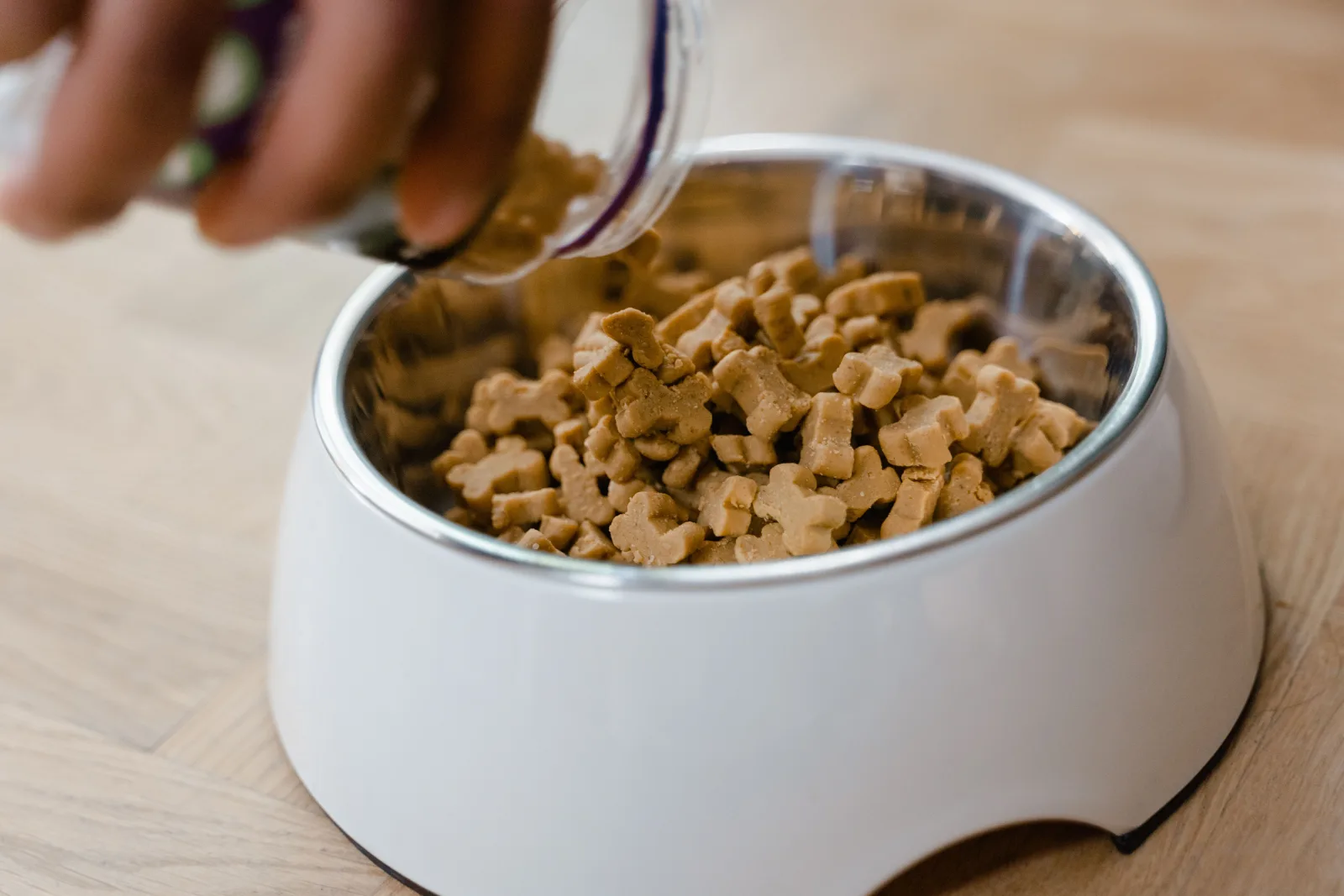
Dry food (kibble) is the most popular choice - convenient to store, usually cheaper per feeding day, keeps longer once opened, and helps mechanically clean teeth as the dog chews. The downside: low water content, so a dog that doesn't drink much needs constant access to fresh water.
Wet food (cans, pouches) tends to be more palatable - it works well for fussy eaters, seniors with a weaker appetite, or dogs recovering from illness. It hydrates better than dry food, but costs more per calorie and spoils faster once opened.
Raw (BARF) diets have devoted fans convinced of their naturalness, but they require real knowledge - a well-balanced raw diet accounts for the right ratios of meat, bone, offal and vitamin/mineral supplements, and mistakes in that balance don't show up immediately - they build up over months. If you want to try it, start with a veterinary nutritionist consultation, not the first recipe you find online.
Many owners combine both types - dry food as a base plus a wet-food topper for flavour and hydration. That's completely normal practice, as long as both are good quality and you're not doubling up on calories beyond what the dog needs.
How to read a label without falling for marketing
A dog food label can be misleading - "with real meat" on the front says nothing about the actual content. Instead, check:
- The first ingredient - ideally a specific protein source ("chicken," "salmon"), not a vague "meat meal" or "animal by-products" without specifying the species.
- A "complete and balanced" label under FEDIAF standards (the European pet food industry federation) - confirmation the food covers a dog's full daily nutritional needs, not just a snack or topper.
- The position and quantity of grain fillers - corn or wheat aren't inherently "toxic," despite some marketing trends suggesting otherwise, but if they dominate the first few ingredients at the expense of protein, that's a sign of lower-quality food.
- Life-stage matching - "junior," "adult," "senior," "large breed puppy" aren't marketing gimmicks, they reflect real differences in nutrient ratios.
Allergies and food sensitivities
If a dog scratches without an obvious cause, has recurring ear problems, or frequent diarrhoea, consider a food allergy or intolerance - the proteins most common in commercial food (chicken, beef, wheat, dairy) are also the most common allergens. Diagnosis usually requires an elimination diet run under a vet's guidance, not self-directed hopping between "hypoallergenic" bags off the shelf - more on recognising allergy symptoms in our dog allergies guide.
How to switch food safely
A sudden food switch is one of the most common causes of diarrhoea and vomiting in dogs - even when the new food is objectively better quality than the old one. Gut flora needs time to adapt. A safe 7-10 day schedule looks like this:
| Days | Old food | New food |
|---|---|---|
| 1-2 | 75% | 25% |
| 3-4 | 50% | 50% |
| 5-6 | 25% | 75% |
| 7+ | 0% | 100% |
If the dog has a sensitive stomach, stretch this out to two weeks. Watch stool consistency, appetite and energy levels - those are the best indicators of whether the new food actually agrees with your dog.
Common mistakes when choosing food
- Buying food "because a neighbour recommended it" without accounting for differences between dogs - what works for one dog may not suit another with a different weight, activity level or stomach sensitivity.
- Ignoring the portion guide on the bag and feeding by eye - a quick route to weight gain, especially in less active breeds.
- Constantly hopping between brands looking for "the one" - frequent switches make it impossible to judge whether a given food actually works, and stress the digestive system.
- Choosing purely on price without checking the ingredient list - very cheap food often means more fillers, less real protein, and worse digestibility, which can end up costing more at the vet down the line.
- Ignoring the dog's signals - persistent itching, changed stool consistency, or a drop in energy are signs to review the diet, not wait for it to pass on its own.
What it actually costs
Food is usually the single biggest recurring line item in a dog's budget - for the full cost breakdown (food, vet care, grooming), see our cost of owning a dog guide. Good food doesn't have to mean the top price bracket - what matters is the match to your specific dog, not the price tag alone.
A decision worth making deliberately
Food is one of the few decisions you make for your dog several times a day, every day, for years - it deserves more attention than the first bag on the shelf. Start with the dog's needs, read the ingredient list instead of the front of the bag, and ask a vet, not a forum, whenever health is involved.
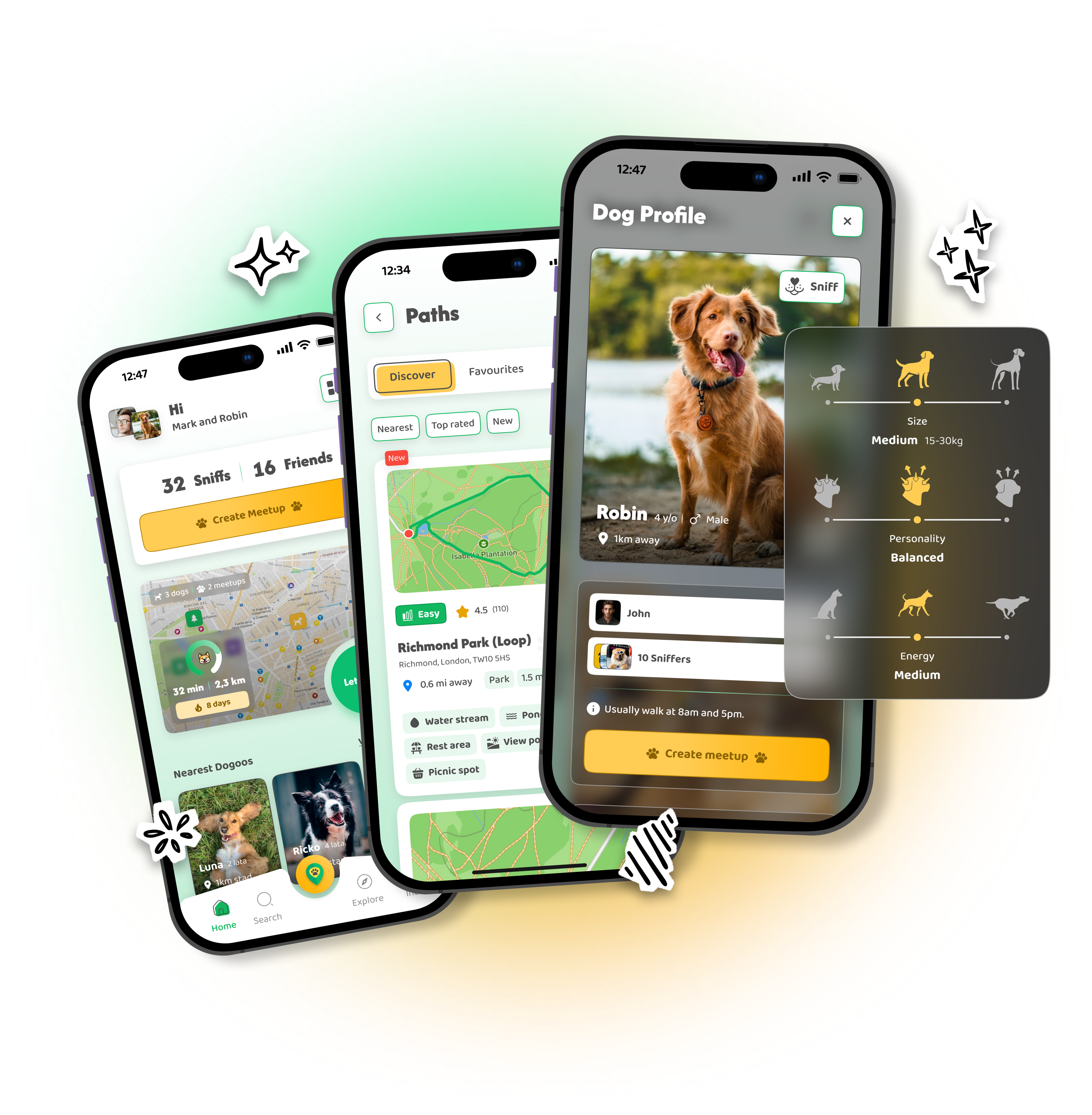
Once the diet is sorted, don't forget the other half of the equation - movement. The DOGOUT map shows walking spots and people nearby to walk with, because no food, however good, replaces a solid dose of fresh air.
Frequently asked questions
- Is dry or wet food better for a dog?
- Neither is universally better - it depends on the dog. Dry food is more convenient, cheaper per portion, and helps with dental health. Wet food hydrates better and tends to be more palatable, which suits older dogs, dogs recovering from illness, or fussy eaters. Many owners combine both.
- How long should switching dog food take?
- A safe switch takes 7-10 days, gradually increasing the new food's share in the bowl (e.g. 25% new / 75% old for the first couple of days, then 50/50, then reversed). A too-fast switch is the most common cause of diarrhoea and vomiting when changing food.
- Is a raw (BARF) diet safe for dogs?
- It can be, but it requires real knowledge - a poorly balanced raw diet leads to vitamin and mineral deficiencies that don't show up immediately, only after months. If you're considering BARF, work out the meal plan with a veterinary nutritionist, not just recipes found online.
- What should I look for in a dog food's ingredient list?
- Check that a specific protein source (e.g. 'chicken', not 'meat meal') sits at the top of the list, avoid foods where grain fillers dominate the first few ingredients, and look for a 'complete and balanced' label under FEDIAF standards - that's confirmation the food covers a dog's full daily needs, not just a treat-level product.
- Can a puppy eat the same food as an adult dog?
- It shouldn't - puppies have higher energy, protein and mineral needs to support bone and joint growth, especially in large breeds. Puppy food (and for big breeds, dedicated 'large breed puppy' formulas) isn't marketing - it reflects a real difference in composition.