How to Choose a Dog Breed - from Lifestyle to Temperament
Choose a breed whose energy level and daily needs match your actual life - not the Instagram version of it. Assess your time for walks, your home size, your experience with dogs, and your grooming budget. A breed's character (shaped by its original working purpose) matters more than its looks - a herding dog in a small flat with nothing to do is a recipe for trouble.
You fall for a breed photo, picture perfect morning runs together, and then reality hits: your new companion howls for two hours when you leave for work, or bolts after cyclists with force you never expected. Choosing a dog breed is not shopping - it is a 10-to-15-year commitment. Here is how to get it right.
Start with yourself, not with the dog
Before browsing breed catalogues, answer a few honest questions:
- How much time can you give to walks? One hour a day or three? On workdays or mostly weekends?
- How much space do you have? A city flat or a house with a garden?
- What is your experience with dogs? First dog ever, or one of many?
- Are there children or other animals in the home?
- What is your budget for grooming? Professional clipping every 6-8 weeks is a real recurring cost.
Your answers will narrow the field faster than any "top 10 breeds" list.
Understand where the breed comes from
Every breed was developed for a specific job - and that job still shapes its character today. A dog whose ancestors spent centuries chasing prey will not become a couch companion just because you want a quiet life.
| Breed group | Example breeds | Typical traits | Energy level |
|---|---|---|---|
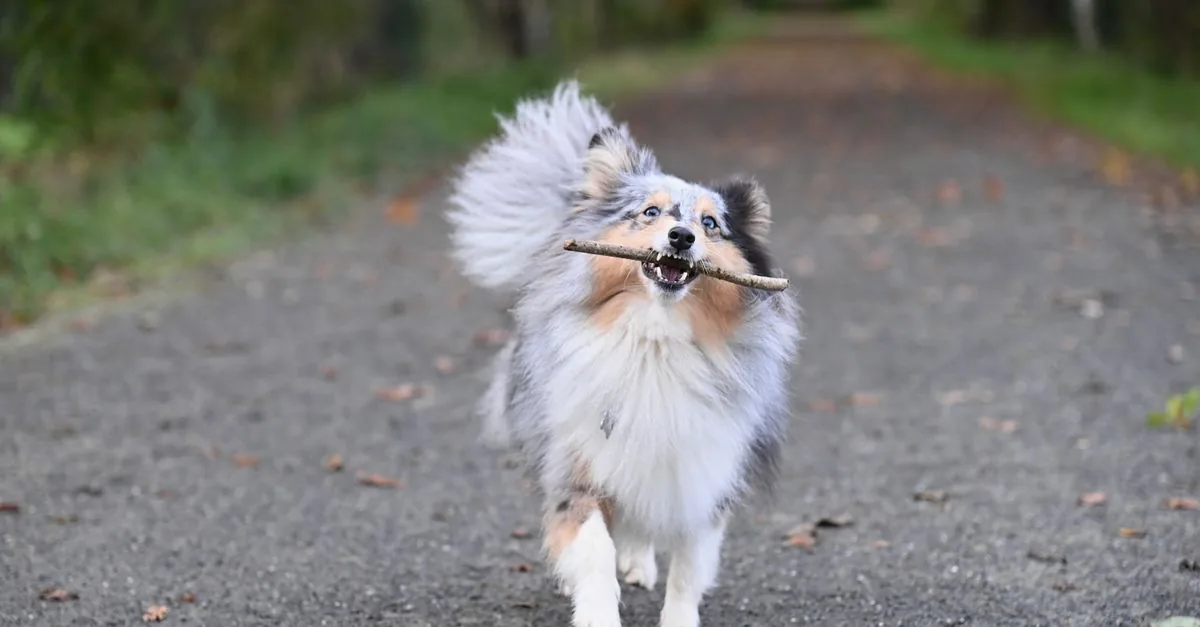
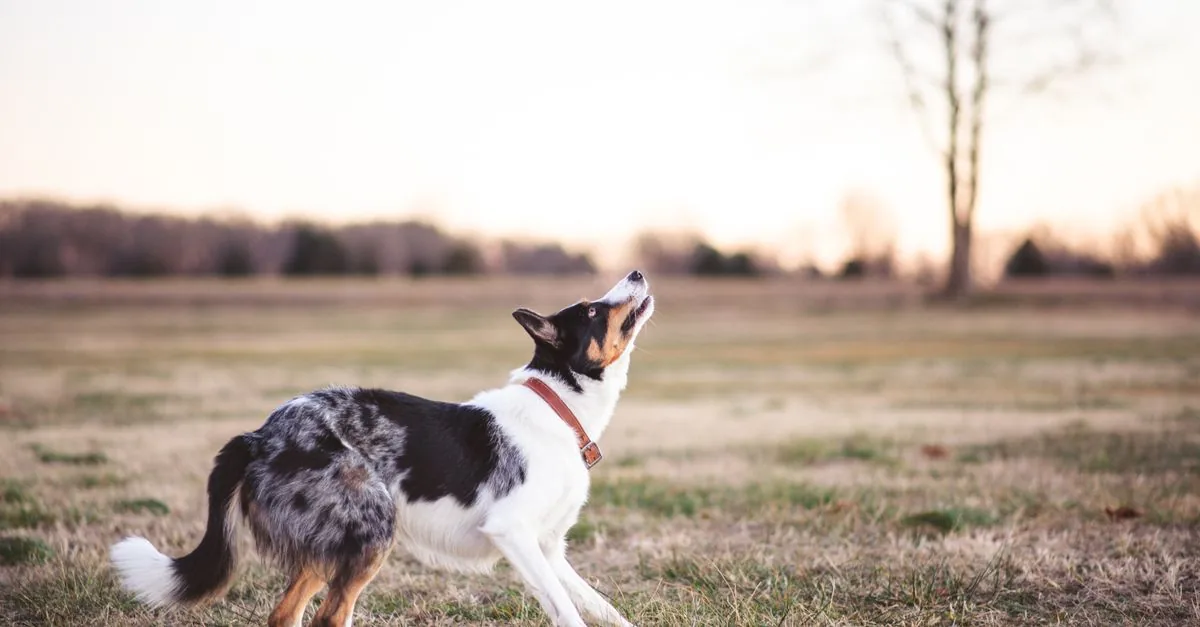
| Herding and pastoral | Border Collie, Australian Shepherd, Belgian Malinois | High intelligence, strong need for a job | Very high |
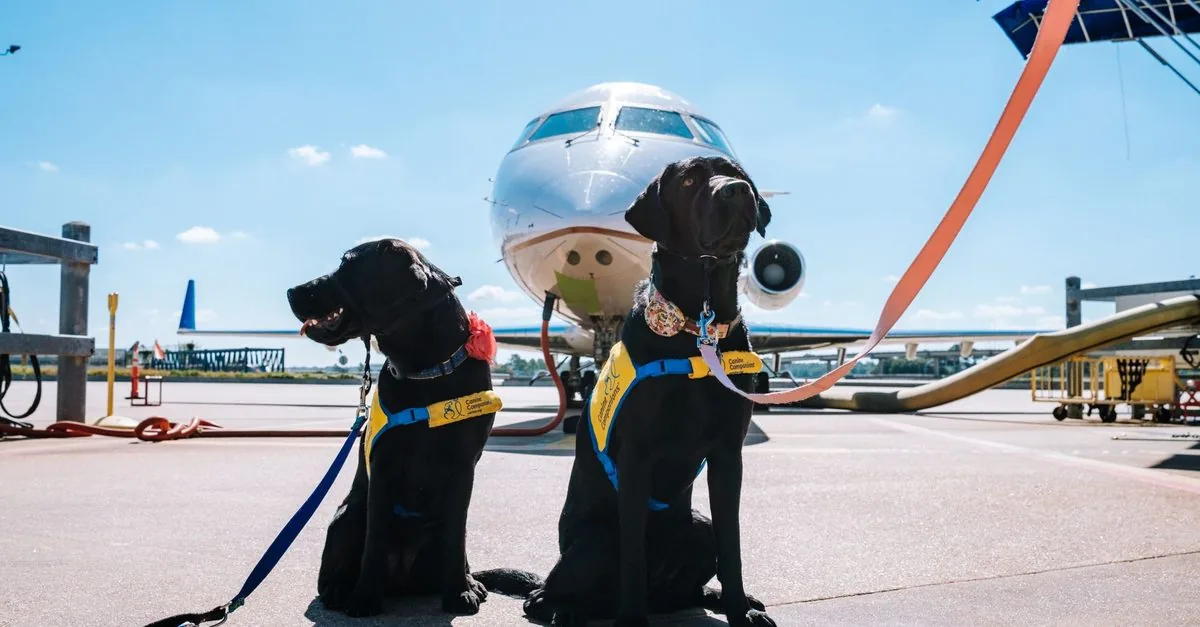
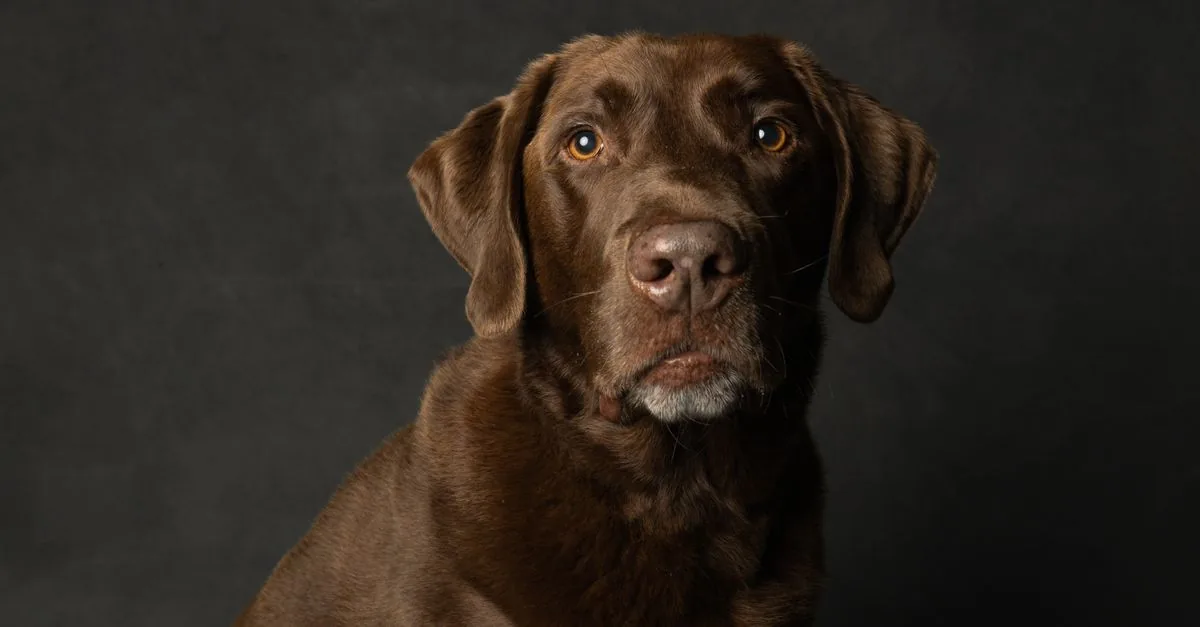
| Gun dogs - retrievers | Labrador, Golden Retriever, Spaniel | Sociable, eager to learn | High to moderate |
| Scent and sight hounds | Beagle, Greyhound, Basset Hound | Strong nose or speed, independent streak | High to variable |
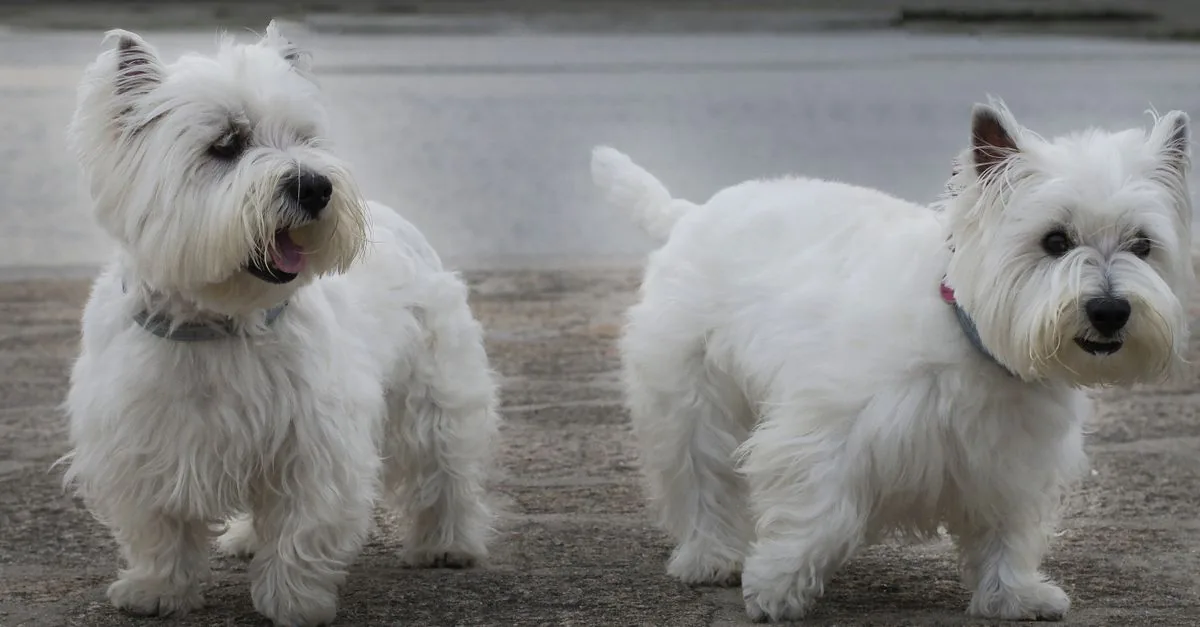
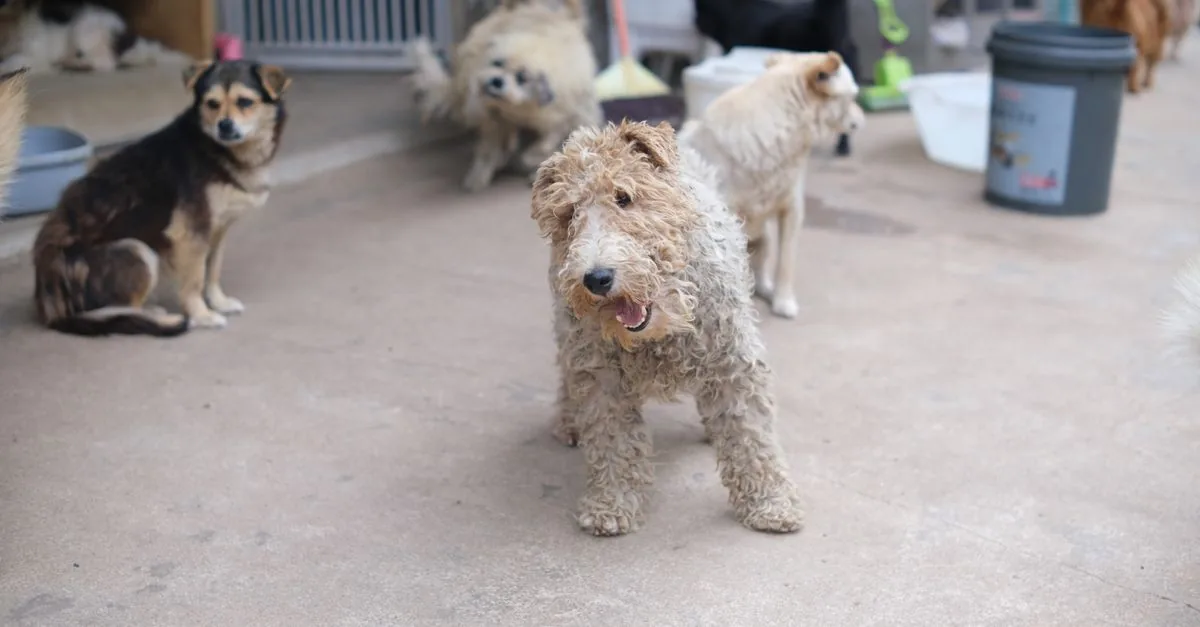
| Terriers | West Highland Terrier, Fox Terrier | Stubborn, alert, feisty | Moderate to high |
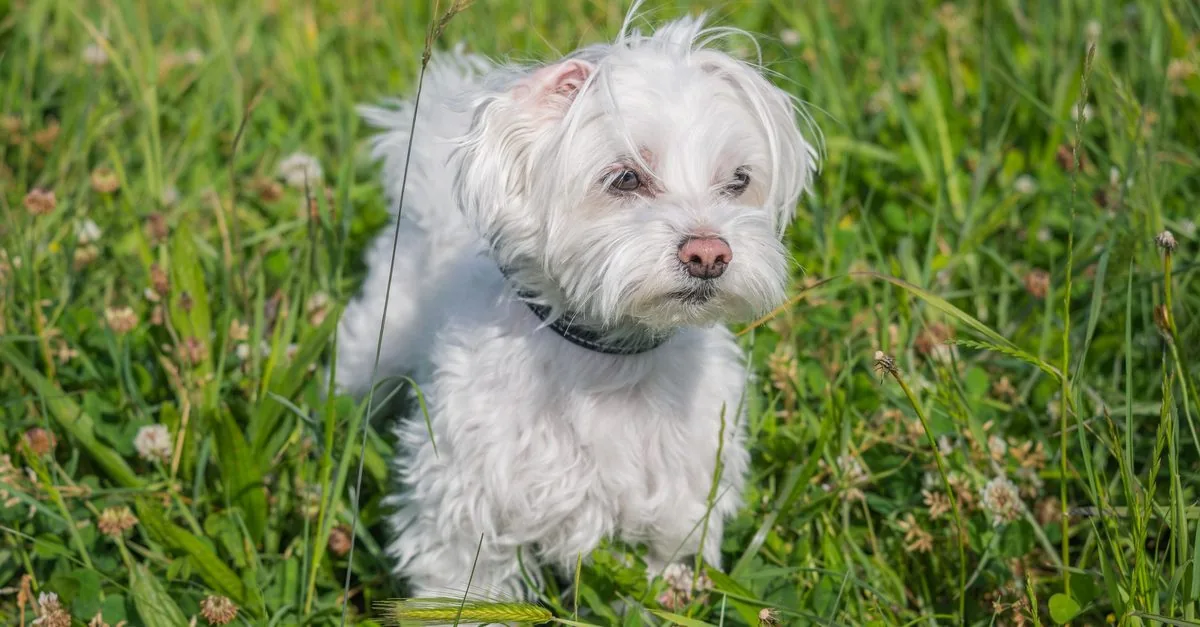
| Toy companions | Maltese, Chihuahua, Pomeranian | Strong owner attachment, can be vocal | Low to moderate |
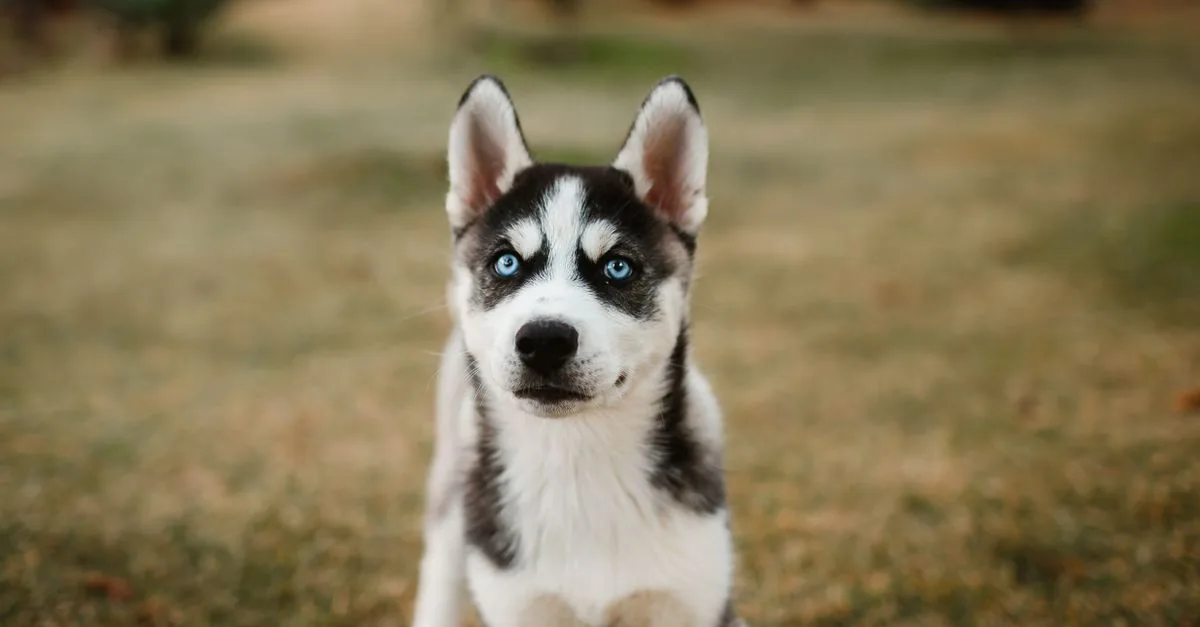
| Working | Husky, Rottweiler, Boxer | Strength, independence, needs leadership | High |
| Classic companion | Cavalier King Charles Spaniel, Bichon, Pug | Calm, adaptable, sociable | Low to moderate |
The FCI (Fédération Cynologique Internationale) organises breeds into 10 groups by origin and function - understanding which group your target breed belongs to tells you more about its needs than any single-paragraph description.
Energy is the deciding factor
The most common mistake when choosing a breed: matching looks instead of energy level. A dog that does not get enough physical exercise and mental stimulation does not sit quietly - it barks, destroys things, digs, or escapes. That is not a problem dog; that is a bored dog.
Estimate energy needs honestly:
- Low energy (Pug, English Bulldog, Greyhound at rest): 30-45 minutes of walking per day.
- Moderate (Cavalier, Bichon, Shih Tzu): 1-1.5 hours per day.
- High (Labrador, Beagle, Husky): 1.5-2 hours per day plus active play.
- Very high (Border Collie, Malinois, Jack Russell): 2+ hours of physical activity plus 30-60 minutes of mental training - every single day.
A slow lap around the block does not count as exercise for a high-energy breed. If you want ideas for making walks genuinely stimulating, read our guide on how to make dog walks better.
Size - the thinking trap
Small equals calm? Not always. A Jack Russell Terrier would have the same character at 8 kg as it would at 30. Yorkshire Terriers can out-bark a Labrador. A Shih Tzu, on the other hand, is surprisingly relaxed for such a glamorous-looking dog.
Size does have practical implications: larger dogs cost more (food, medication, boarding, car space) and require stronger physical control on the lead. But size does not determine activity needs - working history does.
Grooming - the hidden cost
A stunning coat takes work. Before adopting or buying, check:
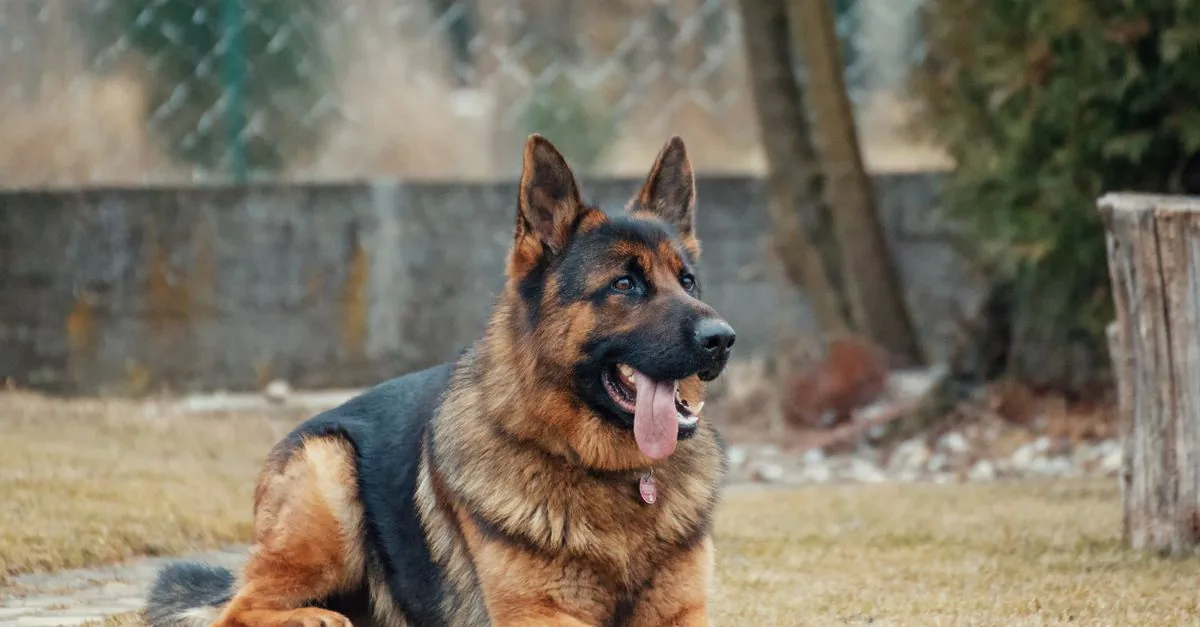
- Shedding: Huskies, Labradors, and German Shepherds shed year-round and heavily during moulting seasons. Expect dog hair on everything.
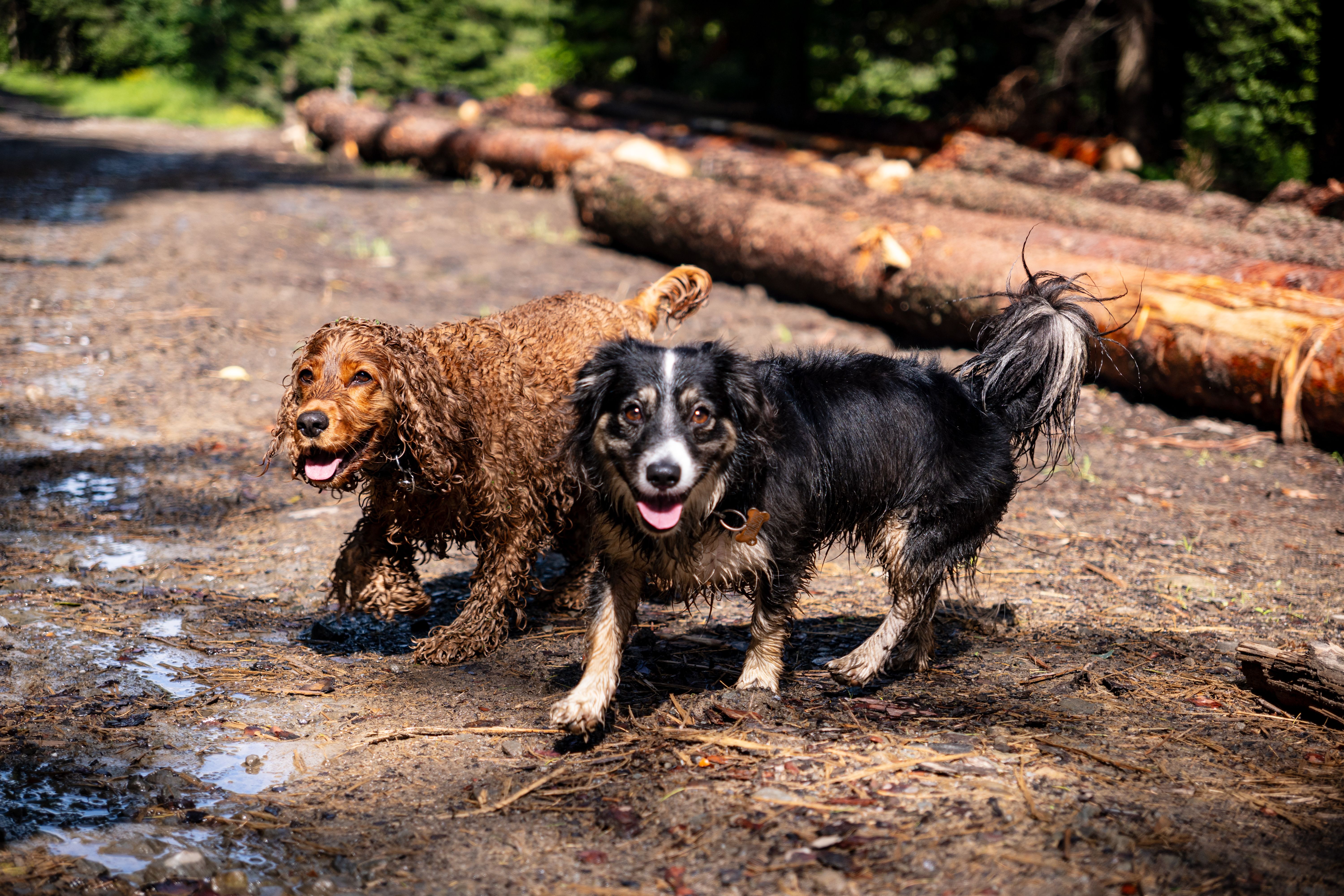
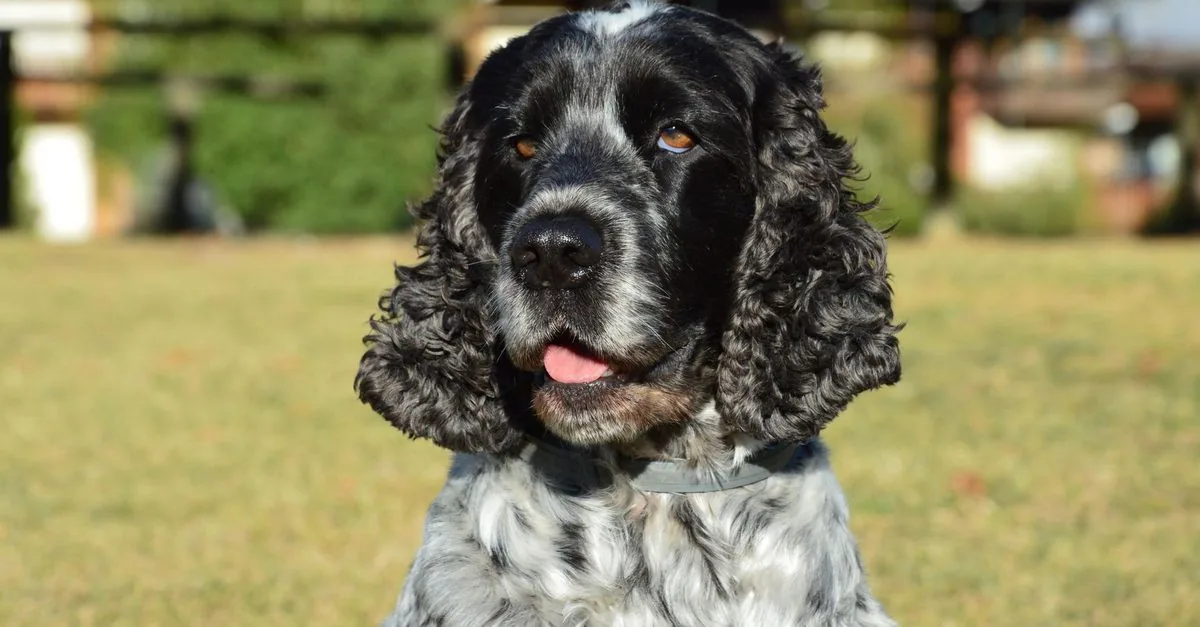
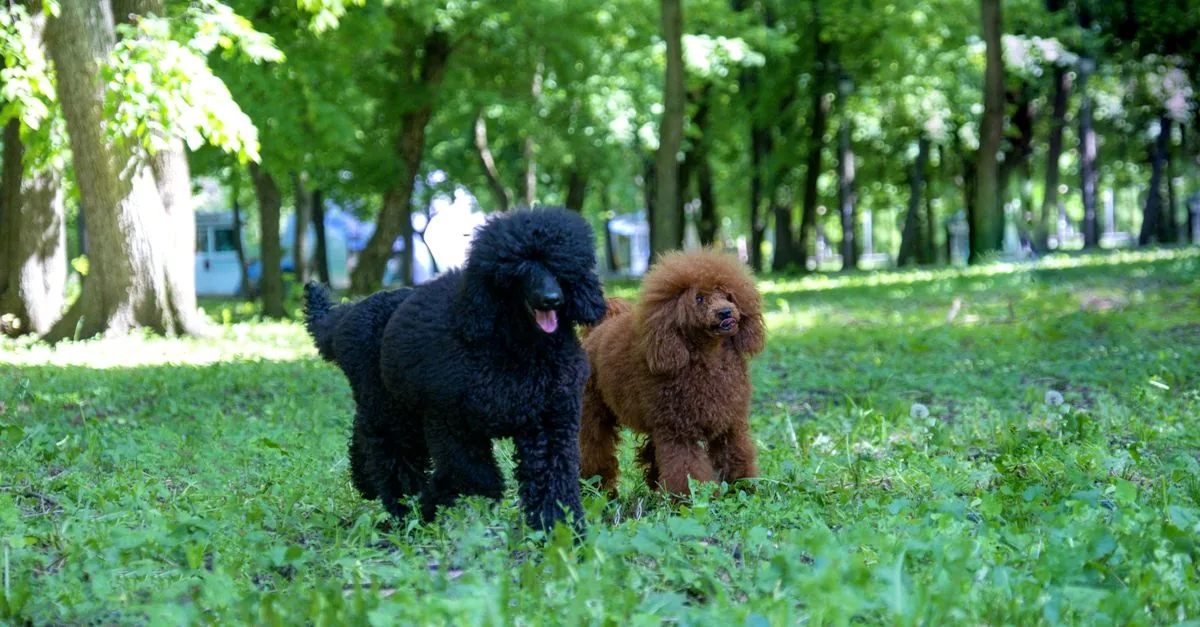
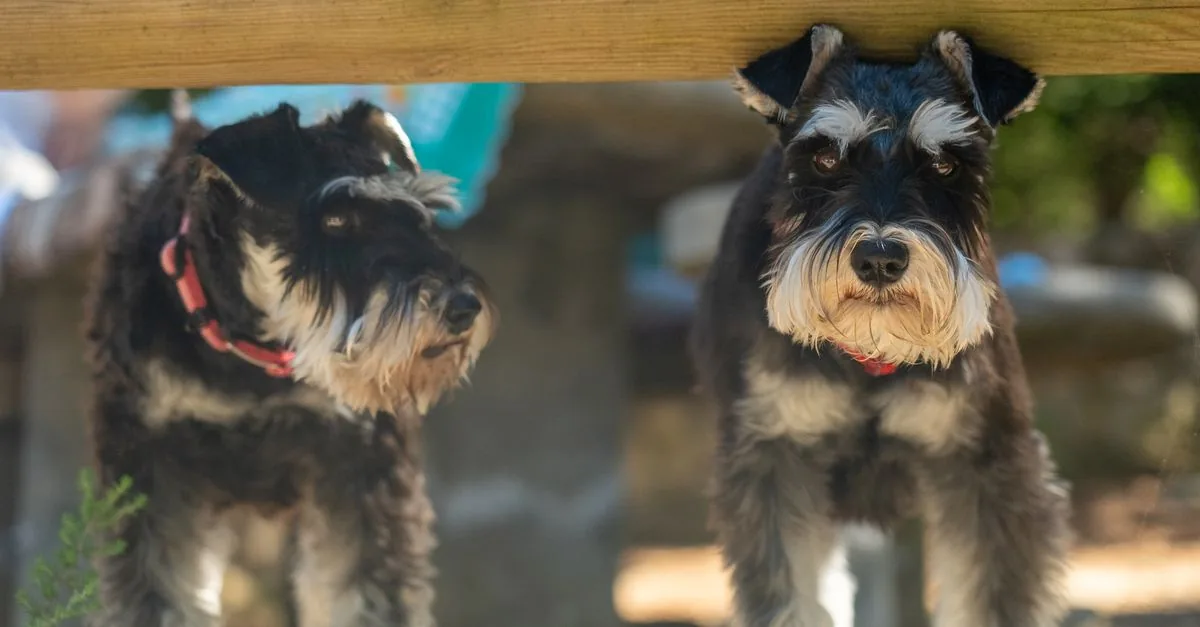
- Clipping: Low-shedding breeds (Poodle, Schnauzer, Cocker Spaniel) need regular professional grooming - factor in the recurring cost.
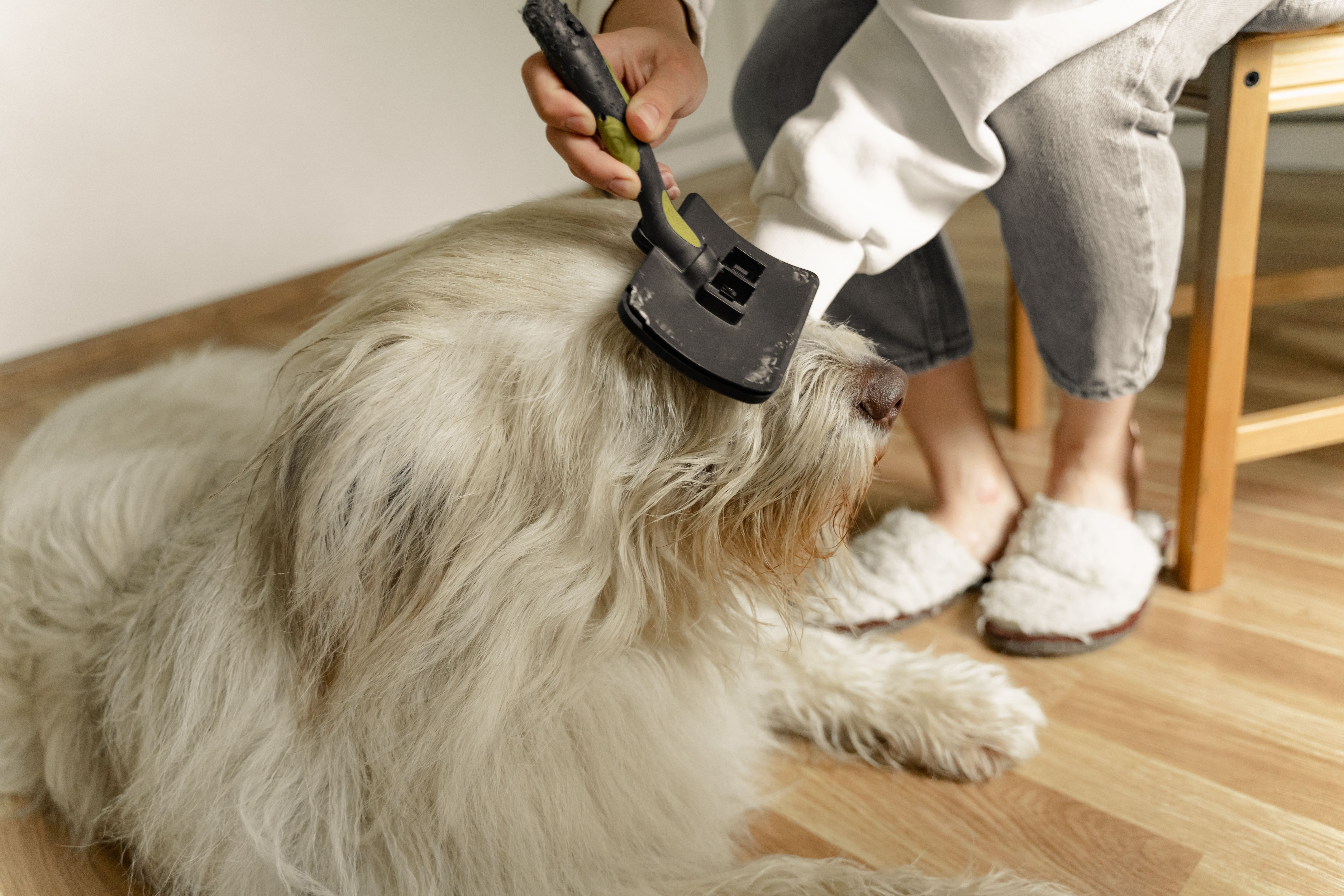
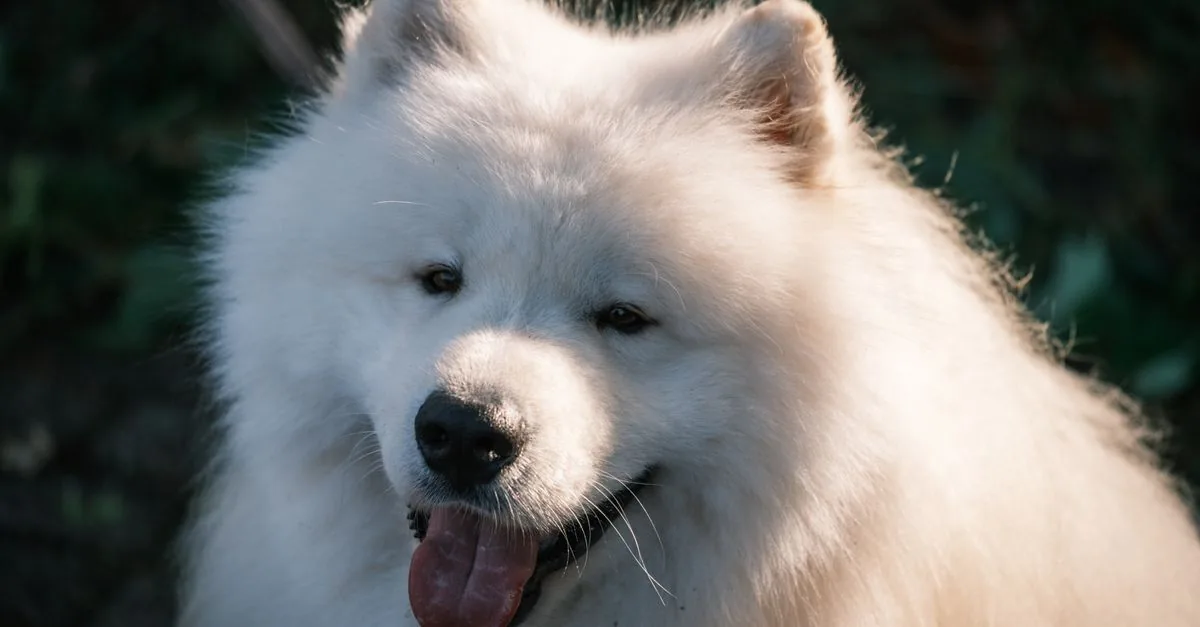
- Daily brushing: Long or double-coated breeds (Chow Chow, Maltese, Samoyed) need daily brushing or their coats mat quickly.
If allergies are a concern for someone in your household, our article on hypoallergenic dogs covers breeds with lower shedding and what the science actually says.
Owner experience - be honest with yourself
Some breeds are forgiving of mistakes. Others are not. A dog with strong herding instincts, a high prey drive, or a naturally dominant temperament needs an owner who understands dog communication, sets clear boundaries, and trains regularly.
Breeds recommended for a first dog: Labrador Retriever, Golden Retriever, Cavalier King Charles Spaniel, Beagle, Standard or Miniature Poodle. They are sociable, trainable, and patient with inexperience.
Breeds that need experienced handling: Belgian Malinois, Border Collie, Siberian Husky, Rottweiler, Akita - not because they are "bad", but because they have strong instincts that require skilled, consistent guidance.
Rescue or breeder
Adopting from a rescue or shelter is a genuinely good option - most dogs there are mixed breeds, often already with some basic training, and experienced rescue volunteers can help match a dog to your lifestyle better than any breed quiz. In Poland, around 44% of owned dogs are mixed breeds, according to survey data.
If you decide on a pedigree dog, look for a breeder registered with a national kennel club. A good breeder will ask you as many questions as you ask them - they want the puppy to go to the right home.
Meet breeds in real life before you decide
Photos and videos are not enough. Visit dog shows, talk to owners you meet on walks, and spend time with different breeds in parks and off-lead areas. Ask real owners about the daily reality - not just the highlights.
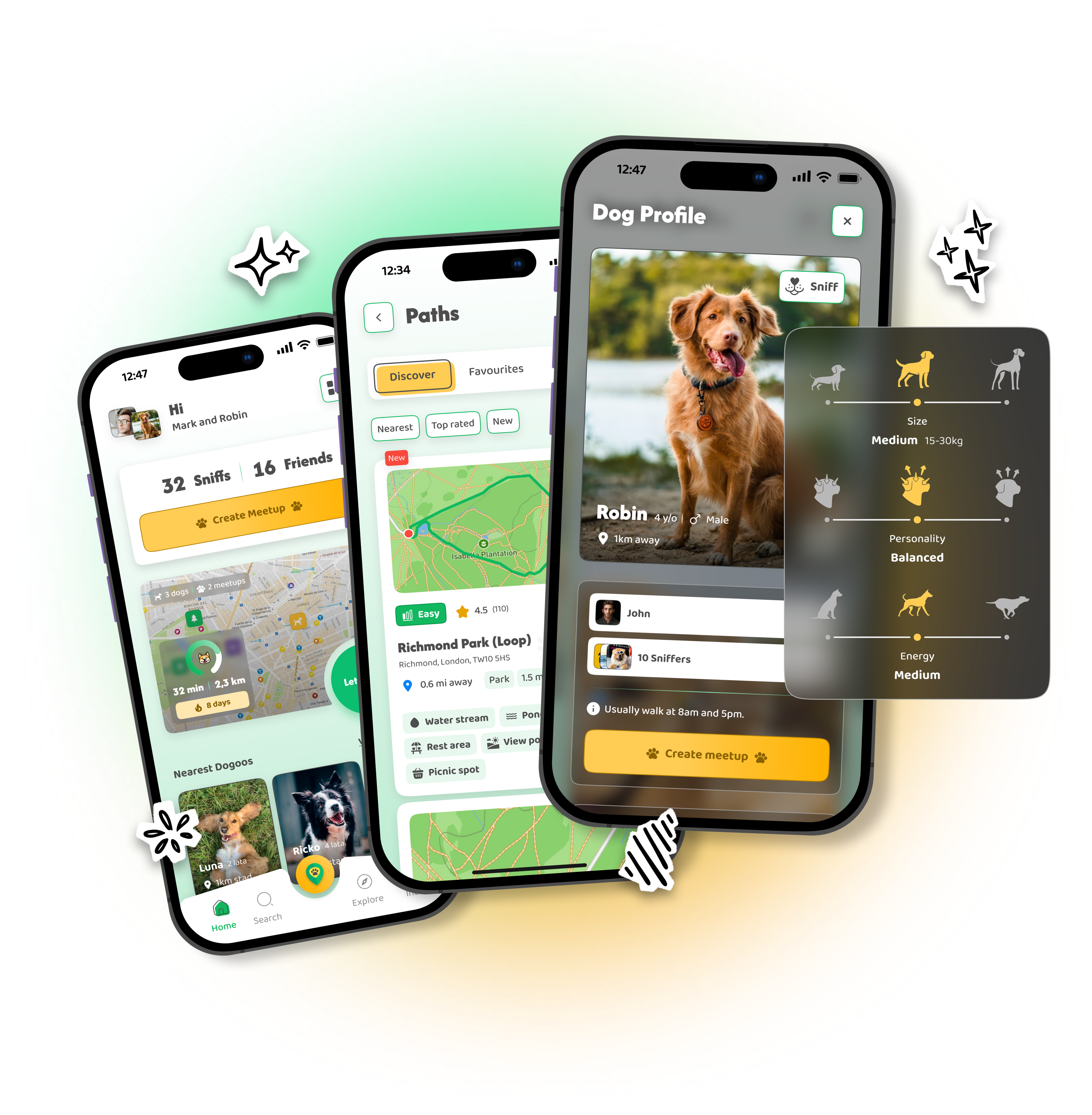
The DOGOUT map shows dog-friendly spots near you - parks, off-lead areas, and open spaces. Get out there, chat with the pack, and use those conversations to see how different breeds actually behave day to day before you commit to one for the next 12 years.
Frequently asked questions
- What is the best dog breed for first-time owners?
- Golden Retrievers, Labrador Retrievers, and Cavalier King Charles Spaniels consistently rank well for beginners - they are sociable, eager to please, and forgiving of owner mistakes. That said, matching energy level to your lifestyle matters more than any specific breed recommendation.
- Can a large dog live in a flat?
- Yes, if it gets enough exercise and mental stimulation. Some large breeds - like the Greyhound - are surprisingly calm indoors. The issue is energy, not size: an active Border Collie in a studio flat is a problem, a calm English Bulldog may not be.
- How do I know if a breed is good with children?
- Look for breeds known for patience and gentleness: Labrador, Golden Retriever, Beagle, Cavalier King Charles Spaniel. Early socialization is also key - every dog needs to learn how to interact with children regardless of breed. Avoid high-herding or strong prey-drive breeds if you have very young children.
- Is a mixed-breed dog a better choice than a pedigree?
- Mixed breeds often benefit from what is called hybrid vigour and are widely available in rescue centres. The trade-off is less predictability - you may not know how big a puppy will grow or what its temperament will be. A pedigree breed gives you more reliable expectations for behaviour and physical needs.
- What does 'high grooming needs' actually mean?
- Breeds with long or double coats - like Chow Chows, Huskies, or Maltese - need brushing daily or several times a week plus regular groomer visits. Low-shedding breeds like Poodles and Schnauzers shed less but need clipping every 6-8 weeks, which adds up in cost.
- Are herding breeds suitable for city life?
- Herding breeds - Border Collie, Belgian Malinois, Australian Shepherd - are highly intelligent with very high energy. Without hours of daily activity plus mental challenges they will start herding everything in sight or become destructive. City life is possible, but demands serious commitment.