West Highland Terrier (Westie) Temperament - What to Expect
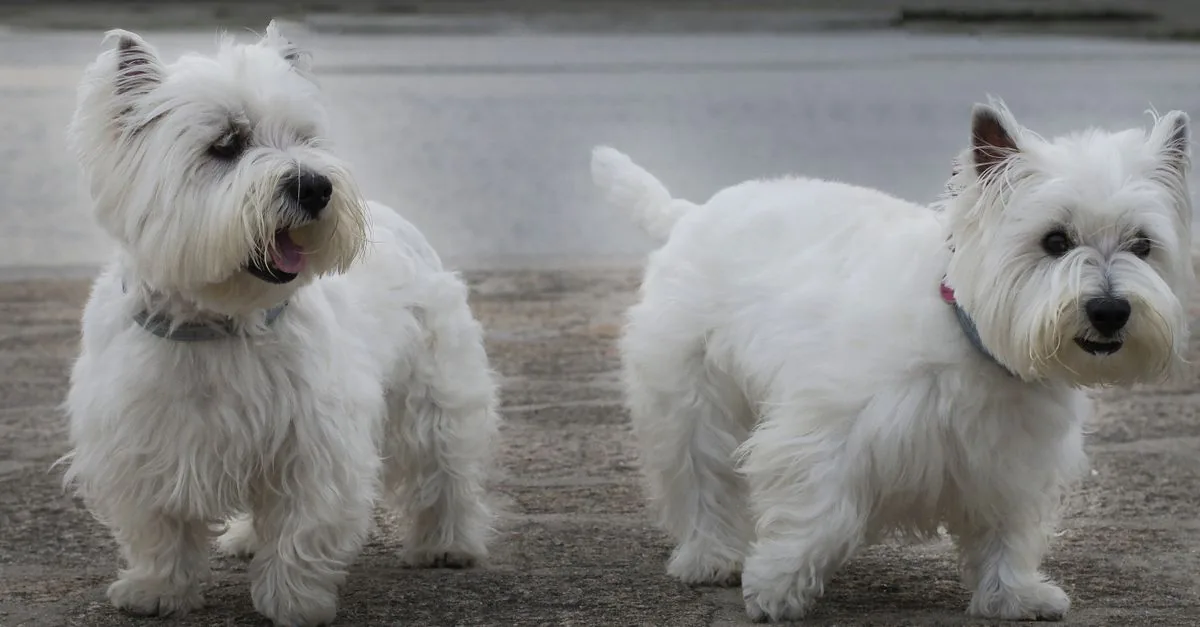
The West Highland White Terrier, or Westie, is a small, confident terrier with an outsized personality. It is bold, lively, devoted to its owner, and alert - which means plenty of barking, because warning is in its nature. A Westie needs around an hour of exercise a day plus mental stimulation, since a terrier brain gets bored fast. The white double coat needs regular grooming, and the breed is prone to skin problems. This is a dog for an active owner who values consistency and won't be wrapped around one small paw.
Small, white, sharp-eyed, and carrying itself like a dog convinced it's in charge. The West Highland White Terrier, or Westie for short, is one of the most recognisable small breeds around. But behind that plush, cuddly outline sits a proper terrier - bold, stubborn, and full of energy. Before you commit to a Westie, it's worth knowing the temperament you're actually signing up for.
Where the Westie comes from and how it shaped the breed
The West Highland White Terrier hails from Scotland, where its ancestors worked as vermin hunters - going to ground after rats, foxes, and other quarry. The white coat wasn't a breeder's whim: it made the dog stand out against the terrain and the prey, so a hunter wouldn't mistake it for the target during a dig.
That heritage explains almost everything about the Westie's character. A dog working underground had to be brave, independent in its decisions, and stubborn - nobody was down the burrow telling it what to do. So today's Westie, even from the comfort of the sofa, still carries a confidence and self-reliance that's surprising in such a small dog.
Core temperament traits
Confidence is the breed's signature. A Westie behaves as though it's far bigger than it is. It isn't intimidated by larger dogs and will happily engage with them, which sometimes calls for a watchful owner.
Alertness and barking come straight from the terrier past. A Westie announces anything it considers worth noting - a natural reflex, not a training failure. Training can reduce it, but you can't switch it off entirely.
Independence and stubbornness mean training a Westie takes patience and consistency. This isn't a dog that performs a command purely to please you - it needs to see what's in it for it. Reward-based, short, interesting sessions work far better than force.
Prey drive stays strong. A Westie can bolt after a cat, a squirrel, or a rustling leaf, so a reliable recall and lead work around wildlife matter.
| Trait | Rating |
|---|---|
| Confidence | Very high - out of proportion to its size |
| Attachment to owner | High - likes to be near the family |
| Tendency to bark | High - a natural alarm dog |
| Trainability | Medium - intelligent but stubborn |
| Energy level | Medium to high - lively for a small dog |
| Prey drive | High - reacts to small animals |
| Tolerance of being alone | Medium - dislikes long solitary stretches |
How much exercise does a West Highland Terrier need
The small size is misleading. A Westie is not a lapdog content with a short trip round the block. An adult needs roughly an hour of activity a day, ideally split across two outings and topped up with play and sniffing.
- Puppy: short, frequent walks and plenty of free play, without straining growing joints.
- Adult Westie: around an hour of exercise daily plus mental stimulation - tracking, scent games, learning tricks.
- Senior: shorter, gentler outings matched to fitness, but still regular.
A bored Westie will dig, bark, and invent its own entertainment. The terrier brain likes a job. If you want to vary your outings, the DOGOUT app shows spots flagged by other owners nearby and helps you meet dogs to play with.
Grooming the Westie coat
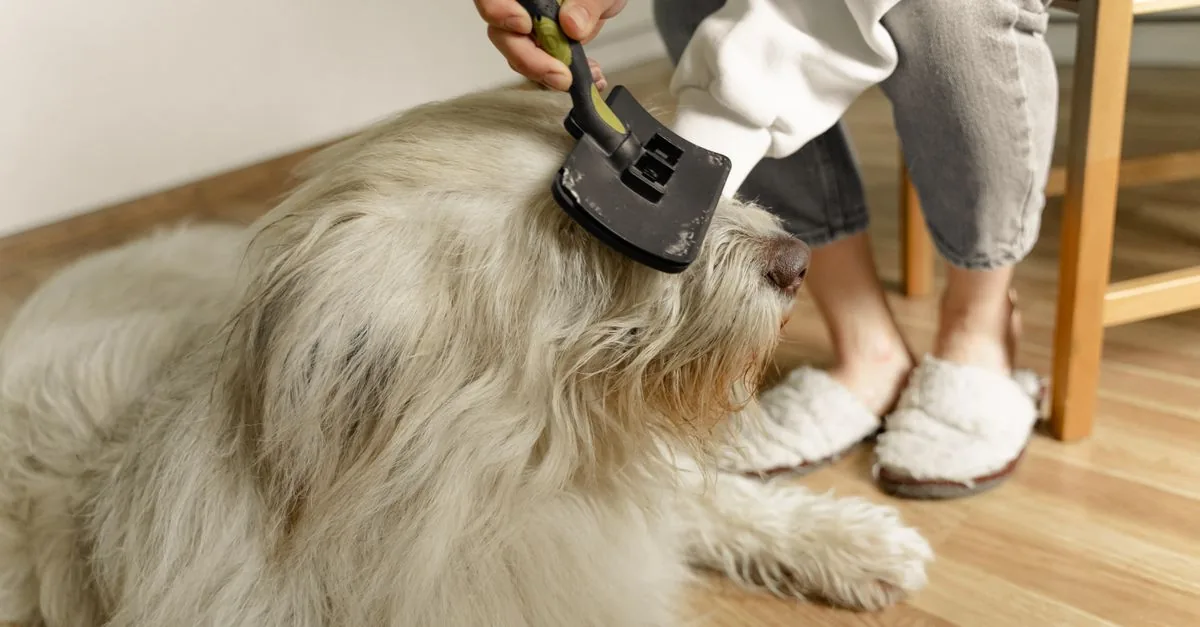
The white double coat is the breed's calling card - and a commitment. The outer coat is harsh and wiry, the undercoat soft. Looking after it means:
- brushing several times a week to prevent matting,
- regular grooming appointments, usually every few weeks,
- hand-stripping, which maintains the correct texture and colour of the coat.
Westies shed relatively little, which can be a plus for sensitive households, but that doesn't make grooming easy. A neglected, damp coat encourages the skin problems the breed is already prone to. For more practical tips, see our guide to dog coat grooming.
Health and common problems
The Westie is generally a healthy, long-lived breed, but it has a few characteristic weak points worth knowing about in advance:
- Skin problems and allergies - the breed is famously prone to atopic dermatitis (often nicknamed "Westie itch"). Persistent scratching, paw-licking, and reddened skin are a signal to see the vet.
- Legg-Calve-Perthes disease - degeneration of the femoral head, more common in small breeds, showing up as lameness.
- Luxating patella - a slipping kneecap typical of small breeds, causing the dog to intermittently skip on a hind leg.
- Pulmonary fibrosis (Westie lung) - a rarer but serious condition in older dogs, marked by coughing and exercise intolerance.
- Dental problems - small breeds are prone to tartar and gum disease, so dental hygiene matters.
None of this means every Westie will get ill. Responsible breeding, weight management, and regular preventive check-ups genuinely lower the risk. Westies live on average around 12 to 16 years.
When to see a vet urgently
Don't delay if your Westie develops a persistent cough with breathlessness, sudden lameness, severe itching with broken skin, lethargy, loss of appetite, or any breathing difficulty. These aren't things to treat with home remedies - diagnosis and treatment are always for a vet to decide.
Is a Westie right for you
A Westie suits you if you like a dog with character, you're ready for consistent training, and you accept barking and regular coat care. It makes an excellent companion for an active owner, flat-dwellers included - provided you supply the exercise and mental work it needs.
A Westie may be the wrong choice if you want a quiet, entirely biddable, low-maintenance dog, or if you have no time for daily activity and training. This breed rewards engagement but doesn't forgive boredom.
As with any breed, what matters isn't the label but the fit with your lifestyle. At DOGOUT, mixed-breeds and pedigrees are equally welcome. If a Westie matches your pace of life, you'll get a brave, cheerful, and loyal companion for well over a decade in return.
Frequently asked questions
- Do West Highland Terriers bark a lot?
- Yes. Westies have a natural tendency to sound the alarm - a legacy of their working-terrier past. They bark at movement outside, the doorbell, and unfamiliar sounds. Consistent training and enough exercise reduce it significantly, but a truly silent Westie doesn't exist.
- How much exercise does a Westie need?
- An adult West Highland Terrier needs around an hour of activity a day, ideally split across two outings plus sniffing and play. It's a small but energetic breed - a lead walk alone usually isn't enough. Scent work, tracking games, and puzzle toys work well.
- Is a Westie good with children?
- Yes, with older, calmer children who respect the dog. Westies are sociable and enjoy play, but they dislike being grabbed or handled roughly. Always supervise contact with young children and teach the child how to approach the dog properly.
- How do you groom a West Highland Terrier's coat?
- The white double coat needs brushing several times a week and regular visits to a groomer. Traditionally the coat is hand-stripped, which keeps the harsh texture. Westies shed relatively little, but a neglected coat mats quickly and encourages the skin problems the breed is already prone to.
- What health problems are Westies prone to?
- The breed is especially known for skin problems and allergies (often called 'Westie itch'), along with conditions such as Legg-Calve-Perthes disease, luxating patella, and pulmonary fibrosis. This doesn't mean every Westie will fall ill - responsible breeding and regular check-ups lower the risk considerably.
- How long do West Highland Terriers live?
- Westies live on average around 12 to 16 years, which is a long life for a dog. Keeping weight, skin, and teeth in good shape, along with regular vet visits, genuinely affects how many of those years the dog stays fit and comfortable.