How to Teach a Dog Recall - the “Come” Command Step by Step
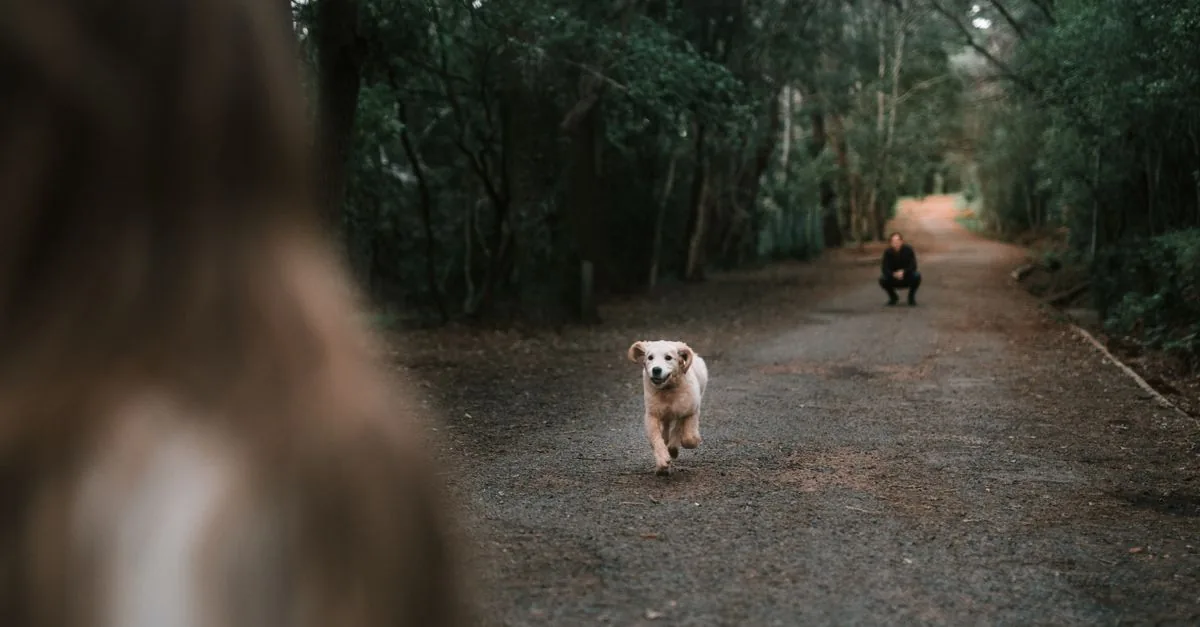
Recall is trained through positive reinforcement: start indoors at short distance, call your dog by name and reward every return with a high-value treat. Gradually add distance, a long line, and distractions. The golden rule: a dog that comes back is NEVER punished - no matter what it was doing before.
Good news to start: every dog can learn to come when called - regardless of breed, age, or how many times it's bolted after a squirrel. It takes time, great rewards, and one ironclad rule you can never break. Let's get into it.
Why is recall the most important command?
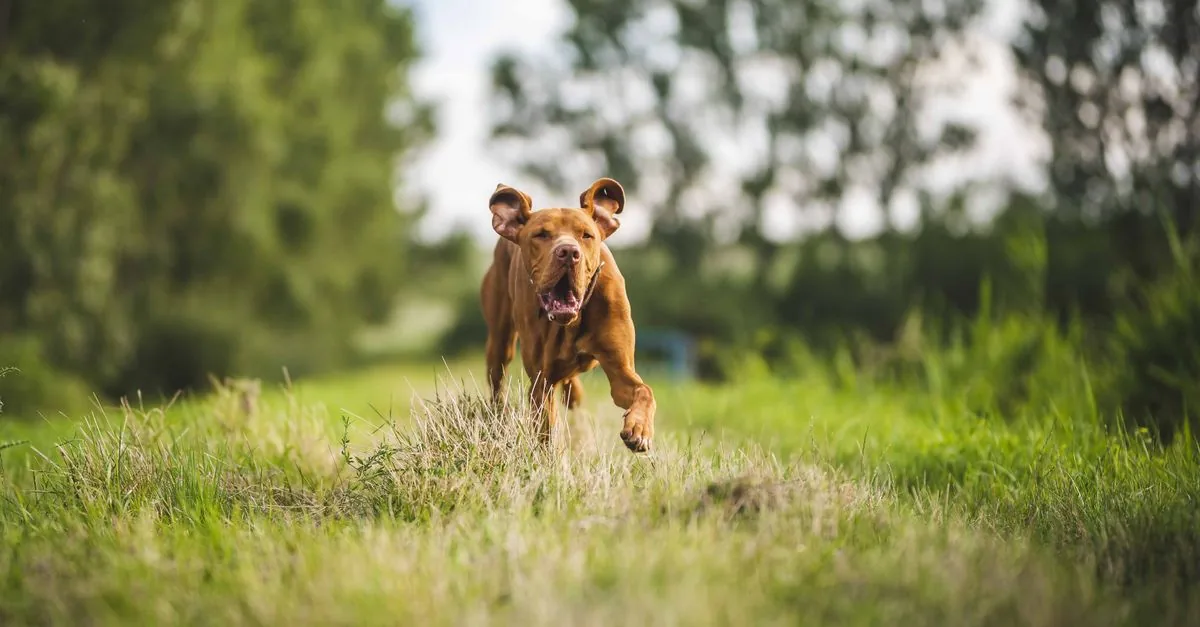
Recall isn't about discipline - it's about safety. A dog that comes when called can run off-lead in a safe area, join you on better, more varied walks, and respond before something goes wrong: slipping out of the gate, running towards a busy road, or approaching an aggressive dog.
A well-trained recall also underpins good dog socialisation - because a dog that comes back reliably earns more freedom, and that freedom builds its confidence.
The golden rule - without which nothing else works
A dog coming back on command is NEVER punished.
It doesn't matter that it took three minutes. It doesn't matter that it knocked someone over on the way. It doesn't matter what it was doing before. Return = reward. Always. If you punish it even once after it comes back, you teach it that returning isn't worth it - and you undo weeks of work.
How to teach a dog recall - step by step
Step 1. Start at home, at short distance
The first sessions happen indoors, with no distractions. Stand a few steps from your dog, call its name plus the cue ("Max, come!"). The moment it reaches you, reward it with the best treat you have - a piece of sausage, cheese, or cooked chicken. Repeat 5-10 times per session, and end before the dog loses interest.
Step 2. Add distance and different rooms
Once your dog responds reliably in one room, start calling from another room, the garden, or the hallway. Still no distractions - the goal is to build the reflex of returning before adding any challenge.
Step 3. Move to a fenced outdoor area
The first outdoor session should be in a place your dog cannot leave: a fenced garden or an enclosed dog park. Same rule - call, reward generously. This is a good stage to introduce what trainers call the "recall party": dog comes back, gets several treats one after another, a quick game, and plenty of enthusiasm. This creates a strong positive association.
Step 4. Introduce a long training lead
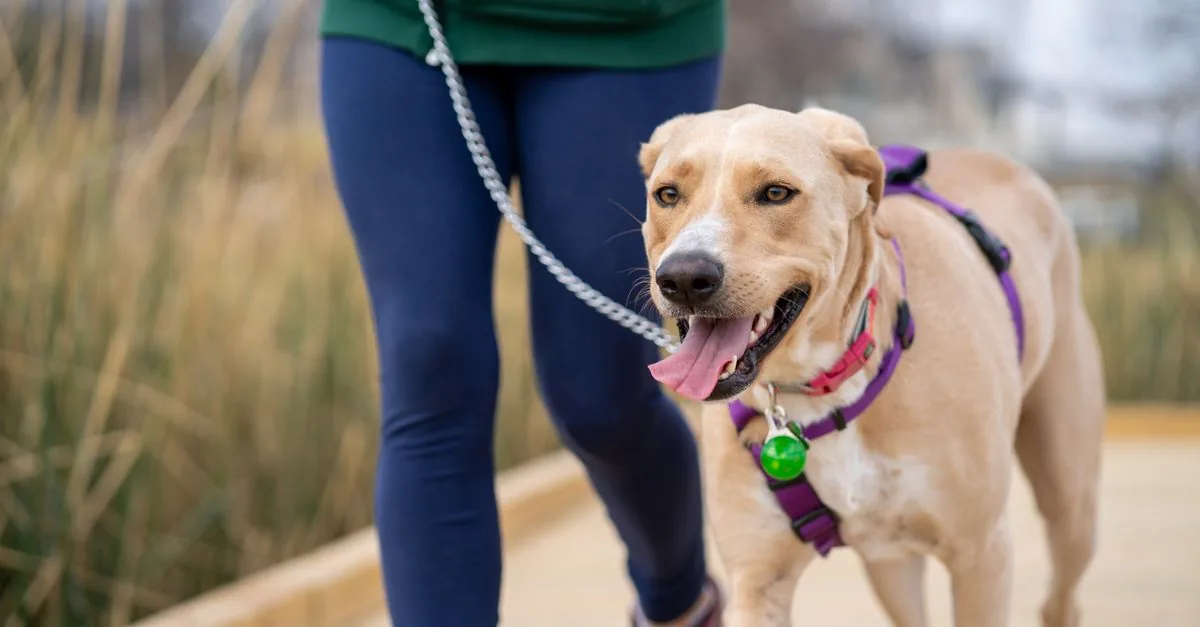
A long line (5-15 m) is a safety tool for the field-training phase. It gives you control when your dog starts to wander before its recall is reliable. Don't jerk it to drag the dog back - the line is for preventing escape, not for hauling. Keep using it until outdoor recall is reliable about 90% of the time.
Step 5. Gradually add distractions
Now you can raise the difficulty: start in a quiet spot with new smells, then an area with other dogs at a distance, then a busy park. Key rule: increase one factor at a time - either more distance or a stronger distraction, never both together. If your dog fails, step back - you moved too fast.
Step 6. Maintain it for life
Recall is not a one-time course - it's a skill that needs ongoing practice. Weave short recalls into every walk, reward randomly (not every time, but often), and never call your dog exclusively to put the lead on and end play - because dogs quickly learn that "come" means the fun is over.
What to do when your dog won't come back
| Mistake | Why it backfires | What to do instead |
|---|---|---|
| Chasing the dog | Turns it into a chase game | Crouch down, turn away, act interesting |
| Shouting in frustration | Pairs the cue with tension | Call once, cheerfully |
| Punishing after return | Destroys the motivation to come back | Reward every return, no exceptions |
| Only calling before ending playtime | "Come" becomes associated with fun ending | Call mid-play and release again |
| Weak rewards | Dog prefers squirrels | Use higher-value treats |
Recall in difficult environments
Reliable recall around a park full of dogs or a deer on the horizon is the result of systematic proofing - not one-off training sessions. If your dog has a very strong prey drive or a long history of ignoring the recall cue, consider working with a qualified trainer or certified behaviourist who uses positive methods. One professional session can save months of frustration.
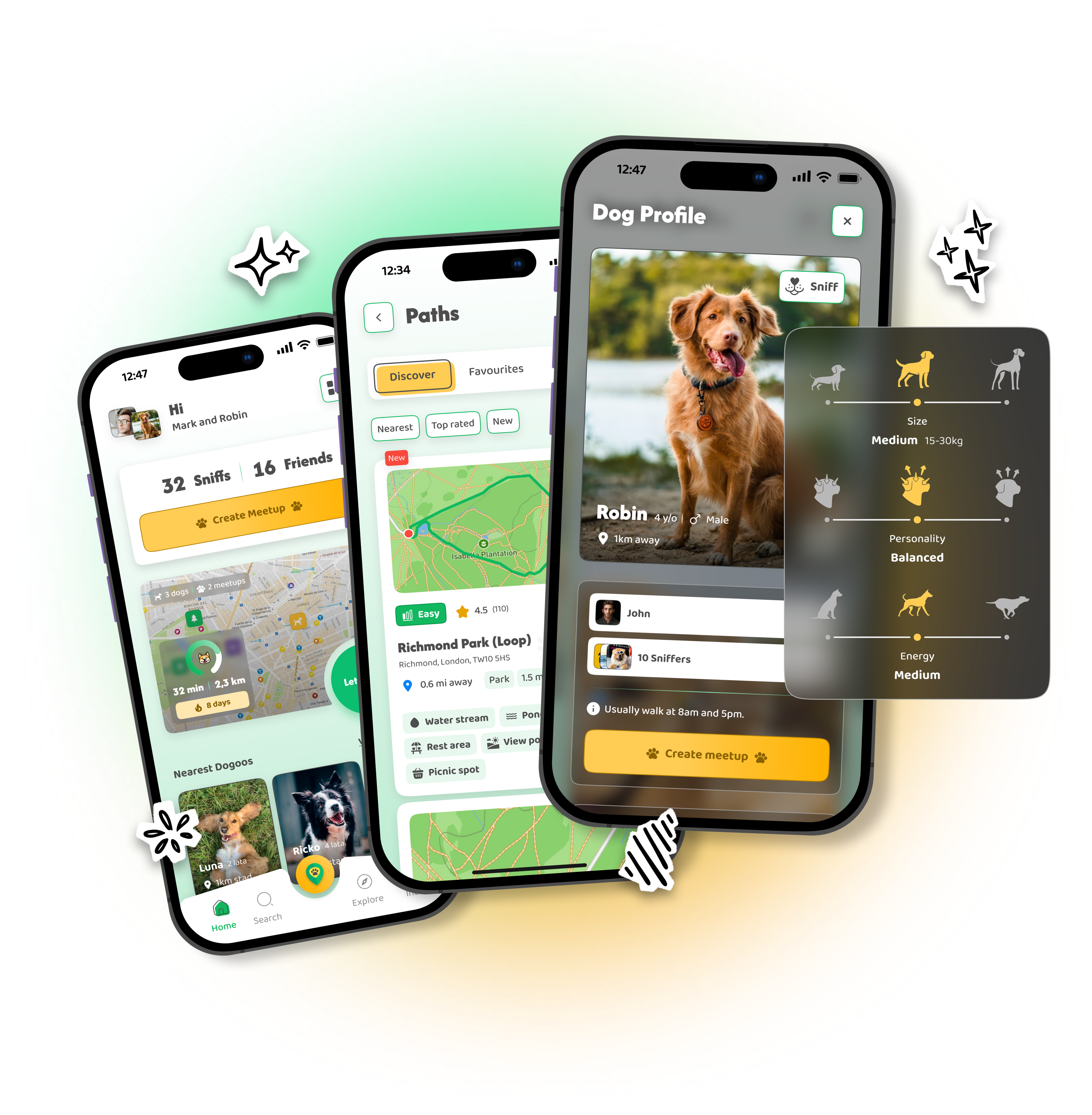
A dog with a reliable recall is a dog that gets to live a fuller life. And you get to do what you both came outside for: adventure, space, and new company. Find a fenced off-lead area or new training spots near you - the DOGOUT map shows what's around you, and who's already out there walking.
Frequently asked questions
- What age should I start teaching recall?
- The earlier the better. Puppies can start learning recall from the very first days at home - even at 8 weeks old. Short sessions a few times a day work well because puppies naturally explore and return to their owner.
- What should I do when my dog won't come back?
- Don't chase your dog or shout in frustration - that just turns it into a game of chase. Instead, crouch down, turn away, and act interesting. Show a treat or toy. When your dog comes over, reward generously. Also check whether your treat is exciting enough compared to whatever was distracting them.
- Can I punish my dog for coming back slowly?
- Never. If you punish a dog after it returns - even for a delay - it learns that coming back isn't worth it. Every return is a success and earns a reward, no exceptions.
- What treats work best for recall training?
- Use the highest-value treats your dog loves: small pieces of sausage, cheese, or cooked chicken. Dry kibble rarely competes with the smell of a hedgehog or another dog. The stronger the distraction, the better the reward needs to be.
- How long does it take to train a reliable recall?
- A solid recall takes months, not weeks. You'll see results indoors within a few days. A reliable recall in the field with strong distractions takes weeks of consistent practice and gradual exposure to new stimuli.
- Is a long line necessary for recall training?
- A long training lead (5-15 metres) is a very useful safety tool during the field-training phase. It gives your dog more freedom than a short lead while keeping you in control. It is not needed for indoor sessions or in a securely fenced off-lead area.