New Puppy Checklist - the things that actually matter
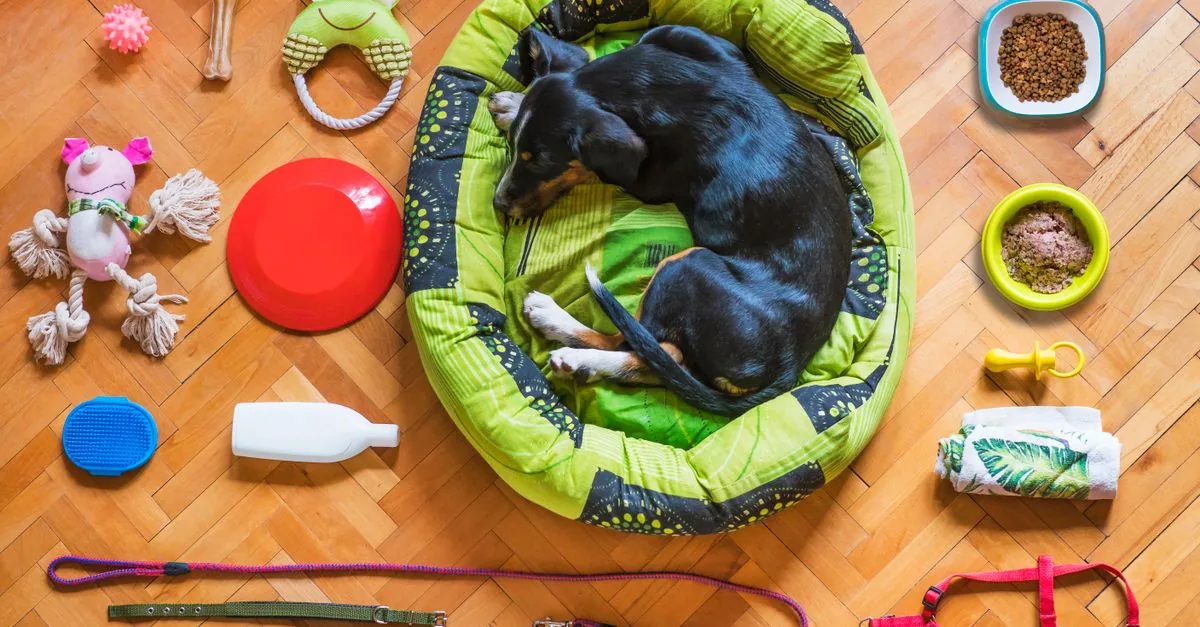
Before your puppy arrives you need: food and water bowls, a bed or crate, a collar or harness with an ID tag, a leash, the same food they were eating before (do not switch immediately), chew toys, and an enzymatic cleaner for accidents. Book a vet visit within the first 3-7 days. Everything else can wait until you know your dog better.
The puppy is coming home and everything changes. Before that moment arrives, it's worth having the right things in place - for them and for you. Not the whole pet shop. Just the essentials that will actually get used from day one.
The non-negotiables - what to buy before day one
Good news: you don't need a mountain of gear. You need a handful of things that will be in use within hours of the puppy walking through the door.
| Category | What to get | Notes |
|---|---|---|
| Feeding | Water bowl and food bowl | Stainless steel or ceramic - easiest to keep clean |
| Rest | Bed or crate (see below) | Sized for now, not for the adult dog they'll become |
| Walks | Harness or collar + a 2 m leash | Add an ID tag with your phone number - non-negotiable |
| Feeding | Same food as the breeder used | Do not switch diet in the first few weeks |
| Play | A few chew toys | Puppies chew - especially when teething |
| Cleaning | Enzymatic cleaner | Standard products mask the smell; enzymatic ones break it down so the puppy stops returning to the same spot |
That is the true must-have list. Everything else - carriers, clothing, puzzle feeders, cameras - can wait until you know your dog's personality and needs.
Crate, bed, or both?
A crate is not a punishment. It is a den with a roof and a door. Dogs naturally seek out enclosed resting spots, and a properly introduced crate quickly becomes a place a dog goes to voluntarily.
Sizing rule: the puppy should be able to stand, turn around, and lie flat comfortably - but the space should not be so large that one corner becomes a toilet. Most crates come with a divider panel you can shift back as the puppy grows, so you only need one crate for the dog's lifetime.
If you prefer not to use a crate, a bed in a calm corner of the room works too. What matters is that the puppy has a consistent, quiet place to call their own.
Harness or collar - and always an ID tag
For puppies, a harness is often the better starting point. It distributes pressure more evenly and reduces strain on the neck during those inevitable lurching moments. Check the fit every few weeks - puppies grow fast. You should be able to slip two fingers under the harness but no more.
ID tag is mandatory. Even if you plan to microchip your puppy (and you should - it is the most reliable permanent ID), fit an ID tag with your phone number from day one. A tag gets someone calling you within minutes; a chip requires a scanner.
For a full guide on how to start walking your puppy safely and at the right pace, see the article on walking a puppy.
First days at home - the things that matter most
The vet visit - top of the list
Book within 3-7 days of bringing the puppy home. Even if the breeder provided full vaccination paperwork, a first independent health check is important. The vet will assess overall condition, review and continue the vaccination and deworming schedule, and give you a personalised care plan. Vaccination schedules vary by country and vaccine brand, so let your vet lead on timing.
Food - do not change what they know
The stress of a new home is already a lot for a young dog. Adding a diet change on top of it risks stomach upset and diarrhoea at the worst possible moment. For the first few weeks, feed the same food as the breeder, at the same times. If you want to transition to a different food, do it over 7-10 days by gradually increasing the proportion of the new food.
Exercise - less than you think
The widely cited guideline is 5 minutes of structured exercise per month of age, twice a day. A 3-month-old puppy: 15 minutes on the leash, twice daily. A 5-month-old: 25 minutes. This covers leash walks - it does not cap free indoor play, which puppies naturally self-limit.
The reason this matters is that puppy growth plates remain soft until sexual maturity. Over-exercising young dogs - especially larger breeds - increases the risk of joint problems in later life.
For more on timing, safety, and what early walks should look like, read the guide on walking a puppy. And for why those walks matter beyond fitness, see dog socialization.
What you do NOT need on day one
- Expensive puzzle toys - a few basic chew toys are enough to start
- Dog coats and boots - most dogs do not need them; buy only when you know your specific dog's coat and tolerance
- Automatic feeders - establish a manual routine first
- A hairdryer - most puppies are frightened of the noise; desensitize before you use it
- A full grooming kit - start simple: a brush and a puppy shampoo
Start grooming habits early
Getting a puppy comfortable with being touched - paws, ears, mouth, belly - from the first week pays off enormously later. Even if their coat needs little attention right now, short daily brushing sessions with a treat reward teach the puppy that being handled is a good thing.
Basics worth having from the start:
- A brush suited to the puppy's coat type
- A gentle puppy shampoo (pH-balanced for dogs, not humans)
- An ear cleaner for regular checks
- A nail file or soft scratch board to start gentle nail maintenance
Learning to be clean in the house is easier to establish from the very first day - how to do it calmly and effectively is covered in the article on puppy house training.
You have the list. Now get out there. The first walks with your puppy are the beginning of everything. Use the DOGOUT map to find dog-friendly parks, off-lead areas, and safe routes near you - your puppy's first adventures are waiting.
Frequently asked questions
- What must be ready before the puppy comes home?
- The bare minimum: a water bowl and food bowl, a bed or crate, a collar or harness with an ID tag, a leash, the same food as the breeder used (to avoid stomach upset), a chew toy, and enzymatic cleaner for accidents. A vet appointment within the first week is non-negotiable.
- What size crate do I need for a puppy?
- The crate should be large enough for the puppy to stand up, turn around, and lie down comfortably - but not so large that they can use one corner as a toilet. Most crates include a divider panel so you can expand the space as the puppy grows, avoiding the need to buy a new one every few months.
- When should a puppy have its first vet visit?
- Within 3-7 days of coming home. The vet will check overall health, review the breeder's vaccination and deworming records, and plan the next steps. Even if the breeder provided paperwork, an independent check is important.
- Should I change the puppy's food right away?
- No. Use the same food as the breeder for at least the first 2-3 weeks. A sudden diet change on top of the stress of a new home can cause diarrhoea. If you want to switch foods later, do it gradually over 7-10 days, mixing increasing amounts of the new food with the old.
- When can my puppy go on walks?
- Many veterinary organizations, including AVSAB, recommend outings before the full vaccine course is complete because the benefits of early socialization often outweigh the health risk. Talk to your vet about safe places and timing. Generally, after the final booster in the primary series you can walk more freely in public spaces.
- How much exercise does a puppy need?
- A common guideline is no more than 5 minutes of structured on-leash exercise per month of age, twice a day. So a 3-month-old puppy: 15 minutes twice daily. This covers leash walks - it does not restrict indoor play. Check with your vet for breed-specific advice.