

Saint Bernard Temperament - Character of a Gentle Giant
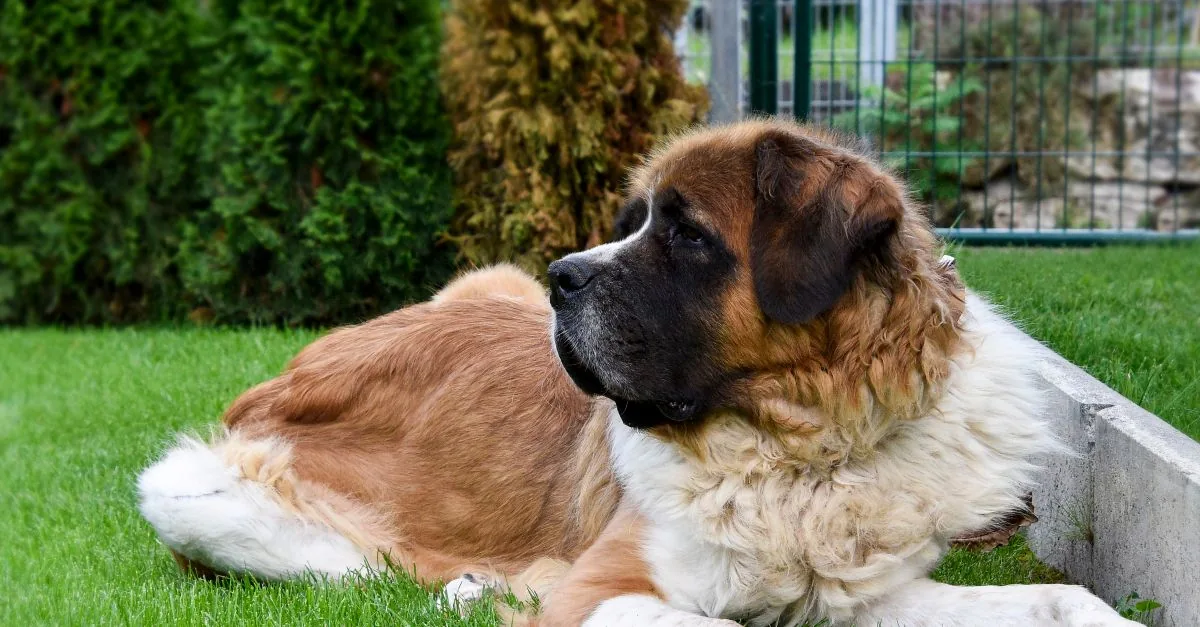
The Saint Bernard is a giant breed with a calm, gentle, and patient nature - hence its reputation as a superb family dog. It doesn't need extreme exercise, but does need moderate daily activity and copes badly with heat. Be realistic about the trade-offs: a Saint Bernard eats a lot, drools heavily, sheds a great deal, and lives a short life, usually 8-10 years. It's also prone to joint dysplasia, heart disease, and bloat, so its care can be demanding and costly.
The Saint Bernard is the definition of a gentle giant - a powerful dog with a kindly gaze that, in popular imagination, rescues lost travellers in the Alps with a little barrel around its neck. That legend holds a fair amount of truth about the breed's character, but behind the picture lie the hard realities of caring for such a large dog. Here's an honest look at what a Saint Bernard is really like and who it suits.
Where the Saint Bernard comes from and what it tells you
The Saint Bernard originates from the Swiss hospice on the Great St Bernard Pass, where monks bred these dogs for mountain rescue work. They found travellers buried in snow and helped clear a path through difficult terrain. That called for a dog that was large, cold-hardy, calm, and geared towards cooperating with people - not a fiery guard.
That heritage explains the breed's most important traits: the Saint Bernard is composed, patient, and friendly. It isn't a nervous or aggressive dog, though its sheer presence can deter intruders by size alone. Rescue work shaped a gentle, balanced dog that today fits beautifully into the role of family companion.
Key Saint Bernard temperament traits
Gentleness is the breed's calling card. The Saint Bernard is exceptionally tolerant, calm, and friendly, including with children. It's rarely hyperactive or hot-headed.
Patience means it copes well with household bustle and commotion. This is a dog that tends to observe from the side rather than throw itself into every situation.
Attachment to family runs deep - a Saint Bernard wants to be close to its people and copes poorly with isolation. Despite its size, it's a house dog, not one for a kennel at the end of the garden.
Calm stubbornness is the flip side. A Saint Bernard isn't as intensely task-driven as a herding dog; it sometimes does things at its own pace and needs patient motivation rather than force.
| Trait | Description |
|---|---|
| Gentleness | Very high - calm and tolerant |
| Friendliness with children | Very high - patient with proper supervision |
| Energy level | Low to medium - moderate activity |
| Ease of training | Medium - intelligent, but can be slow and stubborn |
| Tolerance of being alone | Low - strongly attached to family |
| Heat tolerance | Low - struggles in high temperatures |
| Drooling and shedding | High - drools and sheds heavily |
How much exercise does a Saint Bernard need?
Despite its size, the Saint Bernard isn't a dog with extreme exercise needs. Two calm walks a day and moderate activity, around an hour in total, are enough. This isn't a dog for running alongside a bike or long, strenuous outings in the heat.
Sensible exercise dosing really matters in a young dog. A Saint Bernard puppy and adolescent grows fast, and its joints and bones stay immature for a long time. Overloading them with intense activity, jumping, or running up and down stairs raises the risk of orthopaedic problems later. Exercise, yes - but moderate and matched to age.
The Saint Bernard copes badly with heat. On hot days, limit activity to the cool parts of the day, provide shade and constant access to water. For more on safe outings in the heat, see our guide on how to cool down a dog.
Saint Bernard health and lifespan
This is a section you mustn't skip with this breed. Saint Bernards, like most giant dogs, live short lives - on average 8 to 10 years. As size increases, so does the risk of serious conditions:
- Hip and elbow dysplasia - typical of large breeds, calling for weight control and sensible exercise from an early age.
- Heart disease - including dilated cardiomyopathy, to which large dogs are prone.
- Bloat (GDV) - a life-threatening emergency, more common in deep-chested dogs.
- Eye problems - such as eyelid rolling in or out (entropion or ectropion).
Weight control is one of the most important things you can do for a Saint Bernard's joints and heart. Always leave diagnosis and treatment to a vet.
When to see a vet urgently: if your Saint Bernard has a swollen, hard belly, retches without producing anything, and shows restlessness and drooling, it may be bloat - a life-threatening emergency where minutes count. Don't wait until morning; go straight away.
Is a Saint Bernard for everyone?
No - and that needs saying plainly.
A Saint Bernard suits you if:
- You have space at home and cooler conditions.
- You accept drool, hair, and the considerable cost of keeping a large dog.
- You want a calm family companion rather than a sports dog.
- You're prepared for fewer years together and possible vet expenses.
A Saint Bernard may be a poor choice if:
- You want a dog for running and intense activity.
- Cleanliness and minimal shedding matter to you.
- You have a very tight budget - feeding and treating a giant costs a lot.
- You live somewhere with long summer heatwaves and no way to cool the dog down.
No breed is "better" than another - with us a mixed-breed is just as welcome as a Saint Bernard. What matters is honestly matching the dog to your lifestyle and means.
Socialisation and upbringing
Train and socialise a Saint Bernard from puppyhood - this isn't a dog you can easily correct with force as an adult, because it's simply too big. Teach basic obedience, calm passing of people and dogs, and acceptance of handling while the dog still weighs a few kilos rather than several dozen. A well-socialised Saint Bernard is a confident, balanced giant.
If you'd like to meet other large-dog owners nearby or find calm spots for shared outings, take a look at the DOGOUT map - it's easier then to find a dog crew that matches your Saint Bernard's pace.
A last word on life with a Saint Bernard
The Saint Bernard offers an abundance of calm, warmth, and loyalty, but it also demands space, patience, and a genuine readiness for the cost and the shorter years together. If you dream of a gentle giant and you're clear-eyed about what you're signing up for, you'll get one of the most good-natured companions a family can have. It's a choice made with the heart, but one to make with your head.
Frequently asked questions
- Is a Saint Bernard good with children?
- Yes, the Saint Bernard is famous for its patience and gentleness with children - one of its hallmarks. Because of its enormous size, though, supervision is essential, as the dog can knock a small child over just by moving. It's also worth teaching children to respect the dog's space.
- How much exercise does a Saint Bernard need?
- Less than many smaller breeds. An adult Saint Bernard is content with two calm walks a day and moderate activity, around an hour in total. It isn't a dog for running or long strenuous outings, especially in heat and at a young age, when overloading the joints is harmful.
- How long do Saint Bernards live?
- Sadly not long, like most giant breeds - on average 8 to 10 years. Large dogs age faster, and the Saint Bernard is prone to joint and heart conditions that shorten life. Responsible breeding, weight control, and regular vet checks help make the most of that time.
- Do Saint Bernards drool and shed?
- Yes, heavily on both counts. The loose folds around the muzzle mean a Saint Bernard drools a lot, especially after drinking and eating. On top of that it sheds heavily, particularly during moulting seasons. It's a breed for people who don't mind drool on the walls and hair on their clothes.
- Is a Saint Bernard suitable for a flat?
- It can live in a flat if you provide calm walks and space indoors, but it's a demanding arrangement. An enormous dog needs room, and heat in a stuffy flat is dangerous for it. A Saint Bernard is happiest in cooler surroundings with access to its own quiet corner.
- Is a Saint Bernard easy to train?
- The Saint Bernard is intelligent and willing, but can also be calmly stubborn and slower to react. Early training and socialisation are key, while the dog is still small and easy to manage - a fully grown one is simply too large to force into anything.