Akita Temperament - Character, Traits and Needs
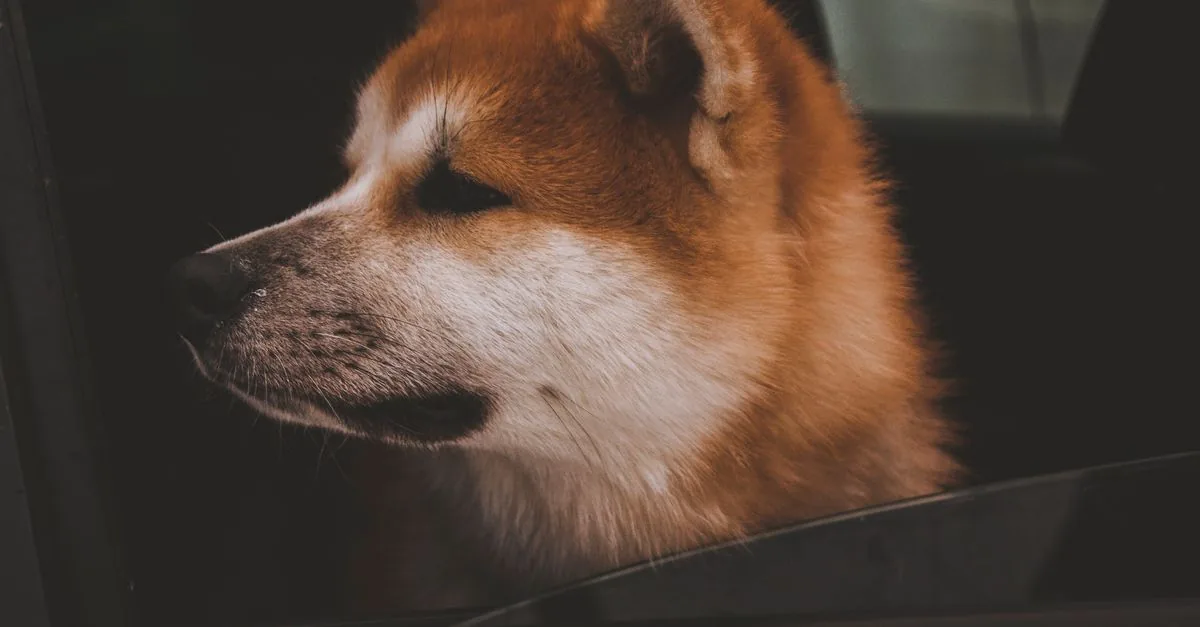
The Akita Inu is dignified, independent and deeply devoted to its family, yet reserved with strangers. It's intelligent but stubborn - it won't obey for obedience's sake, so it needs a patient, consistent guardian rather than a heavy hand. It can be dominant with other dogs, especially of the same sex, and has a strong prey drive. This is a breed for experienced owners ready for early socialisation and calm, firm training - not for someone after an effusive, trusts-everyone companion.
The Akita Inu makes an impression through its bearing alone - dignified, calm, viewing the world with a certain detachment. It's a dog wrapped in a legend of loyalty, but also a breed surrounded by plenty of oversimplifications. Before you're won over by its looks, it's worth understanding what really lies behind that calm gaze, because the Akita is a demanding companion, not one for everyone.
Where the Akita comes from and what shapes its character
The Akita comes from the mountainous Akita prefecture in northern Japan, where it originally worked as a hunting dog for large game, including bears, and as a guardian. That heritage explains a lot: its courage, its independence in decision-making, and its strong prey drive. A dog that faced large game on its own couldn't be a passive follower of commands - it had to think for itself.
In Japan the Akita is a national treasure and a symbol of loyalty, helped by the story of Hachiko, the dog that waited years for his late owner. It's worth distinguishing two varieties: the Akita Inu (Japanese, smaller and more fox-like) and the American Akita (larger, more massive, to a different standard). In character they're similar but not identical.
The Akita's key character traits
Independence is the foundation of this breed. The Akita is devoted but not servile - it shows affection on its own terms and doesn't need constant reassurance of the bond. Owners used to effusive breeds are often surprised by this.
Stubbornness and intelligence go hand in hand. The Akita understands perfectly what you want - it simply judges for itself whether it's worthwhile. Training based on coercion triggers resistance; patience, consistency and motivation are what work.
Reserve towards strangers is neither fear nor aggression, but natural watchfulness. The Akita doesn't greet unfamiliar people with enthusiasm - it observes. A well-socialised one is calm and composed, not nervous.
A strong prey drive and a tendency to dominance mean that contact with other dogs, especially of the same sex, needs attention and early work. It's one of the more important things to think through before deciding.
| Trait | Description |
|---|---|
| Attachment to family | Very high - loyal but not effusive |
| Reserve towards strangers | High - watchful and distancing |
| Independence | Very high - thinks and decides for itself |
| Ease of training | Medium - learns fast, obeys selectively |
| Tolerance of other dogs | Low to medium - often dominant |
| Prey drive | High - reacts to smaller animals |
| Energy level | Moderate - needs regular exercise |
How much exercise and stimulation an Akita needs
The Akita is no marathon runner like a husky, but it's a large, strong dog that needs regular exertion to stay balanced. An adult does well with around 1 to 1.5 hours of activity a day: calm but substantial walks, hikes over varied terrain, and games that engage the nose.
Just as important as exercise is mental stimulation. A bored Akita doesn't burn off energy running in circles - it finds itself an occupation, one rarely to the owner's taste: digging, destroying, doggedly pushing its own ideas. Scent games, reward-based work and varied routes suit it better than simply "walking the legs".
Who the Akita suits, and who it doesn't
Let's say it plainly, because honesty matters more than a sales pitch.
An Akita may suit you if:
- You have experience with dogs and understand their body language.
- You value a calm, dignified companion over an effusive "everyone's friend".
- You're consistent and patient, able to set boundaries without force.
- You'll provide early, solid socialisation and accept heavy shedding.
An Akita probably isn't for you if:
- It's your first dog and you want an easy, eager-to-cooperate breed.
- You dream of a dog that befriends every dog in the park.
- You don't have time for consistent training and socialisation from puppyhood.
- You live with several animals the Akita might not tolerate.
That doesn't make the Akita "harder, therefore worse" - purebreds and crossbreeds have an equal place at DOGOUT. It's about the match: the right dog for the right home is the foundation of welfare for both.
Socialisation and upbringing
For an Akita, socialisation isn't optional but essential. Early, calm exposure to people, other dogs, sounds and situations builds a balanced adult dog, not just a "currently calm" puppy. Neglected socialisation in this breed can produce excessive distrust and conflict. We describe how to run this process step by step in our guide to dog socialization.
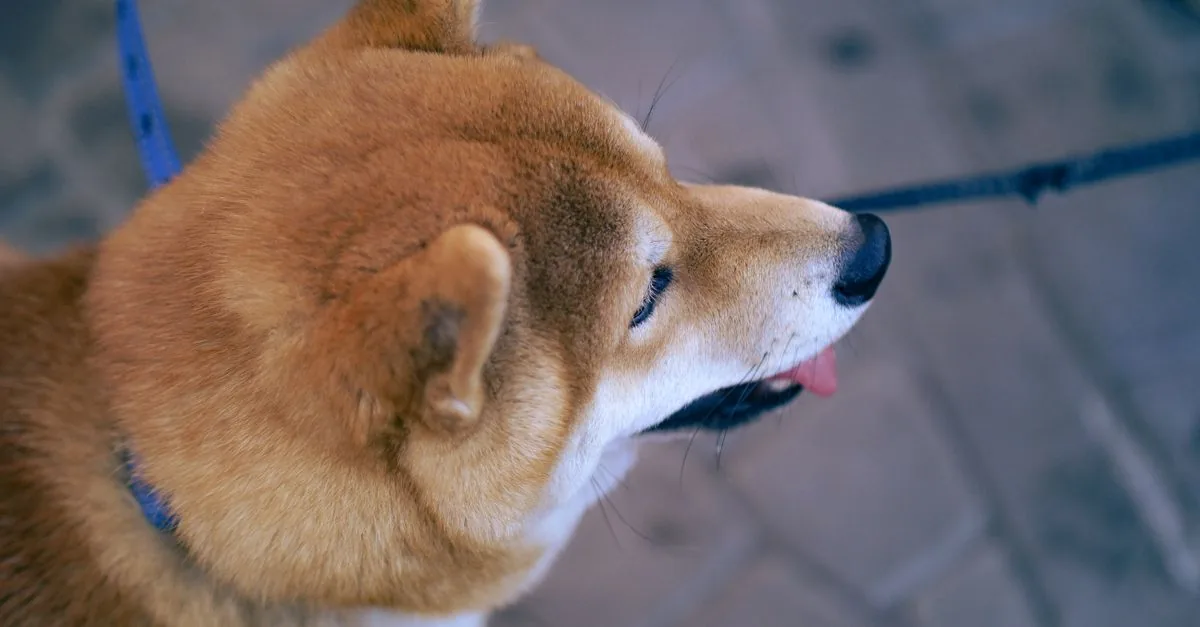
In training, focus on relationship and motivation, not dominance. The Akita, like its Japanese relative whose character we cover in our piece on the Shiba Inu temperament, copes poorly with harsh methods - it shuts down and loses trust. Short, engaging, reward-based sessions get a far better result than pressure.
Health and grooming
The Akita Inu lives on average around 10 to 13 years. Like many large breeds it can be prone to hip and elbow dysplasia, and additionally to autoimmune conditions and thyroid problems. Regular check-ups, keeping a healthy weight, and sensible exercise in a growing dog are the basis of prevention - always discuss specific decisions with your vet.
Grooming is above all about the dense, double coat, which "blows" spectacularly twice a year. Outside those seasons regular brushing is enough; at the peak of shedding you'll need to step it up markedly. On the plus side, the Akita is a clean dog that grooms itself with an almost cat-like ritual.
The Akita is a dog for someone after a companion full of dignity and calm, not an effusive buddy for everyone. It repays with deep loyalty those who respect its independence and put in the work on socialisation. If you're considering this breed, get to know adult Akitas and their owners first - in the DOGOUT app it's easier to find dogs nearby and talk to people who share their lives with this remarkable breed before you commit for the next dozen years or more.
Frequently asked questions
- Are Akitas aggressive?
- Akitas aren't naturally aggressive towards people, but they can be dominant and intolerant of other dogs, especially of the same sex. Towards unfamiliar people they are reserved and watchful rather than effusive. Early socialisation and calm handling greatly reduce the risk of conflict, but this isn't a breed for anyone who'll ignore its nature.
- Is an Akita suitable for first-time owners?
- Generally no. Their independence, stubbornness and strong prey drive mean an Akita needs an experienced owner who reads canine body language and can be consistent without force. Beginners often read the breed's reserve as 'disobedience' and reach for harsh methods, which backfire badly with an Akita.
- How much exercise does an Akita need?
- An adult Akita usually needs 1 to 1.5 hours of exercise a day - walks, hikes and calm activities. It's not an endurance dog like a husky, but a bored Akita becomes stubborn and destructive. Regularity and mental stimulation matter more than sheer intensity.
- Does an Akita get along with children and other pets?
- With children in its own family an Akita can be gentle and protective, but given its size and low tolerance for being pestered it needs constant supervision. With other dogs and small animals it can be difficult due to prey drive and a tendency to dominance. Coexistence is possible when the dog grew up with them from puppyhood.
- What are an Akita's biggest downsides?
- Stubbornness, independence, intolerance of other dogs, a strong prey drive, and heavy shedding twice a year. Add reserve towards strangers, which is easily mistaken for fear or aggression. These aren't disqualifying faults, but traits you can't 'train to zero' - you have to understand and manage them.
- How long do Akita Inus live?
- An Akita Inu lives on average around 10 to 13 years. As with many large breeds there's a risk of joint dysplasia, and the breed can be prone to autoimmune conditions and thyroid problems. Regular check-ups and keeping a healthy weight help it enjoy a longer, healthier life.