

Samoyed Temperament - the Smiling Giant With a Mind of Its Own
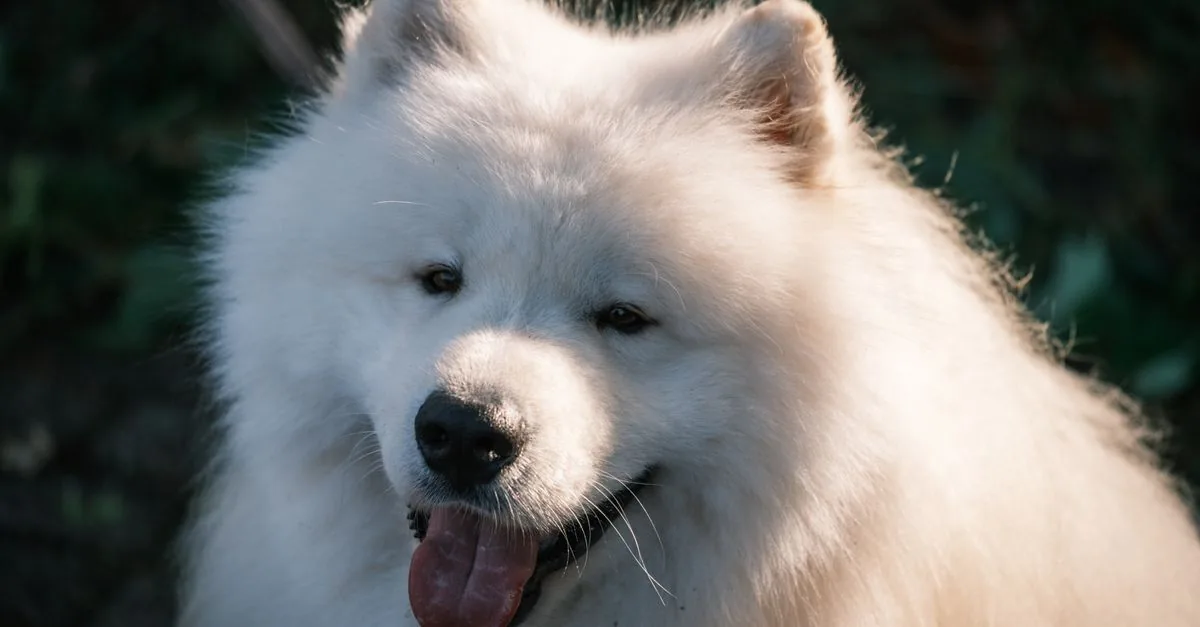
The Samoyed is an exceptionally sociable, cheerful and people-oriented dog - famous for the breed's signature 'Sammie smile'. At the same time it is intelligent and independent, which makes training a patient, positive-reinforcement job. Samoyeds are built for family life and handle being alone poorly; they need at least 1.5-2 hours of daily activity.
White as fresh snow, perpetually smiling and up for absolutely anything - the Samoyed is one of those dogs that stops strangers in their tracks. But behind that dazzling coat is a very specific character: sociable to the core, independently minded and a genuine engine of energy. Before you fall for the fluffy giant, it pays to understand what you are actually signing up for.
Where does this smiling spitz come from?
The Samoyed takes its name from the Samoyedic peoples - nomadic tribes of north-western Siberia who lived in intimate partnership with their dogs for thousands of years. These dogs were not yard guards; they herded reindeer, pulled sleds and slept inside the tents alongside their humans, warming them through sub-arctic nights. That heritage shapes the breed's character to this day.
Dogs that spent generations at the centre of family life - as partners, not tools - developed a profound bond with people and a deep need for company. A Samoyed left in an empty yard is not a happy Samoyed.
The 'Sammie smile'
If you have ever seen a Samoyed up close, you will have noticed the upturned corners of its mouth that give it an expression of permanent contentment. According to breed standards, this 'smile' is a defining breed trait - and it has a practical origin: the curved lips help prevent drooling that would freeze on the face in extreme cold.
It has nothing to do with aggression. A Samoyed's open, friendly expression almost always matches its actual temperament. This is a dog that genuinely enjoys the world.
Friendly - but not blindly obedient
Here is the nuance that catches many new owners off guard. A Samoyed loves people - but that doesn't mean it will execute every command without question. This is a true spitz: smart, decision-making and full of its own ideas.
In practice it plays out like this: the Samoyed hears your cue, weighs whether it is worth following, and acts accordingly. If something more interesting is happening nearby, compliance is not guaranteed.
This is not defiance - it is the legacy of a dog that worked independently for millennia, making calls without a human supervisor watching its every move. What that means for training:
- Positive reinforcement is the only reliable method - force or correction-based techniques produce the opposite of the desired result.
- Short, engaging sessions outperform long repetitive drills. Keep it interesting.
- Consistency matters - a Samoyed quickly learns which rules you actually enforce.
- Early socialization is non-negotiable - read the full guide on dog socialization to start your puppy on the right foot.
How much exercise does a Samoyed actually need?
A lot. More than most prospective owners expect.
The Samoyed was bred for heavy physical work - hauling sleds across Siberian tundra and driving reindeer herds for hours at a stretch. That wiring does not disappear just because the dog now lives in a European city.
A realistic minimum is 1.5 hours of meaningful activity per day - with 2 hours being the sweet spot. Slow neighbourhood walks alone are not enough. The breed benefits from a mix:
| Activity type | Examples |
|---|---|
| Intense movement | Running, canicross, cycling |
| Search and scent work | Nosework, hidden treat games |
| Social time | Group walks with other dogs |
| Obedience training | Short, positive sessions |
| Environmental exploration | New trails, forests, open fields |
A bored Samoyed becomes destructive - chewing, digging, howling. This is not a behaviour problem; it is a dog communicating unmet needs as clearly as it can. For a breakdown of daily walk requirements, see our article on how many walks a dog needs.
Samoyeds and time alone - the real challenge
The Samoyed is a pack dog in every sense. Separation from its 'pack' (the family) is genuine stress.
Too much alone time leads to:
- Prolonged vocalizing - Samoyeds can howl for extended periods, which becomes a problem for neighbours quickly.
- Destructive behaviour - furniture, cushions, skirting boards - whatever is within reach.
- Anxiety patterns - scratching at doors, inability to settle even after the owner returns.
A well-conditioned adult Samoyed can manage a few hours alone, but this should not become the daily norm. If you are away from home most of the day, discuss this honestly with a breeder or behaviourist before committing to the breed.
Samoyeds with children, other dogs and cats
With children - excellent. Samoyeds are gentle, patient and genuinely playful. Two things to watch with very young kids: first, this is a substantial dog that can unintentionally knock a toddler over mid-play. Second, herding instinct can surface - the dog may try to 'round up' running children by nudging them with its head. Adult supervision during play with the very young is sensible.
With other dogs - generally very well. Samoyeds are sociable and enjoy canine company. Good early socialization prevents reactivity from developing.
With cats and small animals - it depends. Samoyeds have a moderate prey drive, and small fast-moving animals can trigger the chase response. Samoyeds raised from puppyhood alongside a cat typically coexist comfortably. Introducing an adult Samoyed to a resident cat requires time and careful management.
Grooming - spectacular coat, significant commitment
You cannot talk about Samoyeds without talking about the coat. The white, double-layered fur is stunning - and it demands real effort.
- Brushing 2-3 times per week outside shedding seasons.
- Daily brushing during coat blows (spring and autumn) - the volume of shed fur genuinely shocks first-time owners.
- Samoyeds are naturally clean - the coat sheds dirt and rarely needs frequent bathing.
- Do not clip the coat. The double coat also protects against overheating in summer - clipping disrupts this thermoregulation function.
Is a Samoyed right for you?
The Samoyed suits active people who can give their dog significant daily time - not just for walks but for actual togetherness. It is not the right breed for busy singles or families where the house is empty for most of the working day.
A Samoyed will thrive with you if:
- You live an active lifestyle and enjoy walks, running or outdoor adventures.
- Someone is home for most of the day.
- You have time and patience for consistent, positive training.
- Dog hair on every surface is something you can live with (and there will be a lot of it).
Ready to explore with your Samoyed? Find off-lead areas, dog-friendly parks and walking spots near you on the DOGOUT map - and connect with other active dog owners for company on the trail.
Frequently asked questions
- Are Samoyeds good with children?
- Yes - Samoyeds are gentle, patient and love children. With very young kids supervision is wise, since this is a large and energetic dog that can accidentally knock a toddler over during play. The breed's herding instinct can also kick in, causing the dog to gently nudge or 'round up' running children.
- Can Samoyeds be left alone?
- Not for long periods. Samoyeds are pack dogs that bond deeply with their family and handle isolation poorly. A Samoyed left alone too often may become vocal (howling, barking) or destructive. The breed is not recommended for people who are away from home most of the day.
- Are Samoyeds hard to train?
- They are intelligent but independent - they have 'their own opinion'. Training works well with patience, positive reinforcement and consistency. Forceful methods backfire with this breed. Short, engaging sessions beat long repetitive drills every time.
- How much exercise does a Samoyed need?
- At least 1.5 hours of activity a day, ideally 2 hours. A slow stroll around the block is not enough. The breed descends from heavy sled-hauling and reindeer-herding stock, so it needs real exertion: running, fetch, nosework or dog sports alongside daily walks.
- Do Samoyeds get along with cats?
- They can, but early socialization matters. Samoyeds have a moderate prey drive, so cats and small animals may trigger chasing instinct. Samoyeds raised alongside a cat from puppyhood generally coexist well; chance encounters with an unknown cat are less predictable.
- Can a Samoyed live in an apartment?
- It is challenging. A Samoyed can manage city living if given sufficient outdoor time, but a home with a secure garden is more suitable. Without enough exercise and space the breed becomes restless and noisy. Daily long walks and off-lead play are non-negotiable.