Shiba Inu Temperament - Independence and Who It Suits
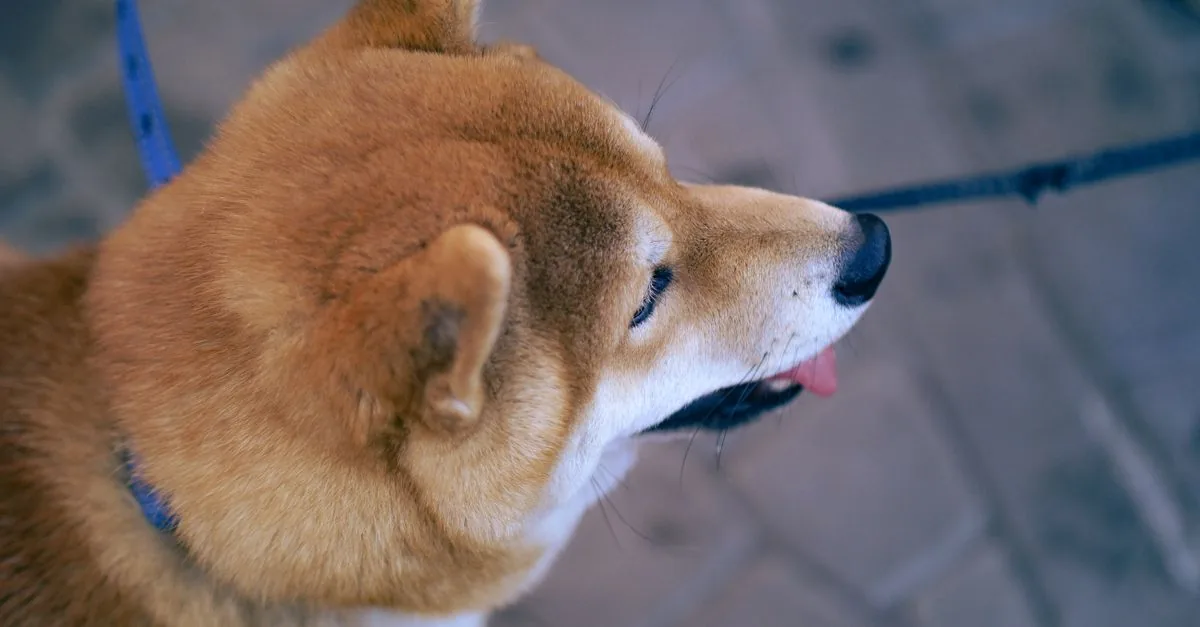
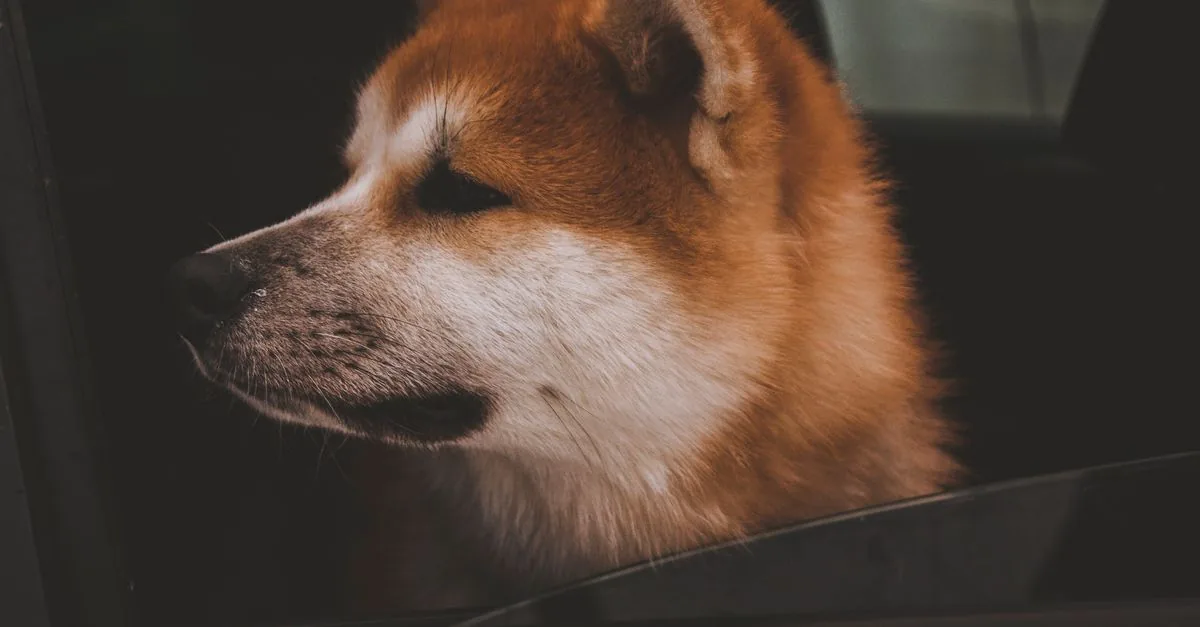
The Shiba Inu is an independent, clean, and self-assured dog from Japan, closer in temperament to a cat than a typical cuddly dog. It's intelligent and alert, but can be stubborn and slow to respond to cues when it sees a better option for itself. It has a strong prey drive and a tendency to bolt, so recall is often its Achilles' heel. This is a breed for a patient, consistent owner who values a dog with real character and independence, rather than expecting unconditional obedience.
The Shiba Inu is one of those dogs that stops people in the street. The foxy outline, the cheeky expression, and the pride in its eyes make an impression. But behind that charming picture sits one of the most independent and most misunderstood characters in the dog world. Before you're won over by the Shiba's looks, get to know its true temperament - because this is a dog that needs a completely different approach from a typical companion dog.
Where the Shiba Inu comes from
The Shiba Inu is one of the oldest dog breeds, originating in Japan, where it was originally used to hunt small game and birds in mountainous terrain. It's the smallest of the native Japanese breeds and by far the most popular of them. Its larger cousin, which you can read more about in our article on the Akita temperament, shares part of its temperament, though they differ in size and in many traits.
That hunting heritage explains the Shiba's key character traits: independence in decision-making, a strong prey drive, and a tendency to follow its own nose. A dog that hunted alone for centuries wasn't bred to gaze unconditionally at a human.
Key temperament traits
Independence is the foundation of this breed. The Shiba is often compared to a cat - attached to its owner, but on its own terms. Don't expect a dog that constantly seeks your attention and carries out every request with enthusiasm. A Shiba is more likely to weigh up whether a given cue is worth it.
Self-assurance and pride mean the Shiba carries itself like a much bigger dog. It can be assertive with other dogs and dislikes being rushed or forced.
Cleanliness is a trait that surprises many new owners. The Shiba grooms itself almost like a cat, avoids puddles and mud, and puppies often house-train quickly on their own.
A strong prey drive means the Shiba may launch into a chase after a cat, bird, or squirrel - and at that point it stops hearing the world. This translates directly into problems with recall.
| Trait | Description |
|---|---|
| Independence | Very high - decides for itself |
| Attachment to owner | Moderate - loyal but not effusive |
| Trainability | Low to medium - learns fast, listens selectively |
| Prey drive | Very strong - prone to chasing |
| Attitude to strangers | Reserved, alert |
| Tolerance of other dogs | Variable - can be dominant |
| Tendency to bolt | High - needs secure fencing |
How much exercise a Shiba Inu needs
The Shiba is a breed with moderate but definite exercise needs. An adult dog is usually happy with around an hour of activity a day, split between walks and play. It's a hardy, physically capable dog, but not as insatiable for exercise as herding breeds.
More important than the sheer amount of exercise is its variety and safety. Because of the prey drive and tendency to bolt, many owners walk their Shiba on a long line and avoid letting it off the lead in open ground. Alongside physical activity, add mental and scent stimulation: snuffle mats, puzzle toys, searching for hidden treats. A Shiba with something to occupy its mind is a calmer housemate.
Training and the famous recall
Training a Shiba requires a change of mindset. This isn't a dog that learns in order to please you - it learns when it sees a benefit. That's why short, interesting training with high-value rewards works, rather than long, monotonous sessions or force-based methods.
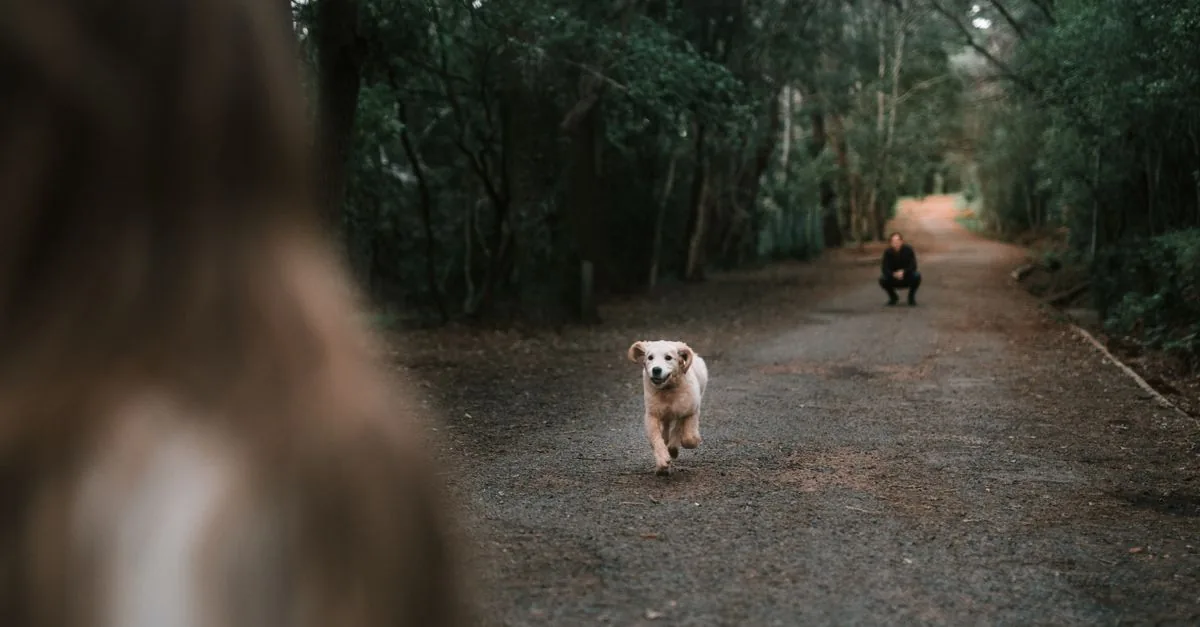
The biggest challenge is recall. Because of the strong prey drive, a Shiba can completely ignore a cue the moment something catches its attention. Recall has to be taught from puppyhood, patiently and consistently - and even then you should never assume it will be 100% reliable. We cover the fundamentals of building recall in our article on how to teach a dog recall. In practice, a Shiba's safety rests mainly on good fencing and a long line, not on faith in perfect obedience.
Who the Shiba Inu is and isn't for
This is a breed that calls for a conscious choice.
A Shiba suits you if:
- You value a dog with real character and independence, and don't expect unconditional obedience.
- You're patient, consistent, and ready to learn canine body language.
- You'll accept that recall may never be fully reliable.
- You have a securely fenced area or are committed to walking on a line.
A Shiba may be a poor choice if:
- You want an easy-to-train dog that listens with enthusiasm.
- You want a dog that shows affection openly and constantly seeks contact.
- You have small animals that could become a target for the prey drive.
- You lack the patience for a stubborn, self-reliant character.
Health and grooming
The Shiba Inu is a long-lived breed, living on average 13 to 16 years, and generally healthy. However, allergies and skin problems, eye conditions, luxating patella, and - less often - hip dysplasia do occur. As with any breed, responsible breeding with health-tested parents and regular check-ups matter a great deal.
Coat care is simple for most of the year - brushing once a week is enough. That changes twice a year, when the heavily shedding Shiba loses its undercoat in handfuls. During this period it's worth brushing the dog daily to keep the amount of hair around the home down.
Socialisation from puppyhood is especially important in this breed. A well-raised, socialised Shiba is balanced and self-assured, rather than overly wary or quick to clash with other dogs.
The Shiba Inu is a dog for people who can appreciate character, not just obedience. It gives less effusive affection than many breeds, but repays you with deep, dignified loyalty and the company of a dog with a strong personality. If you want to find safe, fenced places to play and meet other owners nearby whose dogs enjoy a similar walking style, check the map in the DOGOUT app.
Frequently asked questions
- Is a Shiba Inu hard to train?
- The Shiba Inu can be a challenge for first-time owners, because it's independent, stubborn, and has no built-in urge to please a person at all costs. It learns quickly but performs cues when it sees the point. It needs consistency, patience, and training based on positive motivation rather than force.
- Can you let a Shiba Inu off the lead?
- This is a breed with a strong prey drive and a tendency to bolt, which is why many owners never let a Shiba off the lead in open ground. Recall in this breed is difficult and can never be relied on 100%. It's safer to use a long line and fenced areas.
- How much exercise does a Shiba Inu need?
- A Shiba Inu needs a moderate but regular amount of exercise - usually around an hour of activity a day split between walks and play is enough. It's a hardy dog but not as exercise-hungry as herding breeds. Add to that a need for mental and scent stimulation.
- Do Shiba Inus bark a lot?
- The Shiba Inu isn't especially barky day to day, but it's famous for a distinctive, piercing scream, the so-called shiba scream, which it lets out in moments of stress, excitement, or protest. This is a normal breed trait, not a sign of a problem. Otherwise it can be a surprisingly quiet housemate.
- Does a Shiba Inu get on with other animals?
- It varies. The Shiba Inu can be dominant and doesn't always tolerate other dogs, especially of the same sex, and a strong prey drive makes life with small animals and cats harder. Early socialisation helps but doesn't guarantee full tolerance. Many Shibas are happiest as the only dog in the home.
- How long does a Shiba Inu live?
- The Shiba Inu is a long-lived breed, living on average 13 to 16 years. It's generally healthy, though allergies, skin problems, eye conditions, and luxating patella do occur. Responsible breeding and regular check-ups help keep the dog in good shape for years.