

Pomeranian Temperament - What This Little Spitz Really Needs
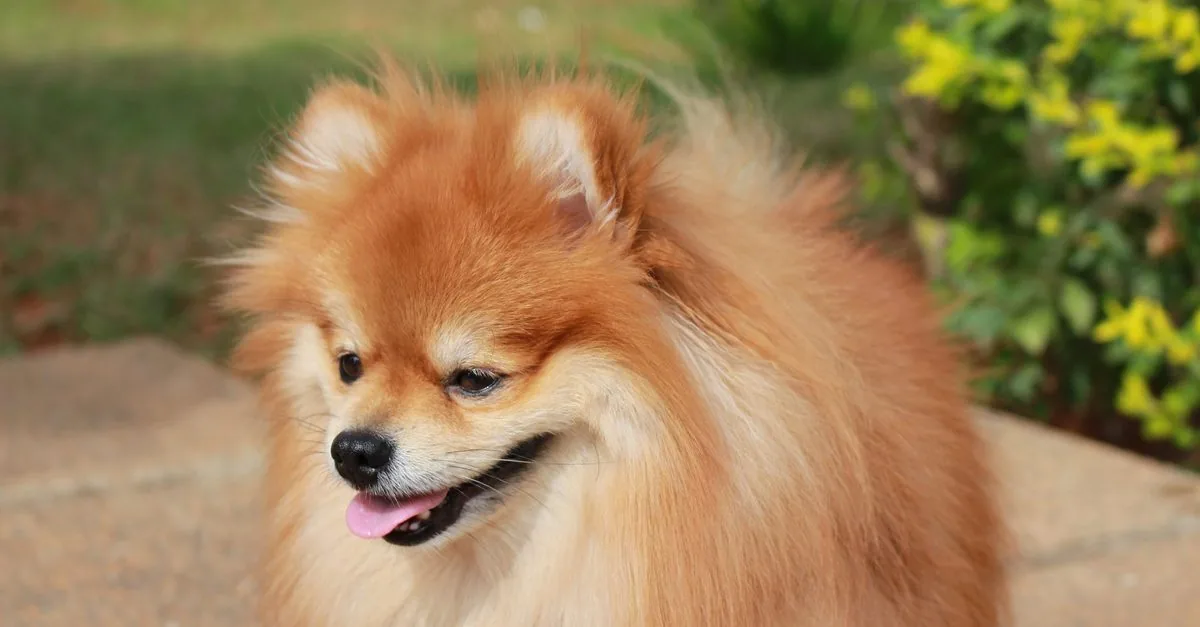
The Pomeranian is a small, lively, confident dog with a big personality. It's clever, devoted to its owner, and eager to learn, but also alert and prone to barking. Despite its tiny size, it needs exercise, mental stimulation, and consistent training - otherwise it easily becomes hyperactive and noisy. Its dense double coat needs regular brushing. It's a great dog for people who want an active companion, not a living ornament.
A fluffy ball of fur with a face that says "I know better" - the Pomeranian is one of the most recognisable small dogs in the world. Behind the adorable looks sits a full-blooded personality: bold, lively, and surprisingly confident for its size. Before you're won over by the photos, it's worth knowing who this dog really is.
Where the Pomeranian comes from
The Pomeranian belongs to the spitz family and traces back to the historical region of Pomerania, on the border of today's Poland and Germany. Its ancestors were much larger - working sled and herding dogs of the spitz type. The breed was gradually miniaturised over generations of breeding until it reached today's toy size.
That heritage explains a lot. Despite its tiny frame, the Pom kept the temperament of a working dog: alertness, energy, and a tendency to "report" vocally on everything happening around it. This is not a dog built for passive lap-lounging - it's an active, thinking companion in a small package.
Key personality traits
Confidence is the breed's signature. A Pomeranian often behaves as if it has no idea it's small - it will challenge much bigger dogs and get into situations beyond its abilities. The owner's job is to protect it from the consequences of that bravado.
Intelligence and eagerness to learn make the Pom excellent at picking up commands and tricks. That cleverness has a flip side, though: a bored dog quickly invents its own entertainment, usually the noisy kind.
Alertness is its watchdog inheritance. A Pom reacts vocally to the doorbell, footsteps in the hallway, or movement outside. Without early work on this, it can become a habitual barker.
Strong attachment to its owner makes it a devoted companion, but it can also underpin separation anxiety if the dog never learns to stay calmly on its own.
| Trait | Description |
|---|---|
| Energy level | Medium to high - needs daily exercise and play |
| Trainability | High - bright and willing, but can be stubborn |
| Tendency to bark | High - alert, vocal about triggers |
| Friendliness to strangers | Variable - can be wary, needs socialisation |
| Tolerance of being alone | Medium - attached, risk of separation anxiety |
| Coat care | Demanding - dense double coat, regular brushing |
| Injury resilience | Low - delicate build, careful with rough play |
How much exercise and stimulation does it need?
A common myth says a small dog "exercises itself" around the flat. Not true. A Pomeranian needs daily outings - usually two or three short walks plus play, around 30 to 60 minutes of activity in total. It's not only about burning energy but also about exploring the world, scents, and other dogs.
Just as important is work for the brain. The Pom is a thinking dog, so:
- teach it tricks and simple commands in short sessions,
- give it snuffle mats and puzzle toys,
- vary your walking routes so its nose has something to do.
A bored, under-stimulated Pomeranian channels its frustration into barking, digging, and stubbornness. That's not "spite" - it's unused energy.
Grooming - what to prepare for
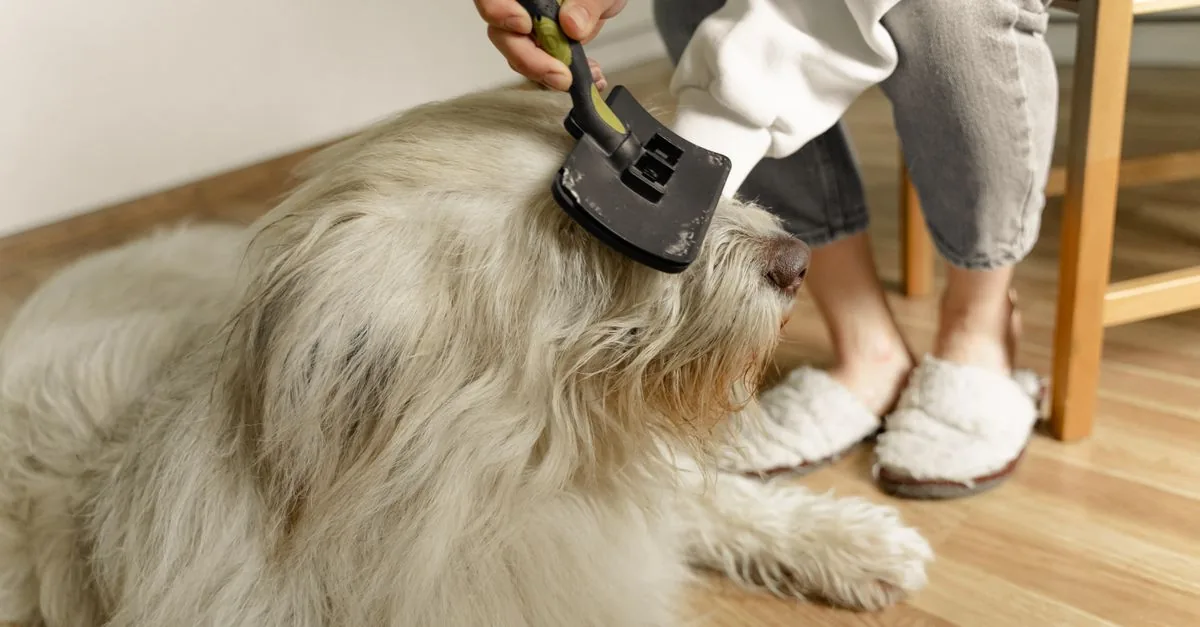
The dense double coat is the breed's calling card and its biggest grooming challenge. Brush the dog several times a week, and daily during shedding season, to prevent mats, especially behind the ears and under the legs. For general principles, see our guide to dog coat grooming.
An important warning: don't clip a Pom short or shave it in summer "to keep it cool". The double coat protects the dog from both cold and overheating, and shaving can permanently damage the coat structure (so-called post-clipping alopecia). Add regular nail trimming and dental care, since small breeds are especially prone to tartar build-up.
Pomeranian health
Like most toy breeds, the Pomeranian has its typical weak points. Common issues include:
- collapsing trachea - a honking, "goose-like" cough, worse with excitement,
- slipping kneecap - the dog briefly limps or "skips" on three legs,
- dental problems - crowded teeth and tartar, typical of small breeds,
- hormonal coat loss and skin problems.
Regular check-ups, dental hygiene, and keeping a healthy weight help catch problems early. This matters: the list above is a starting point for a conversation with your vet, not a tool for self-diagnosis. Discuss any worrying sign - a cough, a limp, lethargy - with a vet.
Who a Pomeranian suits, and who it doesn't
It's worth saying plainly, because at DOGOUT we love mixed breeds and pedigrees alike, but no breed is for everyone.
A Pomeranian suits you if:
- you want an active, thinking companion, not a handbag accessory,
- you have time for daily walks, play, and training,
- you're ready to care for the coat regularly,
- you'll consistently work on barking and socialisation.
A Pomeranian may be a poor choice if:
- you want a quiet dog that ignores every sound,
- you have no time to maintain a dense coat,
- there are very young children playing roughly at home,
- you expect a dog that calmly sleeps through long hours alone.
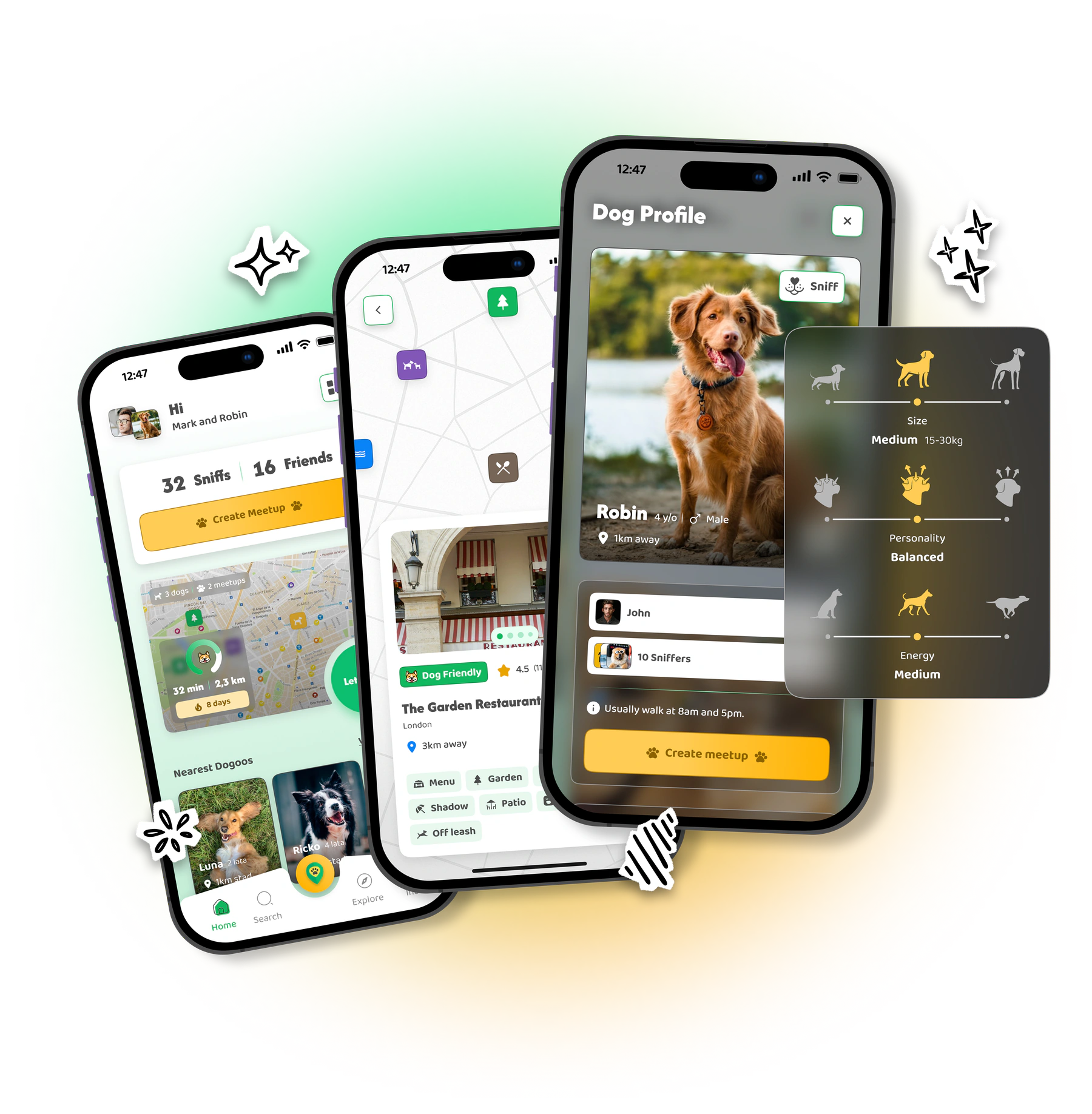
A well-raised Pomeranian is a clever, loyal, energetic companion that lives a full dog's life despite its small size. The key is taking it seriously: as a dog with real needs for movement and mental work, not as a living ornament. If you want yours to feel comfortable around other dogs, keep up regular, controlled meetings - in the DOGOUT app you'll find dog-friendly spots nearby and other small-breed owners whose dogs yours can get to know at a safe pace.
Frequently asked questions
- Do Pomeranians bark a lot?
- Yes, the Pomeranian is naturally alert and vocal about sounds, movement outside, and strangers - a legacy of its watchdog roots. Excessive barking can be clearly reduced with early socialisation and consistent training, so a lot depends on the owner's work.
- How much exercise does a Pomeranian need?
- Despite its small size, a Pomeranian needs daily exercise - usually two or three short walks plus play, around 30 to 60 minutes of activity in total. Mental stimulation matters just as much: trick training, scent work, and puzzle toys. A bored Pom becomes noisy and stubborn.
- Are Pomeranians good with children?
- They can work in a family with older, calm children who understand how to handle a small dog. Because of their delicate build, Pomeranians are prone to injury during rough play, so young children always need supervision. This is not a dog to be tugged and carried around like a toy.
- How do I care for a Pomeranian's coat?
- The Pomeranian has a dense double coat that needs brushing several times a week, and daily during shedding season, to prevent matting. Shaving the breed short is not recommended, as it can permanently damage the coat structure. A bath every few weeks and regular nail trimming complete the routine.
- What health problems do Pomeranians have?
- Common breed issues include a collapsing trachea, a slipping kneecap, the dental problems typical of small breeds, and hormonal coat loss. Regular vet check-ups and dental care help catch problems early. Always discuss any symptoms with your vet.
- Can a Pomeranian be left home alone?
- It can learn to stay calmly on its own for a few hours if you build up to it gradually and give it something to do. But it's a dog that bonds strongly with its owner, so long daily hours alone can encourage separation anxiety and barking. Gently teaching alone time from puppyhood is worthwhile.