

Welsh Corgi Temperament - What You Should Really Know
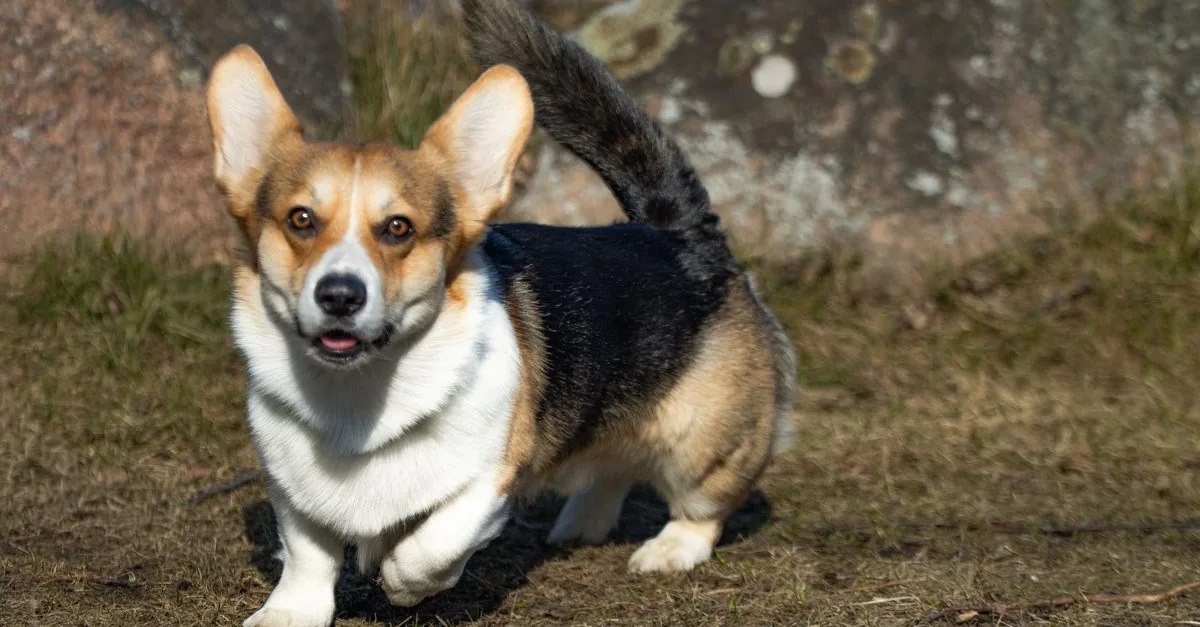
The welsh corgi is a small herding dog with a big personality - alert, clever, stubborn, and noisier than its looks suggest. It's a working breed, so it needs real exercise and mental jobs, not a life as a cushion ornament. Corgis are prone to barking and herding (including nipping at children and bikes) thanks to their pastoral instinct. Their long back and short legs mean a real risk of spinal problems, so weight control matters a great deal.
Short legs, huge ears, and an expression that says "I know better" - the welsh corgi looks like a friendly toy, but underneath it's a tough little herding dog. Before you fall for the internet photos, it helps to know that a corgi is a breed with real character, real energy, and specific needs. Here's an honest look at what a welsh corgi is really like and who it suits.
Where the welsh corgi comes from and what it tells you
The welsh corgi originates in Wales, where for centuries it helped drive cattle. Its low stature wasn't a breeder's whim but a working advantage: the dog could dart at a cow's heels, move it along with a bark, and duck under the level of a kick. It's a low-slung herder, not a handbag pet.
There are two distinct breeds: the pembroke welsh corgi and the cardigan welsh corgi. The pembroke is the better known of the two (popularised in part by the British royal household), smaller and more often tailless. The cardigan is older, larger, has a full tail, and comes in a wider range of colours. What they share is the core: intelligent, alert dogs built to work alongside people.
That heritage explains almost everything about the corgi's temperament - its watchfulness, its chattiness, its stubborn streak, and its need for a job. When you bring home a corgi, you're bringing home a small cattle drover, not a pillow.
Key welsh corgi temperament traits
Alertness is the breed's calling card. A corgi notices and comments on everything: the doorbell, a stranger outside, the postman. It makes a good watchdog, but without work on its reaction threshold it can turn into a tireless barker.
Intelligence and stubbornness go hand in hand here. A corgi learns fast but has opinions and likes to negotiate. This isn't a dog that obeys mindlessly - it's one that first checks whether it's worth its while. Reward-based training works brilliantly; a harsh tone and force do the opposite.
The herding instinct can surprise new owners. A corgi may try to herd - nudging or nipping at running children, cyclists, or other dogs. It isn't spite, just a way of working written into the genes. Channel it into play and discourage herding people from puppyhood.
Confidence in a small body means a corgi can be brave to a fault. It'll happily square up to a dog twice its size as if it hasn't noticed the difference. Good early socialisation is essential here.
| Trait | Description |
|---|---|
| Alertness | Very high - notices and comments on every trigger |
| Tendency to bark | High - a legacy of herding work |
| Intelligence | High - learns fast, but can be stubborn |
| Energy level | Medium to high - a working breed, not a lap dog |
| Friendliness with strangers | Medium - pembroke more outgoing, cardigan more reserved |
| Herding instinct | High - a tendency to chase and nip |
| Tolerance of being alone | Medium - likes to be near the family |
How much exercise does a welsh corgi need?
Don't be fooled by the short legs. A corgi is a working breed and needs genuine exercise plus mental work.
- Puppy: short, frequent walks, without straining the joints and spine. Avoid long jumping sessions and stairs.
- Adult corgi: around an hour of activity a day, split across at least two outings, plus mind-engaging games.
- Older dog: exercise adjusted to fitness, but don't drop it entirely - regular, moderate activity protects the joints and keeps weight in check.
A lead walk alone usually isn't enough. A corgi thrives when it has a task: trick training, scent work, simple obedience, or interactive games. A bored corgi will find its own occupation, and that's usually barking or dismantling the furnishings.
For more ideas on varying your outings, see our guide on how to make dog walks better.
Welsh corgi health - what you need to know
This is an important section, because the corgi's build carries real risks. The breed is chondrodystrophic, meaning it has genetically shortened limbs and a lengthened back. The key health points:
- Intervertebral disc disease (IVDD) - the long spine is prone to disc herniation. Excess jumping, especially off stairs and furniture, plus extra weight, raise the risk.
- Obesity - corgis put on weight easily and love their food. Every extra kilo adds strain to the spine and joints.
- Degenerative myelopathy - a progressive spinal cord disease seen in the breed; responsible breeders test for it.
- Eye conditions - including progressive retinal atrophy.
Weight control is the best daily prevention you can give a corgi. Always leave diagnosis and treatment to a vet - this article is no substitute for a clinic visit.
When to see a vet urgently: if a corgi suddenly refuses stairs, yelps when its back is touched, drags its hind legs, has weak or paralysed limbs, or hunches up and won't move - these can be signs of a spinal problem. Delay can cost a dog its mobility, so treat it as an emergency.
Is a welsh corgi for everyone?
No - and it's better to say so plainly.
A corgi suits you if:
- You like an active, thinking dog and have time for training.
- You don't mind chattiness and are willing to work on it.
- You'll accept a lot of shed hair - corgis moult heavily.
- You're ready to manage weight and protect the dog's spine.
A corgi may be a poor choice if:
- You want a quiet dog that entertains itself.
- You have no time for daily exercise and mental stimulation.
- You live somewhere frequent barking is a real problem and you don't want to work on it.
- A dog with a strong will and its own opinions doesn't appeal to you.
Corgis are, of course, just as welcome with us as a mixed-breed or any other dog - no breed is "better", what matters is matching the dog to the owner's lifestyle.
Socialisation and upbringing
A well-socialised corgi is a confident, balanced dog; one without it easily becomes over-alert and reactive. From the earliest weeks, expose it to different people, dogs, sounds, and situations. Reward-based training suits this breed perfectly - a corgi works happily when it sees the benefit.
Priorities should be recall, calm passing of triggers, and work on barking and herding. All of it can be trained, but it takes consistency from the whole household.
If you have questions about your dog's behaviour or want to meet other corgi owners nearby, take a look at the DOGOUT map - you'll find places to walk and a dog crew to head out with.
A last word on life with a corgi
The welsh corgi is a lot of dog in a small body: sharp, alert, stubborn, and full of life. Give it exercise, a job for its brain, and careful attention to weight and spine, and it'll repay you with loyalty, humour, and a daily dose of character. It's not an easy dog for someone after a quiet ornament - it's a partner for action, happiest where something is going on.
Frequently asked questions
- Do welsh corgis bark a lot?
- Yes, corgis are a vocal breed. It's a legacy of herding work - they used barking to move cattle. Without consistent training and enough exercise they'll happily bark at passers-by, bikes, and sounds outside the window. You can manage it, but don't expect a naturally quiet dog.
- What's the difference between a pembroke and a cardigan corgi?
- The pembroke is smaller, more often has a short tail, and is the more popular of the two. The cardigan is slightly larger and heavier, has a full tail, and comes in a wider range of colours. Temperament-wise, cardigans tend to be calmer and more reserved with strangers, while pembrokes are usually more outgoing. Both are herding dogs with similar exercise needs.
- Is a corgi suitable for a flat?
- Yes, provided you give it daily exercise and mental stimulation. The size of the flat matters far less than the quality and number of walks. Watch the stairs, though - repeated jumping up and down them strains a corgi's long spine, so limit them for puppies and older dogs.
- How much exercise does a welsh corgi need?
- An adult corgi needs around an hour of activity a day, ideally split across two walks plus mind-engaging games. It's a working breed, so a gentle stroll alone isn't enough - scent work, trick training, and simple tasks all help. A bored corgi finds its own entertainment, usually loudly.
- Are corgis healthy dogs?
- Corgis are chondrodystrophic, meaning they have shortened limbs, which raises the risk of intervertebral disc disease (IVDD). They're also prone to obesity, which adds further strain to the spine and joints. The breed can also carry eye conditions and degenerative myelopathy. Regular weight checks and vet visits help catch problems early.
- Do corgis get on well with children?
- Usually yes, but the herding instinct can lead a corgi to chase running children, nudging them or nipping at their heels. It's worth discouraging this from the start and teaching children to play calmly. With good socialisation, a corgi can be a brilliant, involved family companion.