Dalmatian Temperament - What This Breed Is Really Like
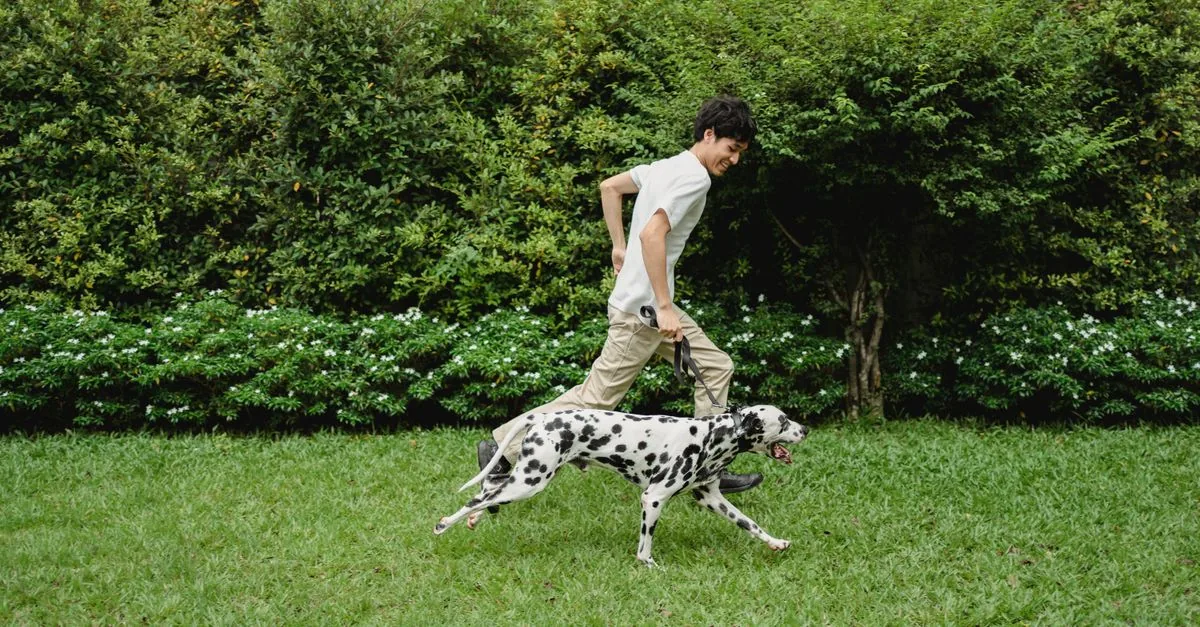
The Dalmatian temperament is built around high energy, sharp intelligence and a strong will - this is not a couch-dog breed. Dalmatians need at least 1.5-2 hours of real exercise a day, consistent training from puppyhood, and company - they cope badly with being left alone and bored. With proper socialization they become affectionate, loyal family dogs, but without enough movement and mental work they quickly turn into stressed, destructive housemates.
The spotted coat is just the headline - what really matters is the Dalmatian temperament, and it tends to surprise people who only know the breed from its calm, family-friendly movie image. In reality, this is a dog full of energy, stubbornness and a need for a job to do - and understanding that before a Dalmatian moves in changes everything.
Where the Dalmatian comes from - and why it matters
For centuries, Dalmatians worked as coach dogs - trotting alongside horses to escort carriages on long routes, and later running with fire wagons in the United States. That history explains almost everything about the breed's character: stamina, a need to cover long distances, alertness, and a strong bond with "its" group - once horses and a driver, today a family. A dog bred to work for hours every day does not turn into a couch potato just because it now lives in an apartment.
Dalmatian temperament - the key traits
Before committing to this breed, it helps to look at its real traits, not just its looks:
| Trait | What it looks like day to day |
|---|---|
| Energy level | Very high - needs intense exercise every day |
| Intelligence | High, learns fast, but can be selectively obedient |
| Stubbornness | Strong - will test boundaries without consistent training |
| Bond with family | Loyal and affectionate with its people, attaches deeply |
| Attitude to strangers | Reserved or wary without early socialization |
| Coat | Short, but sheds heavily year-round |
| Health | Risk of congenital deafness and a tendency toward urate stones |
| Best suited for | Active owners with some experience, not necessarily a first dog |
The same stubbornness that makes training harder without consistency can become an asset in experienced hands - a Dalmatian learns quickly and eagerly when the task is interesting and challenging enough.
How much exercise and stimulation does a Dalmatian need?
A useful starting point is working out how many walks a dog actually needs.
This is the most common mistake with this breed - underestimating its exercise needs. A Dalmatian genuinely needs 1.5-2 hours of activity a day, ideally split across several sessions: running, cycling alongside its owner, a long hike, or fetch games. A simple leash walk around the neighborhood is not enough - without proper physical outlet, this dog starts looking for one on its own, which often means chewed shoes, dug-up yards, or excessive barking.
Mental stimulation matters just as much - a Dalmatian gets bored quickly with repetitive drills, so it pays to vary training, try scent games, or teach new commands regularly. A good starting point is checking how much daily walking a dog actually needs at different ages and fitness levels, then scaling that up for this particular breed's high-energy nature.
Socialization and training - where the real challenges lie
Without broad early socialization, a Dalmatian tends to be wary of strangers and other dogs - not aggression, but the same alertness inherited from its role guarding carriages. Puppies should meet different places, sounds, people, and animals from the first weeks, so the adult dog responds with calm rather than stress.
Training calls for consistency and patience - this breed quickly picks up on inconsistent rules and will use that to its advantage. Short, engaging training sessions work better than long repetition of the same commands. If you are still figuring out whether this breed even fits your lifestyle, it is worth first working through a general guide on how to choose a dog breed that matches your actual daily routine, not just how a dog looks.
Health and temperament - why this connection matters
Two health issues directly shape how a Dalmatian behaves. First is congenital deafness - it affects a significant share of puppies in this breed (in one or both ears) and is linked to the gene responsible for the white coat. A hard-of-hearing dog needs a different training approach, built around visual cues and vibration rather than verbal commands, and its reactions to stimuli can look different from a hearing littermate's. Second is a tendency to form urate stones - Dalmatians have a distinctive purine metabolism, which means watching diet and running regular urine checks throughout the dog's life.
Before committing to a puppy, ask the breeder for a BAER hearing test result for that specific litter - it is one of the few things you can actually verify before adoption.
Is a Dalmatian the right dog for you?
If you are still weighing it up, see our guide on how to choose a dog breed and our roundup of large dog breeds.
This breed suits active owners who genuinely run, cycle, or spend long hours outdoors and want a dog by their side for it. It is not the best choice for a first dog ever, or for someone who spends most of the day away from home - Dalmatians cope poorly with loneliness and boredom, and unused energy always finds an outlet, not necessarily one you will appreciate.
If you are looking for a dog that will get you out the door every single day, a Dalmatian can be a great partner - as long as you can keep up with it. Before deciding, it is worth checking what daily life actually looks like with large dog breeds - size and temperament together shape the real, everyday workload.
If a Dalmatian - or any other high-energy dog - already lives with you, check the DOGOUT map to find spots nearby for long, intense walks and runs, and meet other owners with equally active dogs to team up with. A pack always runs livelier than one dog alone on a leash.
Frequently asked questions
- Are Dalmatians aggressive?
- No, aggression is not typical for the breed - historically the Dalmatian worked as a coach dog, running alongside horses and staying close to people all day. They can be reserved or wary of strangers and other dogs without early socialization, though, which can look defensive rather than open.
- How much exercise does a Dalmatian need daily?
- Realistically 1.5-2 hours of intense activity a day - running, cycling alongside its owner, brisk long walks. This is a breed bred to cover many kilometers next to a carriage, so a short walk around the block will not be enough and leads to frustration.
- Are Dalmatians good with kids?
- Yes, with good socialization and enough exercise they can be excellent family dogs - affectionate and loyal toward their people. That said, given their size and energy, supervision with small children is always needed, and older kids find it easier to keep up during active play.
- How much does a Dalmatian puppy cost?
- A puppy from a reputable breeder with papers typically costs a few thousand dollars, depending on the bloodline and region. Ask the breeder for the parents' and litter's hearing test (BAER) results - one of the most important things to check for this breed.
- Do Dalmatians bark a lot?
- They are not an inherently barky breed, but they will vocalize out of boredom, loneliness, or pent-up energy. A dog that gets enough exercise and mental engagement barks far less out of frustration than one left alone in an apartment all day.
- Are Dalmatians deaf?
- Congenital deafness is a real concern in this breed - a notable share of puppies are deaf in one or both ears, linked to the gene responsible for the white coat. That is why it is worth asking the breeder for a BAER test result for the specific puppy before buying.