Jack Russell Terrier Temperament - what this dog is really like
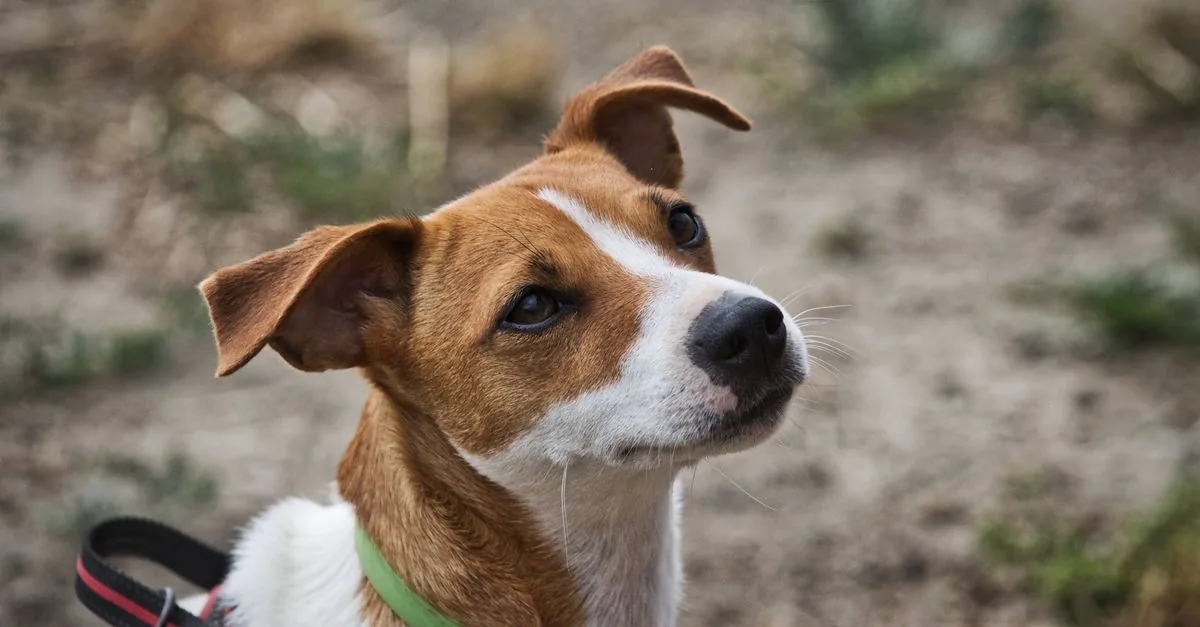
The Jack Russell Terrier temperament is an explosive mix of intelligence, stubbornness, and relentless energy. This is a hunting dog through and through - fearless to a fault, independent-minded, and quick to chase anything that moves. A Jack Russell needs at least 1.5-2 hours of real activity a day, consistent leadership, and mental work, because a bored one will invent its own entertainment - usually destructive. It's a great match for an active, patient owner, not for someone looking for a quiet couch companion.
A Jack Russell Terrier weighs barely 13-17 pounds but carries the energy, stubbornness, and self-confidence of a dog three times its size. The Jack Russell Terrier temperament is worth understanding in cold, clear terms before you fall for one on a cute video clip - because this breed genuinely demands a specific lifestyle.
Where does the Jack Russell Terrier temperament come from?
This breed was developed in 19th-century England to hunt foxes - specifically to go down into dens and flush out prey. That history explains everything else about the dog: a small body built to fit through a tight tunnel, courage bordering on recklessness, lightning reflexes, and a determination that doesn't know the word "quit." The Jack Russell wasn't bred for obedience on command - it was bred to make independent decisions alone in a cramped burrow, far from any human. That's why it's so stubborn: it's genuinely wired to think "I'll do it my way."
What are the main personality traits of a Jack Russell?
Here's a breakdown of the traits that most consistently define this breed's temperament - in daily practice, not in a breeder's brochure.
| Trait | How it shows up day to day |
|---|---|
| High energy | Needs running, fetch, digging - without it, finds its own outlet |
| Stubbornness | Repeats its own ideas even after hearing "no" |
| Fearlessness | Doesn't shy away from bigger dogs or situations beyond its size |
| Prey drive | Chases squirrels, cats, sometimes bikes and joggers |
| Intelligence | Learns fast - and learns to bend the rules just as fast |
| Alertness | Reacts loudly to sounds, movement outside, doorbells |
| Attachment | Strong bond with its owner, can get jealous of attention |
This combination is why the Jack Russell Terrier is often called "a big dog in a small body" - and that description isn't an exaggeration.
Jack Russell Terrier drawbacks worth knowing about
No breed is perfect, and an honest temperament profile has to cover the harder edges too.
- Barking - reacts vocally to stimuli from its surroundings; apartment neighbors will notice.
- Digging - the denning instinct means it can excavate a yard in minutes.
- Resource guarding - without early work on this, it may guard its bowl, toys, or bed.
- Poor recall mid-chase - once it spots prey, recall often fails, which is why a leash in areas with wildlife isn't optional.
- Destructiveness when bored - furniture, shoes, and wallpaper pay the price for an under-exercised Jack Russell.
Knowing these drawbacks shouldn't scare you off - it should help you decide whether you have the time and patience to manage them.
How much activity does a Jack Russell Terrier need?
This is not a dog that's satisfied with a fifteen-minute walk around the block. It needs a minimum of an hour and a half to two hours of real exercise daily, ideally split into several sessions - running, fetch, scent work, tug games. It also responds well to dog sports: agility, flyball, nose work. If you're looking for ways to break up the routine, our guide on making walks more engaging is a good place to start - for this breed, varied stimulation isn't a bonus, it's a requirement.
Does the Jack Russell Terrier fit your lifestyle?
This breed suits someone who enjoys movement, has time for daily training, and doesn't get discouraged by the dog's first display of stubbornness. It's not a good match for someone looking for a quiet couch companion, or for anyone who spends most of the day away from home without arranging enrichment for the dog. If you're weighing this breed against others with a similar energy level, our guide on how to choose a dog breed can help you sort out priorities - activity level, space, experience, and the time you actually have available.
For comparison, if you want a dog just as sharp but with an even higher, work-driven energy level, take a look at the Border Collie temperament - a different league of demands, but a similar philosophy: intense activity instead of passive lounging at home.
Jack Russell Terrier in practice - who it gets along with
Around well-socialized dogs, a Jack Russell usually gets along fine, though it can be assertive - sometimes outright confrontational - toward unfamiliar dogs; this is not a breed that backs down first. With small household pets, results vary - the prey drive runs deep and socialization doesn't always tame it completely. With children it generally does well, as long as the kids respect its boundaries and don't treat it like a toy - this dog has opinions and isn't shy about expressing them.
How to raise a Jack Russell Terrier without ending up with a tiny tyrant
The key is consistency from day one at home, not only once problems appear. This breed quickly senses where the boundaries are - and tests just as quickly whether they can be moved. Train in short, frequent sessions rather than long, repetitive drills, because a Jack Russell gets bored with repetition almost as fast as with idleness. Rewards built around movement and play tend to work better than food alone - this is a dog that works for excitement, not just treats. Early socialization with other dogs, people, and city stimuli reduces later reactivity, though it doesn't always eliminate it entirely - this is still a hunting terrier, not a herding breed wired to cooperate with humans at any cost.
The Jack Russell Terrier is a breed for people who want a partner for an active life, not an accessory for the sofa. Whether you already share your home with one or you're still weighing the breed, the best way to find out if you'll thrive together is simply to get outside - the more movement and new places, the calmer the evening. On the DOGOUT map you'll find spots nearby that suit high-energy dogs, and you can see who else with an equally energetic dog is walking close by - set up a meetup and give your Jack Russell something better to focus on than the living room furniture.
Frequently asked questions
- What is the Jack Russell Terrier's personality like?
- The Jack Russell Terrier is bold, sharp, and extremely energetic, with a strong hunting instinct and a stubborn streak. It's deeply attached to its family but can be possessive over territory and resources. It doesn't tolerate boredom - it needs daily exercise and tasks that engage its mind.
- Is the Jack Russell Terrier aggressive?
- It's not inherently aggressive toward people, but without socialization and consistent handling it can show dominance, resource guarding, or reactivity toward other dogs and small animals. Strong prey drive isn't aggression - it's a natural trait of hunting terriers.
- How much exercise does a Jack Russell Terrier need daily?
- At least 1.5-2 hours of real activity a day - running, fetch, scent work, games that engage the brain. A leash walk alone usually isn't enough. An under-exercised Jack Russell converts that energy into barking, digging, and destroying things at home.
- Is the Jack Russell Terrier suitable for a first-time owner?
- It can work for a first-time owner, but only if that owner is ready for consistent training from day one and has plenty of time for activity. Without clear rules, a Jack Russell quickly takes charge at home, and that's hard to reverse later.
- Does a Jack Russell Terrier get along with other pets?
- With dogs it grew up with or met early, it usually lives peacefully. With small pets - hamsters, rabbits, sometimes cats - it's hit or miss, because the drive to chase prey runs deep in this breed.
- How long do Jack Russell Terriers live?
- The Jack Russell Terrier is one of the longer-lived breeds - typically 13-16 years, and with good care and a healthy weight some dogs reach 17-18 years.