Choosing a Dog Harness - Types and Fit
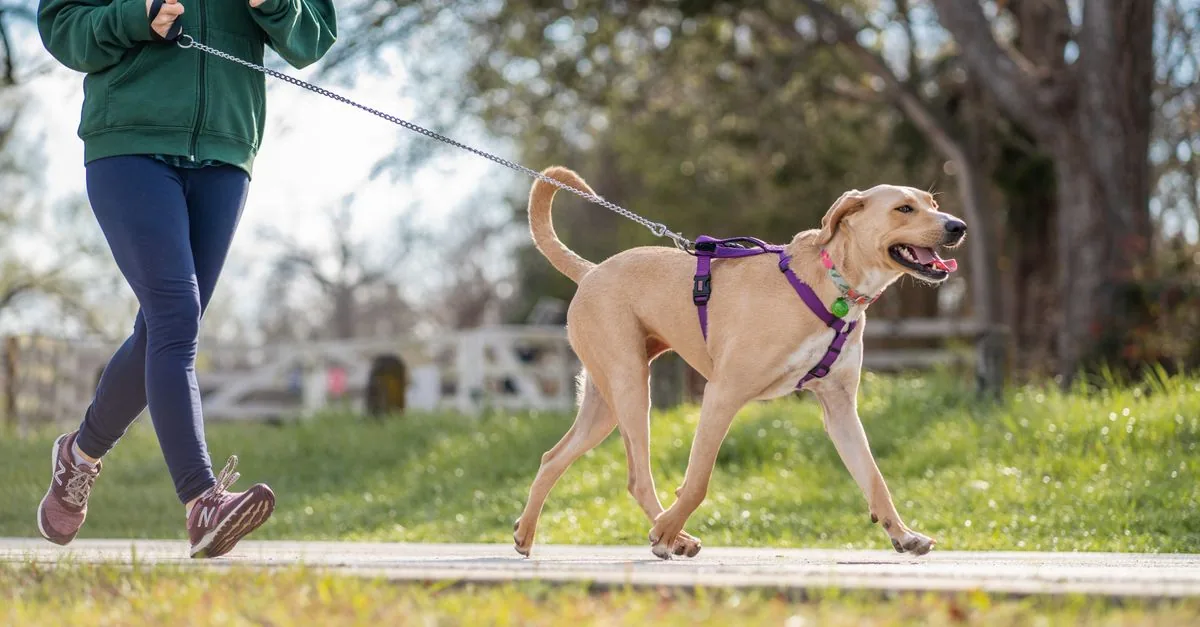
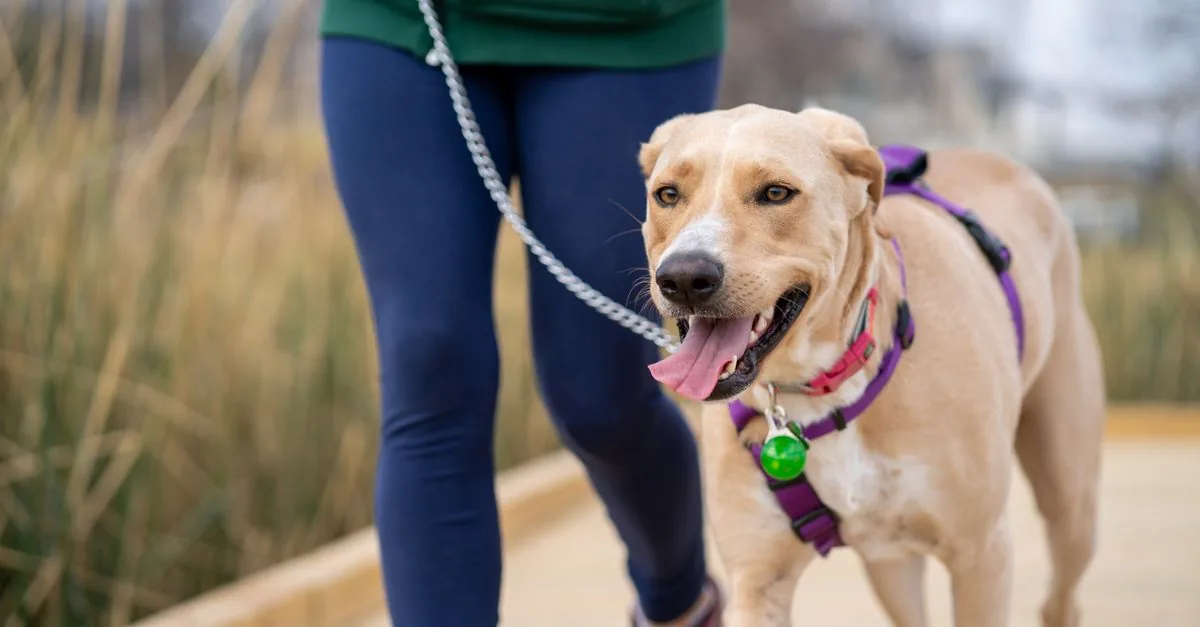
A good dog harness spreads pressure across the chest rather than the neck, protecting the windpipe and cervical spine - especially in dogs that pull. Fit matters most: the harness mustn't dig into the armpits, restrict shoulder movement, or slip off over the head. You match the type to the goal - one for everyday walks, another for running, and a front-clip design to help with calm walking. Always measure your dog and try it on, because the label size can be misleading.
A harness is the default choice for many owners today - and rightly so, because a well-chosen one protects the neck and gives better control than a collar. The trouble is that the shop shelf can overwhelm you: dozens of cuts, clips and sizes. Below we break the topic down so you pick a harness that fits your dog, not the marketing.
Harness or collar - when to use which
Let's start with the basic question, because everything else follows from it. Collars and harnesses aren't rivals - they do different jobs.
A collar is great for carrying an ID tag with a phone number, but on a jerk all the pressure lands on the delicate neck: the windpipe, thyroid and cervical vertebrae. In dogs that pull, small breeds and brachycephalic ones (pugs, bulldogs), that's a real risk. A harness spreads the force across the chest, making it safer for handling, especially when a dog can be impulsive.
A sensible compromise many owners use is a collar with an ID tag worn permanently plus a harness for the walk. Identification and safety in one.
Types of harness and what they suit
There's no single "best" harness - only gear matched to a purpose. Here are the most common types and their strengths.
| Harness type | Best for | Watch out for |
|---|---|---|
| Back-clip (H, Y shape) | Everyday walks, non-pullers | Doesn't help un-teach pulling |
| Front-clip | Learning calm walking, pullers | Needs pairing with training |
| Norwegian (chest-plate) | Quick on and off, calm dogs | Poorer for dogs that wriggle out |
| Handle / guard | Control in crowds, rehab | Heavier, warmer in summer |
| Running / canicross | Running, dogtrekking | Impractical for an ordinary walk |
| Car safety | Car travel | Not gear for walking |
The H and Y letter shapes refer to how the straps sit on the chest. Y-shaped harnesses are usually best for movement, because they don't cut across the shoulder line or restrict the shoulder blade.
The most important thing: fit
Even the priciest harness will do harm if it sits wrong. The three most common mistakes are digging into the armpits, blocking shoulder movement, and a strap running too close to the throat. A well-fitted harness:
- lets you slide two fingers flat under each strap,
- doesn't rub the skin at the armpits (a 2-3 finger gap behind the elbow),
- doesn't restrict the shoulders - the chest strap sits below the shoulder joint,
- doesn't slip off over the head or twist to the side,
- holds the clip steady at the centre of the back or chest.
Worn patches in the coat, chafing, or a shortened, stiff stride are signs the harness is pressing. It's worth checking your dog over after a longer walk.
How to measure your dog
"S/M/L" means something different in every brand, so don't buy by eye. You need three measurements:
- Chest girth - just behind the front legs, at the widest point. This is the most important measurement.
- Neck girth - at the base, where the neck ends and the chest begins.
- Weight - helpful when the maker's chart uses it.
Have a tailor's tape and measure a standing, calm dog. If the result falls between two sizes, choose the larger and adjust with the straps. Adjustment at several points is a big plus, especially for dogs with an unusual build.
Harnesses and learning to walk calmly
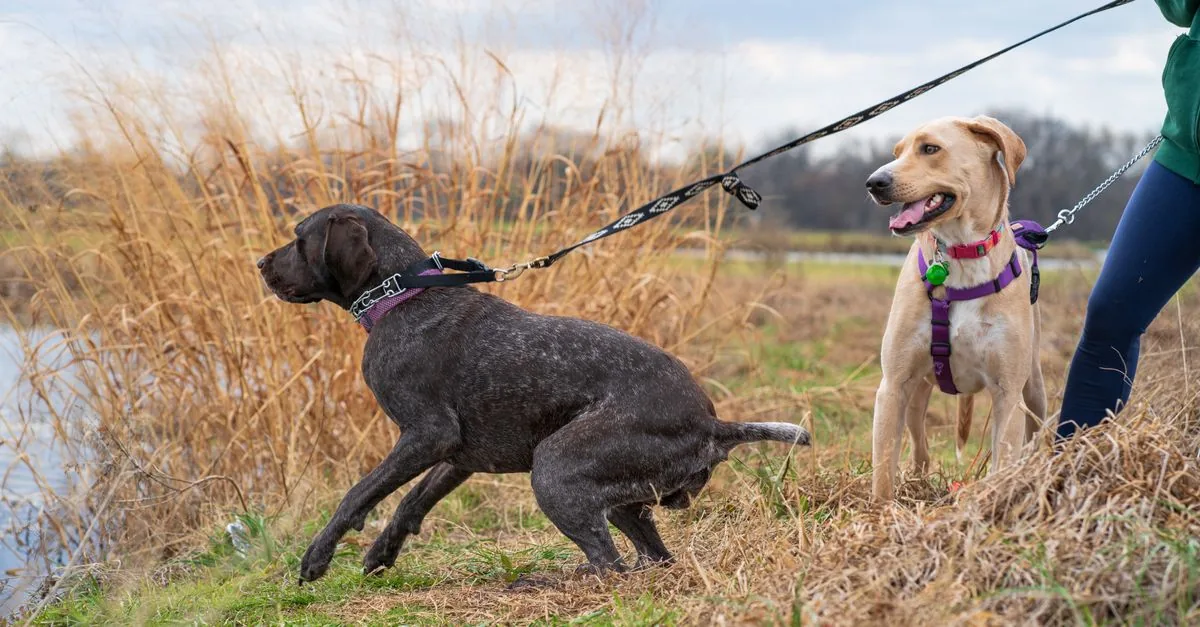
A common myth says harnesses "teach pulling". In reality pulling is a matter of training and emotion, not gear - a dog pulls because it pays off, not because it wears a harness. A classic harness won't un-teach it, but it won't deepen the problem either.
If your dog pulls hard, a helpful tool is a front-clip harness that gently redirects its momentum to the side. That's support, not magic - it works best alongside the consistent work we describe in our guides to loose-leash walking and how to stop a dog pulling on the leash. Do avoid tightening harnesses that work through discomfort - they solve the symptom at the cost of trust and welfare.
Material, quality and season
You can tell a good harness by the details. Look for strong, even stitching, solid buckles (metal or quality plastic) and soft padding where the webbing touches the body. In summer, breathable, light models work best - thick, padded harnesses can overheat, worth remembering when planning walks in hot weather. Reflective elements are a big plus for autumn and winter outings after dark.
Don't be guided by price alone in either direction: the most expensive isn't always the best-fitting, but very cheap harnesses often have weak clasps that give way at the worst moment.
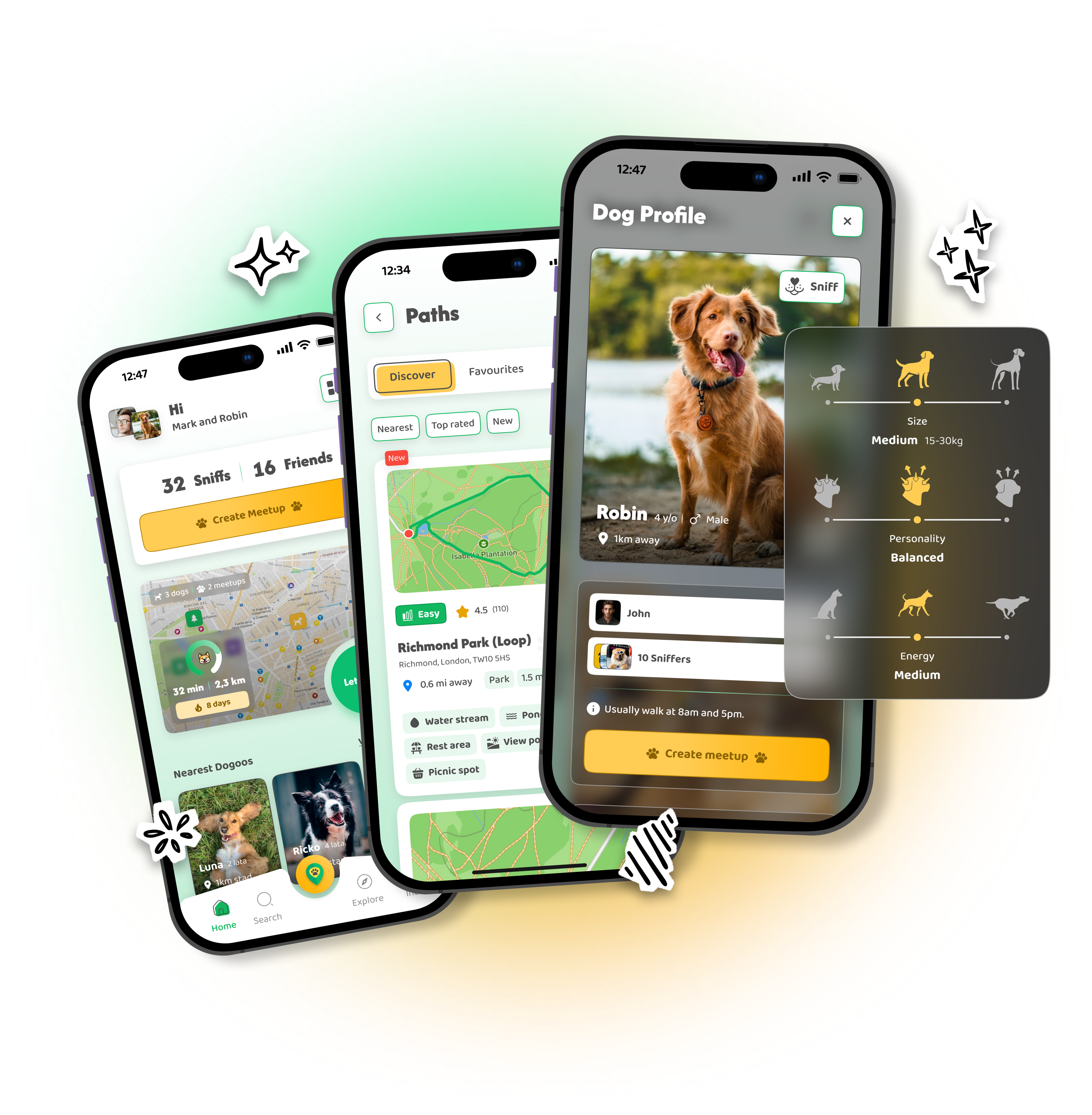
Choosing a harness comes down to three questions: what it's mainly for, whether it fits well, and whether it's solidly made. Measure your dog, try on a few cuts, and watch how it moves - a free, long stride is the best proof you got it right. And once the new harness is ready, it's worth testing on a calm, interesting route: in the DOGOUT app you can see spots other owners recommend nearby and plan a first walk where your dog feels the difference.
Frequently asked questions
- Harness or collar - which is better for a dog?
- For walking and training a harness is usually better, because it spreads pressure across the chest and protects the neck - which matters especially for dogs that pull and breeds prone to a collapsing windpipe. A collar is fine for carrying an ID tag, but a sudden jerk loads the delicate neck. Many owners combine both: a collar for the ID, a harness for control.
- How do I size a dog harness?
- Measure the chest girth just behind the front legs, the neck girth at the base, and the dog's weight, then compare with the maker's chart - sizes vary by brand. A well-fitted harness lets you slide two fingers under the straps, doesn't rub the armpits, and won't slip off over the head. Always try it on before a longer walk.
- Do harnesses teach a dog to pull?
- That's a myth. Pulling comes from training and emotion, not from the type of gear. A classic back-clip harness doesn't 'teach' pulling, but it won't cure it either. If your dog pulls, a front-clip harness plus loose-leash training tends to help.
- What harness suits a dog that pulls?
- Look at a front-clip harness (attaching at the chest) - it redirects the dog's momentum to the side and makes calm walking easier without pressing on the neck. It's a support tool, not a miracle: it works best alongside consistent training. Avoid tightening, pressure-based harnesses, since they work through discomfort.
- At what age can a dog wear a harness?
- A puppy can wear a light, soft harness from the time it starts going on walks, as long as it doesn't restrict movement and is adjustable. Puppies grow fast, so check the size often - buying successive sizes works out better than one bought oversized. A tight harness on a growing dog can disrupt shoulder movement.
- How often should I replace a harness?
- When the webbing frays, buckles crack, or the dog outgrows the size. For a growing puppy that can be every few weeks; on an adult dog a good harness lasts years. Regularly check the stitching and clasps, as they decide safety under a sudden jerk.