Choosing a Dog Bed - The Complete Guide
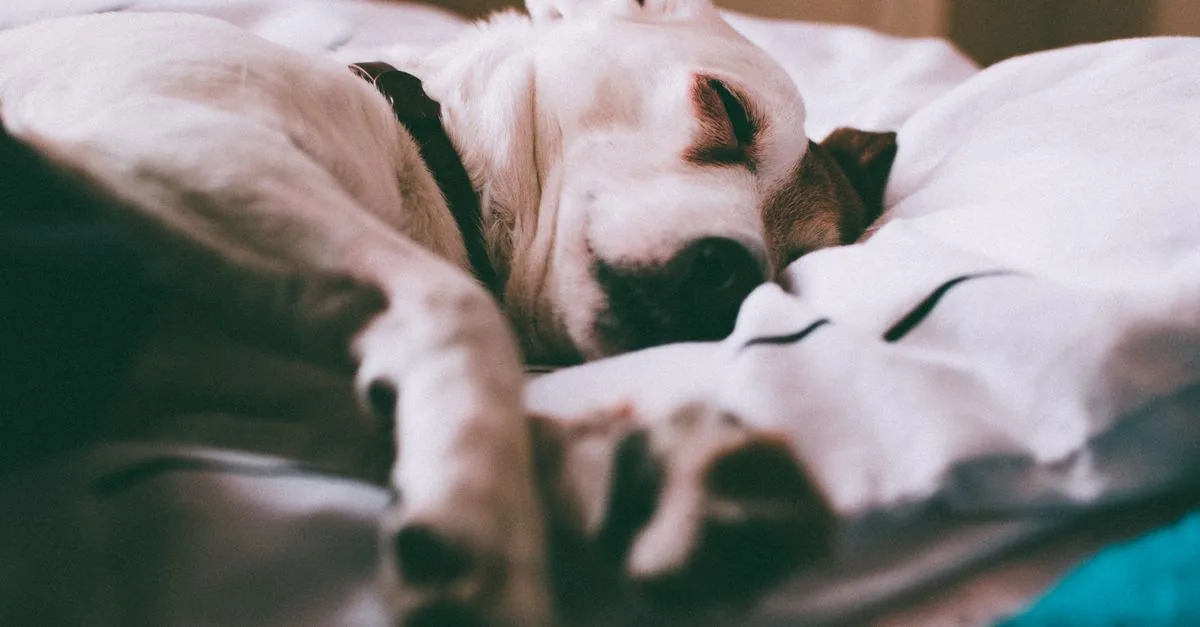
When choosing a dog bed, focus above all on size, comfort, and ease of washing. A good bed should let the dog stretch out on its side, so measure it from nose to base of tail and add around 20 to 30 cm of extra room. A simpler, cheaper bed works for a puppy, while a senior or a dog with joint problems benefits from an orthopaedic foam model. Prioritise a removable, washable cover and a material suited to your dog's temperament (a chewer needs something tougher).
Dogs sleep through most of the day, so a bed isn't a gadget - it's one of the most important pieces of furniture in their life. A good bed affects sleep quality, joint condition, and a dog's sense of security. A poor choice often ends with the dog sleeping on the floor or the sofa anyway. In this guide we'll go through everything that genuinely matters when choosing a bed, from size to material.
Why a bed matters so much
Dogs sleep a great deal - an adult dog needs a good dozen or more hours of sleep and rest a day, and puppies and seniors even more. For more on how much sleep a dog needs, see our article on how much dogs sleep.
Its own comfortable bed gives a dog more than a soft surface. It's a safe base - a place to retreat to, settle, and rest without being disturbed. For a stressed or over-stimulated dog, such a spot has real therapeutic value. Then there's health: the right surface takes pressure off the joints and protects against pressure sores, especially in large and older dogs.
Size - the most important parameter
Size is the most common mistake at purchase. A bed that's too small is simply uncomfortable, and the dog can't stretch out in it.
How to pick the size:
- Measure your dog from the tip of the nose to the base of the tail while it lies stretched out on its side.
- Add around 20 to 30 cm of extra room so the dog can freely change position.
- Account for sleeping style. Dogs that like to curl up appreciate a bed with raised edges. Those that sleep stretched out need a large flat surface.
If you're buying a bed for a puppy, think about its adult size. Buying a new bed every few months is expensive, so it's sensible to choose a larger model straight away and add a cheaper, smaller bed for the chewing phase.
Types of dog bed
There's no single best type - it all depends on the dog. Below are the most common options and who they suit.
| Type of bed | Best for |
|---|---|
| Classic with raised edges (nest) | Dogs that like to curl up and feel their sides supported |
| Flat mattress | Dogs that sleep stretched out, large breeds |
| Orthopaedic foam | Seniors, large breeds, dogs with joint problems |
| Raised (on a frame) | Hot weather, dogs that like a cooler surface, terraces |
| Cave bed (covered) | Dogs that like to hide and seek a sense of shelter |
The orthopaedic bed deserves separate mention. Memory foam spreads body weight better and takes pressure off the joints, which is why it genuinely makes sense for older dogs, large breeds, and dogs with dysplasia or after surgery. For a young, healthy dog it isn't necessary - a comfortable but ordinary bed is perfectly enough.
Material and build
What a bed is made of decides its durability and hygiene. What to look for:
- A removable, washable cover is an absolute must. A bed needs regular washing, and a model without a removable cover quickly becomes a problem.
- Match material toughness to temperament. A dog that chews and digs at its bed needs strong, dense fabric, not a delicate plush.
- A non-slip base stops the bed sliding around on wood or tiles.
- Season-appropriate material - some beds are warmer, for winter, and some breathable and cooling, for hot weather. If you're looking for ways to manage hot days, see our article on how to cool down a dog.
A good habit is to check whether the cover is machine washable and at what temperature. Regular washing reduces dust mites, dust, and odour - which matters especially for dogs with allergies.
Where to place the bed
Even the best bed won't work if it's in the wrong spot. The best is a quiet, warm corner away from draughts and the home's main thoroughfare. At the same time, most dogs don't want to be isolated - they like to rest where their people are. The compromise is placing the bed in the living room, but in a quiet corner where the dog isn't constantly being brushed past.
Many dogs also do well with more than one bed: one in the bedroom or by their owner, another in the living room. The dog itself will show you where it feels best.
Common mistakes when choosing a bed
- A bed that's too small - the most common mistake, and the reason a dog won't lie in it.
- No removable cover - the bed quickly turns stale and hard to clean.
- Buying by looks, not by the dog's needs - a stylish model isn't always comfortable.
- Delicate material for a dog that chews - it ends up destroyed in a few days.
- Ignoring age and health - a senior on a thin mat will suffer for its joints.
Choosing a bed isn't complicated once you start with the right questions: how big is the dog, how and where does it like to sleep, and what health needs does it have. A good bed is an investment for years and a real contribution to a dog's comfort. And once your dog is well rested and ready to go, check the map in the DOGOUT app to plan where to head for the next good walk nearby.
Frequently asked questions
- How do I choose the right size dog bed?
- Measure your dog from the tip of the nose to the base of the tail while it lies stretched out, then add around 20 to 30 cm of extra room. The bed should let the dog stretch out fully on its side, not just curl up. A bed that's too small is uncomfortable, while one that's too big can feel less cosy for dogs that like to feel their sides supported.
- Is an orthopaedic dog bed worth it?
- An orthopaedic memory-foam bed mainly makes sense for older dogs, large breeds, and animals with joint problems, dysplasia, or after surgery. The foam spreads weight better and takes pressure off the joints. For a young, healthy dog, an ordinary comfortable bed is perfectly enough.
- What kind of bed does a puppy need?
- For a puppy, a simpler and cheaper bed with an easily washable cover is the better choice, because pups chew, make a mess, and grow fast. There's no point investing in an expensive orthopaedic model until the dog reaches its adult size. Do choose a chew-resistant material and pick a size with the dog's future size in mind.
- How often should I wash a dog bed?
- A removable cover is worth washing on average every 1 to 2 weeks, and more often if the dog sheds heavily, gets dirty on walks, or has allergies. Regular washing reduces dust mites, dust, and odour, and helps with skin hygiene. That's why a removable, washable cover is one of the most important features of a good bed.
- Where should I put the dog bed in the home?
- The best spot is a quiet, warm corner away from draughts and the main flow of the household, but where the dog still feels part of the family. Many dogs like having their bed in a room where people spend time. What matters is a place where the dog can rest without being constantly disturbed.
- How much should a good dog bed cost?
- The price depends on size, type, and material - simple beds are inexpensive, while large orthopaedic models cost considerably more. The most expensive isn't always the best: the key things are the right size, comfort, and a washable cover. It's worth treating a bed as an investment for years and choosing quality that matches your dog's needs.