Shih Tzu Temperament - Is This the Right Breed for You?
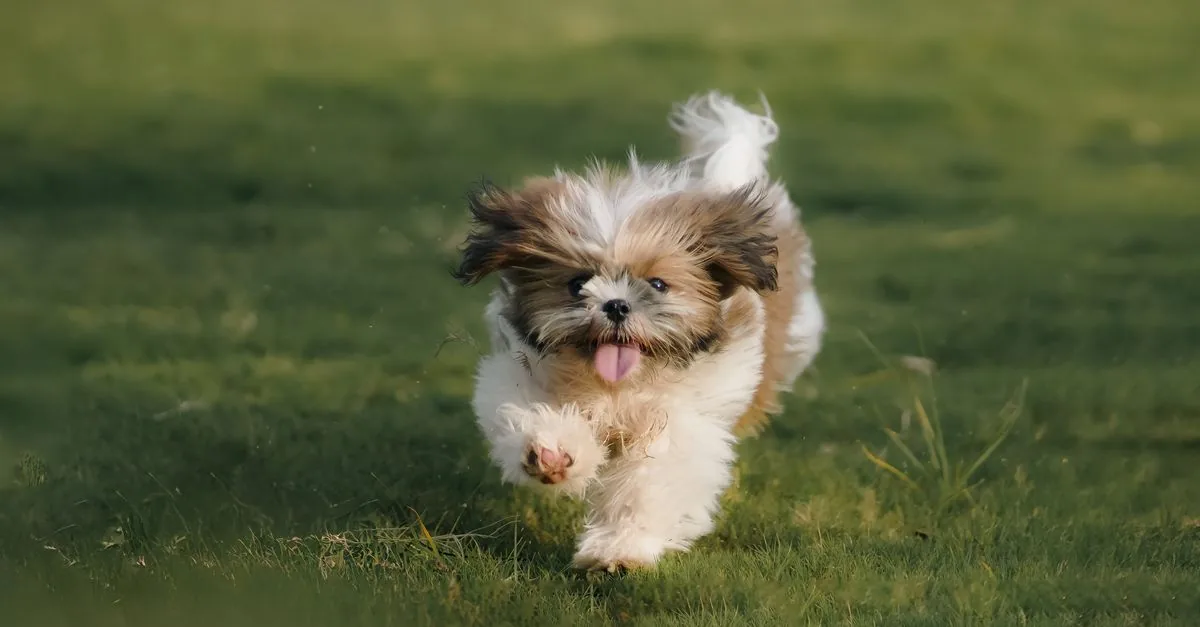
The Shih Tzu is a small companion breed with a cheerful, friendly temperament. It's affectionate, calmer than most terriers and does well in a flat, but it doesn't cope with long spells alone. Its exercise needs are modest (two shorter walks a day are plenty), while its long coat demands serious grooming. As a flat-faced breed it can be sensitive to heat and prone to breathing trouble, so regular vet check-ups matter more here than with many other dogs.
The Shih Tzu is one of those dogs that seem to carry a personality bigger than themselves. Small, dignified, with a flowing coat and a self-assured expression, it spent centuries at people's side in palaces and today fits beautifully into the flat of an owner who likes their dog close. Before you fall for the looks, though, it's worth knowing how much work this breed takes and who it's really for.
Where the Shih Tzu comes from - and what that tells you
The Shih Tzu comes from Tibet and China, where for centuries it was a court dog - a companion, not a worker. It didn't herd, hunt or guard flocks. Its only job was to be close to people and keep them company. You can still see that heritage today: the Shih Tzu is affectionate, sociable and happiest when its people are nearby.
This history also explains why the breed struggles with being alone. A dog bred to be at a person's side won't suddenly turn into an independent loner. If you're after a dog that will calmly sit out eight hours by itself, the Shih Tzu isn't the best choice.
Key Shih Tzu character traits
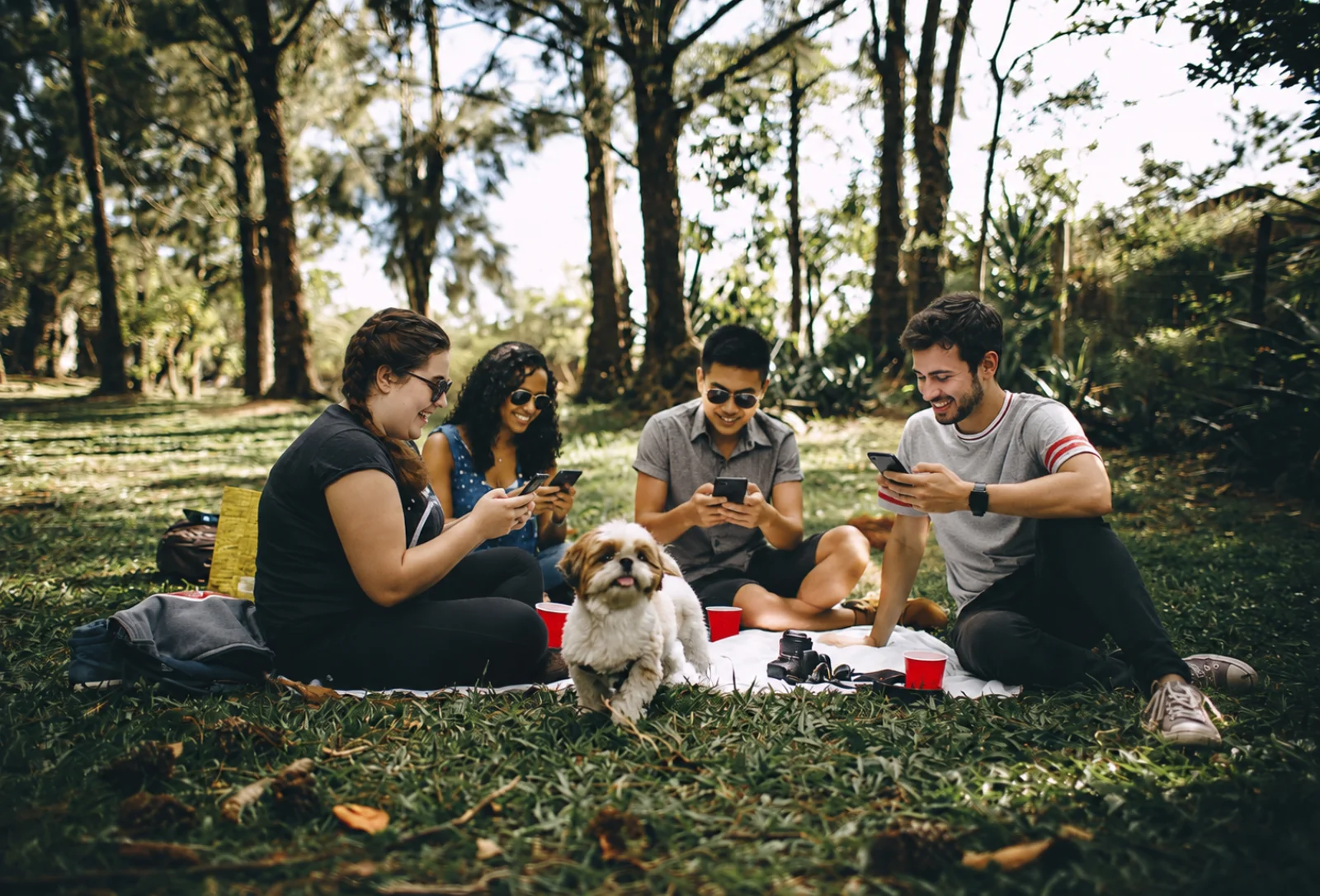
Friendliness is the breed's calling card. A Shih Tzu usually likes people, strangers included, and is rarely aggressive. This is a dog that's more diplomat than warrior.
A calmer temperament sets it apart from many small breeds. The Shih Tzu isn't as wound-up as a typical terrier - it enjoys a game but is just as happy lying beside you on the sofa. That makes it a good breed for people who want a socially engaged dog without a volcano of energy.
A touch of stubbornness does show up. Shih Tzus can be independent and opinionated, so training takes patience and consistency. It isn't a difficult breed, but it's not as eager to please as a retriever either.
Sensitivity to the household mood runs high. A Shih Tzu picks up on tension and thrives best in a calm, predictable environment.
| Trait | Description |
|---|---|
| Friendliness towards people | Very high - warms to strangers too |
| Friendliness towards other dogs | High - rarely looks for conflict |
| Energy level | Moderate - two shorter walks suffice |
| Trainability | Medium - can be stubborn, needs consistency |
| Tolerance of being alone | Low - copes poorly with long separations |
| Tendency to bark | Moderate - reacts to sounds at the door |
| Grooming demands | Very high - the long coat needs daily work |
How much exercise does a Shih Tzu need?
Here's good news for anyone with a quieter lifestyle: the Shih Tzu has modest exercise needs. Two walks a day of 20-30 minutes, plus a bit of play indoors, fully satisfy its appetite for activity.
Two things are worth remembering, though. First, as a flat-faced breed the Shih Tzu tires and overheats quickly. On hot days move walks to early morning and evening, and stay in the cool flat in the middle of the day. Second, physical exercise isn't everything - a Shih Tzu also needs mental stimulation: sniffing on walks, simple games and contact with its owner.
This is not a dog for running, cycling or long mountain trails. If you want an endurance companion, the breed will disappoint you - and the other way round, if you want a dog matched to a gentler pace, a Shih Tzu can be spot on.
Grooming - the hardest part
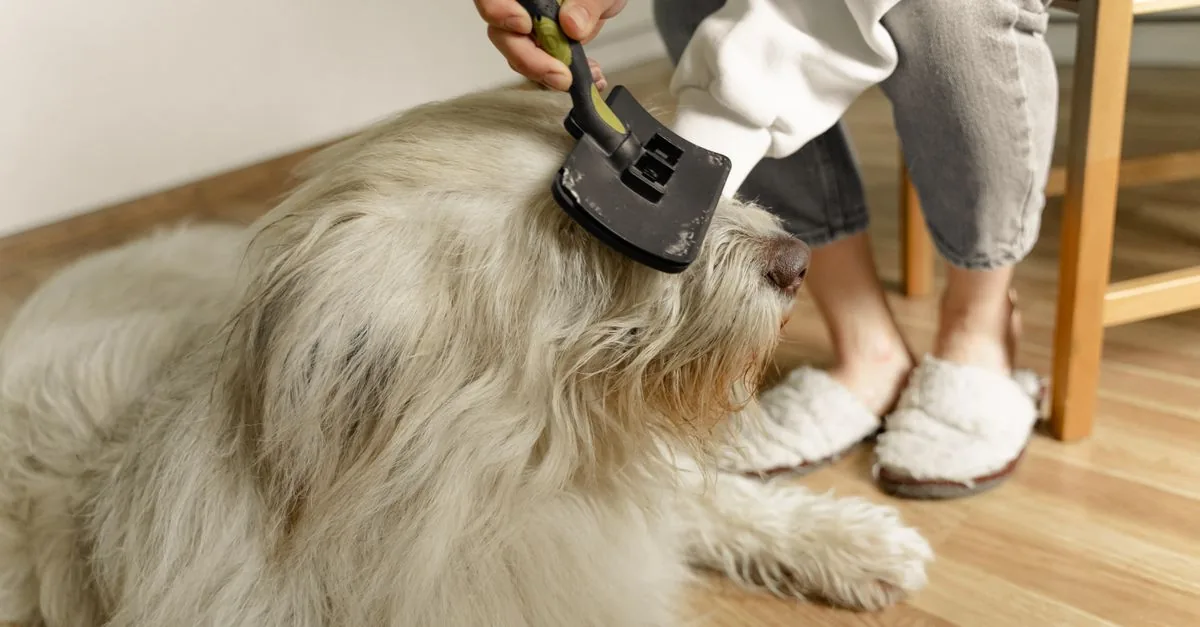
Let's not sugar-coat it: grooming is the most demanding part of living with a Shih Tzu. That long, dense coat looks stunning in photos but takes daily work.
- Brushing - the full coat needs brushing every single day, or mats form within days, pulling on the skin and causing pain.
- Clipping - many owners choose a shorter cut at the groomer every 6-8 weeks. It's a practical compromise that makes daily life much easier.
- Around the eyes - the Shih Tzu's large eyes stain easily, so wipe the area regularly to avoid irritation.
- Ears - the drooping, hairy ears trap moisture and invite infections, so they need regular cleaning and checks.
For more practical tips, see our guide to dog coat grooming.
Health and life expectancy
The Shih Tzu lives on average 12-15 years, which is good going for a dog. Like every breed, though, it has its weak spots, mostly tied to the shape of its head and its long back.
The most common health issues are eye conditions (prone to injury and dryness), intervertebral disc problems, kneecap luxation and - typical of flat-faced breeds - breathing difficulty and sensitivity to high temperatures. Weight control matters, because extra kilos put more strain on the joints and the respiratory system.
Regular vet check-ups help catch these problems early. Symptoms such as laboured breathing, panting at rest, sudden back pain or a rapid drop in vision are signals not to sit on - in those cases go to the vet straight away, don't wait until morning.
Is a Shih Tzu for everyone?
No - and it's worth saying plainly before you decide.
A Shih Tzu suits you if:
- You want an affectionate dog that likes to be close and spends most of the day with you.
- You have time for daily grooming or a budget for regular groomer visits.
- You lead a calmer lifestyle and don't need a sports dog.
- You live in a flat and want a small companion.
A Shih Tzu may be the wrong choice if:
- You're away for many hours and the dog would be left alone.
- You have neither the time nor the inclination for demanding long-coat grooming.
- You want a dog for running, long hikes or endurance sports.
- You live in a very hot climate with no way to keep the dog cool - the breed handles heat poorly.
Living with a Shih Tzu day to day
The Shih Tzu gives plenty of warmth and companionship, and in return asks mainly for your time and attention. Well socialised from puppyhood, it's balanced, calm around strange people and dogs, and carries itself with a certain dignity. Teach it early that being alone isn't the end of the world, because separation anxiety is one of the more common problems in this breed.
If you want your Shih Tzu to meet other dogs at a safe pace and get the chance for calm encounters, check the DOGOUT app to see where other owners walk nearby and which spots are friendly to small dogs. The rest is everyday work: a brush in hand, a short walk, a warm lap in the evening - and a loyal companion who repays you with devotion for years.
Frequently asked questions
- Is a Shih Tzu good for a flat or apartment?
- Yes, it's one of the best-suited breeds for flat living. It's small, moderately active and doesn't need a garden. The one condition is company - a Shih Tzu needs its owner around and daily walks, because a flat is no substitute for exercise and contact.
- Do Shih Tzus bark a lot?
- Shih Tzus bark in moderation - less than many small breeds, though they'll react to sounds at the door and announce a visitor. Excessive barking is usually down to boredom or separation anxiety rather than the breed itself. Early calm training and enough activity solve most of it.
- How much exercise does a Shih Tzu need?
- Two walks a day of 20-30 minutes plus some play indoors is plenty. This isn't a breed for runners or long mountain hikes. In hot weather, move walks to the cooler hours - the short muzzle means a Shih Tzu overheats quickly.
- How often should you groom a Shih Tzu?
- A full long coat needs brushing every day, otherwise mats form within days. Many owners choose a shorter clip every 6-8 weeks at the groomer, which makes daily care far easier. On top of that comes regular cleaning around the eyes and ears.
- Is a Shih Tzu good with children?
- Yes, Shih Tzus are usually gentle and patient, but they're small and delicately built, so contact with young children should be supervised. Teach the child that the dog isn't a toy, and give the Shih Tzu a spot where nobody disturbs it.
- What health problems are Shih Tzus prone to?
- Most often eye problems, intervertebral disc disease, kneecap (patella) issues and - as a flat-faced breed - breathing difficulty and heat sensitivity. Regular vet check-ups help catch these early. Symptoms like laboured breathing or sudden pain always warrant a prompt vet visit.