Schnauzer Temperament - Personality Across All Three Sizes
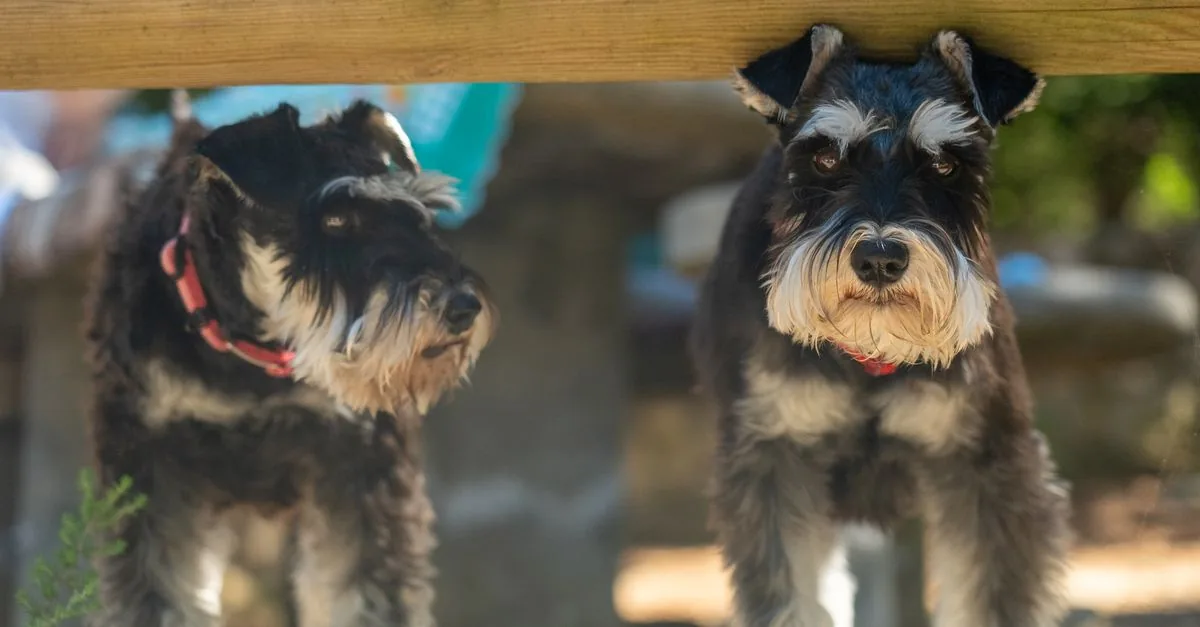
Schnauzer temperament is a mix of alertness, intelligence and strong family bonding, whatever the size. Miniature Schnauzers are lively and vocal, Standard Schnauzers are solid, versatile family dogs, and Giant Schnauzers are serious, territorial guardians that need an experienced handler. All three are sharp, stubborn without consistent training, and prone to barking - this isn't a quiet, passive couch companion.
Schnauzer temperament comes down to a mix of alertness, intelligence, and strong attachment to family - whether you're talking about the Miniature, Standard, or Giant variety. It's an energetic, sharp dog ready to defend its territory, and at the same time a devoted companion that doesn't handle being ignored well. Before bringing home a Schnauzer, it's worth understanding the differences between the three sizes and what daily life with this breed actually looks like.
Miniature, Standard, or Giant - how does temperament differ by size?
The Miniature also shows up in our roundup of small dog breeds.
Schnauzers are technically one breed in three sizes, but the personality differences go beyond looks. The shared core - alertness, intelligence, stubbornness - shows up differently depending on the dog's size.
| Variety | Temperament | Best fit for |
|---|---|---|
| Miniature Schnauzer | Lively, vocal, curious, deeply bonded to its owner | Apartments, families wanting a small but alert dog |
| Standard Schnauzer | Solid, versatile, energetic, loyal | Active families, homes with a yard, confident first-timers |
| Giant Schnauzer | Serious, territorial, strong protective instinct | Experienced owners, homes with space and time for training |
The Miniature Schnauzer was bred mainly as a companion and small-scale ratter - hence its liveliness and tendency to react loudly to anything new. This smallest variety is often compared with other small dog breeds when it comes to apartment living, and the Miniature Schnauzer holds up well there, as long as it gets enough exercise and mental stimulation. The Standard Schnauzer was a general-purpose farm dog, which explains its stamina and versatility. The Giant Schnauzer was developed to guard cattle and property, so its guarding instinct is the strongest of the three.
What is a Schnauzer's personality like day to day?
Regardless of size, a Schnauzer is a confident, observant dog that's rarely passive. It likes knowing what's going on around it and enjoys tagging along on everyday errands - this isn't a breed that will happily nap in a corner all day. Schnauzers are also stubborn: they have opinions of their own and like testing limits, especially if training is inconsistent or boring.
Energy levels range from moderate to high depending on the variety - Miniatures need less space but not less mental stimulation. Boredom in a Schnauzer quickly turns into excessive barking, digging, or chewing, so daily exercise and mentally engaging tasks aren't optional extras - they're a requirement.
Is a Schnauzer easy to train?
Schnauzer characteristics include enough sharpness that training moves fast - as long as you stay consistent. This is a dog that picks up commands quickly, but just as quickly notices when the owner lets the rules slide. It responds best to calm, clear leadership and positive reinforcement, not harshness or shouting.
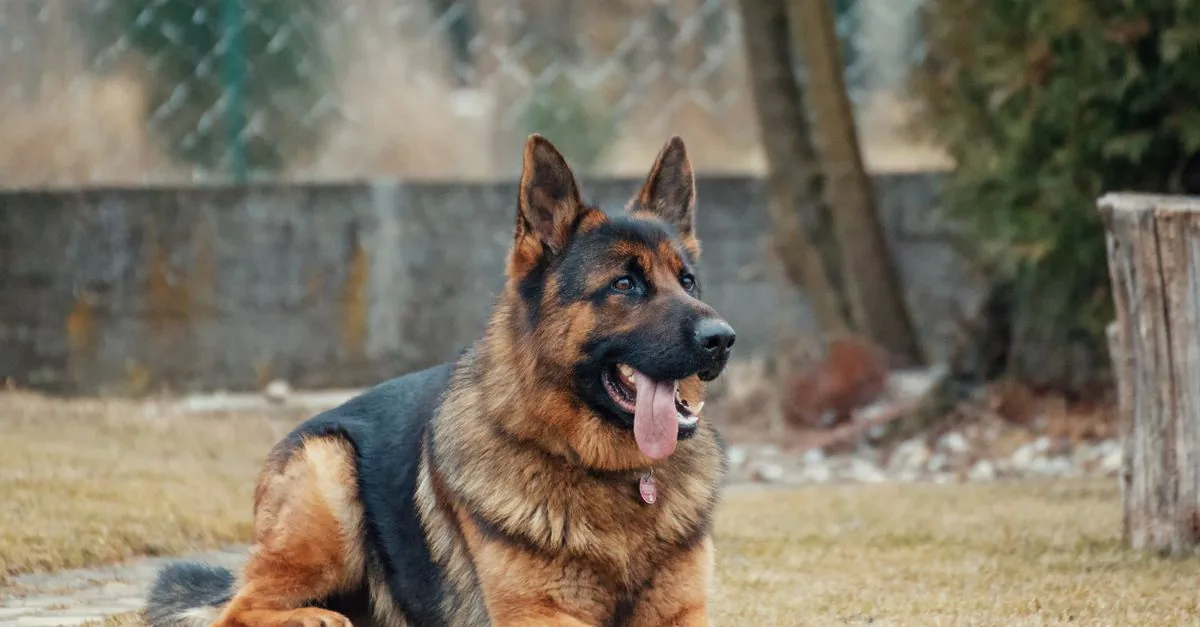
Early socialization matters for all three sizes - the more people, dogs, sounds, and places a Schnauzer puppy experiences by around 16 weeks of age, the less likely it is to grow into an overly suspicious adult around strangers. If you're curious how this breed compares to another guarding-instinct dog, the German Shepherd temperament guide is a useful reference point - both breeds share loyalty and a need for consistent leadership.
Is a Schnauzer a good family dog?
For comparison, see our list of the best family dog breeds.
A Schnauzer family dog works well, especially the Miniature and Standard varieties, provided socialization starts early. It tends to be protective of household members, including kids, and can be a patient playmate. The Giant Schnauzer, given its size and strength, calls for closer supervision around young children - not because of aggression, but simply due to scale.
Keep in mind that Schnauzers don't handle long stretches alone particularly well - their strong attachment to family means too much time without company can lead to separation anxiety or excessive barking. If you're still weighing which breed actually fits your lifestyle, the how to choose a dog breed guide helps you assess honestly whether you have the time for a dog with this temperament. Families looking specifically at kid-friendly breeds will find useful context in best family dog breeds.
Guarding instinct - the Schnauzer as a watchful dog
All three Schnauzer sizes carry a clear guarding instinct, inherited from generations of farm and guard-dog work. A Schnauzer will bark at unfamiliar sounds, strangers at the door, or other dogs passing by the window - this is natural behaviour, not a character flaw. Problems arise when that alertness tips into excessive suspicion, and that's usually the result of missed socialization, not a breed trait.
The Giant Schnauzer represents this instinct in its strongest form and can be territorial toward unfamiliar dogs and people on its home turf. The Standard Schnauzer is more balanced - watchful, but generally easier to handle than the Giant. The Miniature Schnauzer barks the most, though rarely with real aggression behind it - more of an "alarm system" than a full guard dog.
Schnauzer grooming basics
The Schnauzer's signature wiry coat (beard, eyebrows, furnishings) needs regular hand-stripping or clipping every 6-8 weeks. Schnauzers don't shed in the typical sense, which can be a plus for allergy sufferers, but without regular grooming the coat on the face and legs mats quickly. Daily brushing and regular ear checks are essential, especially for the drop-eared variants where moisture builds up more easily.
Daily life with a Schnauzer
Still deciding? Start with how to choose a dog breed.
A Schnauzer, whatever its size, needs real exercise - 45 minutes to an hour a day, split across a few walks, plus tasks that engage the mind, like obedience training or scent games. This is a dog that does best with a clear daily structure and regular contact with other dogs and people.
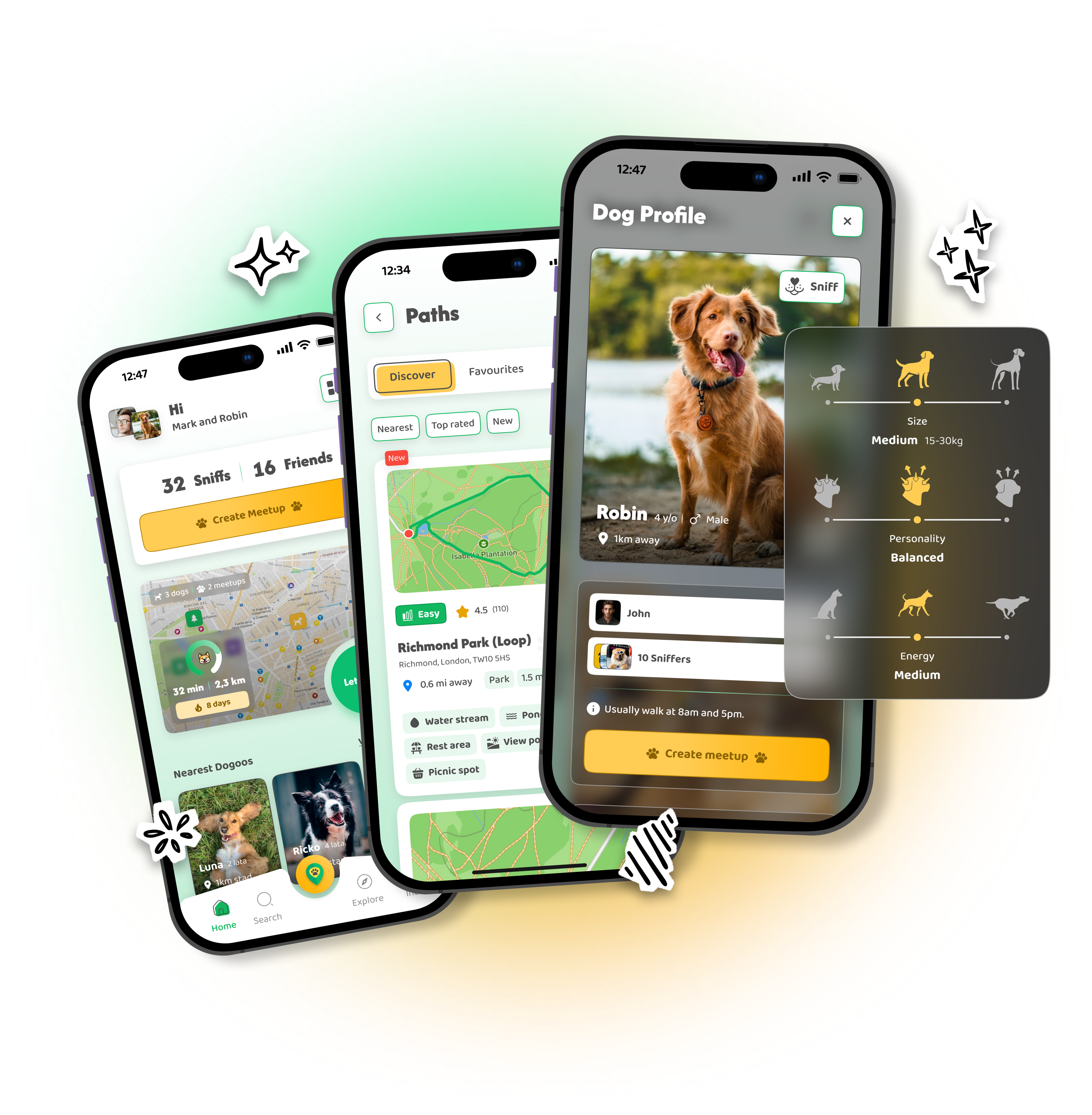
That's where the DOGOUT map comes in handy - check dog-friendly spots nearby, see who's out walking close to you, and set up a meetup instead of another solo loop around the block. For a dog with a strong guarding instinct, regular, controlled socialization with other dogs isn't an add-on to training - it's a constant part of it.
A Schnauzer is a dog for someone looking for an alert, intelligent partner ready to defend its family, but also to enjoy being part of one - not a quiet piece of furniture in the corner. With consistent leadership and the right amount of exercise, it can be one of the most loyal companions you'll ever have.
Frequently asked questions
- What is the temperament of a Miniature Schnauzer?
- Miniature Schnauzers are lively, curious, and deeply attached to their owner, but also quite vocal - they tend to bark at every new sound if you let the habit form. They're intelligent and eager to learn, though they can be stubborn without consistent training. They do well in apartments, provided they get daily exercise and mental stimulation.
- Is a Standard Schnauzer good for a family?
- Yes, the Standard Schnauzer is one of the most versatile sizes of the breed - solid, energetic, and loyal to household members, including kids, when properly socialized from puppyhood. It still needs regular exercise and consistent handling, or it can become overly wary of guests and other dogs.
- Is a Giant Schnauzer aggressive?
- Not by nature, but it carries a strong protective and territorial instinct, shaped by generations of work as a farm and guard dog. A poorly socialized Giant Schnauzer can become overly suspicious of strangers. This is a breed for an experienced owner with time for training and a clear understanding of how to handle a large, powerful dog.
- Do Schnauzers bark a lot?
- All three sizes have a tendency to bark - a legacy of their work as guard dogs and ratters. Miniature Schnauzers are usually the most vocal of the three. Consistent training of a „quiet” cue and reducing boredom help a lot, but they won't eliminate the habit entirely.
- How much exercise does a Schnauzer need?
- Somewhere between 45 minutes and an hour a day, depending on size, split across two or three walks, plus activities that engage the mind - obedience training, scent games, or fetch. Giant Schnauzers need more exercise than Miniatures, but no size is a couch-only dog.
- Is Schnauzer grooming difficult?
- Schnauzers have a wiry, coarse coat that doesn't shed in the typical way, but it needs regular hand-stripping or clipping every 6-8 weeks and daily brushing to prevent matting, especially around the beard and legs. This is a breed for someone ready for regular groomer visits or willing to learn to do it themselves.