Poodle Temperament - Character and What to Expect
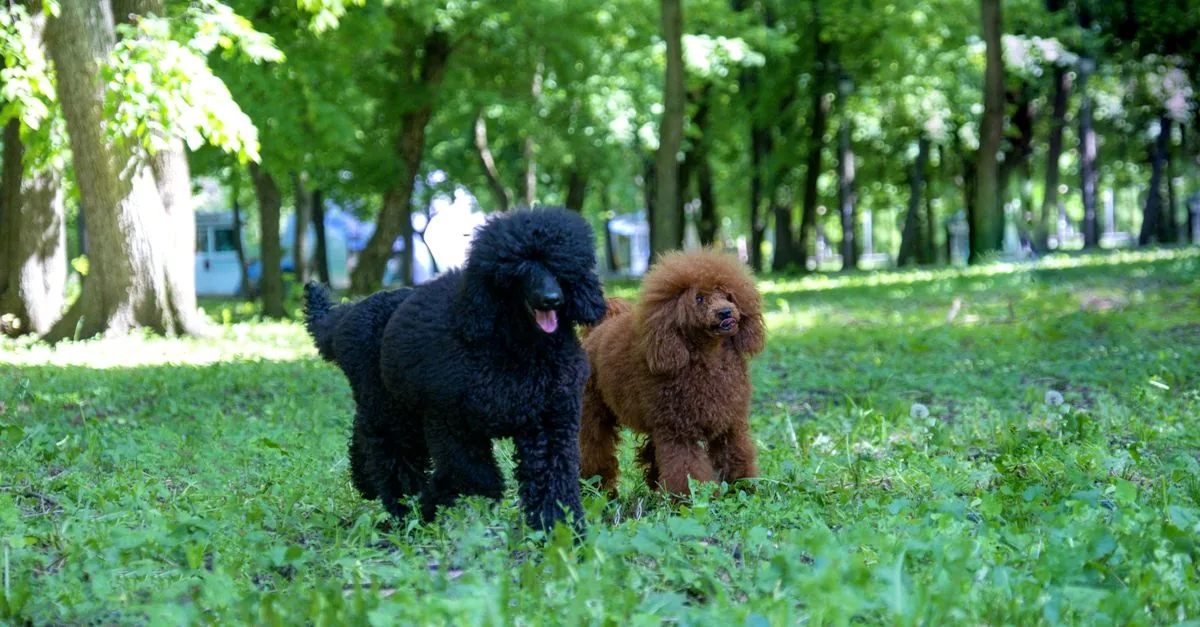
The poodle is one of the most intelligent dog breeds in the world - it learns fast, loves to work with its owner and bonds closely. It comes in several sizes (toy, miniature, medium, standard), but they all share the same lively, sensitive and sociable temperament. A poodle's coat sheds very little, which many allergy sufferers tolerate better, but it needs regular clipping and brushing. It's a dog for active, present owners - bored and left alone, a poodle will bark and chew.
The poodle has a reputation as a pampered show dog fresh from the groomer, and that's one of the most misleading first impressions in the dog world. Under the decorative coat sits a hard-working, sharp and athletic dog that spent centuries retrieving waterfowl. Before you choose a poodle, it's worth knowing its real character - because this is a breed that gives a great deal, and asks for a great deal in return.
Where the poodle comes from and how it shapes character
Despite the association with French luxury, the poodle most likely originated in Germany, where it worked as a water retriever. The name itself refers to splashing in water. The famous clip, now purely decorative, once served a practical purpose: it protected the joints and chest from cold while keeping the rest of the body light in the water.
That heritage explains the breed's core traits: a desire to work with people, above-average intelligence and a love of water. The poodle is built to think and act alongside its owner, not to guard a yard alone. That's why it thrives where it has tasks and company.
Four sizes, one temperament
The poodle comes in several size varieties, but they share a common core: intelligence, sensitivity and attachment to the owner.
| Variety | Height at shoulder | Best for |
|---|---|---|
| Toy | up to 28 cm | Apartments, quieter routines, older owners - handle with care due to fragility |
| Miniature | 28-35 cm | Versatile companion, great for tricks and dog sports |
| Medium | 35-45 cm | Active families wanting a balanced dog |
| Standard | 45-60 cm | Active people, dog sports, more space and exercise |
Remember that a smaller size doesn't mean smaller mental needs. A toy poodle is every bit as clever as a standard and just as quick to get bored. What mainly differs is the need for physical exercise and the stamina for longer outings.
Key poodle personality traits
Intelligence is the breed's calling card. Poodles regularly rank among the brightest dogs and pick up new commands remarkably fast. That's a huge advantage in training, but also a challenge: a dog that learns quickly also quickly spots an owner's inconsistency.
Sensitivity and attachment - the poodle bonds strongly with its family and reads the mood of the household. It handles harsh methods and raised voices badly, but responds beautifully to calm, positive guidance. It also dislikes long stretches alone and can be prone to separation anxiety.
Alertness - a poodle will often bark to flag that something is happening. It isn't aggressive, but it can be a chatty watchdog, especially in the smaller varieties.
Energy and playfulness - this is a dog that wants to do things. Retrieving, swimming, obstacle courses, learning tricks - the poodle is in its element here. Bored, it channels that energy into chewing and barking.
How much exercise and mental work does a poodle need?
The poodle is an active dog, though the scale of its needs depends on the variety.
- Standard poodle: at least 1 to 1.5 hours of exercise a day plus regular mental work. It excels at dog sports such as agility and obedience.
- Medium and miniature poodle: around 45 to 60 minutes of activity a day, ideally with a thinking element.
- Toy poodle: less physical effort, but the same need for mental stimulation - short training and scent sessions work wonders.
The key rule: for a poodle, brainwork counts as much as legwork. Fifteen minutes learning a new trick can tire it more than an hour's walk. If you want ideas on grooming and enriching daily life, see our guide to dog coat grooming.
Grooming - the real cost of this breed
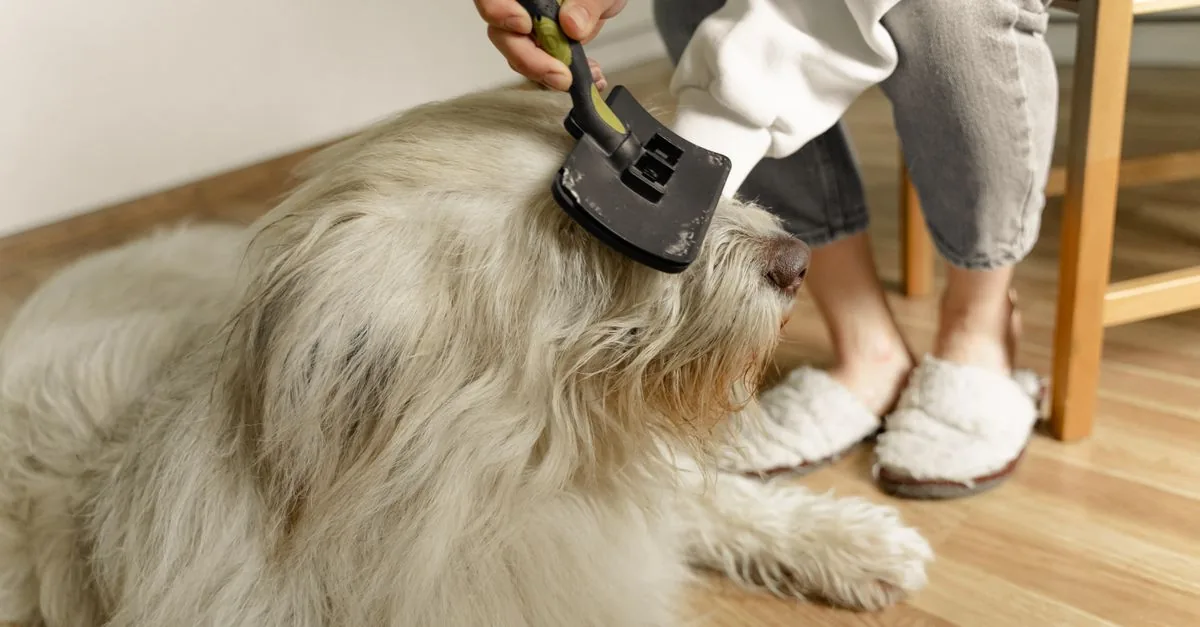
The poodle's coat is its great asset and its biggest challenge at once. It barely sheds, which means less hair around the house, but the same mechanism means the coat mats quickly without brushing.
- Brushing: several times a week to prevent matting.
- Clipping: every 6 to 8 weeks at a groomer, a fixed ongoing expense.
- Ears and eyes: poodles are prone to ear infections (hair grows in the canal) and need regular checks.
This is a breed many allergy sufferers tolerate better precisely because of its coat type, but no dog is fully hypoallergenic. There's more on this in our guide to hypoallergenic dogs.
Is a poodle right for everyone?
No - and it's worth saying plainly.
A poodle suits you if:
- You want a thinking dog you enjoy training and keeping mentally busy.
- You're home a lot or can arrange company for the dog during the day.
- You accept the cost and time of regular coat care.
- You're after an active companion for walks, sports or swimming.
A poodle may be a poor choice if:
- You want an independent dog that snoozes alone all day.
- You have neither the time nor the budget for a groomer every few weeks.
- You prefer firm, harsh training methods - the poodle won't tolerate them.
- You want a guard dog in the classic sense.
Health and lifespan
Poodles are long-lived dogs - the smaller varieties often reach 13 to 16 years, standards a little less. Like any breed they have specific predispositions: eye conditions (including progressive retinal atrophy), joint problems (particularly luxating patella in small varieties and hip dysplasia in standards), Addison's disease and the ear infections mentioned above. Regular check-ups and keeping a healthy weight are the foundation.
If you're still choosing a breed, it's worth matching a poodle's needs against your own lifestyle - our guide on how to choose a dog breed will help. And remember that DOGOUT welcomes mixed-breeds and pedigrees with equal warmth - no breed is "better", what matters is the fit with the owner.
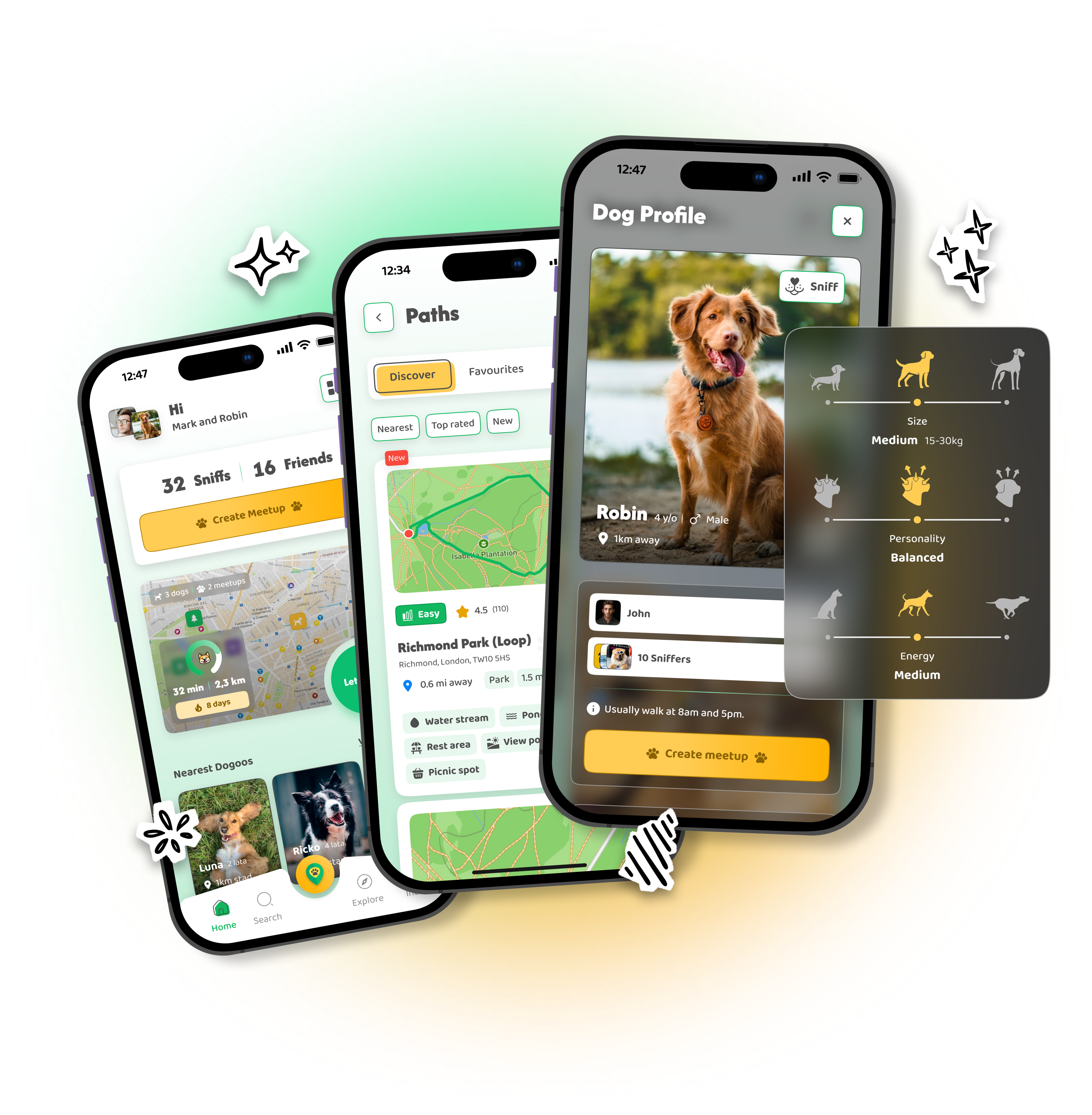
The poodle gives back exactly what it's given: engagement, attention and shared activity. If you want a companion to think and move with rather than an ornament on the sofa, this breed can be a bullseye. Head outside, give it a job to do - and use the DOGOUT app to find other dogs and their owners nearby for a shared walk.
Frequently asked questions
- Are poodles good with children?
- Yes, poodles can be patient, affectionate companions for children, especially standard and medium poodles. The smaller varieties (toy, miniature) are physically delicate, so contact with very young children should be supervised to avoid accidental injury. As with any breed, adult supervision and teaching children to handle the dog calmly matter.
- Are poodles hypoallergenic?
- Poodles shed very little and are among the breeds many allergy sufferers tolerate better, but no dog is truly 100% hypoallergenic - allergens are also in saliva and dander. Before committing, spend time with the specific dog and see how you react. Regular clipping and bathing further reduce the amount of allergen around the home.
- How much exercise does a poodle need?
- An adult standard poodle needs around 1 to 1.5 hours of activity a day, the smaller varieties a little less, but all of them also need mental work. This is a thinking dog, so walks alone aren't enough - add scent work, fetch and trick training. An under-occupied poodle will find its own entertainment.
- Do poodles bark a lot?
- Poodles can be alert and prone to barking, especially the toy and miniature varieties. It's often a response to boredom, loneliness or triggers outside the window, and it can be reduced with exercise, mental stimulation and calm training. Punishing the barking rarely works - removing the cause does.
- How often does a poodle need grooming?
- A poodle needs clipping roughly every 6 to 8 weeks and brushing several times a week, because its coat doesn't shed out - it mats instead. Without regular grooming, painful mats form quickly and often have to be shaved off. This is a real, ongoing cost of owning the breed.
- Which poodle size is the calmest?
- There's no simple rule - temperament depends more on the breeding line and upbringing than on size alone. Broadly, the standard poodle tends to be the steadiest and most robust, while the toy and miniature can be more excitable and alert. The key is meeting the puppy's parents and starting socialisation early.