Beagle Temperament - What to Expect Before You Adopt
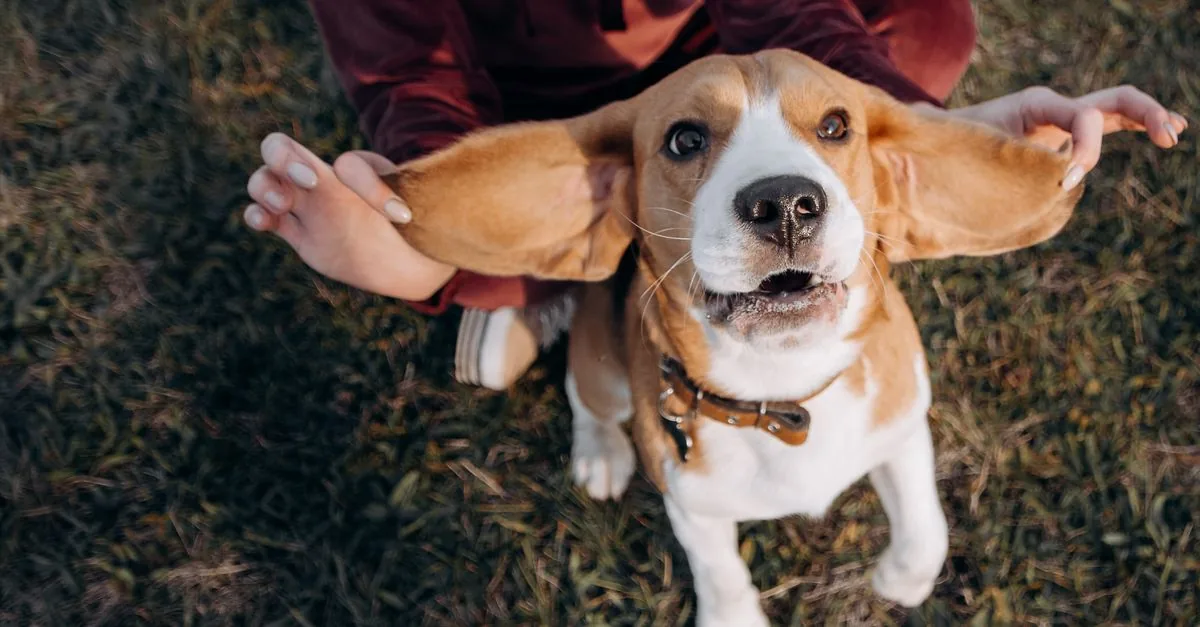
Beagles are friendly, curious, and sociable scent hounds with a strong hunting instinct. They are excellent family dogs but need at least an hour of active exercise daily, struggle with being left alone for long periods, and can be stubborn during training. A beagle suits active owners who enjoy long nose-led walks - not those looking for an easy, low-maintenance companion.
The beagle arrives with a nose pointed at the ground, ears nearly dragging, and an expression that says the entire world is one giant mystery worth investigating. It is one of the most recognisable and beloved dog breeds on the planet - and one of the most misunderstood. Here is what the temperament of a beagle is actually like, day in and day out.
Where does the beagle come from - and why does it matter?
The beagle is an old English scent hound, well established in Britain by the 15th century. The modern breed took shape around the 1830s from crosses of several pack hounds, including the Talbot Hound and the North Country Beagle. Its job was to hunt hares and rabbits - always in packs, never alone. That history explains almost everything about the beagle's character: the obsessive nose, the vocal nature, and the deep need for company.
A beagle has approximately 220 million olfactory receptors - humans have around 5 million. That nose is a superpower and a source of endless mischief at the same time. A beagle on a scent can become effectively deaf to commands.
Beagle personality - the everyday reality
Beagles are even-tempered and good-natured. They are neither aggressive nor timid - open, curious, and usually irresistibly enthusiastic about life.
Strengths
- Sociable and friendly. Beagles love people and other dogs. The breed rarely shows shyness or standoffishness.
- Gentle with children. Consistently rated among the best breeds for families with children - patient, playful, and resilient.
- Energetic and fun. Beagles love scent games, fetch, and exploring new territory. They rarely run out of enthusiasm.
- Low aggression. Beagles are not typically aggressive toward people or dogs. The hunting instinct can, however, make life complicated for smaller pets like cats or rabbits.
Challenges
| Trait | What it means in practice |
|---|---|
| Strong scent drive | Dog 'goes deaf' on a trail - off-lead walking requires a secure area |
| Vocalisation | Barking, howling, baying - especially when alone or on a scent |
| Stubbornness | Positive training with top-value rewards is essential, not optional |
| Separation anxiety | Struggles alone for long hours - can howl, chew, and attempt escape |
| Tendency to gain weight | Beagles are food-motivated and prone to obesity without enough exercise |
How much exercise does a beagle need?
The beagle is not a sofa dog. Most beagles need at least 60 minutes of active exercise daily, with 60-90 minutes being the comfortable range for a healthy adult. Two walks of 30-45 minutes each is a solid baseline.
Crucially, the walks need to be mentally engaging - not just a quick circuit around the block. Letting a beagle sniff and follow trails satisfies a deep instinctual need. A "sniff walk" with no rushing is far more restorative than a fast march that never lets the nose do its job. For more on structuring walks, see our guide on how to make dog walks better.
For puppies, keep outings shorter and more frequent - the widely used guideline is 5 minutes per month of age, twice a day, until the growth plates close. Our puppy walking guide covers this in detail.
Beagles and time alone - the biggest challenge
The beagle's pack origins mean it has a genuine, physiological need for company. Left alone for many hours, a beagle is likely to howl, chew furniture, or try to find a way out. This is not defiance - it is stress.
If you are away from home for long stretches regularly, think carefully about:
- Gradual alone-time training (desensitisation starting from very short absences and building slowly).
- A dog sitter or dog walker for the middle of the day.
- A second dog - not a guaranteed fix, but a companion can reduce separation distress.
For severe separation anxiety, working with a certified animal behaviourist is the most effective path. Distraction tools alone - chews, puzzle feeders - rarely solve the underlying anxiety.
Training a beagle - intelligence meets independence
Beagles understand quickly what you want. The gap between understanding and compliance is the challenge. When a beagle decides the smell across the road is more interesting than your 'sit' command, no amount of repetition alone will close that gap.
What actually works:
- High-value food rewards. Beagles are highly food-motivated - this is your biggest training lever.
- Short, frequent sessions. Five to ten minutes several times a day beats a single 45-minute session.
- Consistency from day one. A beagle will remember and exploit any exception you make.
- Nose work. Hiding treats, tracking games, and scent-detection exercises are the beagle's natural language - use them.
Recall in particular deserves dedicated work. A beagle that picks up a scent mid-walk can disappear with alarming speed. Long lines and secure off-lead areas are not optional. For a solid foundation, our article on teaching dog recall is a good starting point.
Is a beagle right for apartment living?
A beagle can live in a flat - provided it gets enough exercise and is not left alone for hours at a stretch. The vocalisation is the bigger concern in multi-unit buildings: a howling beagle is rarely welcome in a building with thin walls and noise-sensitive neighbours. Check our broader guide on the best dogs for apartments to compare breeds.
Who is the beagle right for?
The beagle is a brilliant match for:
- Active people or families who walk daily and enjoy varied routes.
- Households where someone is home most of the day.
- Owners who find a dog with a big personality - opinionated, vocal, joyful - more charming than frustrating.
It is a poor match for:
- Long working days with no dog-care cover.
- Homes with very strict noise policies.
- Owners expecting a naturally obedient, recall-reliable dog with no consistent training effort.
If you fall into the right category, a beagle will reward you with years of loyal, enthusiastic, genuinely entertaining companionship.
Thinking about where to take your beagle nose-first? Open the DOGOUT map to find dog-friendly parks, off-lead areas, and trails flagged by other owners near you. Find a walking buddy for your pack-minded hound and get outside together.
Frequently asked questions
- Is a beagle a good family dog?
- Yes. Beagles are gentle, playful, and sociable - they were bred to work in packs, so group living feels natural to them. They are among the most consistently recommended breeds for families with children, as they are patient and rarely aggressive.
- How much exercise does a beagle need each day?
- Beagles need at least 60 minutes of active exercise daily - ideally two walks of 30 to 45 minutes each, plus scent games or play sessions. Puppies should have shorter, more frequent outings, following the general guideline of 5 minutes per month of age, twice a day.
- Do beagles bark and howl a lot?
- Yes - beagles are a vocal breed. They bark, howl, and produce a distinctive bay (a melodic hunting call) especially when left alone or when following a scent. This is a core breed trait, not a training failure. It is worth considering if you live in a flat with noise restrictions.
- Are beagles hard to train?
- Beagles are intelligent but independent. They understand what is being asked quickly, but may choose not to comply - especially if an interesting smell appears. Positive reinforcement with high-value food rewards works best. Short, frequent training sessions outperform long ones.
- Can a beagle be left alone during the day?
- Beagles are pack dogs at heart and struggle with long periods alone. Separation anxiety is common in the breed - symptoms include howling, destructive behaviour, and escape attempts. Gradual desensitisation helps, but for severe cases a certified behaviourist is recommended.
- How big does a beagle get?
- According to the FCI standard, beagles stand 33-40 cm at the withers. They are compact and muscular, typically weighing 8-14 kg as adults. Beagles are prone to weight gain if under-exercised or over-fed, so keeping portions controlled matters.