

Sheltie Temperament - Character of the Shetland Sheepdog
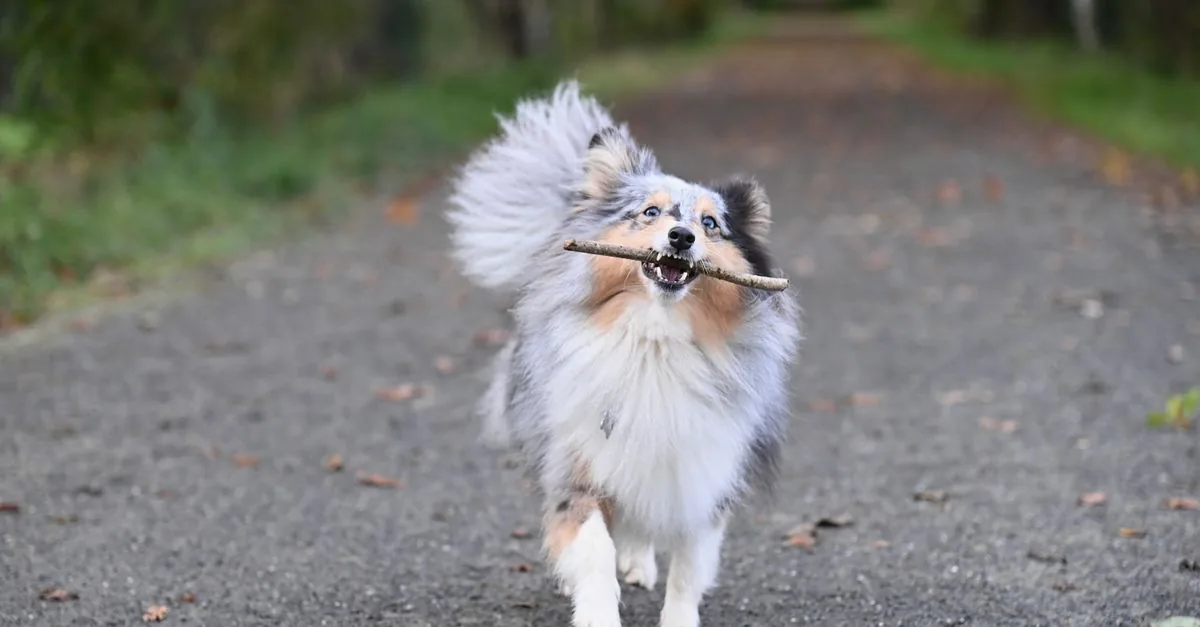
The sheltie, or Shetland sheepdog, is a small herding dog with high intelligence, sensitivity, and a strong wish to cooperate. It learns lightning-fast and shines in dog sports, but tends to be alert and prone to barking. It's a sensitive dog, deeply bonded to its family, that copes badly with harsh handling and long spells alone. It needs daily exercise, work for its brain, and regular grooming of its abundant coat.
A beautiful coat, a clever gaze, and the look of a pedigree sheepdog in miniature - the sheltie resembles a smaller version of the collie and does indeed share its herding roots. Behind the good looks, though, is a dog with a definite character: sharp, sensitive, alert, and keen to work. Here's an honest look at what the Shetland sheepdog is really like and who it suits.
Where the sheltie comes from and what it tells you
The Shetland sheepdog originates from the harsh Shetland Islands off the coast of Scotland. In tough conditions, a small, hardy dog was bred there to guard the croft and help with sheep and ponies. A small size was practical on the modest, windswept islands, while watchfulness and voice were useful for deterring intruders and signalling movement.
Despite its resemblance to the collie, the sheltie is a separate breed, shaped locally. That heritage explains its character: an intelligent dog geared towards cooperating with people, alert and inclined to respond with its voice. The sheltie is built to think and work alongside its owner, not to lie around on its own.
Key sheltie temperament traits
Intelligence is the breed's calling card. The sheltie learns quickly and easily, which makes it a star of dog sports such as agility and obedience. That same sharpness means the dog needs challenges - without them it finds its own occupation.
Sensitivity matters just as much. The sheltie reads its owner's mood keenly and copes badly with harsh handling, shouting, or force. It's a dog that thrives on gentle, positive methods and easily withdraws and stresses under a rough approach.
Alertness and a tendency to bark are the other side of the herding heritage. The sheltie responds vocally to movement, sounds, and strangers. Without work on its reaction threshold it can bark a good deal, which can be a challenge, especially in a flat.
Reserve with strangers is a typical breed trait. The sheltie is devoted to its family but can be wary and restrained with people it doesn't know. Good early socialisation helps keep that caution from tipping into fearfulness.
| Trait | Description |
|---|---|
| Intelligence | Very high - learns lightning-fast |
| Ease of training | Very high - keen to cooperate |
| Tendency to bark | High - a legacy of herding work |
| Sensitivity | High - copes badly with harsh methods |
| Energy level | Medium to high - a sporting breed |
| Friendliness with strangers | Medium - can be reserved and watchful |
| Coat care | Demanding - abundant double coat |
How much exercise does a sheltie need?
The sheltie is an active, thinking dog, so a physical dose of exercise alone isn't enough - it also needs work for its brain.
- Puppy: short, frequent walks and plenty of gentle socialisation, without straining the joints.
- Adult sheltie: around an hour of activity a day, ideally combined with training, scent games, or a dog sport.
- Older dog: exercise adjusted to fitness, but still with an element of mental stimulation.
The sheltie loves learning new things, so trick training, agility, obedience, or nosework is pure pleasure for it - and, for you, a way to tire the dog out in the head, not just the legs. A bored sheltie slips more easily into barking, restlessness, and inventing its own entertainment.
For more ideas on varying your outings, see our guide on how to make dog walks better.
Sheltie health - what's worth knowing
The sheltie is generally a healthy breed, but it has a few predispositions worth keeping in mind:
- Eye conditions - the breed can carry collie eye anomaly (CEA) and other vision defects; responsible breeders test the parents.
- Sensitivity to certain medications - some herding dogs, including shelties, can carry the MDR1 gene mutation that affects the metabolism of certain drugs. That's important information for your vet.
- Joint problems - as in many breeds, dysplasia can occur, so weight control and sensible exercise matter.
- Thyroid conditions - hypothyroidism is sometimes seen in the breed.
Regular vet checks and choosing a dog from a responsible breeder who tests the parents are the best prevention. Always leave diagnosis and treatment to a specialist - this article is no substitute for a clinic visit.
When to see a vet urgently: if your sheltie shows sudden vision problems, severe pain, persistent vomiting or diarrhoea, weakness, or a worrying change in behaviour, don't delay. Take particular care with medications if the dog hasn't been tested for the MDR1 mutation.
Is a sheltie for everyone?
No - and it's better to say so plainly.
A sheltie suits you if:
- You like an active, thinking dog and want to work with it.
- Training with gentle, positive methods appeals to you.
- You'll accept regular coat care and a fair amount of shedding.
- You're ready to work on barking and socialisation.
A sheltie may be a poor choice if:
- You want a quiet, independent dog that entertains itself.
- You have no time for exercise and daily mental stimulation.
- Grooming an abundant coat doesn't appeal to you.
- You'd train with harsh methods - that's the wrong path for this sensitive breed.
No breed is "better" than another - with us a mixed-breed is just as welcome as a sheltie. What matters is matching the dog to your lifestyle.
Socialisation and upbringing
A well-socialised sheltie is a confident, balanced dog; without it, its natural reserve easily tips into fearfulness and over-alertness. From the earliest weeks, expose it to different people, dogs, sounds, and situations, always gently and without pressure. Priorities should be recall, calm passing of triggers, and work on barking.
The sheltie learns willingly and fast, so training can be a genuine pleasure - provided it rests on rewards and patience. If you'd like to meet other owners of active dogs nearby or find calm spots for shared outings, take a look at the DOGOUT map and match a dog crew to your sheltie's pace.
A last word on life with a sheltie
The Shetland sheepdog gives a great deal: intelligence, devotion, and a willingness to cooperate that many larger breeds would envy. In return it expects exercise, work for its brain, gentle handling, and regular grooming. If you're ready to provide that, you'll get a sensitive, clever companion that will want to learn and act alongside you every single day.
Frequently asked questions
- Do shelties bark a lot?
- Yes, shelties are a breed prone to barking. It's a legacy of herding work and strong watchfulness - they respond vocally to movement, sounds, and strangers. You can manage it with consistent training and enough exercise and stimulation, but this isn't a naturally quiet breed.
- Is a sheltie a good dog for beginners?
- It can be, because it's intelligent, willing to cooperate, and easy to train. You do need to keep in mind its sensitivity and its need for exercise and mental stimulation. Someone who gives it a job and works with gentle methods will get on with a sheltie very well.
- How much exercise does a sheltie need?
- An adult sheltie needs around an hour of activity a day, ideally combined with work for its brain. It's a herding and sporting breed, so it thrives on trick training, agility, or scent work. A plain walk can be too little - a bored sheltie slips more easily into barking and restlessness.
- Is a sheltie suitable for a flat?
- Yes, as long as you provide daily exercise, stimulation, and work on barking. The size of the flat matters less than activity and contact with the family. In a block of flats it's especially worth teaching the dog to stay calm about sounds beyond the door from the start.
- How do you groom a sheltie's coat?
- A sheltie has an abundant, double coat that needs regular brushing, ideally several times a week, and more often during moulting. This prevents matting and helps keep loose hair under control. It's a dog for someone who'll accept regular grooming and a fair amount of hair around the home.
- Is a sheltie good with children?
- Usually yes - it's gentle, devoted, and patient. The herding instinct can, however, lead a sheltie to chase running children, nipping and barking from behind, which is worth discouraging from the start. A sensitive dog does best in a calm home, so teach children to play gently.