Preparing Your Dog for a House Move - A Step-by-Step Plan
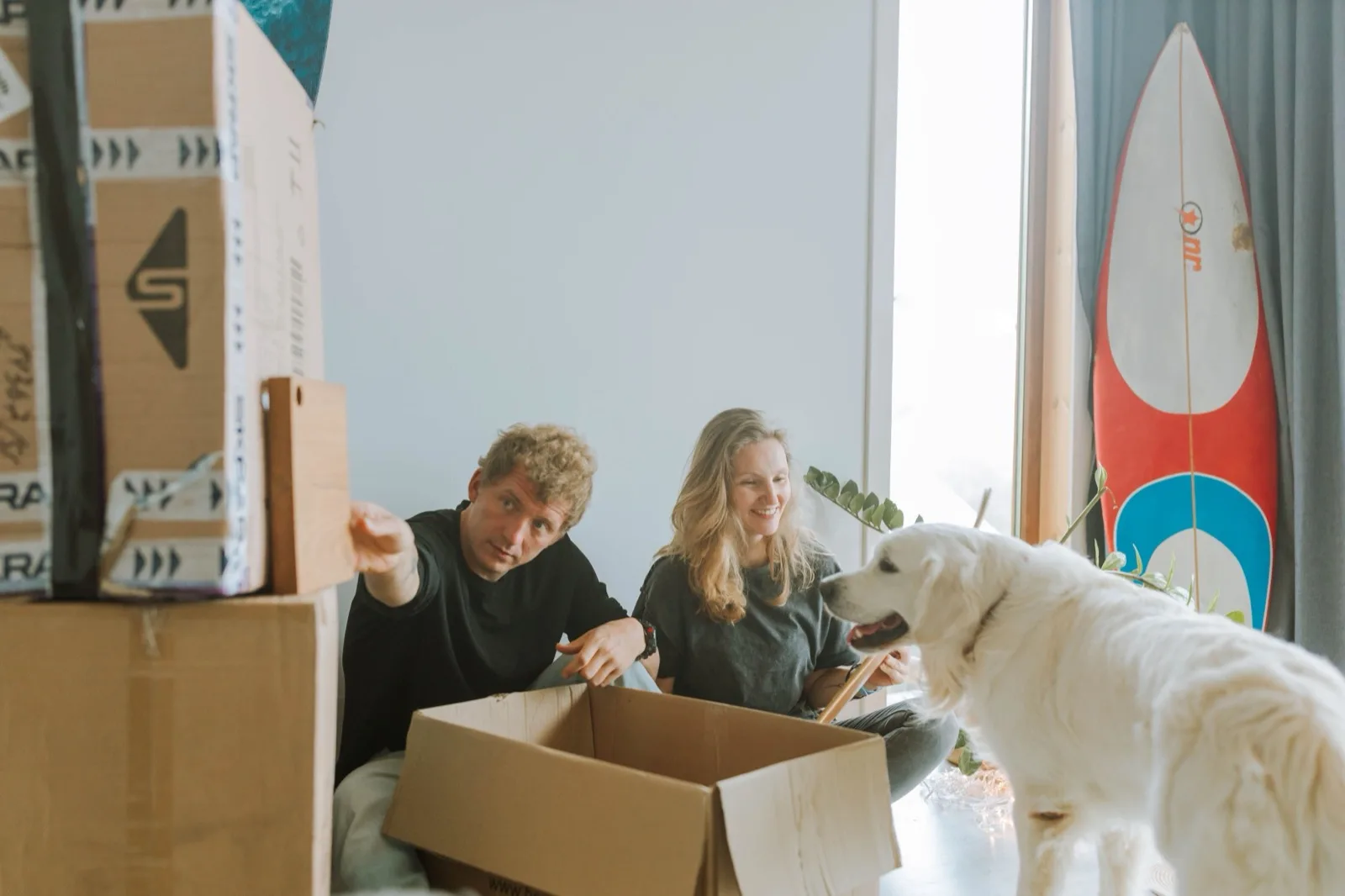
A move is a big change for a dog - new smells, a disrupted routine, sometimes the chaos of boxes and strangers in the home. The key steps are keeping the dog safe and away from the chaos on moving day itself, bringing familiar items (bed, bowl, the smell of home) to the new place, and letting them explore the new neighbourhood gradually rather than all at once. Most dogs adjust within 2-4 weeks, provided the walk and meal routine stays consistent despite the mess around them.
You're focused on boxes, the moving company and a thousand things to sort out - and the dog often ends up at the bottom of the priority list in all the chaos, even though for them, this is one of the bigger changes they'll experience. The good news: a few simple steps genuinely make a difference in how quickly and calmly they adjust.
Why a move is more stressful for a dog than you'd think
Dogs experience the world largely through smell and routine - and a move disrupts both at once. Familiar home smells disappear, the layout of the space changes, and on top of that comes the chaos of packing, strangers (the moving crew) coming and going, and often an open front door for most of the day. That's plenty of input to unsettle even a confident dog.
Typical signs of move-related stress include: reduced appetite, excessive panting, hiding, scratching at doors, heightened alertness, or the opposite - apathy. This is a normal reaction to a big change, not a sign something is "wrong" with the dog.
Before the move - getting ready
- Don't disrupt the routine too early. Keep normal walk and meal times for as long as possible, even as the home fills with boxes - a stable routine is an anchor that helps the dog feel safe despite the surrounding chaos.
- Introduce boxes gradually, rather than packing everything in one weekend - a sudden flood of boxes can trigger anxiety in dogs sensitive to changes in their environment.
- Update contact details on the collar tag, microchip and any ID apps before the move - this is a period of heightened escape risk, so a current phone number and address can make all the difference.
- Plan where the dog will spend moving day itself - this is the single most important decision in the whole process (more on that below).
Moving day - the golden rule
The dog shouldn't be in the middle of the chaos on moving day. An open front door, strangers carrying furniture, loud noises and general chaos are ideal conditions for an escape or serious stress. The best options:
- A trusted friend or family member keeps the dog for the whole day, away from both homes.
- A pet boarding facility or a day of dog sitting - a good solution if you don't have anyone trusted nearby.
- A closed room away from the front door, if neither of the above is available - clearly marked for the moving crew so they know not to open that door.
Whatever you choose, avoid leaving the dog "somewhere nearby" unsupervised - that's the most common scenario for an escape on exactly this kind of day.
The first few days in the new home
- Unpack the dog's things first - bowl, bed, toys. Familiar items carrying the scent of the old home give the dog a point of reference in an entirely new space, before the rest of the flat gets settled.
- Don't change everything at once. If you were planning to buy a new bed or bowl, wait a few weeks - familiar, known items help more during the first adjustment phase than the aesthetics of a new interior.
- Let the dog explore at their own pace. Don't drag them around the whole flat - let them decide which rooms to investigate first.
- Keep the familiar walk and meal routine from day one, even if it's logistically harder amid unpacked boxes.
Getting to know the new neighbourhood
The new area is another layer of change - different smells, different dogs, a different street layout. Approach it gradually:
- Keep the first walks short and calm, close to the new home, without pressure to "see it all" on day one.
- Watch the dog's reaction to new sounds and places - if they clearly hesitate, don't push further exploration, just try again next time.
- Look for places that resemble old favourite routes - a park, a forest, a waterfront - it helps the dog feel like the new area can become "theirs" too.
- Get to know other owners in the area - regular contact with other dogs and people helps the dog (and you) feel part of the new community faster than solo walks.
When adjustment takes longer than it should
Most dogs return to a normal rhythm within 2-4 weeks if the routine holds steady. Signs worth paying closer attention to:
- Appetite that stays reduced past the first week.
- Avoiding walks or showing strong fear of the new area.
- Excessive barking or destructive behaviour in the new home, especially when left alone - worth checking against our separation anxiety guide, since a change of environment is a common trigger for this issue.
- No improvement after a month despite a stable routine.
In these cases, it's worth first ruling out medical causes with a vet, then considering a behavioural consultation if the anxiety persists.
Moving to a different city - extra steps
Moving within the same general area is one thing, but relocating to an entirely different city calls for a few additional preparations:
- Find a vet in the new area before the move - don't wait for an emergency to start looking for a clinic. It's also worth transferring or copying the dog's medical records from the previous vet.
- Check local rules, if they differ - some municipalities have their own regulations on things like dog parks, pet fees, or leash requirements in public spaces.
- Plan a longer journey with the dog deliberately, if the move involves a multi-hour trip - breaks for water and movement every 2-3 hours matter just as much as on a vacation trip.
- Don't drop existing routines, like training classes or a regular groomer - look for equivalents in the new city in advance, rather than taking a "break for now" that tends to stretch on longer than planned.
Same pack, new home
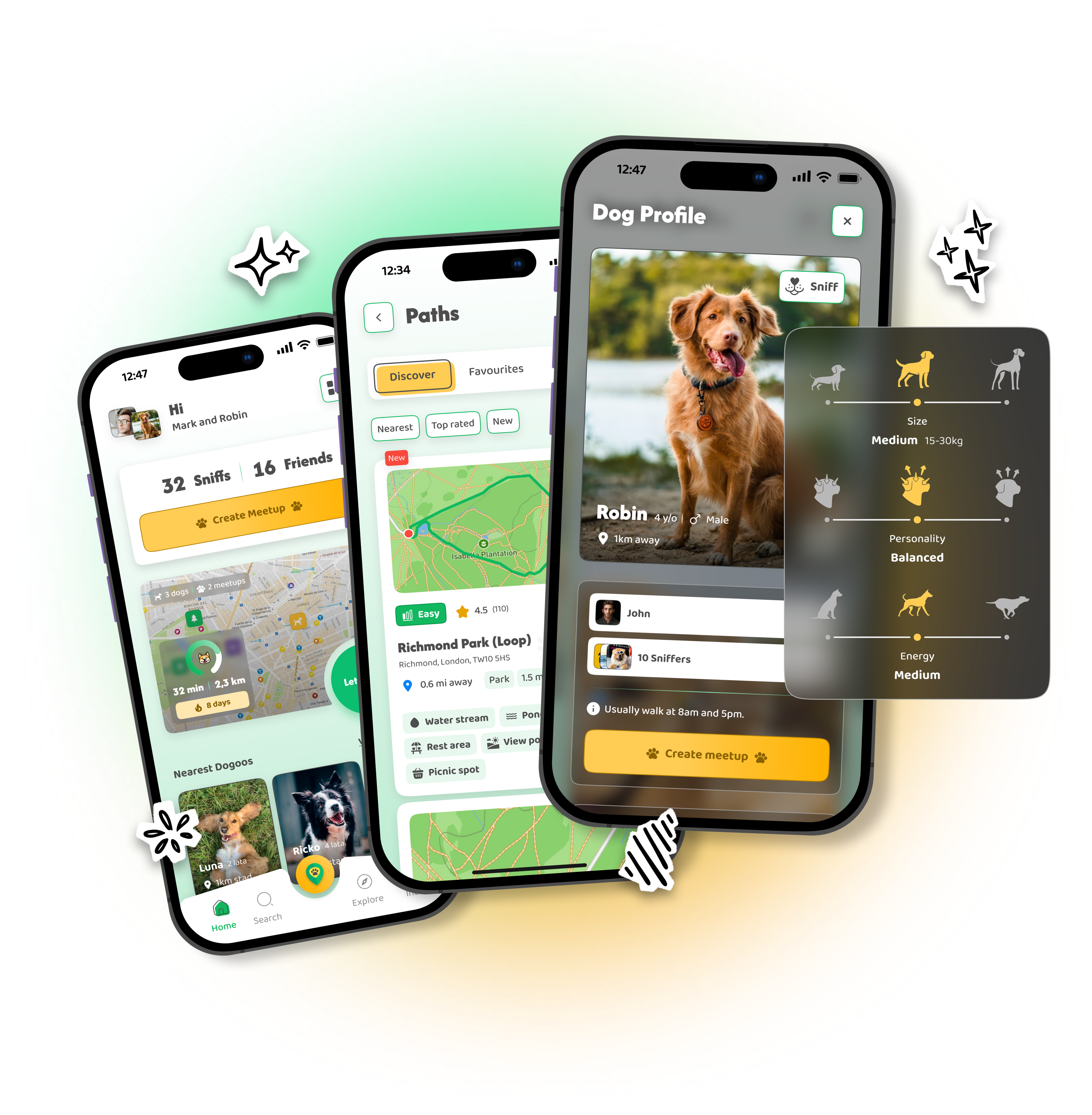
A move doesn't have to mean losing the community you built in the old neighbourhood, or giving up on building a new one. The DOGOUT map shows who else nearby with a dog lives close to your new address, even before the last box is unpacked - a natural way to help the new area feel like home faster, for both you and your dog.
Frequently asked questions
- Is moving house stressful for a dog?
- Yes, for most dogs it's a significant change - new smells, sounds and layout, often combined with the chaos of packing and strangers (a moving crew) in the home. The level of stress varies by temperament, but it's safe to assume even a confident dog needs time to adjust.
- Where should the dog be on moving day itself?
- Ideally somewhere safe and separate - with a trusted friend, at a pet boarding facility for the day, or in a closed room away from the front door and the moving crew's traffic. An open front door plus a stressed dog is a common cause of dogs bolting on exactly this kind of day.
- How long does it take a dog to adjust to a new home?
- Usually 2 to 4 weeks if the familiar walk and meal routine is maintained, though some dogs need longer, especially older dogs or those with a difficult past. Signs that adjustment is going well include a return of normal appetite, willingness to explore, and calm sleep.
- Is it worth bringing the dog's old bed to the new home, even if I planned to buy a new one?
- Definitely, at least for the first few weeks - the familiar smell of the old bed gives the dog a point of reference in an entirely new environment. You can introduce new items gradually once the dog has settled in.
- What if my dog is still struggling with the new area weeks after the move?
- If, after a month, the dog is still visibly stressed, losing their appetite, or avoiding walks, it's worth checking with a vet to rule out medical causes, then considering behaviourist support if the anxiety persists.