Training an Adult Dog - Where to Start and What Really Works
You absolutely can train an adult dog - the saying that you can't teach an old dog new tricks is a myth. Adult dogs often learn faster than puppies, thanks to a longer attention span and better self-control. Start with the basics (name, recall, sit, loose-lead walking), work in short sessions and reward what you want to reinforce. With a rescue dog, give it time to settle in before starting intensive training.
Have you adopted a dog that's a few years old, or has your current companion never had proper training? There's a widespread belief that it's too late to teach them - and it's simply not true. Adult dogs learn willingly and quickly, often more efficiently than easily distracted puppies. Below we show where to start, how to build motivation and how to work with a dog that already has a history.
Can you really teach an older dog?
Yes - with no asterisk. A dog's brain keeps its ability to learn for its whole life. An adult dog has several real advantages over a puppy:
- Longer attention span - it's easier to hold its focus through a whole session.
- Better self-control - it can wait, hold back, and won't be distracted by every falling leaf.
- A reliable bladder and less chaos - you can focus on learning rather than cleaning up.
What can be a challenge is well-established prior habits. Un-learning something a dog has done for years takes longer than teaching from scratch. But "longer" isn't "impossible".
Where to start
Begin with the foundations that genuinely make life together easier, and only then think about tricks. A good order looks like this:
- Name and eye contact - the basis of everything. A dog that looks at you when it hears its name is ready for the rest.
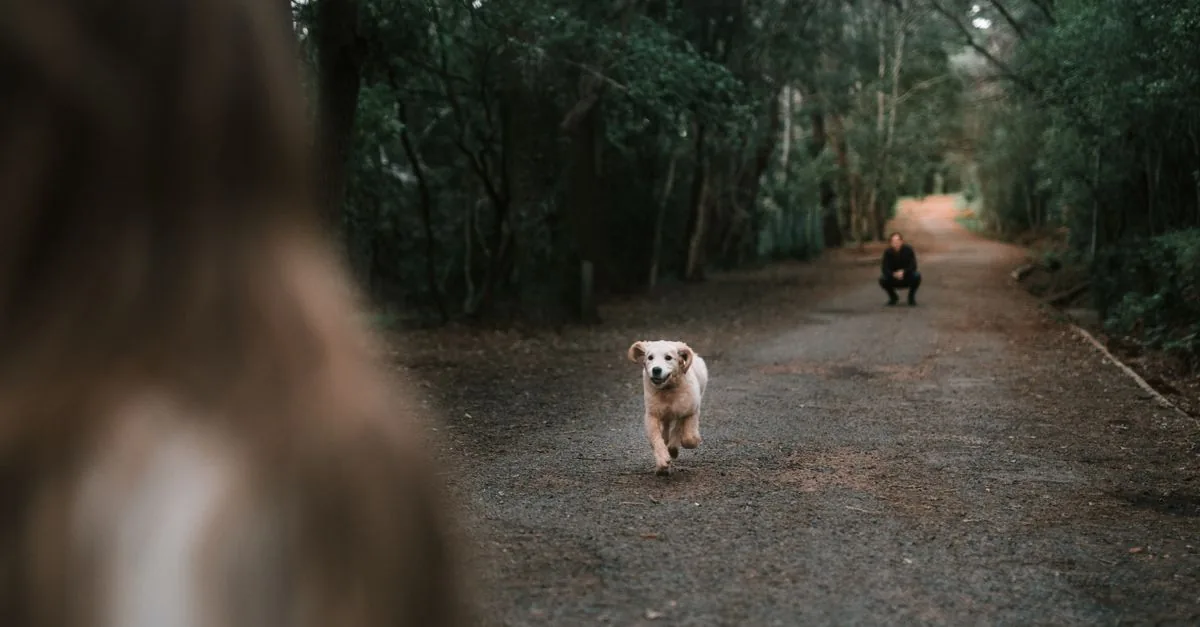
- Recall - the most important safety command. We cover it in depth in our guide to teaching a reliable recall.
- Sit and stay - simple commands for managing everyday situations.
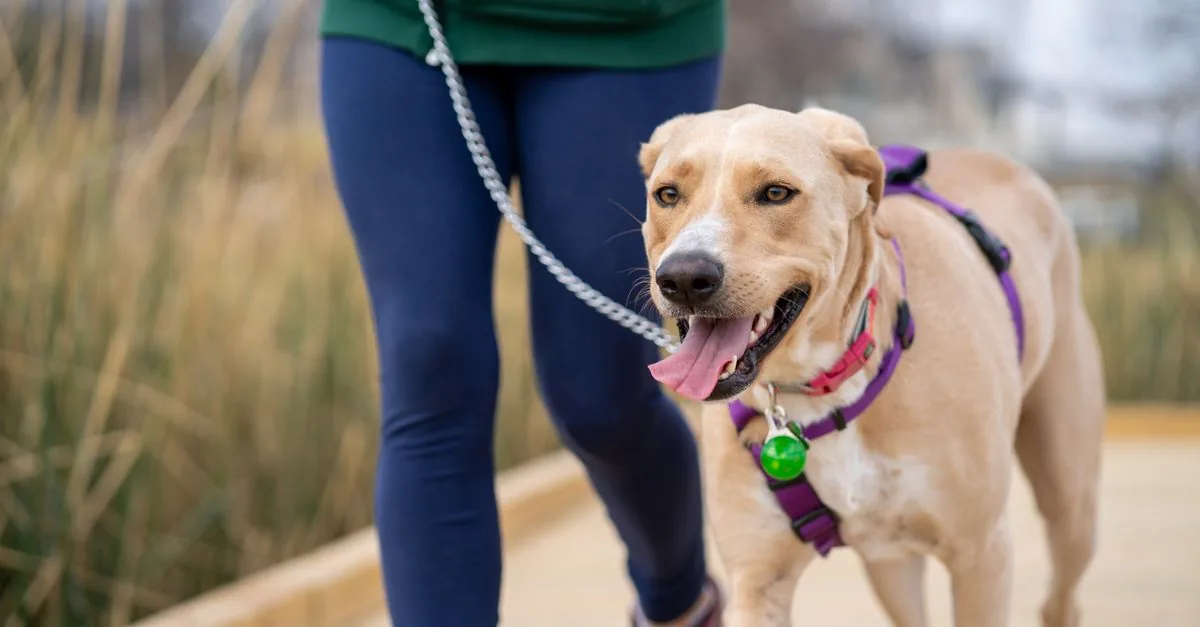
- Loose-lead walking - a huge improvement in the quality of walks. Details in our guide to loose-lead walking.
Don't try to teach everything at once. Pick one, at most two things and focus on them until they're second nature.
What a good training session looks like
| Element | Recommendation |
|---|---|
| Session length | 5 to 10 minutes, several times a day |
| Starting place | Quiet, familiar, free of distractions |
| Reward | Valuable to the dog (treat, play, praise) |
| Ending | On a success, before the dog gets bored |
| Pace | Raise difficulty in small steps |
Short, frequent, successful sessions beat one long, tiring workout hands down. A dog remembers its last impression, so finish while it still wants more, not when it's worn out.
Motivation - the currency of training
An adult dog works when training pays off. Your job is to work out what your particular dog values most and use that.
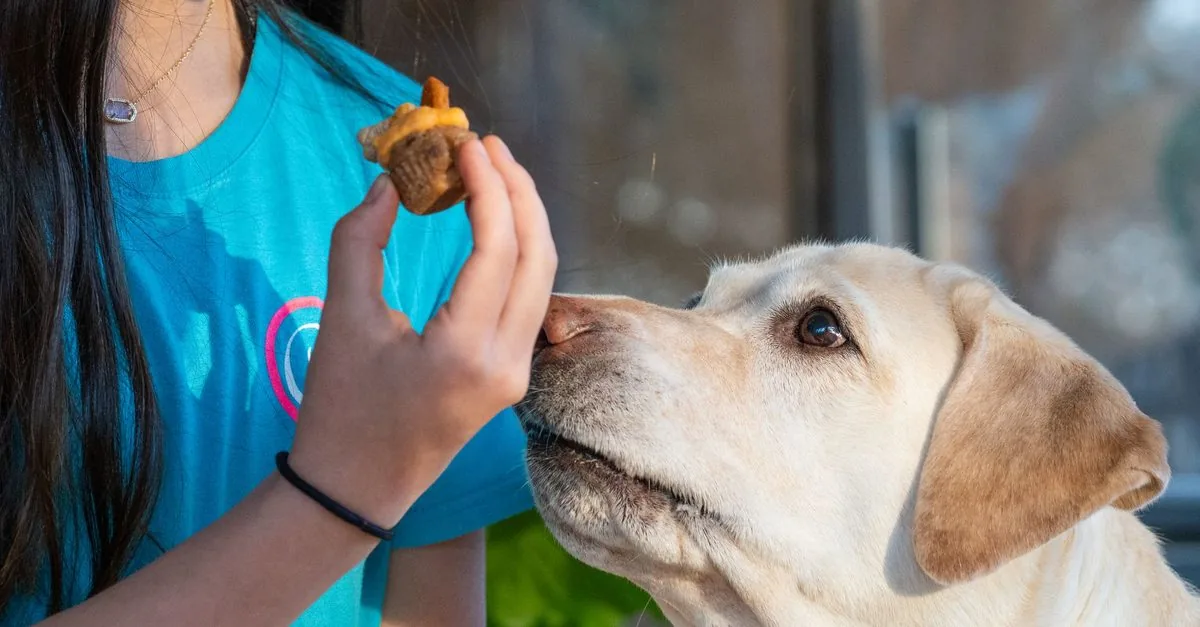
- Treats - the most common currency. For hard exercises use something genuinely high-value, not plain kibble.
- Play - for many dogs a ball or a tug is a stronger reward than food.
- Praise and contact - important, but usually as a bonus rather than the only reward.
A great tool for precisely marking the right moment is a clicker. If you'd like to try it, start with our guide to clicker training basics.
Working with a rescue dog
A rescue dog deserves a separate approach, because it starts with baggage we often don't know. The most important rule: don't rush.
- Allow time to settle. Before you start intensive training, let the dog get to know its new home, the daily rhythm and you. Usually that's a matter of a few weeks.
- Build trust before demands. Simple, rewarded contact and a predictable routine do more than an immediate list of commands.
- Watch for fears. A dog with an unknown past may react to specific triggers - a broom, men in caps, loud noises. Note these reactions and work on them gently.
- Avoid pressure and punishment. Harsh methods with an unsure dog set the relationship back by weeks.
If more serious behaviour problems appear, don't hesitate to get help from a certified behaviourist - it's an investment, not a failure.
The most common mistakes
- Sessions that are too long. The dog gets bored and disheartened. Better shorter and more often.
- Inconsistency. On the couch one day, off it the next - the dog can't work out the rules. Agree them across the whole household.
- Raising difficulty too fast. Adding distractions before a command is solid ends in frustration.
- Relying on punishment. It suppresses behaviour and builds stress, but teaches no alternative.
- Training only in the living room. A dog that "sits" in the kitchen won't necessarily do it in the park. Proof commands in different places.
Summary and a first step
Age doesn't close the door to learning - only a lack of patience and a plan does. Pick one command, prepare some high-value treats and do five minutes of calm work in a quiet place today. Then move the exercise into steadily more distracting surroundings, until the dog performs it confidently anywhere.
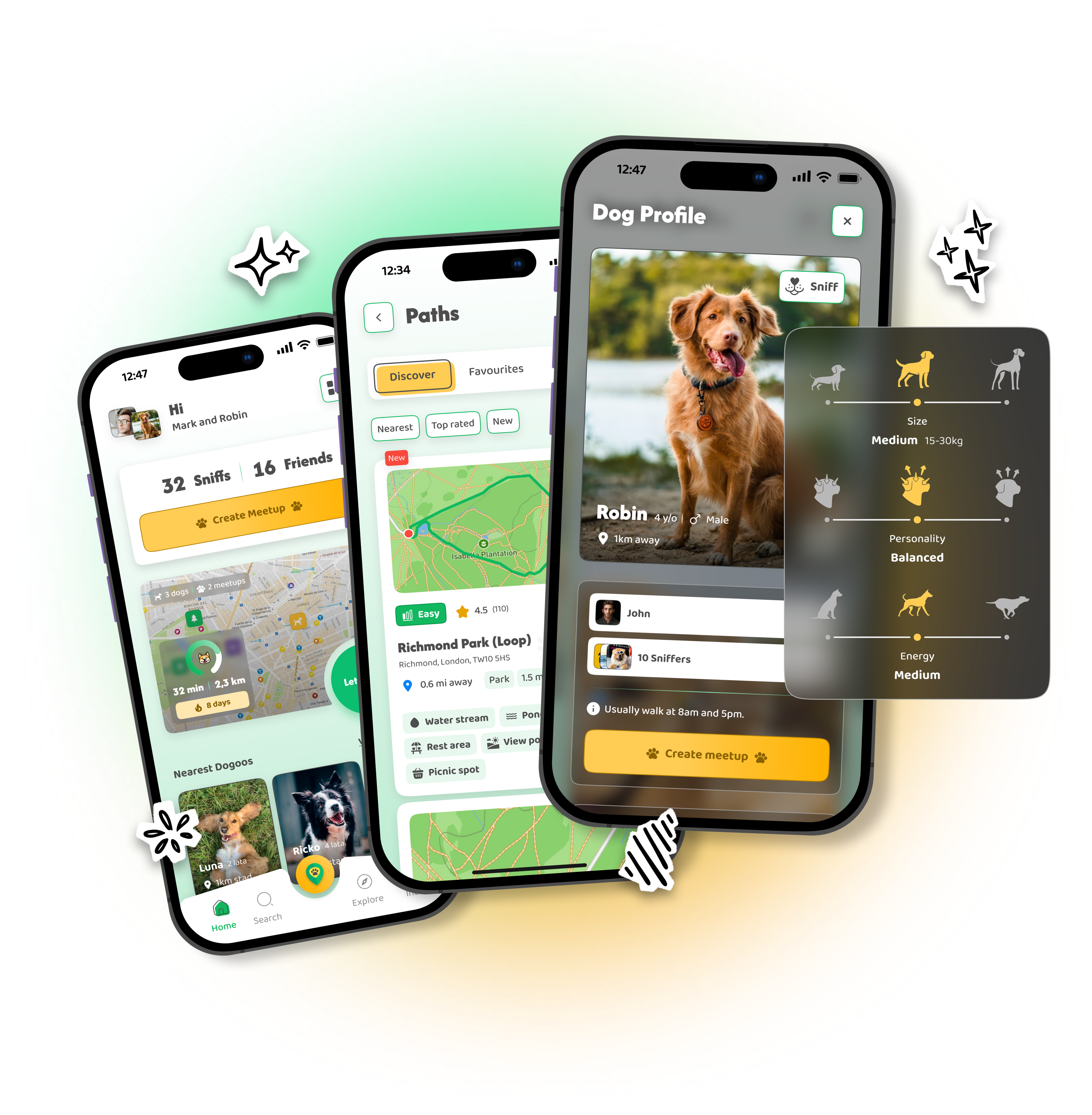
Once the basics are solid, calm, mildly lively outdoor places make a great training ground. In the DOGOUT app you can check nearby routes and times good for practice and meet other owners to work on recall and passing dogs together. An adult dog and a good plan are a pair that can achieve a great deal.
Frequently asked questions
- Can you still train an adult dog?
- Yes, and effectively. Dogs learn throughout their lives, and adults often do so faster than puppies thanks to better focus and self-control. The old-dog-new-tricks saying is a myth - what matters is method, patience and motivation, not age itself.
- Where do I start training an adult dog?
- Start with the basics that make daily life easier: responding to its name, eye contact, recall, sit and loose-lead walking. Work in short, frequent sessions in a calm place before adding distractions. Solid foundations matter more than flashy tricks.
- How long does it take to teach an adult dog a new command?
- It depends on the dog, the command and your consistency, but a simple command usually clicks within a few days of short sessions. Proofing it in different places and around distractions takes longer, often several weeks. The key is regularity, not the length of a single session.
- How do I train a rescue dog?
- First let the dog settle into its new home calmly, usually a few weeks, before starting intensive training. Begin by building trust and simple, rewarded exercises. Avoid pressure and harsh methods, since a dog with an unknown past may have fears you haven't discovered yet.
- How do I motivate an adult dog to train?
- High-value treats usually work, but for many dogs play, a favourite ball or praise and contact with their owner are just as powerful. It's worth learning what your particular dog values most and using that as a reward. Training should be worthwhile and enjoyable for the dog.
- Should I punish an adult dog during training?
- No. Punishment suppresses behaviour, builds stress and damages the relationship rather than teaching the dog what to do. Effective training rests on rewarding the behaviours you want and preventing the ones you don't. That approach works with dogs of any age.