Whistle Training a Dog - a Reliable Recall Step by Step
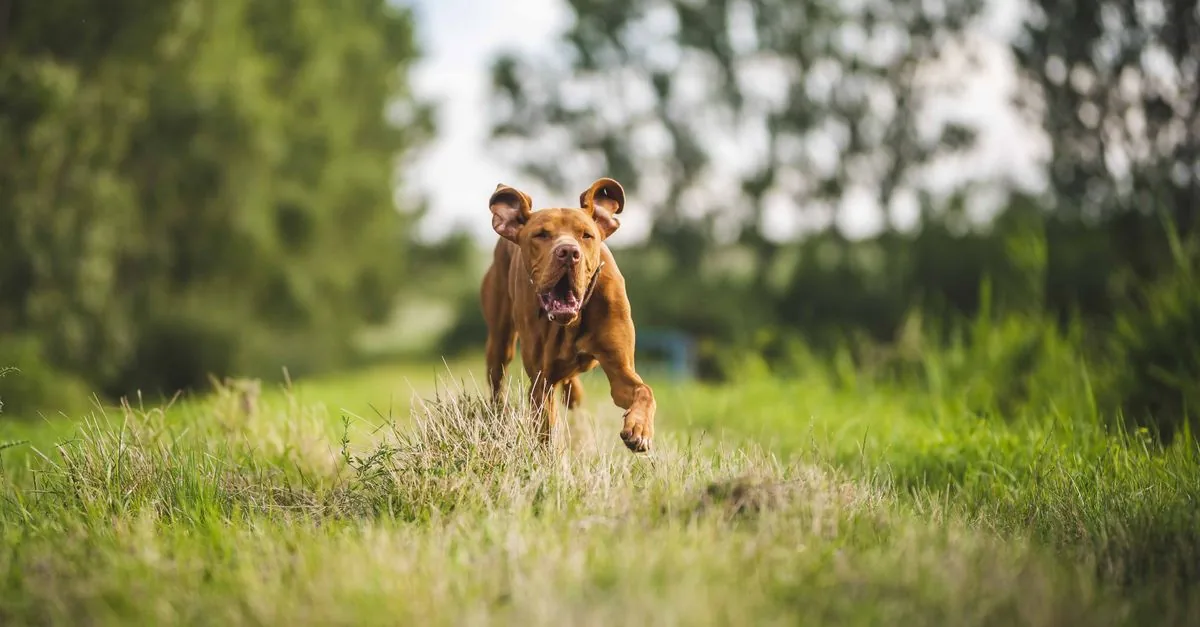
Whistle training teaches a dog to respond to a whistle instead of your voice - most often for recall at a distance. A whistle has a big advantage: it always sounds the same, carries further than your voice, and never betrays your emotions. Training starts with charging the signal (the whistle always predicts a reward), then gradually adds distance and distractions. The key is one consistent whistle pattern and rewarding every single return.
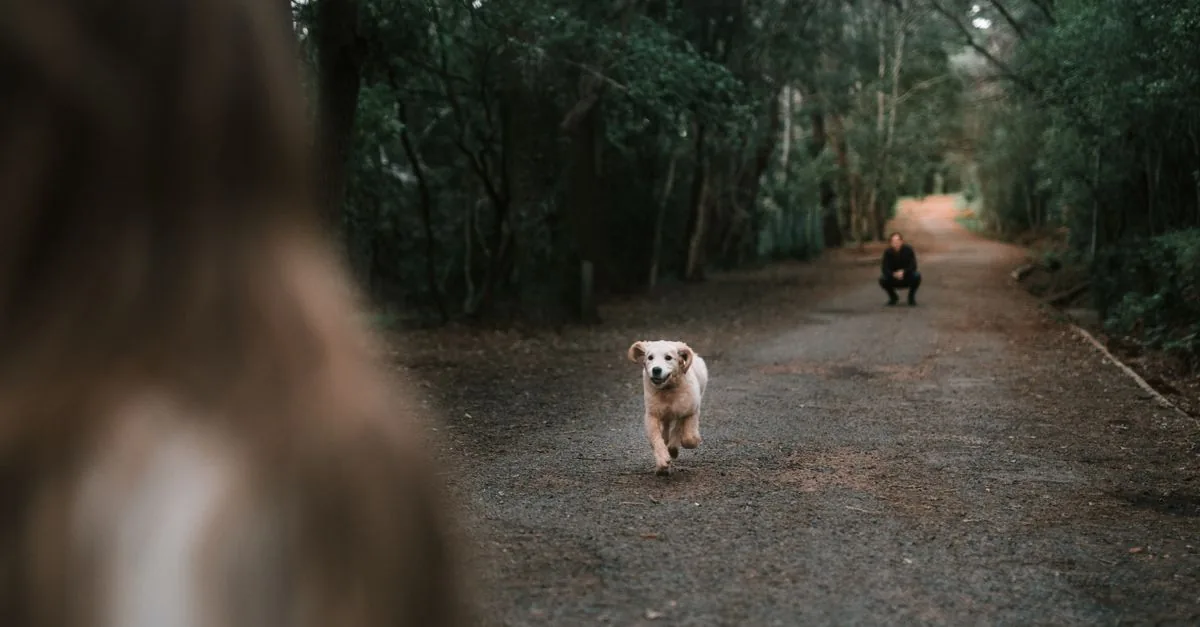
You call your dog on a walk, it plays deaf, and your voice grows more irritated with every repeat - less effective each time. This is exactly where a whistle earns its place: a tool that always sounds the same, carries further than a shout, and never gives away your frustration. A well-trained whistle recall can genuinely increase your dog's safety and freedom. In this guide we show you how to build one, step by step.
Why does a whistle work better than your voice?
The human voice is variable. Sometimes you call calmly, sometimes in a panic, sometimes with irritation - and your dog hears that difference and learns that the signal can be unpleasant. A whistle has none of that.
- A constant sound - the whistle always sounds identical, whatever your mood.
- Range - a whistle carries much further than your voice, which matters on a big meadow or in the woods.
- Emotional neutrality - your dog does not detect anger in a whistle, so the signal never discourages the return.
- Precision - one pattern means one thing, with no extra chatter.
A whistle is not magic - it still has to be trained. But as a tool it superbly reinforces a solid recall.
Which whistle should you choose?
The simplest and most effective option is a plain dog training whistle with no pea inside - it gives an even, repeatable sound. Gundog trainers often use fixed-pitch models, which makes it easy to find an identical replacement if you need one.
Ultrasonic whistles, silent to the human ear, do work on dogs, but for a beginner it is harder to judge whether the sound is even. To start, it is simpler to work with a whistle you can hear yourself. It is also worth keeping a spare of the same model, so that losing your whistle does not undo all your work.
Step by step: teaching a whistle recall
1. Charge the whistle
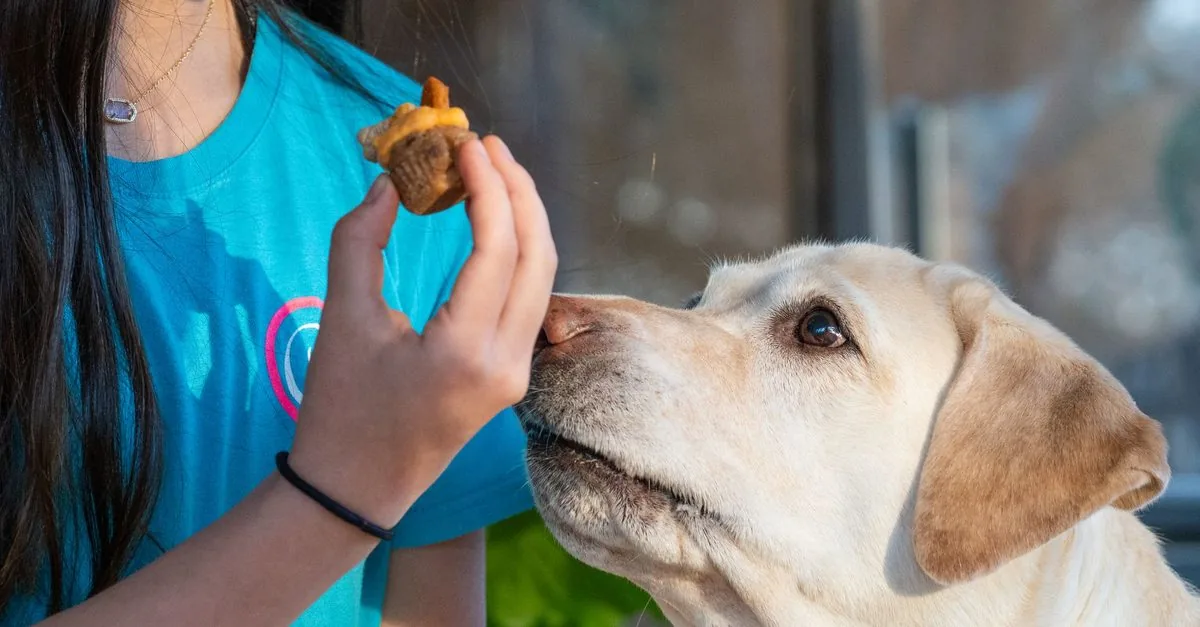
Charging means building the association: the whistle always predicts something good. In a calm, familiar spot, blow your set pattern and immediately give your dog an especially tasty treat - even if it is standing right next to you and has done nothing. Repeat this many times over several days, until the sound alone makes your dog turn to you expecting a reward. It is the same principle as in clicker training - the sound gains meaning through the reward.
2. Add a short distance
Once your dog understands that the whistle means a reward, start blowing it from a few steps away. The dog comes over, gets a treat and praise. Gradually increase the distance in a calm, fenced space with no distractions.
3. Introduce distractions
Only once your dog reliably returns to the whistle in easy conditions should you add difficulty: other smells, people in the distance, then other dogs. Do it one factor at a time. If your dog fails, that is a sign the difficulty was too high - step back.
4. Build distance on a long line
A long training line gives you safety when working at greater distances, before you trust your dog off the lead. You blow the whistle, the dog returns, and it gets something genuinely valuable - and that is how you build a habit that holds up even against temptations out in the field.
Whistle patterns - one signal, one meaning
Consistency matters more than the specific pattern. Choose a simple scheme and always stick to it.
| Signal | Typical whistle pattern | Meaning |
|---|---|---|
| Recall | Several short pips in a row | Come back to me |
| Stop / sit at a distance | One long blast | Stop, wait |
| Attention / turn to owner | One short pip | Look at me |
You do not have to teach every signal at once - for most owners a reliable recall is enough. If you do want to add more, make sure the patterns are clearly different, so your dog does not confuse them.
The most common mistakes
- Blowing repeatedly when your dog ignores you - every unanswered pip weakens the signal. It is better to step back in training than to repeat endlessly.
- Moving too fast - jumping to hard distractions before the foundation is solid ends in failure.
- Skimping on rewards - the recall has to pay off more than whatever your dog is currently doing. Use high-value treats.
- The whistle as a signal for something unpleasant - if you only blow it to end the walk or to tell your dog off, it will soon stop wanting to return.
- A changing pattern - two pips one time, three the next, confuses your dog. Settle on one scheme.
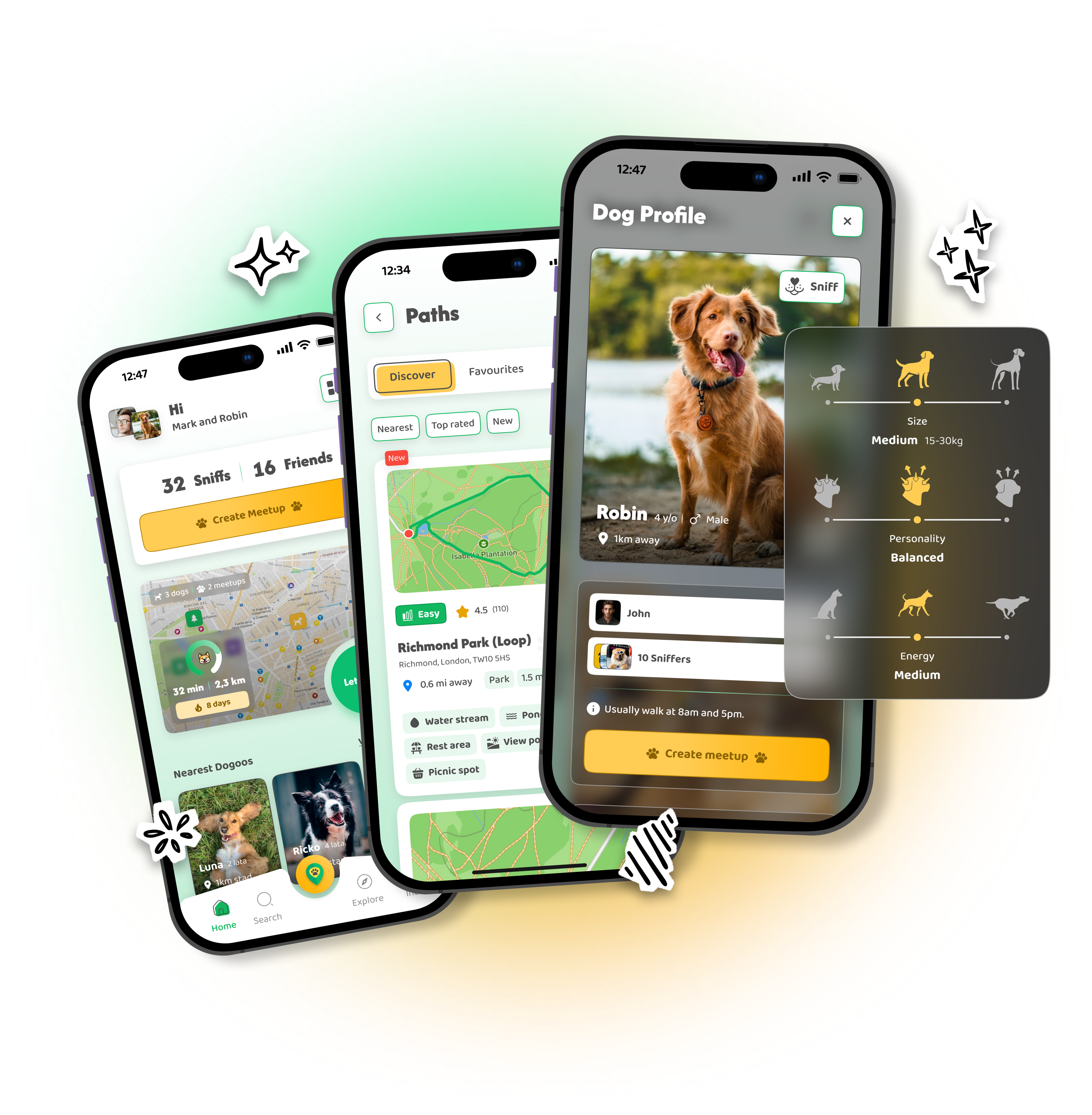
A well-trained whistle means more freedom for your dog and more peace of mind for you - it can range further because you know it will come back to the signal. Once the recall is reliable, look on the DOGOUT map for safe, open spaces nearby where your dog can practise off the lead and run to its heart's content.
Frequently asked questions
- Which whistle should I choose for training?
- The best option is a plain dog training whistle with no pea inside, because it gives a steady, repeatable sound. Fixed-pitch models used by gundog trainers are popular for this reason. Silent (ultrasonic) whistles work too, but it is harder to judge for yourself whether the sound is even - for beginners, an audible whistle is simpler.
- At what age can I start whistle training?
- You can start whistle training as a puppy, as soon as your dog happily takes treats and follows you around. A young dog quickly picks up the whistle-equals-reward association. An adult dog can learn it too - it just takes a little more patience, especially if it already has bad experiences with recall.
- How do I charge a whistle?
- Charging a whistle means building the association between the sound and a reward. In a calm spot, blow your set pattern and immediately give your dog an especially tasty treat, even if it is standing right next to you. Repeat this many times over several days, until the sound alone makes your dog turn to you expecting a reward.
- What whistle pattern should I use?
- Choose one simple, repeatable pattern for recall - usually a series of several short pips - and always stick to it. If you later want to teach other signals, such as a stop, use a clearly different pattern, like one long blast. Consistency is what matters most: the same pattern always means the same thing.
- Is a whistle better than a voice recall?
- A whistle has several advantages: it always sounds identical, carries further than your voice, and never reveals your frustration, so your dog does not link the signal to your irritation. It does not replace good recall work, though - it is a tool that reinforces it. It works best as a complement to, not a substitute for, teaching your dog to respond to its name and cues.
- What should I do if my dog ignores the whistle?
- Step back in the training - it usually means you added distance or distractions too soon. Return to an easier situation where your dog was confident, and strengthen the reward association. Never blow the whistle over and over while your dog ignores you, because it weakens the meaning of the signal.