Aggression in Dogs - Where It Comes From and How to Work Through It
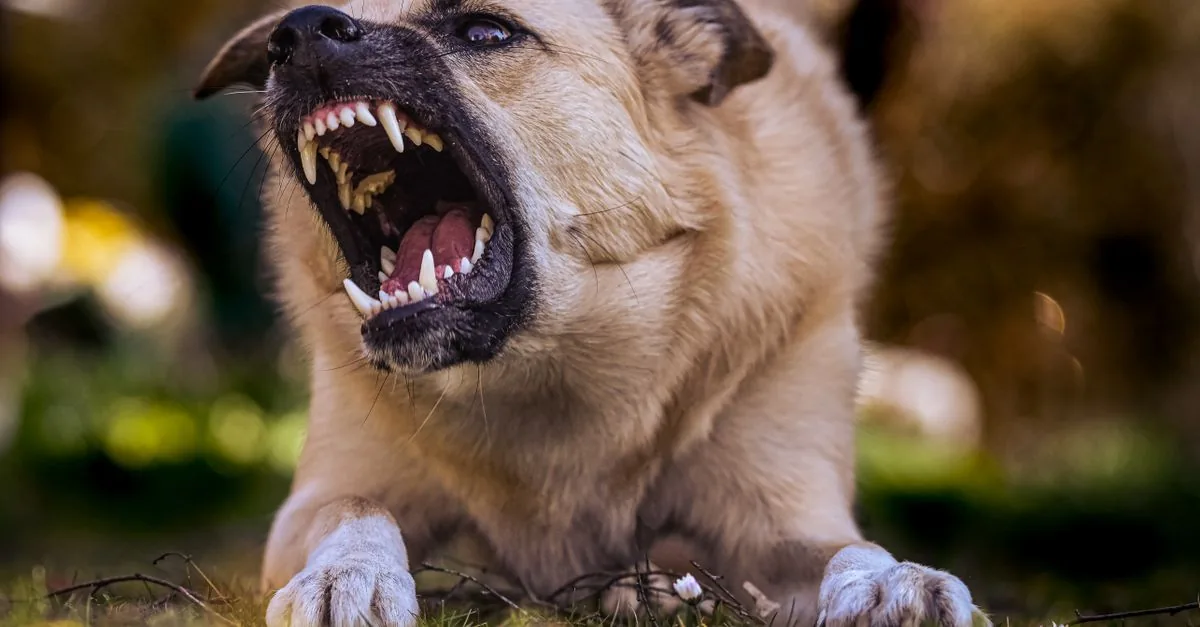
Aggression in dogs is usually driven by fear, pain, or resource guarding - rarely by a desire to 'dominate', a myth modern behaviour science has largely dropped. Growling, snapping, or lunging at people is a warning signal, not bad character. The first step is a vet visit to rule out pain or illness. If the cause is behavioural, you need a structured plan - ideally with a certified behaviourist, since punishing the warning signs usually makes things more dangerous, not less.
Growling at a visitor, snapping near the food bowl, a sudden lunge on a walk - aggression in dogs can rattle even an experienced owner. Before reaching for the label "bad dog", it helps to understand that aggression is a signal, not a personality trait. Here's where aggression in dogs actually comes from, the main types, and what genuinely helps - no dominance myths.
Where does aggression in dogs come from?
Aggression is a communication behaviour - the dog is saying "back off" or "stop that" before it reaches for its last resort, a bite. The most common causes:
| Cause | How it shows up |
|---|---|
| Fear | Growling, barking, snapping when escape isn't possible |
| Pain or illness | Sudden aggression at a specific touch, personality change in an older dog |
| Resource guarding | Stiffening, growling over food, a toy, or a bed |
| Territory | Reaction at the gate, window, or property line |
| Leash frustration | Redirected aggression when the dog can't reach the trigger |
| Poor socialisation | Trouble reading and sending calming signals |
Before you go looking for a behavioural cause, rule out pain. Arthritis, a vision or hearing problem, or a thyroid issue can change a dog's temperament overnight. A vet visit is always step one, never the last resort.
Types of aggression in dogs
Fear aggression, territorial aggression, resource guarding, pain-driven aggression - each has a different trigger and needs a different approach. Lumping them all into one "aggression problem" is the most common mistake owners make.
Fear aggression - the most common type. The dog feels threatened and sees no way out, so it acts pre-emptively. Common in dogs with incomplete socialisation or a history of bad experiences. For more on building confidence in puppies and adult dogs, see our guide to dog socialization.
Territorial aggression - the dog defends a specific area: the yard, the car, the front door. Outside that area it's usually neutral.
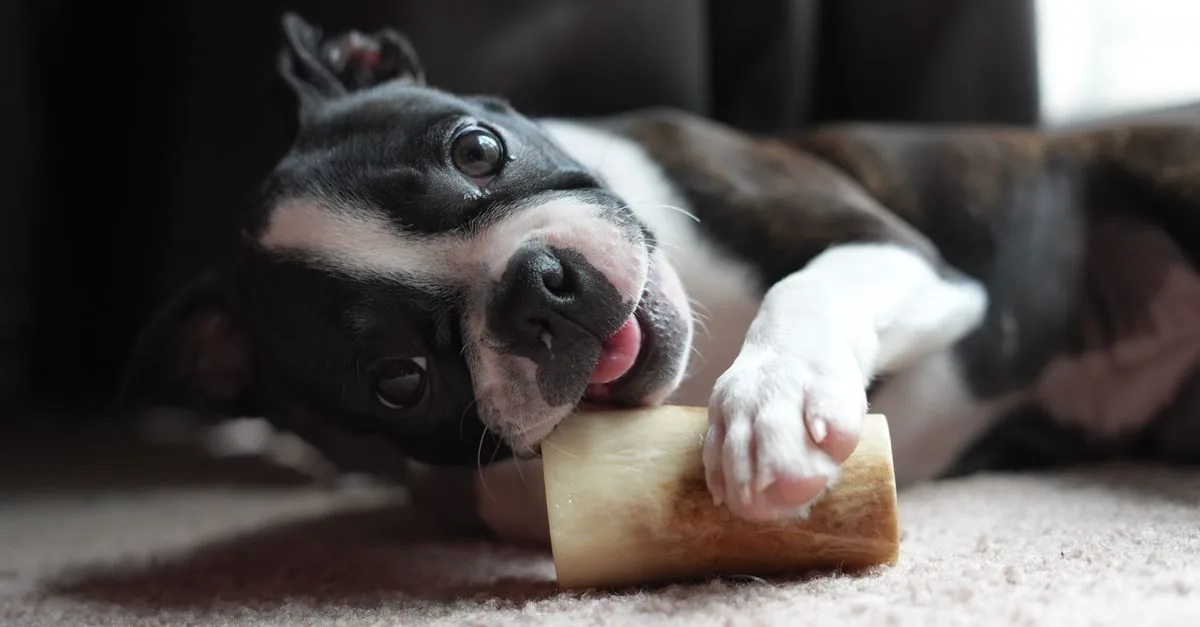
Resource guarding - growling or snapping over a bowl, a bone, a toy, or even a favourite spot on the couch. It's a well-studied topic on its own - we cover it in more depth in our guide to resource guarding in dogs.
Pain-driven aggression - appears suddenly, often in older dogs, and resolves once the underlying cause is treated.
Redirected aggression - a dog that can't reach a trigger (another dog behind a fence, for example) redirects the frustration onto whatever's closest - the leash, its own leg, or its owner.
Aggression towards family members
This is the topic that worries owners most, because it happens at home, among the people the dog trusts most. In practice, it's almost never a "fight for pack dominance" - that theory has been rejected by modern behaviour science for years. Far more often it's:
- pain at a specific touch point (a paw, the tail, the belly),
- guarding a specific resource in a specific moment,
- a learned pattern - the dog once "won" by growling, so it repeats the strategy,
- overtiredness and over-stimulation after a long day.
Before drawing conclusions, write down exactly what happened right before the reaction, where, at what time, and how often. Those notes are gold for a vet or behaviourist - they help far more than simply saying "my dog is aggressive."
How to stop a dog being aggressive towards people
Punishing growling is one of the worst ideas in working with aggression - the dog doesn't stop being afraid, it just stops warning you before it bites. That genuinely raises the risk of an incident instead of lowering it.
What actually works instead:
- Increase distance - if the dog reacts to people at five metres, work from ten, where it's calm.
- Counter-conditioning - the trigger (a stranger, another dog) appears = something great happens (a high-value treat). Over time, the trigger starts to predict something good instead of something scary.
- Manage the environment - a lead, a training muzzle where needed, avoiding situations beyond the dog's current threshold while training takes effect.
- Consistency across the whole household - everyone follows the same rules, or the dog gets mixed signals.
- A certified behaviourist for real risk - calling one in isn't a failure, it's responsibility, once human and dog safety are on the line.
Vet or behaviourist - which one first?
Always start with the vet when aggression appears suddenly in a previously calm dog, or in an older dog - that's a classic sign of pain or illness. See a behaviourist when the dog growls or snaps regularly, the aggression is escalating, it involves children or guests, or you've already tried "home remedies" without success. A certified specialist builds a plan around the specific trigger - generic internet advice often does more harm than good because it ignores the individual dog's context.
Working through aggression is a marathon, not a sprint - but a calm, well-socialised dog is also one that needs frequent, controlled exposure to other people and dogs, at a pace it can handle. On DOGOUT you can find behaviourist and trainer profiles marked with a dedicated badge nearby, check out spots flagged by other owners, and time your walk for a quieter moment with fewer triggers. Open the DOGOUT map and plan a route where your dog can learn to stay calm, one step at a time.
Frequently asked questions
- What is fear aggression in dogs?
- Fear aggression shows up when a dog feels threatened and can't escape - on a lead, in a corner, cornered by a stranger. Growling, barking, or snapping is the dog trying to increase distance from what scares it. It's the most common type of aggression in dogs, and it responds to confidence-building work, not punishment of the warning signal.
- How do I recognise territorial aggression in a dog?
- A dog reacts aggressively at the edge of its perceived territory - the gate, a window, the doorway - but is calm everywhere else. Common in dogs who guard a yard or house. Blocking the sightline (a solid gate panel, for example) and training a solid recall away from the boundary usually reduce the intensity.
- What does it mean when a dog is aggressive towards family members?
- Most often it's resource guarding (a bowl, a bed, a toy), pain triggered by touch (arthritis is a classic culprit), or a conflict tied to one specific situation, like having something taken from its mouth. It's rarely about 'status' in the household. Start with a vet visit, then describe the exact trigger situations to a behaviourist.
- How do you stop a dog being aggressive towards people?
- Not by punishing the reaction - that only suppresses the warning signs without removing the cause. What works is gradual desensitisation (exposure to the trigger from a safe distance) paired with counter-conditioning (trigger predicts something good). When there's a real bite risk, this is work for a certified behaviourist, not a DIY experiment.
- Can dog aggression be fully cured?
- It depends on the cause. Pain-driven aggression often resolves once the underlying condition is treated. Fear and territorial aggression can usually be significantly reduced and safely managed, but rarely disappear completely - the realistic goal is predictable, safe behaviour, not a 100% guarantee.
- When should I take an aggressive dog to a behaviourist?
- As soon as a dog growls, snaps, or bites - even without breaking skin - and especially if it's repeating or escalating. The earlier you act, the easier and cheaper the work is. Waiting for aggression to 'sort itself out' usually just lets the pattern set in.