Dog Growling - What It Means and What You Should Do
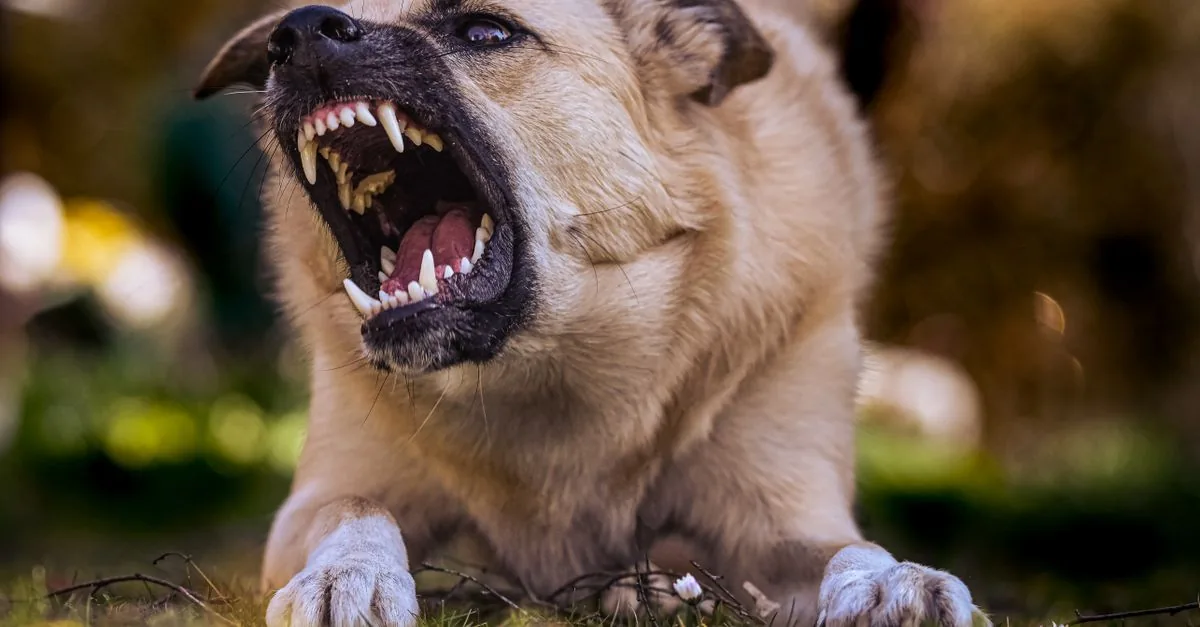
Growling is a normal part of how dogs communicate - it can signal play, discomfort, fear, or a warning before aggression. The key is reading body language: loose body and wagging tail usually mean play; stiff posture and a tense face mean your dog needs space. Never punish a growl - it is the only warning your dog has before resorting to a bite.
You hear a growl and your stomach drops. That is natural. But before you panic - or worse, tell your dog off - it helps to understand what your dog is actually trying to say. Growling is not an attack. It is a sentence.
Growling is a language
Dogs do not have words. They communicate through body language, scent, and sound - and growling is one of the most important parts of their vocal toolkit. Just as a person can raise their voice from anger, excitement, or fear, a dog can growl for completely different reasons.
Treating every growl the same is a mistake. A growl during a tug game is nothing like a growl over a food bowl when someone walks past. Understanding the difference can literally prevent a bite.
Types of growling - a quick guide
| Type of growl | When it appears | Body language |
|---|---|---|
| Play growl | During tug, chase, rough play | Loose body, wagging tail, natural breaks in play |
| Contentment growl | During petting or rest | Relaxed posture, soft eyes, low rumble |
| Warning growl | When the dog wants space | Freezing, stiff body, tense face |
| Fear growl | When the dog feels threatened | Cowering, ears flat, tail tucked |
| Frustration growl | When the dog wants something it cannot reach | Fixed focus on target, whining, bouncing |
| Resource-guarding growl | When someone approaches food, toy, or resting spot | Freezing over the resource, stiff posture, body shielding |
How to tell play growling from a warning growl
The answer lies in body language, not pitch - though pitch is a clue:
- Play growl: your dog is loose and bouncy, takes breaks, invites more contact, may do a play bow (rear up, front down).
- Warning growl: your dog freezes, goes stiff, holds eye contact in a hard, fixed stare. The tail may be still or rigidly raised.
As a rough rule: low and deep means warning. Higher and more musical often means play or pleasure. But always read the whole dog, not just the sound.
The ladder of aggression - why growling matters
Animal behaviourist Kendal Shepherd described what is often called the "ladder of aggression" - a model showing how dogs escalate their communication when earlier signals are ignored. Growling sits relatively high on that ladder. Before reaching it, a dog will usually have sent subtler signals:
- Lip licking
- Looking away or turning the head
- Yawning (in a stress context)
- Freezing
- Body stiffening
- Growling
- Showing teeth (snarl)
- Snapping in the air
- Biting
If the owner misses steps 1 to 5, the dog moves to growling to be heard. That is not defiance - it is the dog doing everything it can to communicate before things get worse.
The biggest mistake: punishing a growl
This is one of the most common and most dangerous errors. When you punish a dog for growling - pushing it away, shouting, using physical force - you can train the dog to stop growling. That sounds like success. It is a trap.
A dog that stops growling has not stopped feeling uncomfortable. It has only learned that signalling discomfort is dangerous. The result: one day, with no warning, it bites - because the earlier signal was removed from its toolkit. These dogs are described as "biting with no warning" - when in reality the warnings were taken away.
The right response to a growl is to listen to it, not silence it. Your dog is saying: "this is hard for me." Your job is to understand why.
What to do when your dog growls
Your response depends on the context:
Play growling - slow things down. Pause the game. Check whether your dog is still loose and willing to re-engage. If so, carry on. If the body stiffens, end the session.
Warning growl - give your dog space. Do not move closer, do not punish, avoid intense eye contact. Remove the trigger or take your dog out of the situation. Note what the context was.
Resource-guarding growl - this is a sensitive situation that usually needs professional guidance. Working on it alone can escalate things unexpectedly. A good introduction to the broader picture is our article on resource guarding in dogs.
Fear or anxiety growl - make sure your dog has an escape route. Never force contact. Work on building positive associations with the trigger gradually. Solid early dog socialization is the foundation for confidence - but even adult dogs can make progress with patience and good technique.
When to call a behaviourist
Consult a certified animal behaviourist when:
- Growling appears consistently in specific situations (around food, when approached in a resting spot, around children).
- Your dog escalates quickly from growl to snarl or snap.
- The growling is directed at household members or people it previously ignored.
- You have a dog with an unknown history (rescue) and you are seeing discomfort signals.
A good behaviourist will not punish the growl. They will work on what causes it - the emotions and associations behind the behaviour. If your dog is reactive on walks, it is also worth reading about dogs that are scared of other dogs - fear of dogs is one of the most common roots of on-leash growling.
Growling on walks - what to do
Walks are where many dogs growl for the first time. Other dogs, cyclists, children, loud vehicles - each can trigger a growl from discomfort or fear.
A few practical rules:
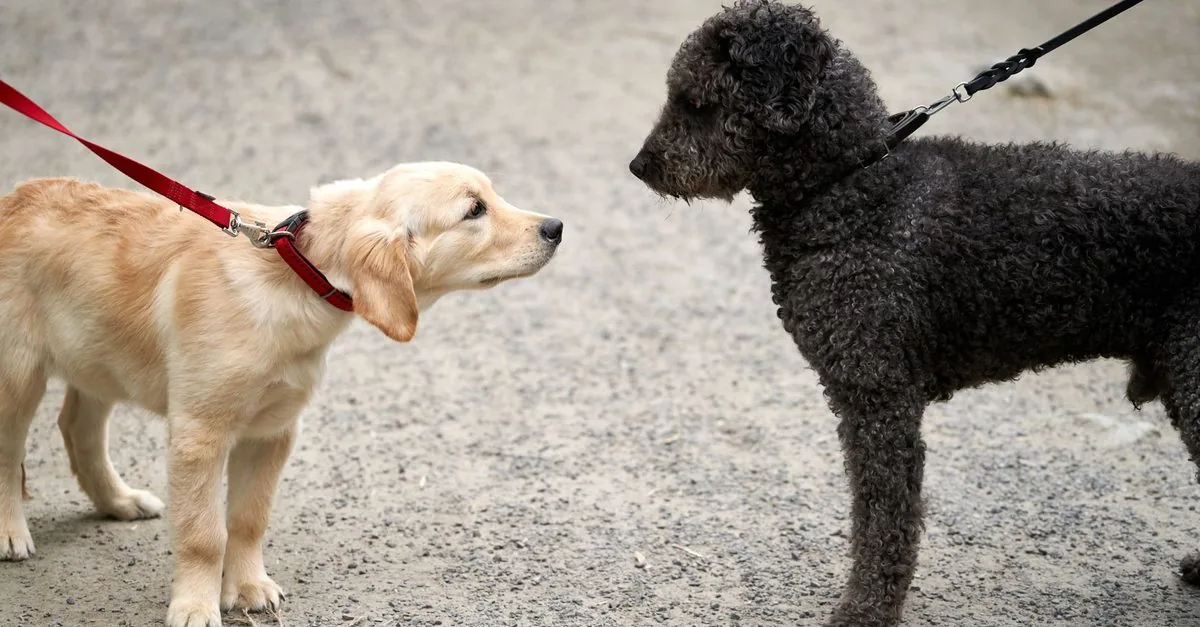
- Do not force a greeting when your dog growls with tension. Give it distance.
- Reward calm in the presence of triggers that usually cause growling - before the growl starts.
- Watch body language rather than just listening for the sound.
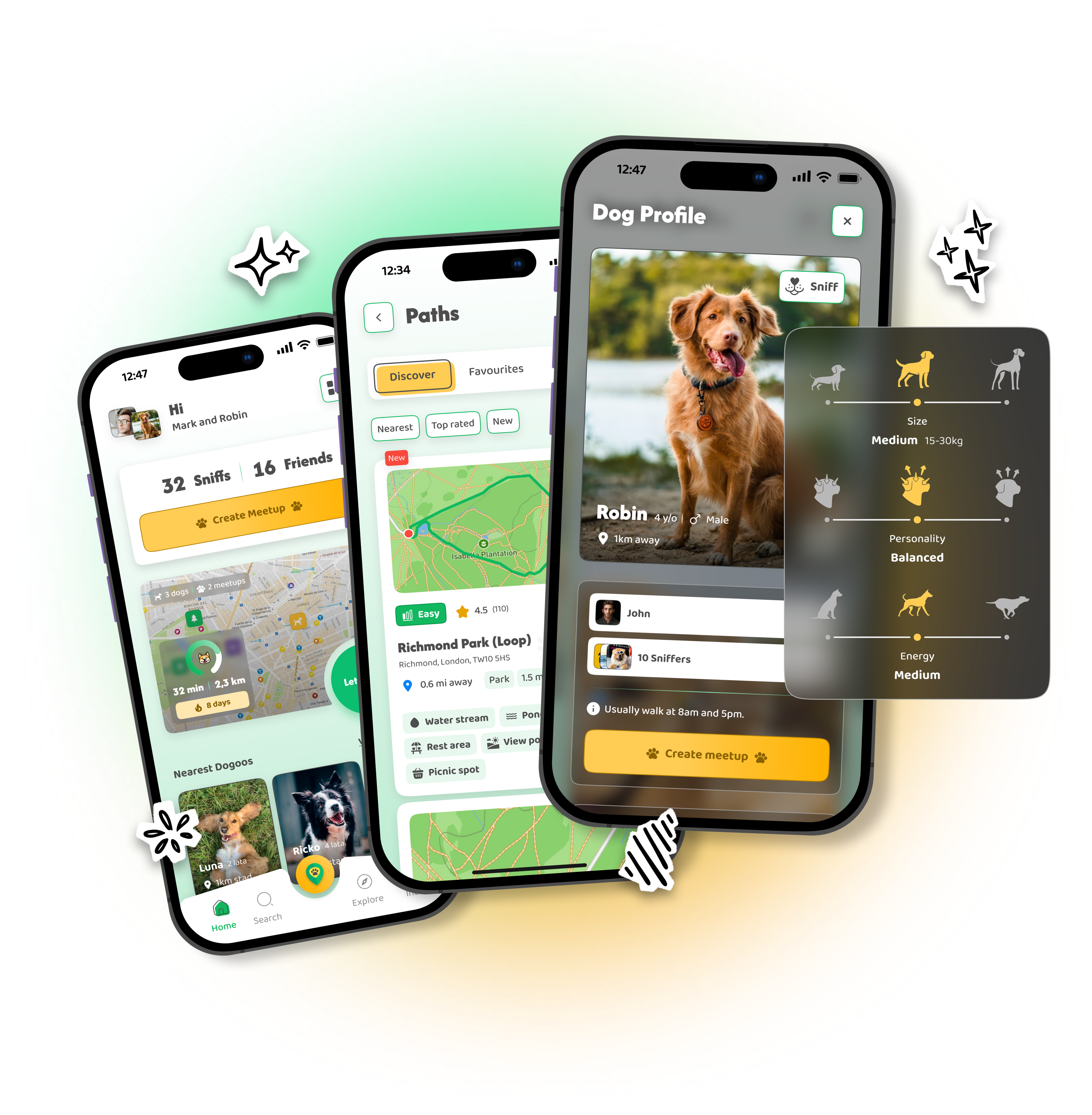
Looking for calm routes where you and your dog can practise at your own pace? The map in DOGOUT shows spots tagged by other owners - off-lead areas, parks, quiet paths away from the crowds. You can also see who is walking nearby and set up a joint walk with a dog that has a similar energy level. A well-matched pair makes every outing easier.
A growling dog is not a bad dog. It is a dog that is trying to have a conversation. Get outside, pay attention - and listen.
Frequently asked questions
- Why does my dog growl at me?
- Dogs most often growl at their owners when they feel discomfort, pain, or are guarding a valued resource - food, a resting spot, a toy. It is not dominance or spite. It is a signal that something is bothering them. A certified behaviourist can help you identify the cause.
- Is a dog growling during play aggressive?
- No - growling during play is normal. It comes with a loose body, a wagging tail, and natural breaks in the game. If your dog suddenly freezes, stiffens, or the growl drops to a lower, deeper pitch, that is a sign the play has become too intense.
- What should I do if my dog growls at a child?
- Create distance immediately - move the child away or guide the dog out of the situation. Do not punish the growl. Consult a certified behaviourist: growling at children needs professional assessment because the risk of escalation is real.
- Can I train my dog not to growl?
- You can suppress growling with punishment - but it is dangerous. A dog that has learnt growling leads to punishment may skip that warning and go straight to biting. Instead of eliminating the signal, work on the underlying cause of the discomfort.
- When is dog growling a reason to worry?
- When it is accompanied by a stiff body, tense face, freezing, showing teeth, or when it appears consistently in specific situations - around food, when someone approaches the dog's space, or around children. In any of these cases, consult a behaviourist.
- Does the pitch of a growl change its meaning?
- Generally yes. Low, deep growling tends to signal a warning or high confidence. Higher-pitched, more musical growling often appears during play or as an expression of contentment. Always assess the full body language - never the sound alone.