Resource Guarding in Dogs: How to Respond Calmly and Safely
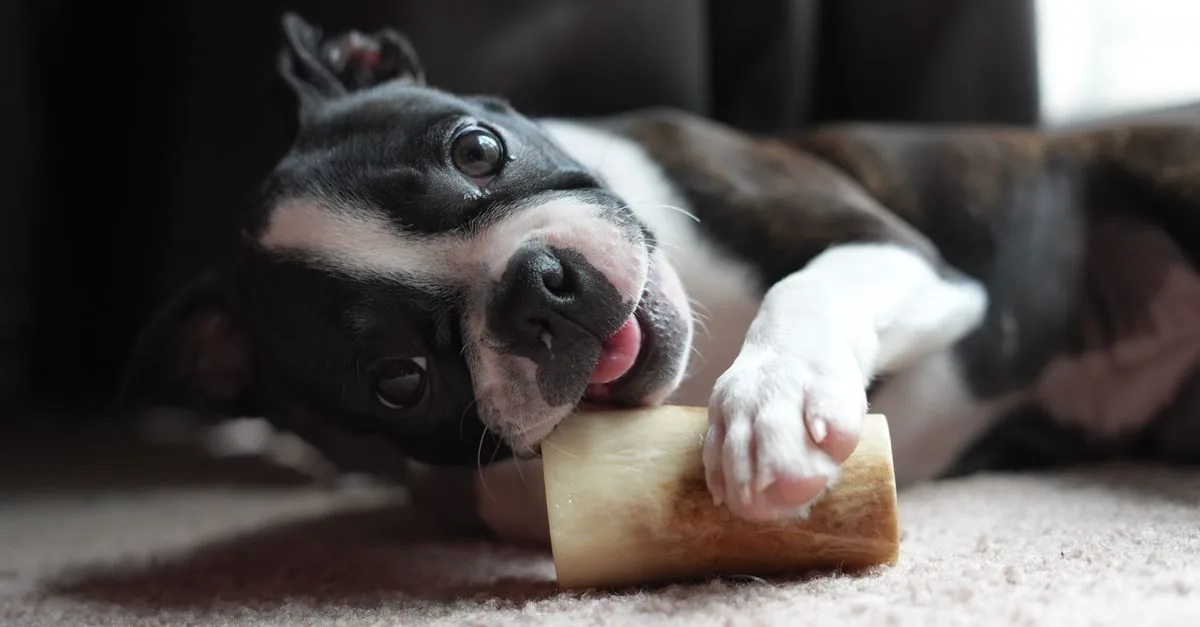
Resource guarding is a normal behavior where a dog defends food, a toy, a bed or a space. Do not punish your dog or take things away to show dominance - that makes guarding worse and raises the risk of a bite. Instead, manage the situation and teach your dog that your approach means something better, not a loss. If your dog already growls, snaps or bites over resources, work with a qualified behaviorist.
A dog that freezes over the bowl or growls when you reach for a toy is not being bad or stubborn. It is doing exactly what any animal holding something valuable would do - making sure it does not lose it. The good news: this is changeable. The bad news: the most common owner reaction - grab the item and show the dog who is boss - makes it worse. Let's slow down and do it right.
What is resource guarding?
Resource guarding is when a dog defends something it considers valuable. That might be food, a bone, a favorite toy, a bed, and sometimes even a specific spot on the sofa or a particular person.
The behavior runs on a scale, from subtle signals to open aggression:
| Level | What it looks like | What it means |
|---|---|---|
| Early | Eats faster, hunches over the bowl, tracks you with its eyes | Mild discomfort - still prevention territory |
| Moderate | Freezes, stiffens, shows whites of the eyes ("whale eye"), growls | Clear warning - time for professional help |
| High | Snaps, lunges, bites | Dangerous - see a qualified behaviorist |
A growl is not cheek - it is communication. The dog is saying "I need space". If you punish the growl, you can teach the dog to skip the warning and go straight to a bite. That is the worst possible outcome.
Why you must not punish or take things by force
This is the single most important rule on the topic. Punishing and confiscating things to make a point does not build respect - it builds fear. And a frightened dog guards harder.
Old-school dominance theory claimed a dog guards because it is competing for the alpha spot, so you have to show it who is in charge. That theory has been debunked - including by the wolf researcher whose early work inspired it and who later disowned it himself. Your dog is not plotting a household coup. It is simply afraid of losing something it values.
Here is what punishment and confiscation actually do:
- They confirm to the dog that your approach means loss - so it guards harder.
- They teach the dog that warning (growling) does not pay - so it suppresses signals and jumps to biting.
- They erode the trust the whole relationship rests on.
If you see anything more than a slightly faster eater, do not try to muscle through it on your own. Resource guarding can escalate fast, and your safety and your household's are on the line.
How to respond when your dog is guarding something
First rule in the heat of the moment: do not escalate. Do not snatch the item, do not loom over the dog, do not reach into the bowl. Give the dog space and manage the situation.
Management - before you even start training
Management means preventing the situations where a dog feels it has to guard. It is your first safety layer:
- Feed your dog somewhere quiet where nobody crowds it during meals.
- Put away high-value bones and toys when kids or guests are around.
- Never grab things off your dog out of the blue - plan a trade instead.
- Teach children that a dog at its bowl or bed is a do-not-disturb zone.
The trade-up method - step by step
This is the core, evidence-based, reward-based technique. You teach the dog that giving something up always pays.
- Start with a low-value item the dog does not guard hard.
- Approach calmly and, from a distance, toss something clearly tastier - a piece of meat, cheese.
- When the dog comes for the reward and leaves its item, praise it.
- Often you can give the original item back - so the dog learns that letting go is not a permanent loss.
- Repeat, gradually shortening the distance and raising the value of the guarded items - only as fast as the dog stays relaxed.
The goal is simple: the dog should be glad you are approaching, because your approach predicts something better. Never force a hand-over - that wrecks the whole point of the exercise. It also helps to build a solid leave it cue alongside this work.
How do you prevent resource guarding in a puppy?
With a puppy, prevention is far easier than treatment later. The rule is one line: from day one, show the dog that people near food and toys are good news, not a threat.
- When your puppy eats, walk up, drop something tasty in the bowl, then walk away. Your presence equals a bonus.
- Occasionally offer a treat in exchange for a toy, then give the toy back - letting go should pay off.
- Do not take the bowl away mid-meal "to test" the dog - that creates exactly the problem you are trying to avoid.
- Build calm, positive contact with people and dogs; more in our guide on dog socialization.
Good early socialization plus the lesson that sharing pays off makes an enormous difference for the dog's whole life.
When is this a job for a behaviorist?
There are limits to solo work. See a professional when your dog:
- growls, freezes, snaps or has already bitten over a resource,
- guards people or whole rooms, not just the bowl,
- reacts harder despite your attempts.
This is not a failure - it is the responsible call. Look for a qualified behaviorist or a board-certified veterinary behaviorist with experience in aggression. Start with a vet visit to rule out pain or illness that can fuel guarding. Resource guarding is often part of a bigger picture - read more in our pieces on dog aggression and on when a dog is scared of other dogs.
A calm, confident dog is one that gets movement, stimulation and good experiences with the world. Use the DOGOUT map to find safe places to walk, line up an outing with someone nearby, and let your dog build confidence where it really lives - outside.
Frequently asked questions
- Why does my dog guard food or a toy?
- Resource guarding is a natural survival behavior - the dog holds something valuable and does not want to lose it. It is not a bid for dominance or spite, just a learned response to the fear of losing the resource. Taking things away by force usually makes it worse.
- Should I put my hand in the bowl so my dog gets used to it?
- No. Regularly reaching into the bowl or taking food away mid-meal usually creates or deepens guarding, because the dog learns that your approach means loss. Instead, drop something tasty in as you pass, so your presence predicts a bonus, not a threat.
- Is resource guarding about dominance?
- No. Dominance theory as applied to pet dogs has been debunked, including by the wolf researcher whose early work inspired it. Resource guarding is driven by anxiety and learning, not by a fight for rank in the pack.
- What is the trade-up method?
- You teach the dog that giving something up always pays off better than holding it. You approach, toss something clearly tastier, the dog leaves the item, gets the reward, and often gets the item back too. The dog starts wanting to cooperate instead of defending.
- When should I see a behaviorist?
- If your dog already growls, freezes over an item, snaps, lunges or has bitten, or guards people or whole rooms, stop training on your own. That is a job for a qualified behaviorist or a board-certified veterinary behaviorist with experience in aggression.
- Can resource guarding be cured?
- Many cases improve dramatically with management and reward-based methods, but this is an instinctive behavior - you cannot simply delete it. The goal is a safe, predictable life, and you reach it with consistent work, never with punishment.