How to Teach a Dog Leave It - From Closed Fist to the Floor
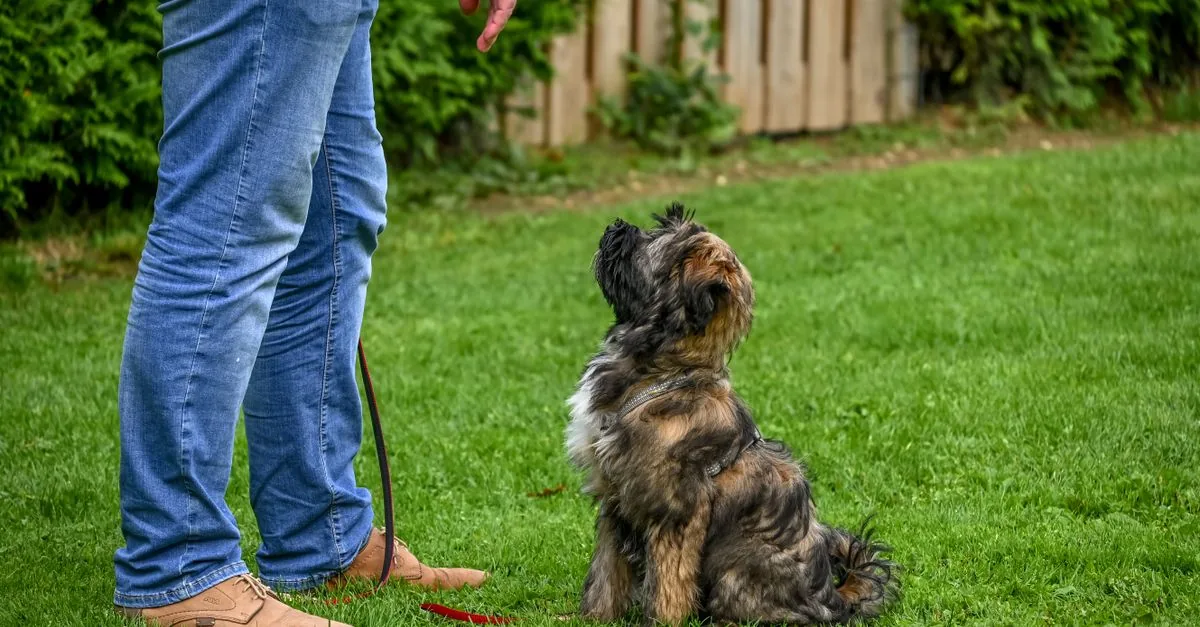
Teach leave it starting with a closed fist holding a treat: when the dog stops trying to get it and moves their nose away, reward them with something different from your other hand. Gradually progress to an item on the floor, then to real-world situations. Leave it is a command that can prevent your dog eating something toxic or darting into traffic.
Leave it is a command that can genuinely save a life. Carrion on a path, rat poison in the bushes, a piece of chocolate under a bench - a dog who hears "leave it" and backs off is a far safer dog. And a far less stressed owner.
Why Leave It Matters So Much
Dogs explore the world through their nose and mouth. For them, anything interesting on the ground is a candidate for tasting. The problem is that on a walk you can encounter:
- Toxic plants - such as yew, ivy, lily of the valley, whose parts are poisonous to dogs
- Rodent bait - left in parks or near bins
- Carrion and food waste - which can cause serious poisoning
- Dangerous objects - broken glass, sharp metal, batteries
Leave it is the first line of defence - faster than a vet visit.
Leave It vs Drop It
Leave it - prevention: the dog is interested in something but has not yet taken it. Drop it (or "give") - reaction: the dog already has the item in their mouth.
Both are necessary. This article focuses on leave it - the exercise that teaches your dog to consciously disengage from a tempting object.
How to Teach a Dog Leave It - Step by Step
Step 1. Closed Fist - The Foundation
Take a treat and close it in your fist. Hold it out for the dog. The dog will sniff, lick, paw, and try to get the treat. Wait without reacting. The moment the dog moves their nose away or takes even a small step back - immediately reward them with a different treat from your other hand or pocket (not the one in the fist).
Repeat until the dog consistently backs away from the fist almost immediately. Add the word "leave it" just before presenting the fist.
Step 2. Open Palm - Raise the Stakes
Once the dog responds to "leave it" with a closed fist, place a treat on an open palm. When the dog moves toward it - close your hand. When they back off - reward from your pocket. Repeat until the dog pauses at the sight of the open palm with a treat on the word "leave it" alone.
Step 3. Treat on the Floor
This is the hardest stage - the item is on the ground and the dog can get there quickly. Place a treat on the floor and stand over it with your foot - the dog physically cannot reach it. When they disengage - reward from your hand. Gradually move your foot away, giving the dog the chance to "choose" leave it without the physical barrier.
Step 4. Add Distance and Different Items
Practise with different objects: toys, a piece of bread crust, a plastic bottle. Practise at different distances - dog on a lead 2 metres from the item. Every new object and every new location is a fresh exercise for your dog.
Step 5. Proofing in the Real World
Once leave it works reliably at home, take it outside. Start with simulated scenarios - throw a treat on the path and give the cue. Then practise in near-real situations: something interesting on a trail, another dog with food, rubbish at the kerb.
Important: in the field, use your highest-value rewards. The reward must be more attractive than whatever the dog is being asked to leave.
Proofing Progression Table
| Stage | Difficulty | What You Are Training |
|---|---|---|
| Closed fist | Low | Basic disengagement reflex |
| Open palm | Medium | Control with a visible reward |
| Treat on floor (foot covering it) | Medium | Transfer to ground-level items |
| Treat on floor (no barrier) | High | Full self-control |
| Various objects indoors | High | Generalisation |
| In the field (treats, rubbish, carrion) | Very high | Real-world proofing |
Leave It and Fetch - They Work Together
If you are teaching your dog to fetch, leave it feeds directly into the "drop it" cue - the dog brings an item and releases it on signal. Both commands teach the dog that letting go brings a reward - a critical lesson for dogs that tend to grab and hold.
It also makes sense to combine leave it with recall - if your dog is already sniffing something suspicious, leave it followed by a recall is the combination that pulls them out of a dangerous situation fast.
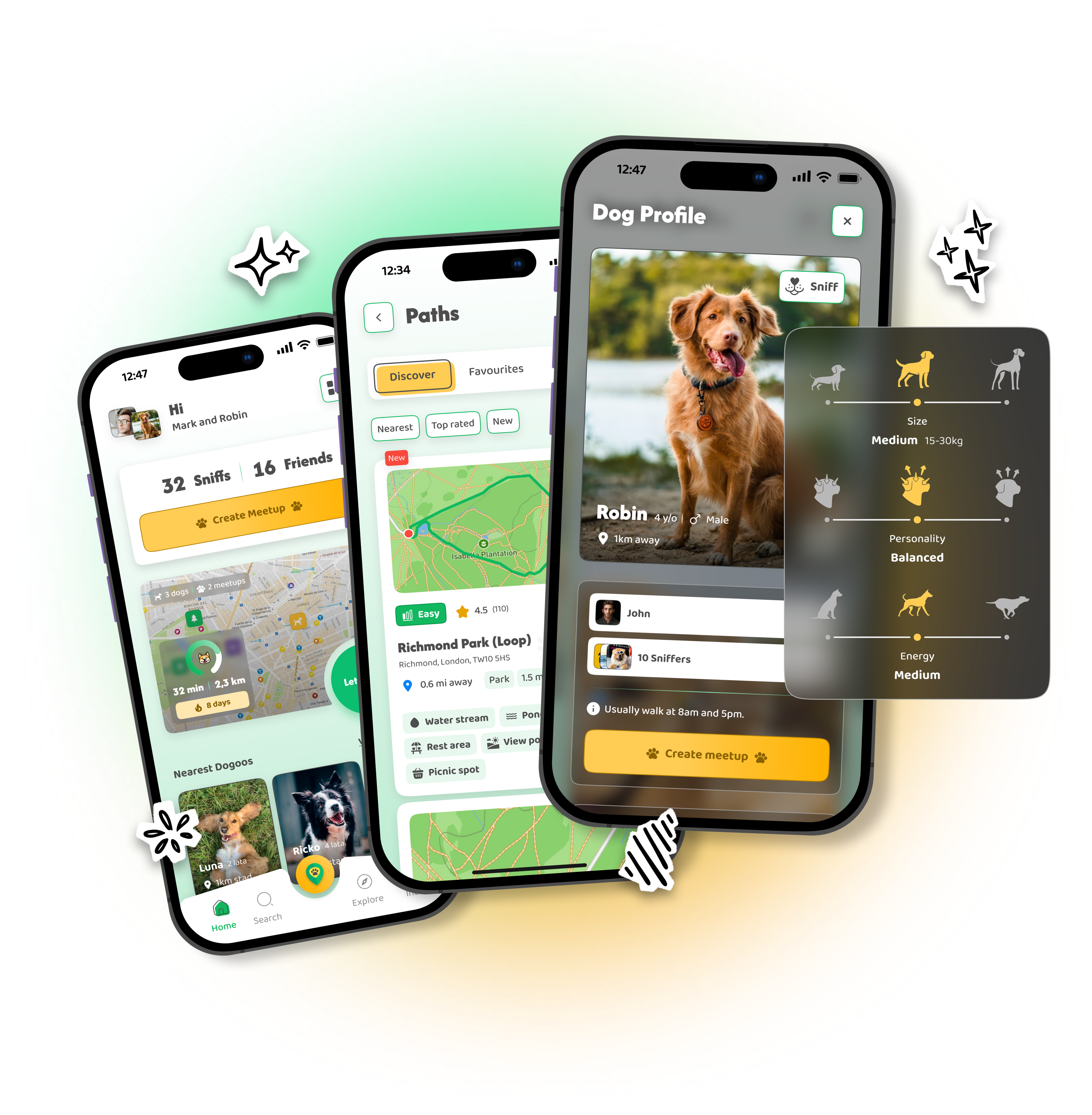
A dog with a solid leave it can explore the world freely on every walk - and you can relax instead of monitoring every step. Check the DOGOUT map for parks and off-leash areas near you that are good for field proofing, and start building that reliability where your dog already feels comfortable.
Frequently asked questions
- What is the difference between leave it and drop it?
- Leave it prevents the dog taking an item in the first place - you use it when the dog is approaching or showing interest but has not picked it up yet. Drop it (or 'give') tells the dog to release something already in their mouth. Both are important and complement each other.
- What should I do if my dog grabs something before I can say leave it?
- Do not chase or snatch - this often makes the dog grip harder or run away. Instead use a drop it cue or offer a trade with something more valuable. Leave it is trained as a preventive skill so it works BEFORE the dog grabs.
- Does leave it work for toxic items and hazards?
- A well-trained leave it works on any object - food on the ground, rubbish, carrion, toxic plants. It requires consistent practice and proofing in real environments though. It is a skill you build over time, not a switch that works immediately.
- How quickly will my dog learn leave it?
- The basics with a closed fist are visible after 2-3 short sessions. Moving to an item on the floor takes a few days. A reliable leave it in the real world with strong distractions takes weeks of consistent work.
- Can I use punishment when teaching leave it?
- No. Punishment when teaching leave it often causes the dog to grab faster rather than back off, because the dog learns that a human approaching is a signal to act quickly. Positive methods (rewarding disengagement) are both safer and more effective.
- My dog ignores leave it on walks - what should I change?
- Check whether the reward you use in training is more attractive than what the dog wants to grab. Out on a walk the motivation level changes dramatically. Use the highest-value reward your dog knows, and go back to simpler exercises at home before rebuilding in the field.