

Canicross With a Dog - Where to Start Before You Buy Kit
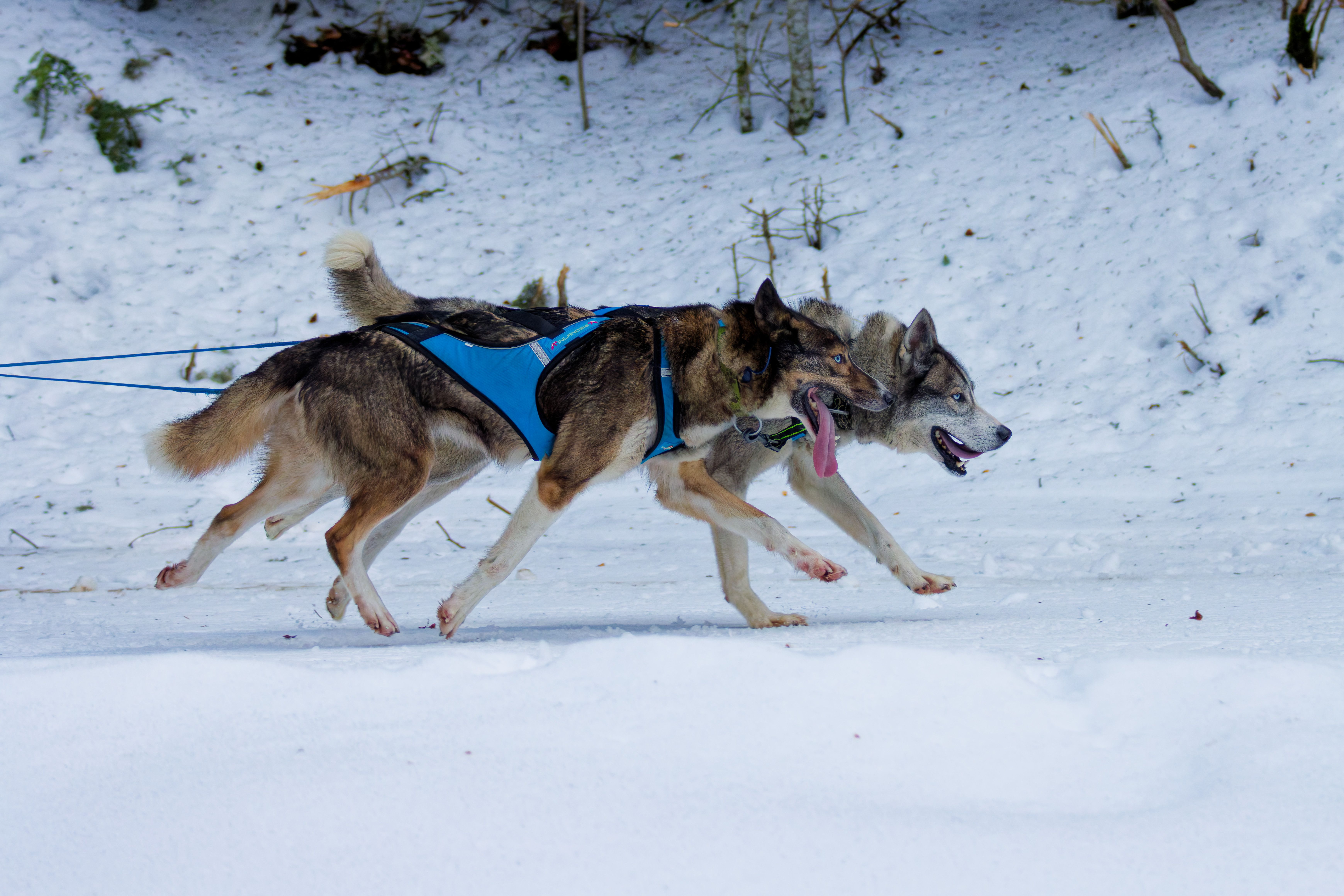
Canicross is running with a dog connected to the runner by a bungee line: the dog wears a pulling harness, the human a waist belt, and the line is usually 2-2.5 metres and stretches to absorb jolts. You start once the dog has finished growing, roughly 12-18 months depending on breed, and after a vet check. It is a cold-season sport: above roughly 15 degrees the overheating risk rises faster than most people expect. Flat-faced breeds are out.
Canicross spent years as a niche for people with huskies. It now turns up regularly on ordinary forest paths, and rightly so: it is one of the few sports where the dog is not an accessory to your training but the second athlete.
If you are considering it this autumn, start with this rather than with the shop.
What it actually is
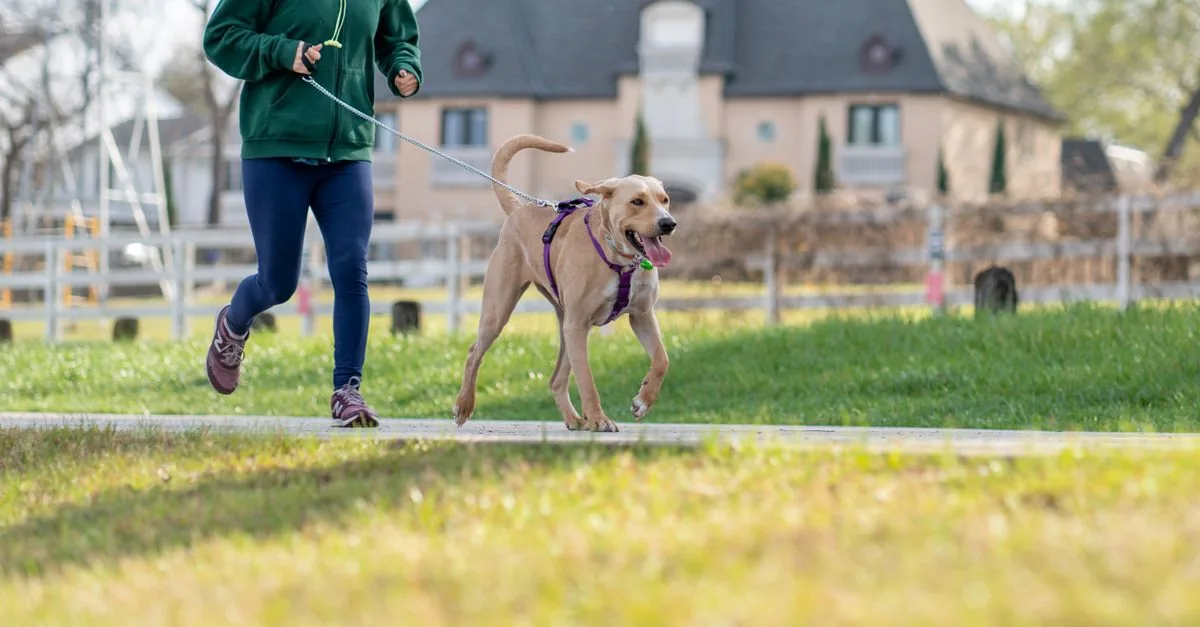
Canicross is running with a dog connected to the runner by a bungee line. The dog runs in front and pulls; you run behind. That is the key difference from ordinary running with a dog at heel, where the dog adapts to your pace.
The setup is always the same and has three parts:
| Item | What it does |
|---|---|
| pulling harness for the dog | spreads the pulling force across the chest rather than the neck |
| waist belt for the human | transfers force to your hips rather than arms and spine |
| bungee line, 2-2.5 m | stretches and absorbs jolts at both ends |
You do not run off a collar. Ever. Force transferred to the neck of a running, pulling dog is a direct route to injury. Ordinary walking harnesses are not built for this either, since they restrict shoulder movement.
Before you buy anything
Three questions, in this order.
Has your dog finished growing? Roughly 12-18 months, later in large breeds. Distance running on open growth plates is a load you do not see immediately and cannot undo later.
Has a vet seen this? Particularly with breeds predisposed to dysplasia and with a dog that has never run regularly. A short appointment before the season is cheaper than everything that follows a bad one.
Is your dog suited to it at all? Flat-faced breeds are out on breathing grounds. Dogs carrying excess weight or with joint or heart problems need other things addressed first. Very small breeds generally no, more because of distance than technique.
Temperature matters more than distance
This is what surprises beginners most. Dogs cool primarily by panting, not sweating. Running, in a harness, in a coat, under exertion, their ability to shed heat is far more limited than yours.
In practice: the colder the better. Above roughly 15 degrees the risk climbs quickly, and at 20 or more in sun, distance running with a dog is simply a bad idea regardless of fitness.
That is why in this climate canicross is an autumn-to-spring sport. September is a good moment to start, with a whole season ahead of you.
How to start without disappointment
- Kit first, no running. Harness on, go for a walk, reward. Several times, so the harness means good things.
- Then walk in the setup. Dog in front, light tension on the line, you walking. You are teaching the arrangement, not the pace.
- Short running sections. Two or three minutes of jogging alternating with walking. Better to stop too early than too late.
- Distance last. Build gradually, same rule as for walks, around 10 percent a week. We set that out in how many kilometres should a dog walk.
Pulling versus loose-lead walking
The most common worry: "I taught my dog not to pull, and now I should encourage it?"
These reconcile, through a clear distinction in kit. The pulling harness means: we run, pull. The collar or walking harness means: we walk normally, loose lead. Dogs learn that distinction faster than most people expect, provided you are consistent and never use one piece of kit for both.
Practical notes
- Do not feed right before a run. The gap after a meal matters, particularly in deep-chested breeds.
- Water afterwards rather than during, and not ice cold.
- Check paws after every run. Forest ground is forgiving; gravel and frozen earth are not.
- Winter: watch for road salt on any urban sections.
- Pick a route away from traffic. A dog running ahead on a stretchy line needs predictable ground.
If you would rather start with something calmer, the natural predecessor is running with your dog, and longer trips on foot are covered in dog trekking.
Finally
Canicross has one advantage that cannot be faked: the dog comes home genuinely tired and genuinely pleased, because it was doing what many dogs are built for. Start slowly, in the cold, after a check-up and on the right kit. The rest follows.
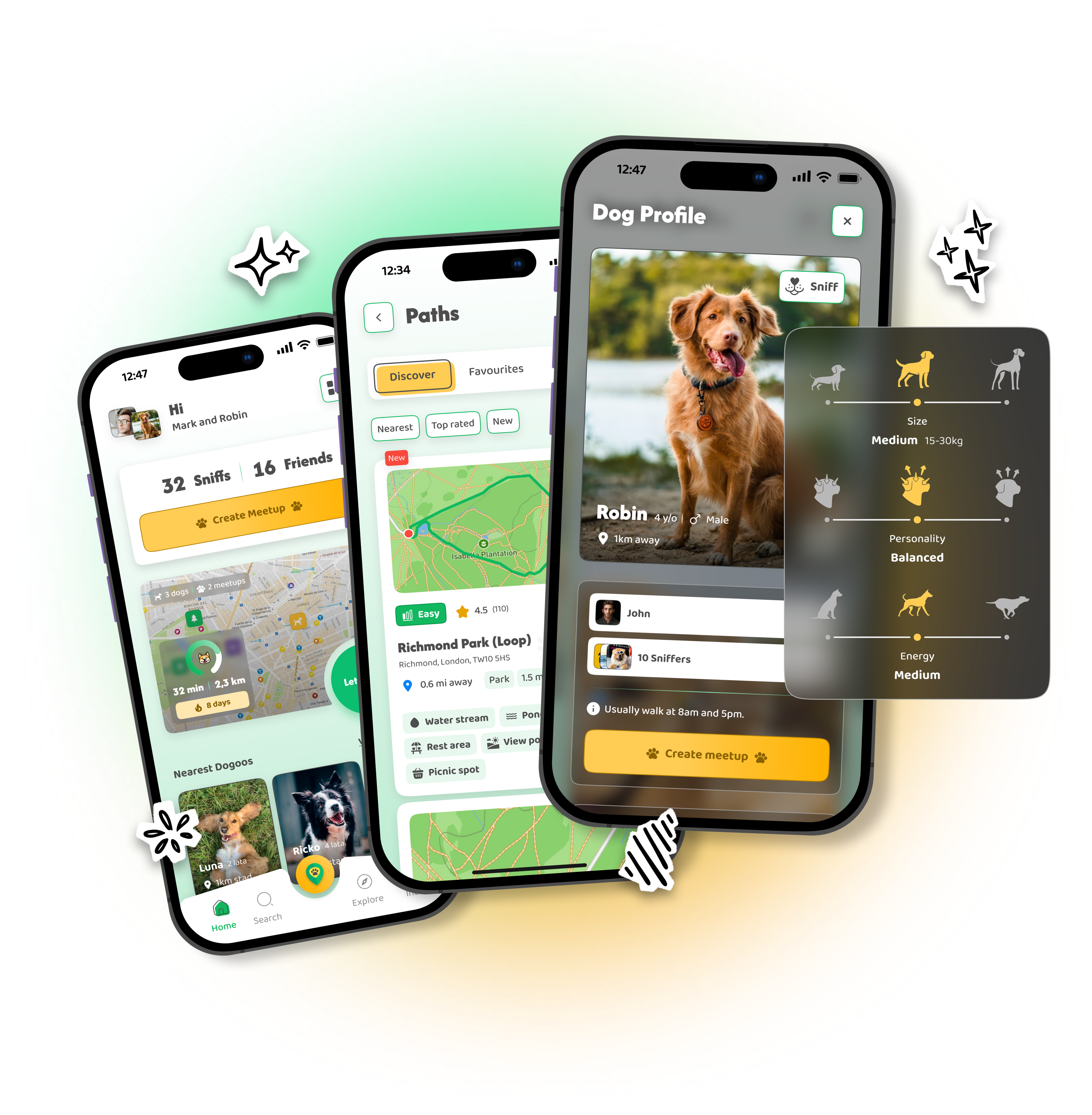
DOGOUT records your route, distance and time, so you can watch the form build across the season. Grab the lead: September is the best moment to start.
Frequently asked questions
- How does canicross differ from ordinary running with a dog?
- The dog is connected to the runner by a bungee line and runs in front, pulling. In ordinary running the dog stays at heel on a lead attached to a collar. Different kit, different technique, different load on both of you.
- What age can a dog start canicross?
- After it has finished growing, roughly 12-18 months, later in large breeds. Have a vet check the joints first, particularly in breeds predisposed to dysplasia.
- What kit do you need to start?
- Three things: a pulling harness for the dog, a waist belt for you, and a bungee line usually 2-2.5 metres long. You do not run off a collar or an ordinary walking harness.
- What temperature is safe for running with a dog?
- The colder the better. Above roughly 15 degrees the overheating risk climbs quickly, because dogs cool mainly by panting rather than sweating. In this climate canicross runs from autumn to spring.
- Is canicross suitable for every dog?
- No. Flat-faced breeds are out on breathing grounds, as are dogs with joint or heart problems and dogs carrying excess weight. Very small breeds too, more because of distance than technique.
- Does the dog have to pull?
- Yes, and that is a feature rather than a flaw. Pulling is part of the sport, which confuses dogs taught loose-lead walking. A clear kit distinction helps: harness means we run, collar means we walk politely.