

How Many Kilometres Should a Dog Walk a Day - And Why That Is the Wrong Question
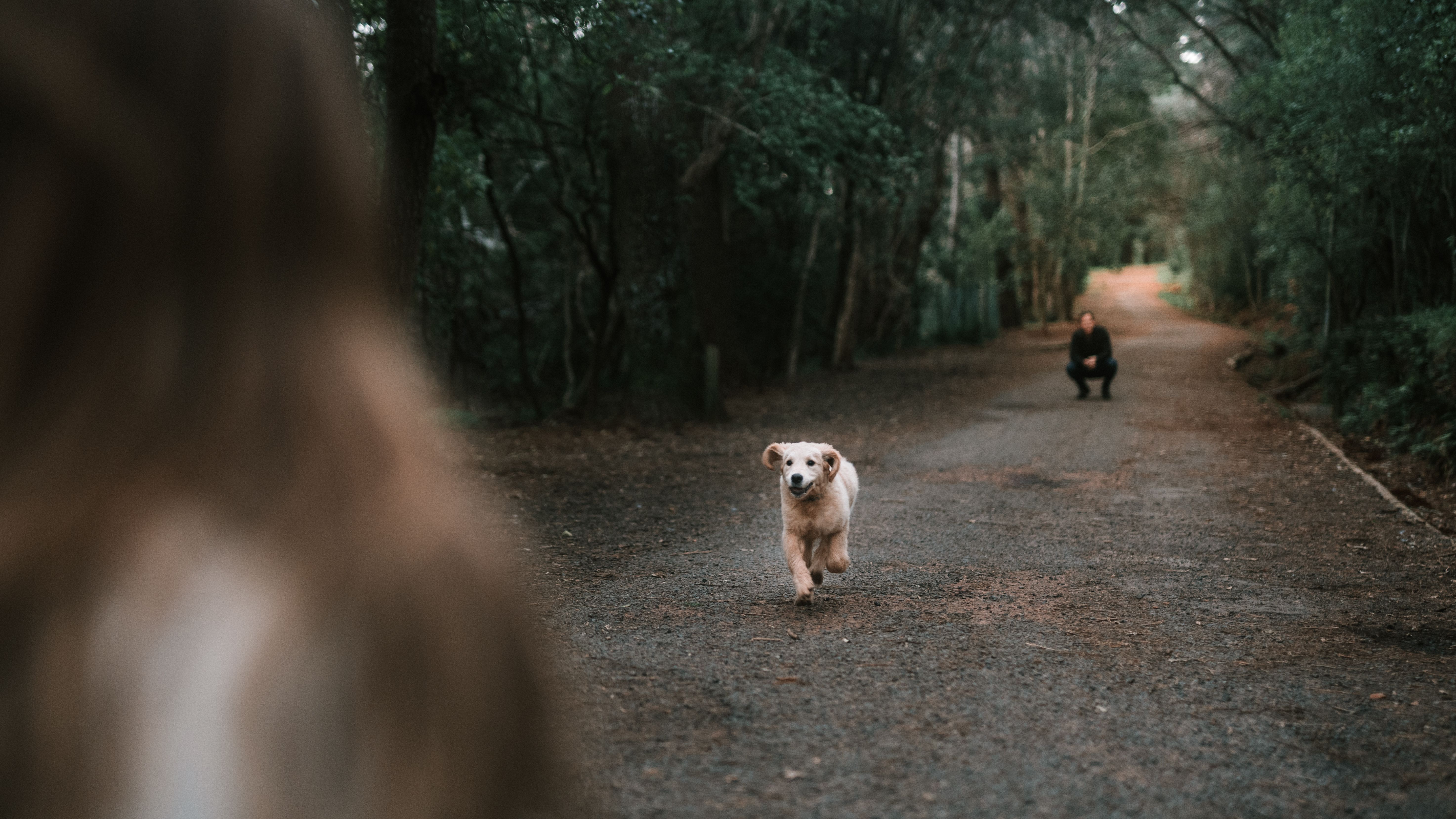
There is no single distance that suits every dog. A healthy adult medium-sized dog usually sits somewhere between 3 and 8 km a day spread across several outings, but a puppy, a senior, a flat-faced breed and a working dog have entirely different needs. What matters more than the raw distance is consistency, pace, surface and how much sniffing the dog gets to do. Build distance up gradually, by roughly 10 percent a week, and watch your dog the next day, because the dog tells you whether it was right, not the tracker.
"How many kilometres should a dog walk" is a question the internet answers with a number and real life answers with "it depends". Not because nobody wants to commit, but because the same route is excellent for a four-year-old border collie and too much for a nine-year-old pug.
We will give you a reference point, then explain why it is only a reference point.
The number to start from
A healthy adult medium-sized dog usually falls between 3 and 8 km a day, spread across several outings. That is a wide range, and the width is the important part.
| Dog | Rough distance | Notes |
|---|---|---|
| growing puppy | strictly limited | short outings, lots of sniffing, no long marches |
| adult, small breed | 2-5 km | pace matters as much as mileage |
| adult, medium breed | 3-8 km | the widest range |
| adult, working breed | 8 km and up | plus mental work; walking alone will not do it |
| flat-faced breed | considerably less | overheating risk, plan for cool hours |
| senior | depends on joints | more often and shorter, not less often and longer |
These figures are indicative and do not replace veterinary advice if your dog has anything going on with joints, heart or breathing.
Why distance is not the whole story
Four things change the load of the same walk more than the kilometres do:
Pace. An hour of slow, sniffing walking and an hour of steady walking to heel are different efforts. The second is often harder, even though it looks calmer.
Surface. Eight kilometres on a forest path is gentler on joints than five on concrete. Tarmac in summer adds heat on top.
Sniffing. A mentally tired dog comes home calmer than a physically tired one. Twenty minutes of free sniffing across a meadow can do more than an hour of steady marching.
Spread. Eight kilometres across three outings is not the same as eight kilometres in one go on Saturday after a week of sitting.
That last point connects to the question of how many outings, which we cover separately in how many walks does a dog need.
Building distance up
The most common mistake is the weekend jump. The dog does 3 km a day all week, then 12 km in the hills on Saturday, and gets up stiff on Monday.
The rule is simple: increase by roughly 10 percent a week. If you are doing 4 km a day now, aim for 4.4 km next week, not 8. It looks slow, and it is, but it builds fitness without a vet bill.
Before a longer trip such as a full-day trail, you want several weeks of gradual building behind you, not one long "test" walk the week before.
How to tell it was too much
Tiredness after a walk is normal. The problem starts the next day:
- reluctance to get up, hanging back at the lead
- stiffness, particularly after lying down
- limping, even mild and temporary
- taking stairs carefully
- lethargy lasting all day
If you see this after every longer route, the distance is too much for your dog's current condition, even if it sits inside the table.
Separately: check the paws. Over longer distances on stone or tarmac, pads can wear before a dog signals anything.
Why measure at all
Without a recorded route most of us are out by tens of percent in both directions. "We went for a longer walk" can mean three kilometres or seven, and the difference is real for the dog.
A recorded distance is useful in three situations: building fitness before a longer trip, returning to form after injury or surgery, and when a vet asks how much your dog actually walks. At that point "oh, normally" helps nobody.
If you are thinking about pace rather than distance, start with running with your dog. Puppies follow different rules, covered in walking a puppy.
The answer in one sentence
As far as your dog can walk today and still get up without stiffness tomorrow, and that number grows if you build it slowly and spread it across several outings.
DOGOUT records your route, distance and walk time, so you are not guessing at how far you actually went. Grab the lead and see what your week really looks like.
Frequently asked questions
- How many kilometres should a dog walk a day?
- A healthy adult medium-sized dog usually sits between 3 and 8 km a day across several outings. Treat that as a reference point rather than a rule: age, breed, build and fitness move it in both directions.
- How is this different from how many walks a dog needs?
- The number of outings covers toilet needs and the rhythm of the day; distance covers physical load. You can have four short outings and low mileage, or two long ones and high mileage, and either can be right for a different dog.
- How fast should you increase distance?
- Gradually, roughly 10 percent a week. Jumping from 3 km to 10 km over one weekend is the most common cause of a limp on Monday.
- How do you know a walk was too long?
- By the dog the next day: reluctance to get up, stiffness, limping, lethargy, taking stairs carefully. Tiredness after a walk is normal; soreness the next day is not.
- Does sniffing replace distance?
- To a large degree, especially for dogs that tire mentally faster than physically. Twenty minutes of free sniffing can tire a dog more than an hour of steady walking to heel.