

Caring for a Senior Dog - What Actually Changes
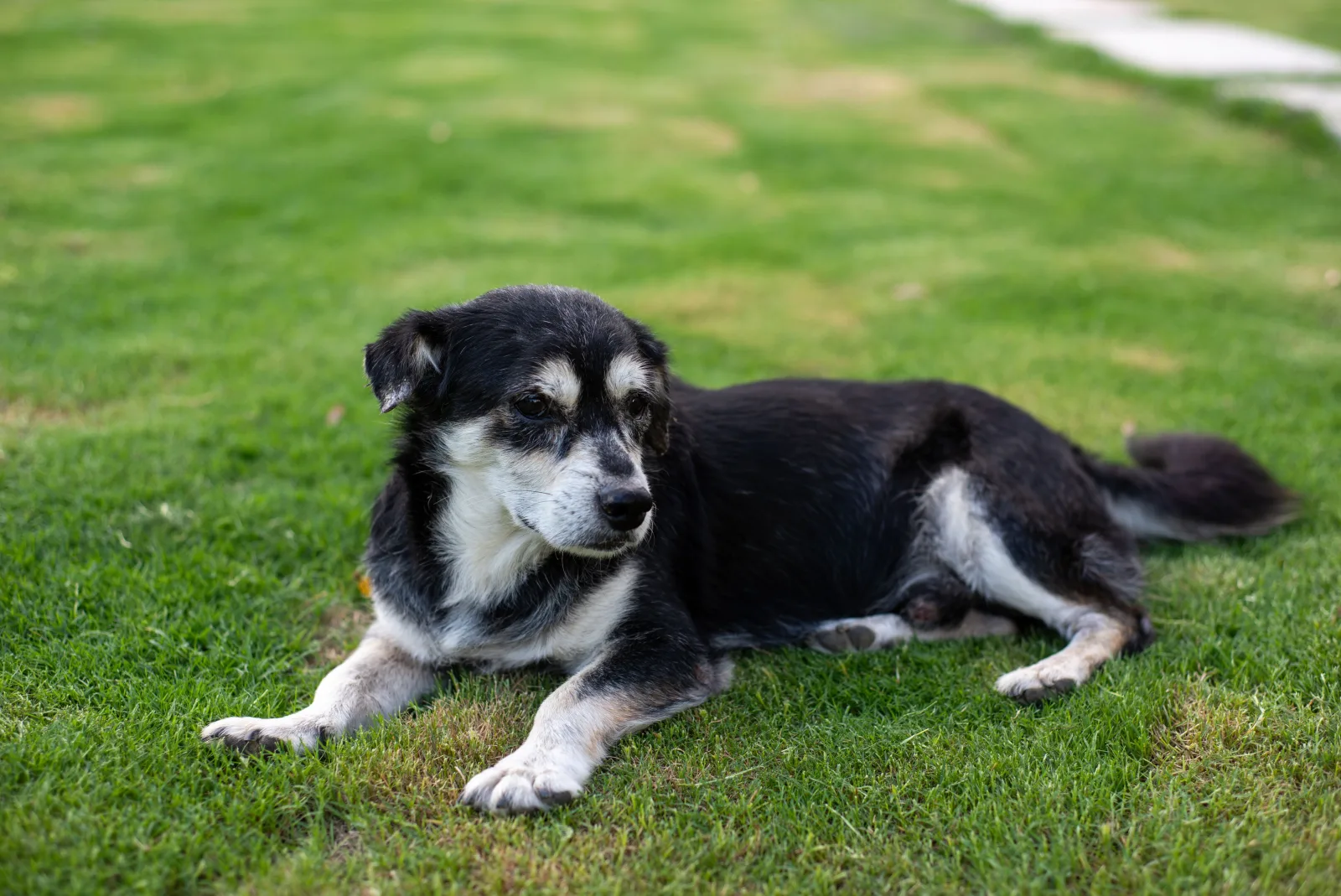
As dogs age, they need more frequent vet checkups - usually every six months instead of once a year - because kidney disease, heart disease and cancer are easier to catch early. Diet changes too: fewer calories, but without losing nutritional value, and exercise shifts toward shorter, calmer walks instead of intense effort. It is also worth watching for signs of cognitive decline - disorientation, changed sleep patterns, new anxiety - these are signals for a vet conversation, not something to write off as 'just old age.'
The dog who used to bolt at the sound of the leash cupboard opening now gets up a little slower. Not suddenly, not dramatically - but noticeably. Aging in dogs is a gradual process, and caring for a senior dog is not one big change, but a series of smaller adjustments across several areas at once.
When a dog actually becomes a senior
There is no single age cutoff - it depends mostly on the dog's size. Large and giant breeds age faster than small ones: a large-breed dog can enter their senior years as early as six or seven, while a small dog often stays fully active until ten or twelve. It is one of nature's odd little paradoxes - a smaller body tends to mean a longer life.
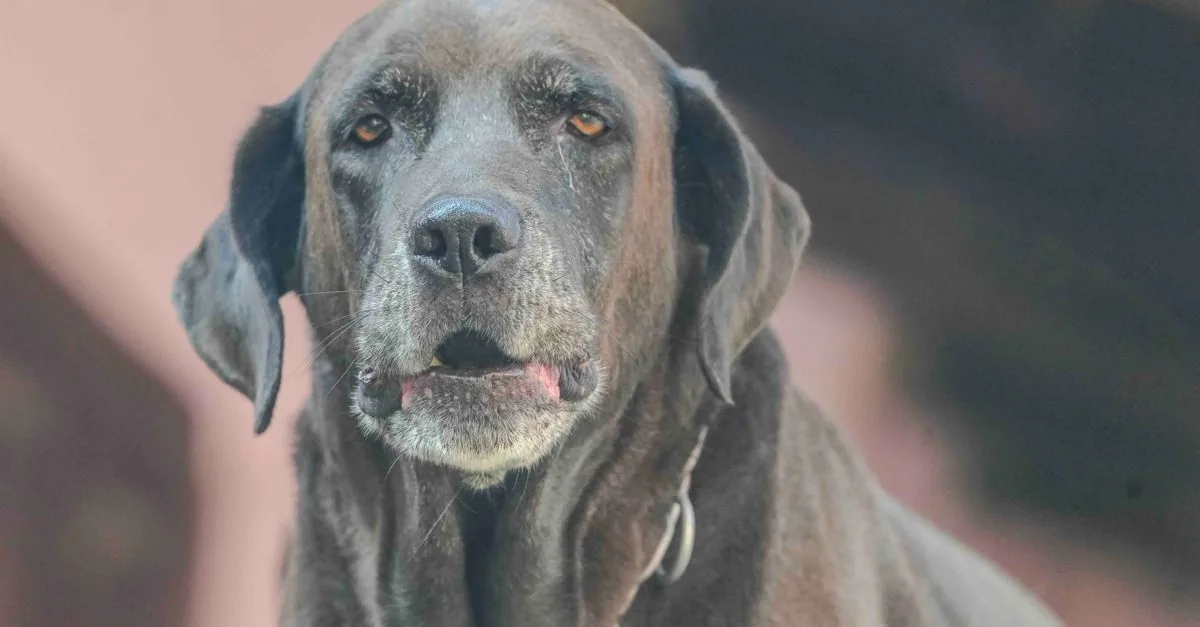
Rather than fixating on a number, watch for specific signals: getting up more slowly, taking longer to recover after a walk, grey hair around the muzzle, less enthusiasm for things that used to excite them most.
More frequent vet visits - not overkill
Most vets recommend checkups every six months for senior dogs, instead of the standard once-a-year visit. The reason is simple: the conditions that most often affect older dogs - kidney failure, heart disease, diabetes, cancer - frequently develop with no clear symptoms in their early stages. Regular bloodwork, urinalysis and basic imaging catch a problem before it becomes serious, and early detection usually means more real treatment options, not just symptom management.
Do not wait for an obvious symptom to show up. A regular checkup is an investment in more good years, not a formality.
Diet - fewer calories, not less value
A dog's calorie needs usually drop with age as activity and metabolic rate decline. That does not mean every nutrient need falls at the same pace, though - protein and joint support can stay just as important, or even become more important, depending on the individual dog's health status.
Always discuss diet changes with a vet rather than making them on your own based on age alone. A senior dog carrying extra weight needs a different approach than a senior dog starting to lose muscle mass - and those two scenarios call for opposite nutritional strategies.
Exercise - less intense, but still regular
The biggest mistake in senior dog care is cutting out walks entirely "because they're old now." Exercise maintains joint mobility, healthy weight and mental wellbeing - stopping it speeds up, rather than slows down, the loss of physical condition.
Instead of long, intense walks, aim for shorter outings several times a day at a relaxed pace. Low-impact activities - a slow walk, swimming, gentle stretching - are especially valuable for dogs with joint changes. Watch how your dog moves after a walk - a clear slowdown, limping or reluctance to go out are signals for a vet, not a reason to push for more effort.
Simple changes at home help too: rugs on slippery floors for better traction, a ramp or steps instead of jumping onto the sofa or into the car, and comfortable orthopedic bedding that supports the joints.
Cognitive changes - easy to miss
Cognitive decline in older dogs is real and shares some features with dementia in humans. Signs worth watching for:
- Disorientation in very familiar surroundings, like standing in a corner of a room without knowing how to get out.
- Disrupted sleep patterns - restlessness and activity at night, excessive drowsiness during the day.
- Increased anxiety or new separation anxiety that was not there before.
- Changes in social interaction - less interest in play, in you, or in other dogs.
Regular mental stimulation - simple scent games, short training sessions, a predictable daily routine - slows the progression of these changes. If you notice these signs, talk to your vet. Some changes can be slowed or eased, but they need to be recognized first, not dismissed as "just old age."
Sensory changes that are easy to dismiss
Declining sight and hearing are a natural part of aging in dogs, just as in humans - and just as in humans, the decline is often gradual enough to go unnoticed until it becomes obvious. A dog who stops responding when called from another room has not necessarily "stopped listening" in the obedience sense - they may simply be hearing less well. A dog who starts bumping into familiar objects after dusk may be losing visual sharpness, especially in low light.
Practical adjustments are simple: use clear visual cues (like stomping on the floor) alongside voice commands if you suspect hearing loss, and try not to rearrange furniture or the layout of spaces your dog is used to if you notice their eyesight declining.
Adapting the home - specific changes that help
Beyond rugs on slippery floors and a ramp instead of jumping, a few more changes are worth considering:
- Raised food and water bowls - make eating and drinking easier for dogs with neck or spine discomfort, common in older dogs.
- Extra, easily accessible beds in a few rooms of the house, so your dog does not have to travel far to their one favourite resting spot.
- A consistent schedule for meals and walks - a predictable routine reduces anxiety, especially in dogs showing early signs of cognitive decline.
- Night lighting in the hallway or by the door if your dog wakes at night needing to go out - worsening night vision is a common, underappreciated issue.
Care that adapts, not care that stops
An older dog does not need less attention - they need different attention. More frequent checkups, adjusted diet, calmer but still regular exercise, and close attention to behavioural changes together add up to care that keeps pace with your dog, instead of sticking to a routine from years ago. For more on how much dogs sleep at different ages, see our article on how much dogs sleep.
Time together still counts
Even a calmer, shorter walk is still time spent together - and that is what matters most to a dog, regardless of age. If you are looking for gentle, quiet routes near you that match an older dog's pace, check the DOGOUT map - you will find spots tagged by other owners, including plenty of calm corners perfect for a slower walk.
Frequently asked questions
- At what age is a dog considered a senior?
- It depends on size and breed. Small dogs typically enter their senior years after age 10-12, medium dogs after 8-10, and large or giant breeds as early as 6-7. Larger dogs age faster than smaller ones - one of the few consistent rules in this area.
- How often should a senior dog see the vet?
- Most vets recommend checkups every six months for senior dogs, instead of the standard once-a-year visit. More frequent bloodwork, urinalysis and basic imaging catch kidney disease, heart disease, diabetes or cancer earlier - and early detection usually means more real treatment options.
- Does an older dog need different food?
- Often, yes. Calorie needs usually drop with age alongside lower activity and a slower metabolism. But that does not mean every nutrient need drops at the same rate - protein and joint support can remain just as important, or even more so, depending on the individual dog's health. Always discuss diet changes with a vet rather than making them based on age alone.
- How do I recognize cognitive decline in an older dog?
- Canine cognitive dysfunction shares some features with dementia in humans: disorientation in familiar surroundings, disrupted sleep (activity at night, drowsiness during the day), increased anxiety, changes in social interaction. Regular mental stimulation and a predictable routine slow the progression of these changes.
- Should a senior dog walk less?
- Less intensely, but not less often. Shorter, calmer walks several times a day maintain joint mobility, healthy weight and mental wellbeing. Stopping exercise entirely speeds up, rather than slows down, the loss of physical condition.