Do Dogs Dream? Inside a Sleeping Dog's Brain
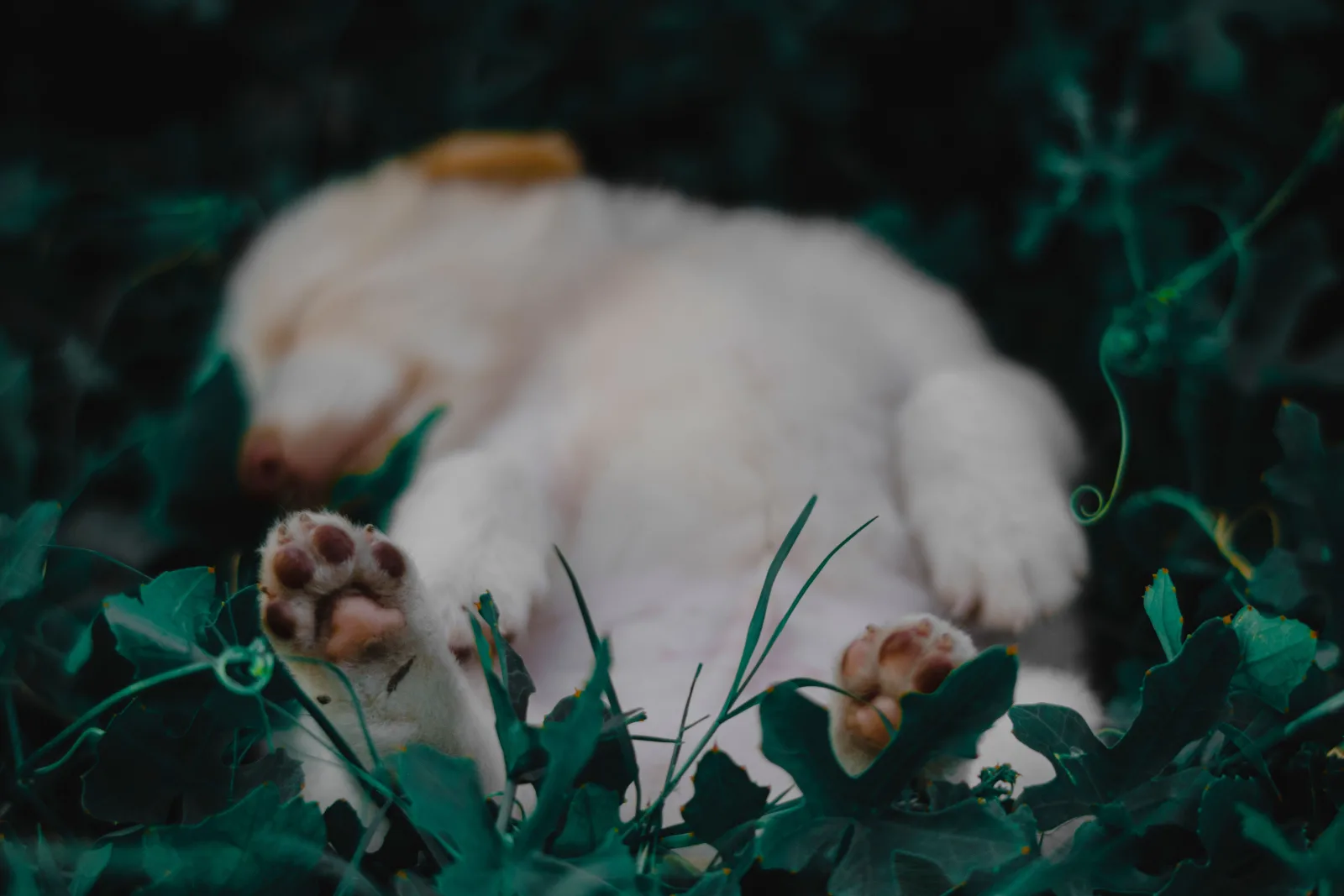
Most likely, yes - dogs go through REM sleep just like humans do, and the electrical brain activity recorded during that phase looks a lot like human dream sleep. A dog's sleep cycle is much shorter than ours, though - about 20 minutes - so a dog enters REM sleep 15 to 20 times a night, compared to 4 to 6 times for a human. Twitching paws, moving eyelids and muffled sounds during sleep are likely the physical echo of whatever is happening in a sleeping dog's brain.
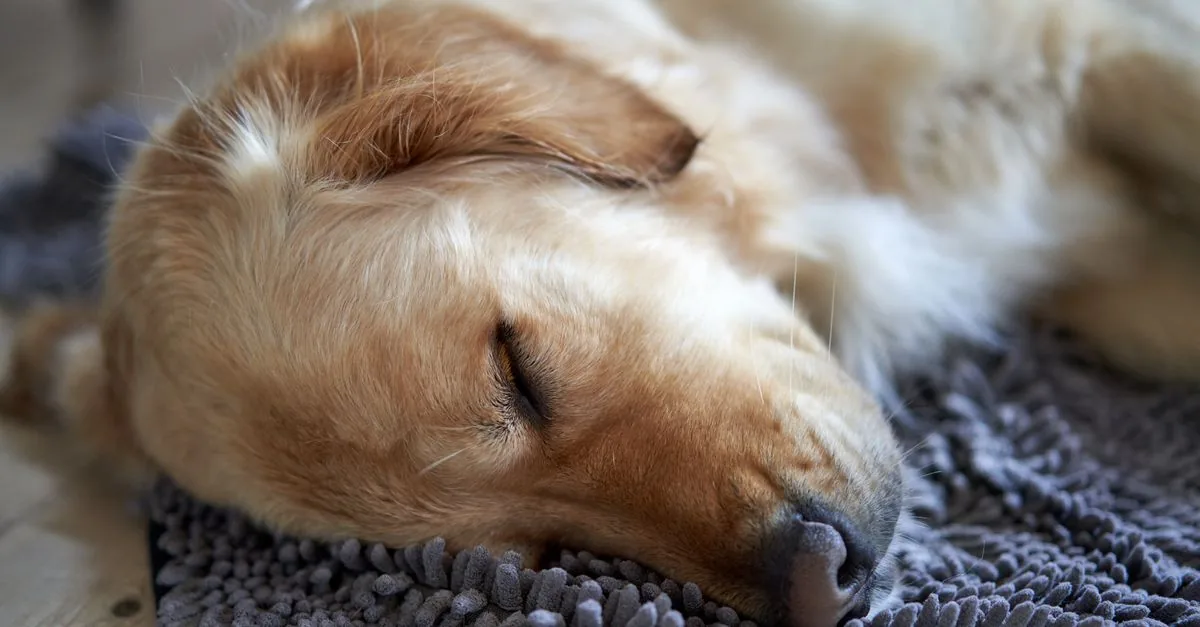
Your dog is asleep beside you, paws twitching slightly, eyes moving faintly under closed lids, and every so often a muffled little bark escapes. It looks like they are chasing something in a dream - and current science suggests that is probably exactly what is happening.
What brain activity during sleep actually shows
Sleep unfolds in several stages, and the one most relevant to dreaming is REM (rapid eye movement) sleep - in humans, this is where the vast majority of the dreams we remember upon waking take place. Studies of electrical brain activity in dogs show a pattern very similar to human REM sleep - strong evidence that dogs dream too, though it cannot be proven with absolute certainty, since you cannot simply ask a dog what they saw.
Additional support for this idea comes from rat studies conducted at MIT. Researchers recorded neuron activity in a rat's hippocampus while it ran a specific maze during the day, then compared it to the same rat's neuron activity during a subsequent REM sleep episode. The activity patterns were similar enough that researchers could predict, with reasonable confidence, which part of the maze the rat was "running" in its sleep. That is not direct proof for dogs, but it is strong circumstantial evidence that mammalian brains process and "replay" the day's experiences during REM sleep.
A shorter cycle, more chances to dream
One of the more interesting differences between dog and human sleep is cycle length. Humans move through a sleep cycle - light sleep, deep sleep, REM, and back - roughly every 90 minutes, giving 4 to 6 cycles across a typical night. A dog's cycle is much shorter, around 20 minutes, meaning that across the same number of sleeping hours, a dog passes through REM as many as 15 to 20 times.
The practical consequence: statistically, a dog gets more chances to enter the phase where dreaming most likely happens than a human sleeping the same number of hours - even though each individual REM episode is shorter for a dog than for a human.
Where the twitching paws and muffled sounds come from
During REM sleep, skeletal muscles are usually partly paralysed - a natural mechanism that, in humans, prevents the body from physically "acting out" dreams. In dogs, this mechanism works similarly, but not always completely, which is why you sometimes see twitching paws, moving eyelids, and occasionally hear muffled growls or whimpers. This is likely the physical echo of whatever is happening in the sleeping brain - it does not automatically mean a bad dream, though sometimes it might be one.
Should you wake a dog who looks unsettled in their sleep
The instinct to comfort a dog who looks like they are having a nightmare is natural - but it is usually better to hold off. Suddenly waking a dog mid-intense-sleep can disorient them, and in rare cases trigger a reflexive, defensive reaction before they fully wake up and recognise their surroundings. If you want to gently interrupt a restless sleep, say your dog's name from a safe distance instead of touching or shaking them.
Do puppies and older dogs dream differently
Sleep observations in dogs suggest puppies and older dogs spend proportionally more time in REM sleep than adult dogs in their prime. It is a pattern also seen in humans, where infants and older adults have a different balance of sleep stages than middle-aged adults. If you are curious how much a dog should sleep at different ages, see our article on how much dogs sleep.
What this means
We will never know exactly what a specific dog dreams about - but the science gives solid grounds to believe something is going on in their head while they lie curled up with twitching paws. It is one more piece of evidence for just how rich and complex a dog's inner world really is, even in moments when they look completely inactive.
And if you want to give your dog more material to process while they sleep - new smells, new routes, new encounters - open DOGOUT and see what is happening near you today.
Frequently asked questions
- Has it been scientifically proven that dogs dream?
- Not with absolute certainty - you cannot ask a dog what they saw in a dream. But the pattern of electrical brain activity recorded in dogs during REM sleep closely resembles the human pattern, and REM is exactly the phase where most human dreaming happens. That is strong circumstantial evidence, though not proof in the strictest sense.
- How long is a dog's sleep cycle?
- Much shorter than a human's - about 20 minutes, compared to a roughly 90-minute human cycle. That means a dog passes through REM sleep as many as 15 to 20 times a night, instead of 4 to 6 times like a human.
- Why do dogs move their paws and whimper in their sleep?
- This is likely a physical side effect of brain activity during REM - similar to the muscle twitches humans experience during intense dreams. Skeletal muscles are partly paralysed during REM, but not always completely, which is why some movement gets through.
- Should I wake a dog who looks like they are having a bad dream?
- Usually not - waking a dog mid-sleep, even a restless one, can disorient them or trigger a sudden defensive reaction. If your dog seems to be genuinely distressed (whimpering intensely for a while), say their name gently from a safe distance instead of touching them.
- Do puppies and older dogs dream differently?
- Observations suggest puppies and older dogs spend more time in REM sleep than adult dogs in their prime - a pattern also seen in humans, where infants and older adults have a different sleep-stage balance than middle-aged adults.