Dog Bite First Aid - What to Do Right Away
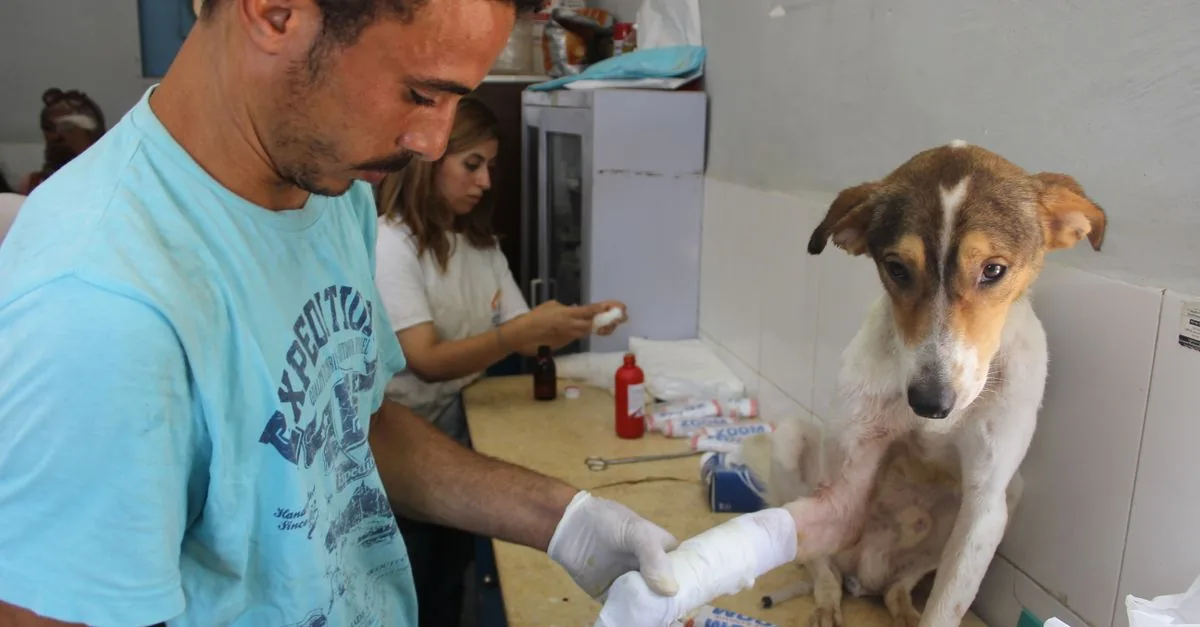
After a dog bite, wash the wound under running water with soap for several minutes, stop any bleeding with a clean dressing, and raise the injured limb. See a doctor right away if the wound is deep, bleeding heavily, on the face, hand, or a joint, if you don't know the dog's vaccination history (rabies risk matters here too), or if it has been more than 5 years since your last tetanus booster - a bite counts as a tetanus-prone wound, so the threshold is shorter than for a clean scrape. Even a minor wound needs a few days of watching - redness, swelling, and pus are signs of infection.
A dog bite calls for a calm, methodical response, not panic. Dog bite first aid comes down to three steps: cleaning the wound thoroughly, stopping the bleeding, and deciding whether a doctor's visit is needed. Below is a concrete step-by-step routine, what to know about infection and tetanus risk, and how to tell when home care is enough versus when you shouldn't wait.
What to do right away after a dog bite
The first few minutes matter most - that's when you cut infection risk the most effectively.
- Stay calm and move away from the dog. If it isn't your own dog, don't try to punish or chase it - just step back to avoid a second bite.
- Wash the wound under running, lukewarm water with soap for several minutes. This is the single most important step - rinsing mechanically flushes out saliva and debris, the main source of infection.
- Stop the bleeding. Press a clean gauze pad or dressing against the wound and hold steady pressure for a few minutes without lifting it repeatedly to check.
- Raise the injured limb above heart level if you can - this reduces swelling and bleeding.
- Cover the wound with a sterile dressing. Don't seal it tightly with a plaster - bite wounds are usually dressed loosely so they can drain and stay easy to watch.
- Skip home remedies like straight alcohol on an open wound, random ointments, or trying to close torn skin yourself.
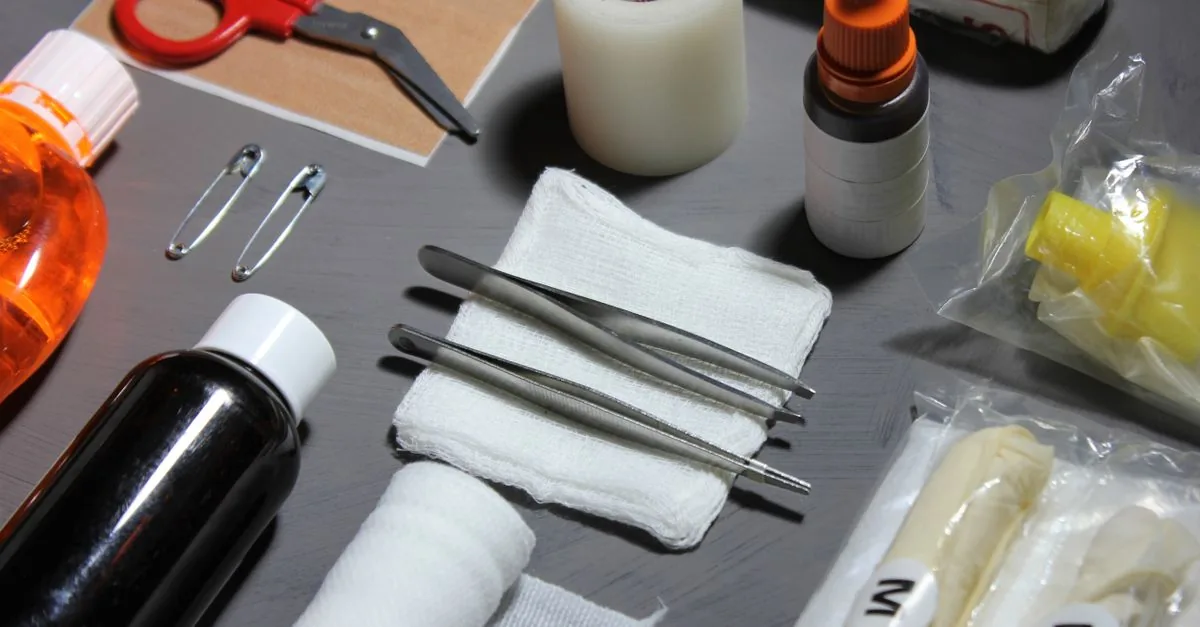
If you keep a well-stocked dog first aid kit at home, several of the same basics - sterile gauze, a bandage, disinfectant - work just as well for a human injury.
When to see a doctor versus when watching is enough
Not every bite needs an ER visit, but some situations shouldn't wait.
See a doctor right away if:
- the wound is deep, ragged, or still bleeding heavily despite pressure,
- the bite is on the face, hand, foot, a joint, or near the groin,
- you don't know the dog or its vaccination history (especially a stray or unfamiliar dog),
- it's been more than 5 years since your last tetanus booster (a bite counts as a tetanus-prone wound, so the threshold is shorter), or you're not sure when it was,
- the person bitten is a child, an older adult, or someone with a weakened immune system,
- you notice significant pain, numbness, or trouble moving the injured area.
For a shallow scrape with no torn tissue, in a healthy adult with an up-to-date tetanus shot, thorough washing and a few days of watching are often enough. When in doubt, check with a doctor or pharmacist rather than guessing.
Tetanus after a dog bite - is it a real risk?
Puncture wounds from bites are a classic entry point for tetanus bacteria, since they're deep, poorly oxygenated, and often carry debris. Most bites count as tetanus-prone wounds, so a shorter 5-year booster threshold applies to them (the 10-year rule is only for clean, minor cuts). The doctor makes the final call based on your vaccination history.
| Situation | Typical guidance |
|---|---|
| Full vaccination course, last booster within 10 years, clean shallow wound | usually no booster needed |
| Bite, deep, or dirty wound, and last booster more than 5 years ago | doctor may recommend a booster |
| No documented vaccination history, or uncertain | full consultation, doctor decides |
Don't try to judge for yourself whether a booster is needed - a doctor can verify this quickly on the spot once they know your vaccination record.
Rabies - when timing matters most
Rabies is the most serious risk from an animal bite - once symptoms appear it is almost always fatal, but post-exposure vaccination given in time is highly effective. That's why timing is everything. If you were bitten by an unfamiliar, stray, or wild dog, or one whose vaccination status you can't confirm, get medical care as soon as possible - the doctor will decide whether post-exposure prophylaxis is needed. Pet dogs are usually vaccinated against rabies, so the risk is low with a known, vaccinated animal, but it's still worth confirming the dog's vaccination history. If you can, note down the owner's details - proof of the dog's rabies vaccination helps the doctor make the call.
How long does a dog bite wound take to heal?
Healing time depends on how deep the wound is:
- A shallow scrape - usually 7-10 days, assuming no infection sets in.
- A deeper puncture wound, possibly closed with stitches - 2-3 weeks to close, with full tissue recovery taking longer.
- An infected wound - healing slows down significantly, which is why watching the wound in the first week matters as much as the initial first aid.
Dog bite wound is swelling - when is it a concern?
Mild swelling in the first few hours after an injury is a normal tissue response and isn't a red flag on its own. Swelling that keeps building after 24-48 hours is a concern when it comes with:
- redness spreading beyond the wound itself,
- noticeably warm skin around the wound,
- pus, yellowish, or foul-smelling discharge,
- throbbing pain,
- fever or feeling generally unwell.
In that case, a medical check - often with antibiotics - is necessary. Infected bite wounds don't clear up on their own, and waiting only raises the risk of complications.
Why do dogs bite? A quick look at context
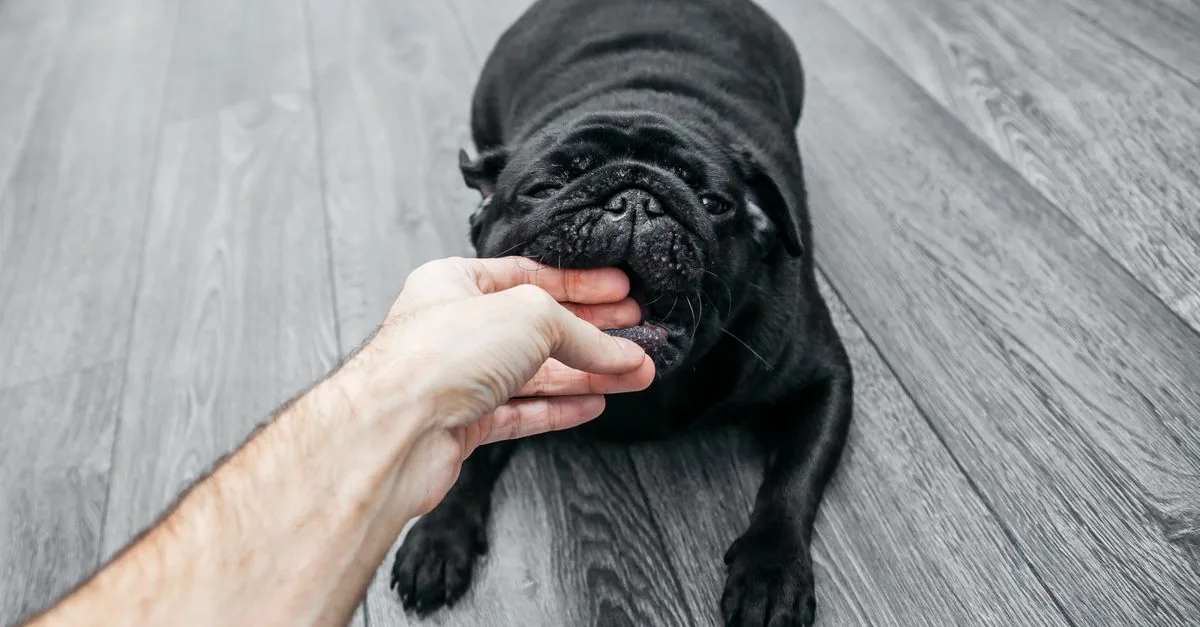
A bite rarely comes out of nowhere. It's most often a defensive reaction - a dog that's frightened, startled by pain, guarding resources, or cornered with no way out. Understanding the context helps prevent a repeat and tells you whether it was a one-off incident or a sign of something bigger. If your own dog growls or snaps in specific situations, it's worth reading about why dogs growl and what it signals. Puppy biting has a completely different root cause than adult-dog biting - more on that in the article on why puppies bite. If you're seeing recurring aggression instead, including growling at people or other dogs, the piece on dog aggression covers the different types and when to bring in a behaviorist.
How to lower the risk of another bite
A few practical habits genuinely cut the risk, both around unfamiliar dogs and in your own home.
- Don't approach an unfamiliar dog without the owner's OK, and don't reach a hand over its head.
- Watch the dog's body language - a stiff posture, pinned-back ears, and a rigid tail are warning signs long before a bite happens.
- Don't put your face close to a dog that's eating, sleeping, or with puppies.
- Teach kids not to run at unfamiliar dogs shouting or to surprise them out of nowhere.
- If your own dog tends to be unsure around people or other dogs, work on it gradually with a professional, rather than putting it in situations beyond what it can handle.
Good socialization and calm, controlled meetings do more for safety than any bandage after the fact - see the article on dog socialization for how to approach it.
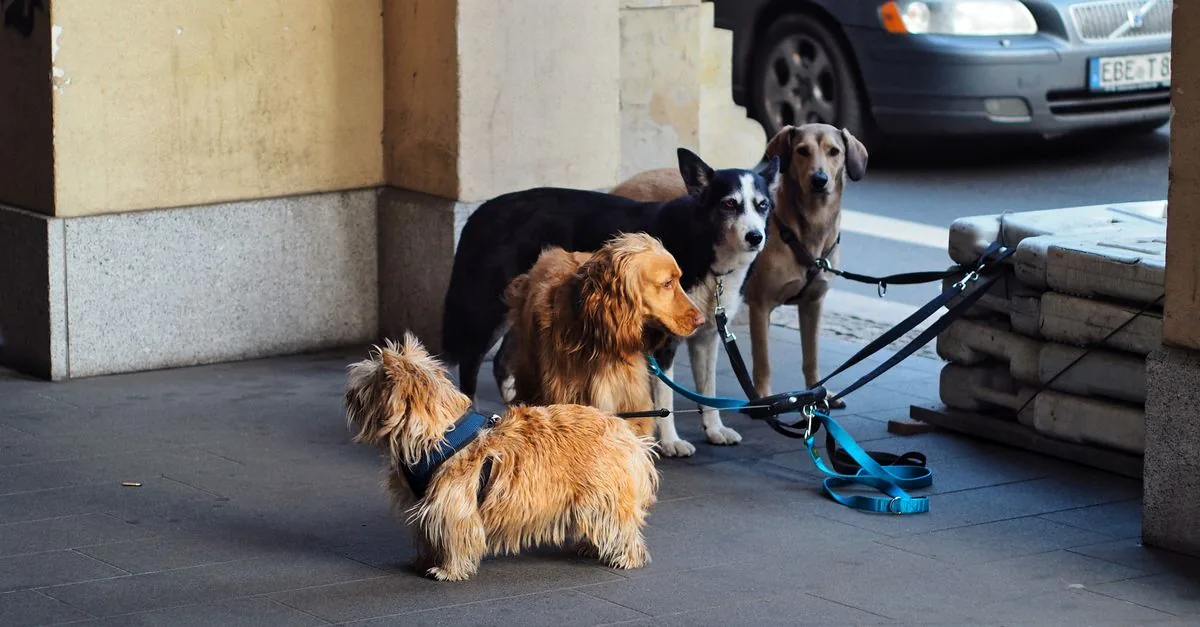
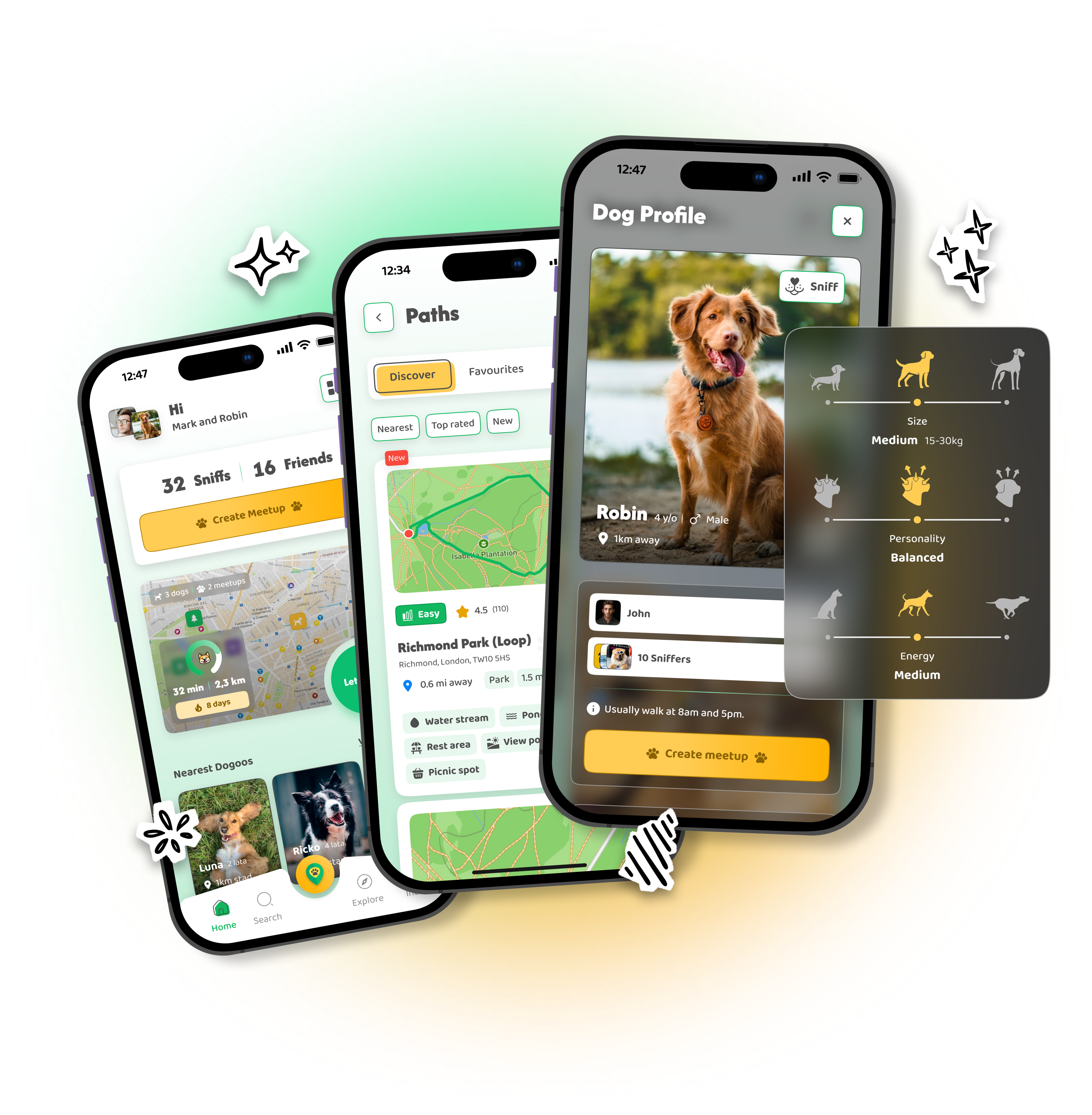
Meeting other dogs at a safe, controlled pace - rather than random run-ins on a street corner - is one of the best forms of prevention. In the DOGOUT app you can check the map to see who's walking nearby and arrange a meetup with an owner who knows their dog's temperament. Fewer surprises, more good walks for the whole pack.
A dog bite is stressful, but in most cases it heals well if you respond calmly and methodically: clean it, stop the bleeding, weigh the risk, and check with a doctor if you're unsure. Keep watching the wound for the next few days, even if it looks minor at first glance.
Frequently asked questions
- What should I do immediately after a dog bite?
- Wash the wound under running water with soap for several minutes to flush out saliva and debris. Stop the bleeding with a clean gauze pad or dressing, raise the injured limb above heart level if possible, and cover the wound with a sterile dressing. Don't seal it tightly with a plaster or try to close it yourself - see a doctor right away if the wound is deep or bleeding heavily.
- Do I always need to see a doctor after a dog bite?
- It's worth getting checked even for a minor mark. See a doctor right away if the wound is deep, bleeding heavily, on the face, hand, a joint, or near the groin, if you don't know the dog's vaccination history (especially a stray or unfamiliar dog), or if you're unsure when you last had a tetanus shot.
- Can you get tetanus from a dog bite?
- Yes - puncture wounds from bites are a classic entry point for tetanus bacteria because they're deep and poorly oxygenated. If it's been more than 5 years since your last booster (a bite is a tetanus-prone wound, so the threshold is shorter than the 10 years used for clean minor cuts), or you're unsure of your vaccination history, a doctor may recommend one. It's a routine precaution for bite wounds, not a reason to panic, but it shouldn't be skipped.
- How long does a dog bite wound take to heal?
- A shallow scrape usually heals within 7-10 days. A deeper puncture wound, especially one that needed stitches, typically takes 2-3 weeks to close, with full tissue healing taking longer. Infection is what slows healing down the most - which is why watching the wound closely for the first week matters as much as the initial first aid.
- What does it mean if a dog bite wound is swelling?
- Mild swelling in the first few hours is a normal tissue response to injury. Swelling that keeps building after 24-48 hours, along with spreading redness, warm skin, pus, fever, or throbbing pain, points to an infected wound and needs prompt medical attention, often including antibiotics.
- Can a normally friendly dog bite out of fear rather than aggression?
- Yes, this is one of the most common causes. A dog that feels frightened, startled by pain, or cornered may bite defensively even if it's gentle day to day. It doesn't automatically mean the dog is permanently aggressive - but it's worth reviewing the situation with a behaviorist to understand the trigger and avoid a repeat.