Dog Growling at Family Members - Why It Happens and How to Help
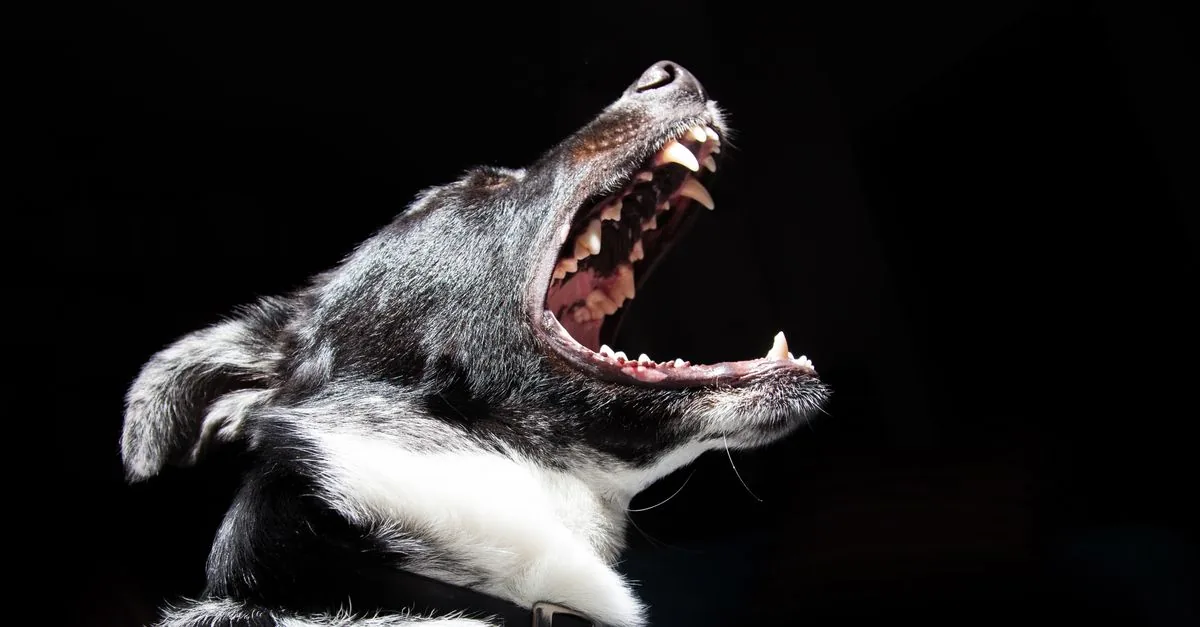
A growl is communication, not malice. Dogs growl at family members most often because of fear, pain, resource guarding, or accumulated stress. Never punish the growl - it is a warning signal that keeps people safe. Instead, identify the root cause and consult a certified behaviourist if the growling persists or escalates.
Your dog growls at someone in the household and you are not sure what to do? Take a breath - growling is not a sign of a bad dog or spite. It is a message. Dogs have no words, so they use body language, voice, and - if nothing else works - teeth, to say "I am uncomfortable." Understanding what your dog is saying is the first step to fixing it.
The growl as a warning, not an attack
Growling sits early in a dog's escalation chain. Before a bite, a dog typically sends a sequence of signals: body stiffening, a hard stare, wrinkled nose, growl, snap in the air. The growl is the early alarm - a gift, really, because it gives you time to change course.
Never punish a dog for growling. This is one of the most repeated mistakes and one of the most dangerous. Punishment removes the warning but does nothing about the discomfort driving it. A dog that learns growling is forbidden may skip straight to biting next time - with no warning at all. Behaviourist Ian Dunbar compared it to removing the ticker from a time bomb. The tension is still there.
Common reasons a dog growls at family members
Fear and distrust
Fear is the most common root cause of growling in dogs. A dog may feel anxious around a specific person for reasons that seem invisible to us:
- a deep or loud voice
- a tall frame and quick movements
- hats, sunglasses, uniforms, or head coverings
- being leaned over suddenly
- an unfamiliar smell (alcohol, certain perfumes, cigarette smoke)
A dog that missed proper socialization as a puppy may have learned fearful associations with certain human traits. These associations are real to the dog, even if they seem irrational.
Resource guarding
Does the growling happen near the food bowl, bed, toy, or favourite spot? That is classic resource guarding - an evolutionary behaviour that makes perfect sense for a wild animal but can become a serious problem in a home. The growl says: "this is mine, back off."
Resource guarding can also apply to a person - some dogs guard "their" owner from another family member who approaches.
Pain and physical discomfort
Sudden growling when touched, or when someone walks close to where the dog is resting, often signals pain. Joint disease, ear infections, dental problems, and hip dysplasia can all make a previously calm dog reactive and irritable.
If the growling appeared suddenly with no obvious behavioural trigger, start with a vet visit. Behaviour work on a dog that is hurting physically will not produce lasting results.
Stress overflow
Dogs have a stress bucket. Every small discomfort adds to it - loud noises, unfamiliar guests, a long car journey, a vet visit. When the bucket overflows, even a small trigger - a family member closing a door too loudly - can tip them into a growl. This is not "aggression out of nowhere." It is a dog with no reserves left.
What to do when your dog growls at family members
| Situation | Response |
|---|---|
| Growling at one specific person | Stay calm, do not force contact, give the dog space |
| Growling over food bowl or toys | Step back calmly, address resource guarding gradually |
| Sudden growling when touched | Vet first - rule out pain before any behaviour work |
| Growling in many situations | Assess overall stress level, increase decompression and exercise |
| Growling escalating or a bite has occurred | Contact a certified behaviourist - do not wait |
How to gradually improve the relationship
The behavioural approach is desensitisation and counter-conditioning - replacing a negative association with a positive one. In practice:
- Start at a distance where the dog is completely calm - even if that is several metres away.
- The person the dog reacts to ignores the dog entirely - no eye contact, no talking, no reaching out.
- The moment the dog notices that person and stays calm, a high-value treat appears - tossed gently by the other owner, or placed on the floor by the person at distance.
- Very gradually reduce the distance - only when the dog is relaxed at the current step.
This is a process of weeks or months, not a weekend fix. Moving back a step is always better than pushing forward too fast.
What to avoid
- Do not force greetings. "Just let him sniff your hand, he'll get used to it" - this frequently backfires and can deepen the problem.
- Do not shout or punish. Fear rises, the problem worsens.
- Do not ignore the growl. It is important information - understand it, do not silence it.
- Do not assume it will sort itself out. Behaviour problems almost never resolve without deliberate work.
If the growling is intensifying, a snap or bite has happened, or you cannot find the trigger, that is a clear sign to bring in a professional. A certified behaviourist will assess without judgement and build a plan tailored to your dog. For a broader view of when behaviour crosses into something more serious, see our article on dog aggression.
Every dog needs movement, routine, and calm - and every dog is capable of improvement when given the right conditions. A good walk on a familiar route lowers the stress bucket more than almost anything else. Use the DOGOUT map to find dog-friendly spots near you and build a daily routine that gives your dog the outlet they need.
Frequently asked questions
- Why does my dog growl at one family member but not others?
- Dogs associate certain physical traits with discomfort - a deep voice, tall frame, fast movements, hats, sunglasses, or a particular scent. Sometimes the dog had a bad experience with that person, or it is guarding its owner from a perceived rival. The fix is gradual, positive counter-conditioning - never forced contact.
- Should I punish my dog for growling?
- No. Punishing a growl is one of the most dangerous mistakes you can make. It removes the warning signal without addressing the underlying discomfort. A dog that has learned not to growl may bite without any warning next time. Work on the cause, not the symptom.
- Is growling at family members always aggression?
- Not exactly. Growling is communication - one of the earliest links in a dog's escalation chain, signalling discomfort before things go further. If ignored or punished it can escalate to a snap or bite. Treat it as important information, not an attack.
- Could pain be causing my dog to growl?
- Yes. If growling started suddenly - especially when the dog is touched or approached while resting - pain is a likely culprit. Joint disease, ear infections, dental pain, and hip dysplasia can all make a normally calm dog reactive. Rule out a medical cause with a vet visit before starting any behaviour work.
- How long does it take to fix growling at family members?
- It depends on the root cause and depth of the issue. For mild fear with consistent positive work, noticeable improvement may come in a few weeks. For deep-rooted resource guarding or severe anxiety, the process can take months. Rushing is counterproductive - gradual progress sticks, forced progress backfires.
- When should I contact a professional behaviourist?
- If the growling is intensifying, happening more frequently, has escalated to a snap or bite, or you cannot identify the trigger - do not try to handle it alone. A certified animal behaviourist will assess the situation and design an individual plan for your dog.