Is a Dog Muzzle Required in Poland - What the Rules Actually Say
There is no statutory duty in Poland to walk a dog in a muzzle. No act of parliament requires a muzzle for every dog. The duty can come from a municipal council bylaw, the local cleanliness and order regulation, and where that exists it binds you within that municipality. Administrative courts have repeatedly struck down clauses imposing a muzzle unconditionally on all dogs as exceeding municipal powers. A muzzle is genuinely required by carrier rules on public transport. Check your own municipality's bylaw, because the answer depends on where you are.
The muzzle is one of those things almost everyone in Poland states with confidence and almost nobody gets right. Some insist it always applies, others that it never does. The answer is specific, it just does not live in a statute - it lives in your municipality's bylaw. Here is how it breaks down.
No statute requires a muzzle
This is the starting point that changes the whole conversation: Polish law contains no statutory provision requiring a dog to be walked in a muzzle. The Animal Protection Act sets a different requirement, in article 10a(3): it bans "letting dogs loose without the ability to control them and without identification allowing the owner or keeper to be identified".
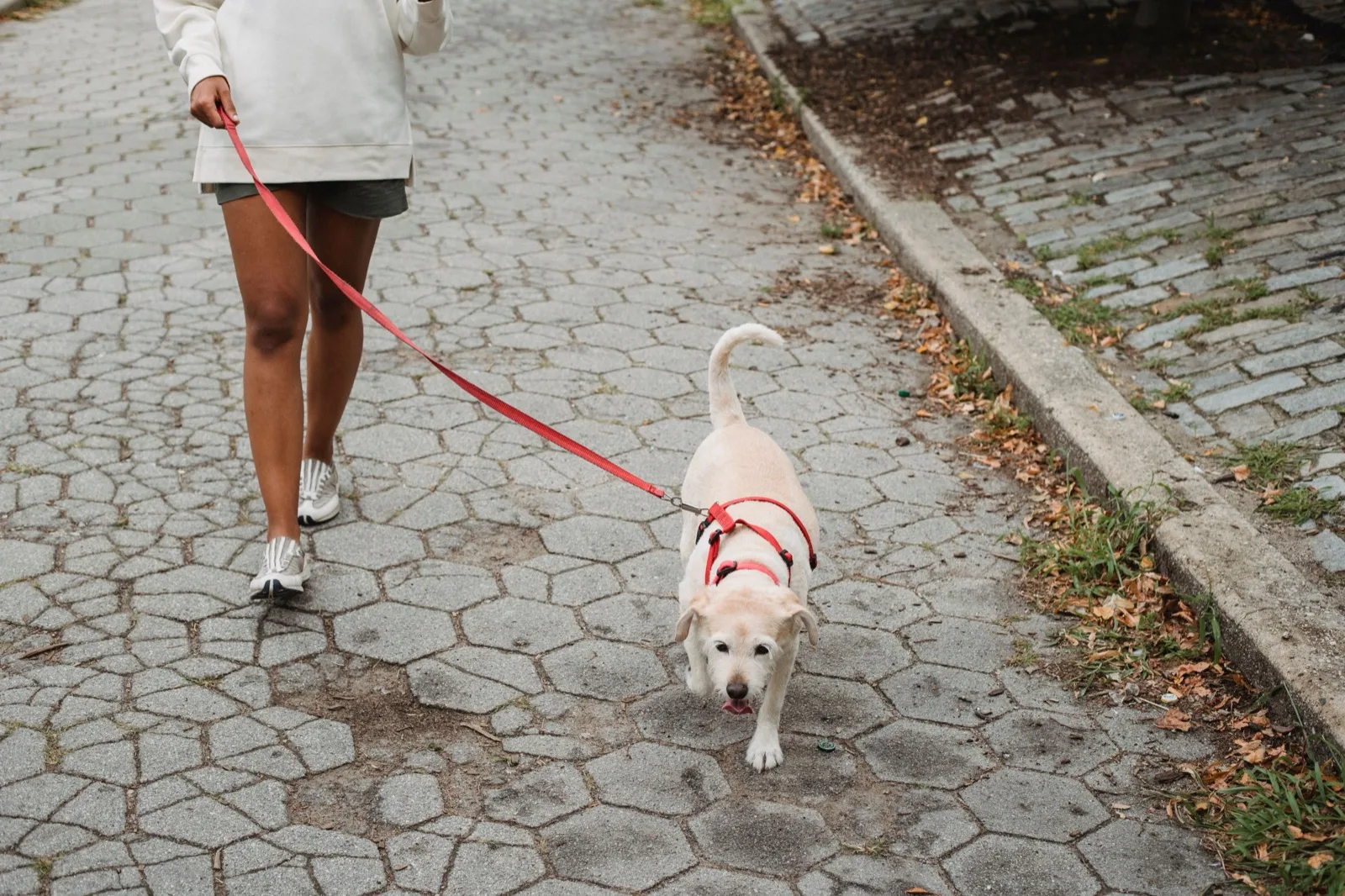
So the statutory standard is control over the dog and traceability, not a specific piece of equipment. A leash and a muzzle are tools that can deliver that control, but the statute does not name them.
What a municipality can impose
A municipal council adopts a cleanliness and order regulation and may set out duties for people keeping animals. Many municipalities wrote leash and muzzle rules into exactly that document. If such a clause is in force where you live, it binds you, and it is the first thing to check before arguing on the pavement.
That power has a limit, though, and this is where it gets interesting.
The courts: an unconditional duty goes too far
Administrative courts have repeatedly struck down municipal clauses requiring a muzzle for all dogs without exception:
- The Supreme Administrative Court, judgment of 27 June 2017 (II OSK 3039/15) confirmed that going without a leash is permissible where the keeper maintains adequate control of the dog.
- The Regional Administrative Court in Olsztyn, judgment of 15 November 2018 (II SA/Ol 740/18) invalidated municipal clauses that tightened the conditions, holding that muzzles and leashes are for statute to settle rather than a municipality, and that restrictions on liberty require statutory form.
- The courts in Gdansk (II SA/Gd 886/18) and Rzeszow (II SA/Rz 164/20) found absolute requirements defective, because any regulation has to account for the traits of the individual animal.
The case law comes down to one thing: a municipal regulation must provide exceptions tied to the dog's health, age and size and to humane treatment. A flat "every dog muzzled, always" tends to be struck down.
What does that mean in practice? That if such a clause is still sitting in your municipality's regulation, it formally applies until it is repealed. Knowing the case law is an argument for having the bylaw annulled, not an insurance policy against a fine on a Wednesday afternoon.
Where a muzzle is genuinely required
Beyond municipal bylaws there are places where a muzzle comes up regularly and concretely:
| Situation | Source of the requirement | Notes |
|---|---|---|
| train, bus, tram, metro | carrier's own rules | outside a carrier, usually leash and muzzle |
| assistance dogs | exempt | including on public transport |
| breeds classed as aggressive | usually a municipal bylaw | the 2003 regulation covers permits, not muzzles |
| a dog behaving aggressively | ordinary precautions, article 77 | the judgement call sits with the keeper |
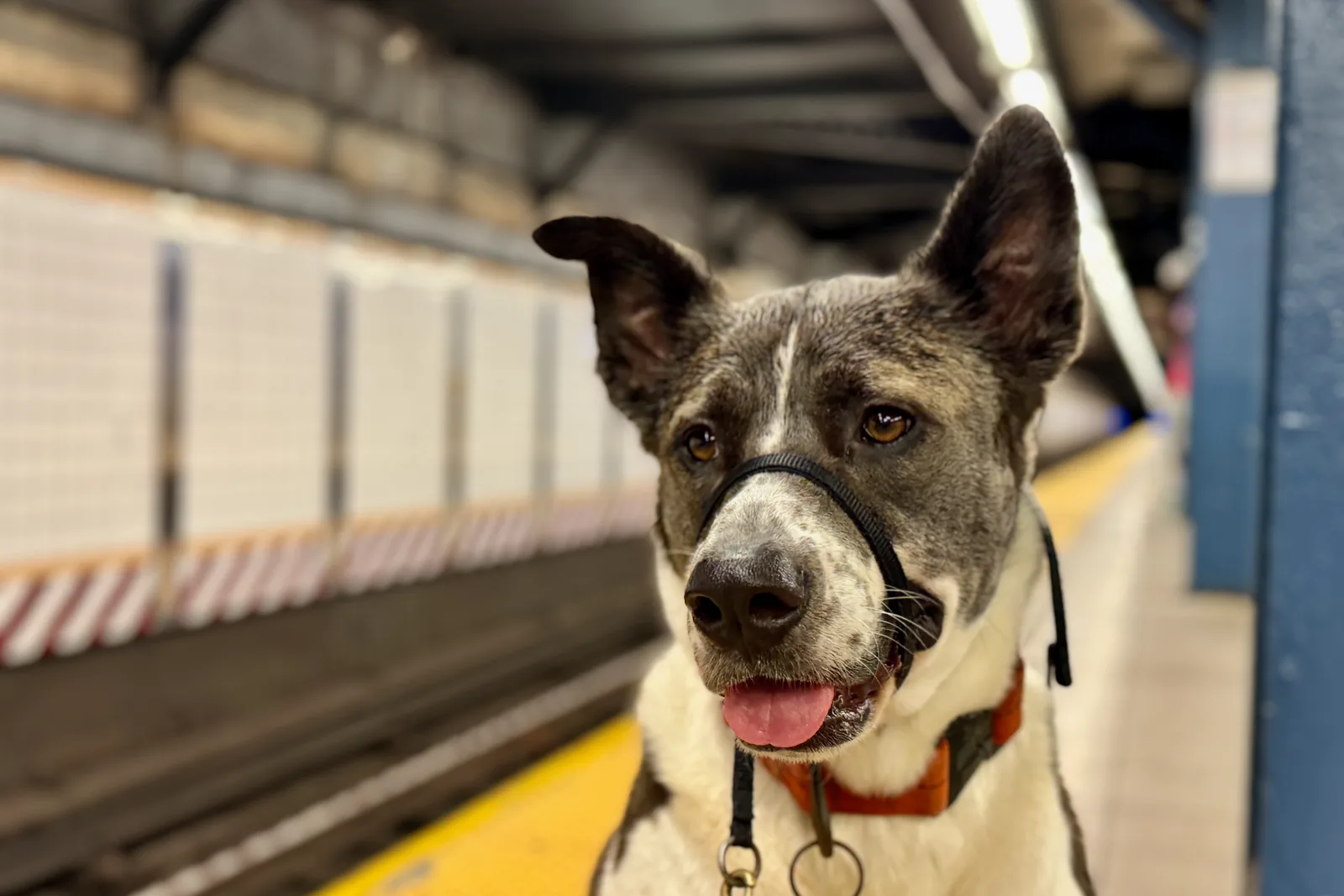
Public transport is covered separately, with ticket prices and the documents you need, in dogs on trains and public transport.
Breeds classed as aggressive: not a muzzle rule
The Interior Ministry regulation of 28 April 2003 lists eleven breeds classed as aggressive. Contrary to the common shorthand, it does not impose a muzzle duty - it imposes a duty to obtain a permit to keep such a dog, issued by the mayor of the place where the dog will be kept.
Muzzles for those dogs typically appear only in municipal bylaws, at the same level as for every other dog.
Article 77: what you can be fined
The penal provision does not mention muzzles, it mentions caution. Article 77(1) states that whoever fails to keep ordinary or prescribed precautions when keeping an animal is liable to restriction of liberty, a fine of up to 1,000 zloty or a reprimand. Where the animal's behaviour endangers human life or health, the fine reaches 5,000 zloty.
Two words matter here. "Prescribed" precautions are the ones in the municipal bylaw. "Ordinary" are the ones the situation demands: one set for a dog that ignores everybody, another for a dog that launches at every dog it meets. That is why the same unmuzzled walk can be entirely fine in one case and an offence in another.
How to check the rules where you are
- Find your municipality's cleanliness and order regulation. It is a council resolution, published in the public information bulletin and the provincial official journal.
- Look for the section on duties of people keeping domestic animals. That is where the answer for your address lives.
- Check whether the clause has exceptions. If it imposes a muzzle unconditionally, it matches what the courts have already struck down.
- Remember site operators' own rules. A park, a bathing area or any site with its own regulations may set separate rules, independent of the municipality. We touch on that in a dog in an apartment block.
If a muzzle will be needed, train it in advance
Whatever your municipality's regulation says, a muzzle comes in useful at a few moments nobody plans: a vet visit, a procedure, travel, an injection, a dressing. A dog that knows the muzzle from training takes it calmly. A dog having one put on for the first time in the consulting room is handling two stresses at once.
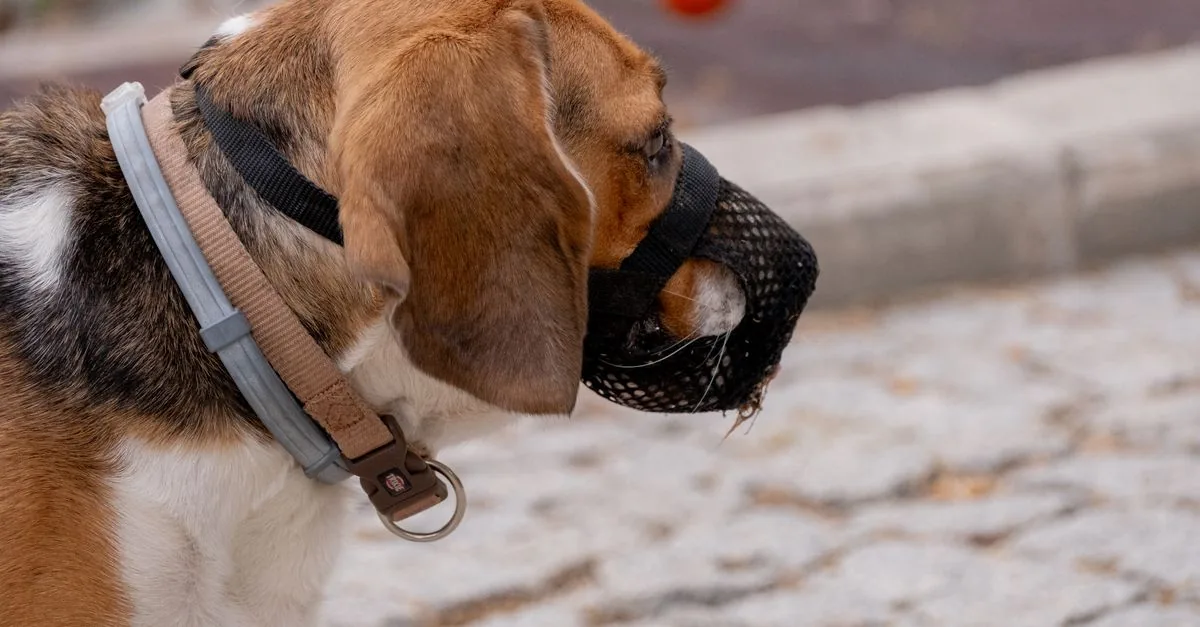
The key equipment choice: a basket muzzle, which lets the dog open its mouth, pant, drink and take treats. Tight fabric muzzles that hold the mouth shut prevent cooling and suit only very short procedures.
The full step-by-step training, sizing included, is in muzzle training a dog.
In short
The answer to the title question is: not by statute, possibly by municipality. Checking one bylaw takes five minutes and settles the matter for your address better than any discussion online, this one included.
Then get outside. The DOGOUT map shows where other owners walk nearby and where a dog has room for a calm walk.
Sources
Frequently asked questions
- Is there a statutory muzzle duty in Poland?
- No. No act of parliament requires every dog to be walked in a muzzle. The Animal Protection Act instead bans letting dogs loose without the ability to control them and without identification that allows the keeper to be traced.
- So when is a muzzle actually required?
- When a municipal council bylaw imposes it, and when a carrier's rules require it on public transport. Beyond that, in situations where ordinary caution cannot be maintained without one, because then article 77 of the Code of Petty Offences applies.
- Can a municipality require a muzzle for every dog?
- Administrative courts have repeatedly declared such clauses invalid. A bylaw cannot impose an unconditional duty detached from the traits of the individual dog, its health, age and size. Such clauses get struck down as exceeding municipal powers.
- What is the penalty for no muzzle or no leash?
- Article 77 of the Code of Petty Offences provides for restriction of liberty, a fine of up to 1,000 zloty or a reprimand for failing to keep ordinary or prescribed precautions when keeping an animal. Where the animal's behaviour endangers human life or health, the fine reaches 5,000 zloty.
- Do breeds classed as aggressive have to wear a muzzle?
- The 2003 Interior Ministry regulation lists eleven breeds classed as aggressive, but it imposes a different duty: a permit to keep such a dog, issued by the local mayor. It is not a muzzle rule. Muzzles for those dogs usually appear in municipal bylaws instead.
- Does an assistance dog need a muzzle?
- Assistance dogs are exempt from such requirements, including on public transport. The rules for a specific carrier are in its own regulations.
- Which muzzle should I pick if I do need one?
- A basket muzzle that lets the dog open its mouth freely, pant, drink and take treats. Tight fabric muzzles that hold the mouth shut prevent cooling and are suitable only for very short procedures.